Tag: Health

Guyana and Suriname Wrestle With High Rates of Suicides

Go Lean Commentary

This Caribbean member-state, Guyana, is Number One …

Not Number One on the list of most productive countries, but Number One on this infamous list: as the country with the highest rate of suicides in the world, according to the latest WHO report. (Suriname is also in the Top 10, at Number 6).

This is a tragedy!

The book Go Lean… Caribbean claims that this region is the best address in the world…physically. And yet this below article asserts that per capita, more people voluntarily “check-out permanently” here than anywhere else in the world. In a previous blog, this commentary presented that this same country Guyana is also Number One in the region with a 89% brain drain among college graduates.

This is not a coincidence, this is a crisis!

Title: Sleepy Guyana Wrestles With High Rate of Suicides
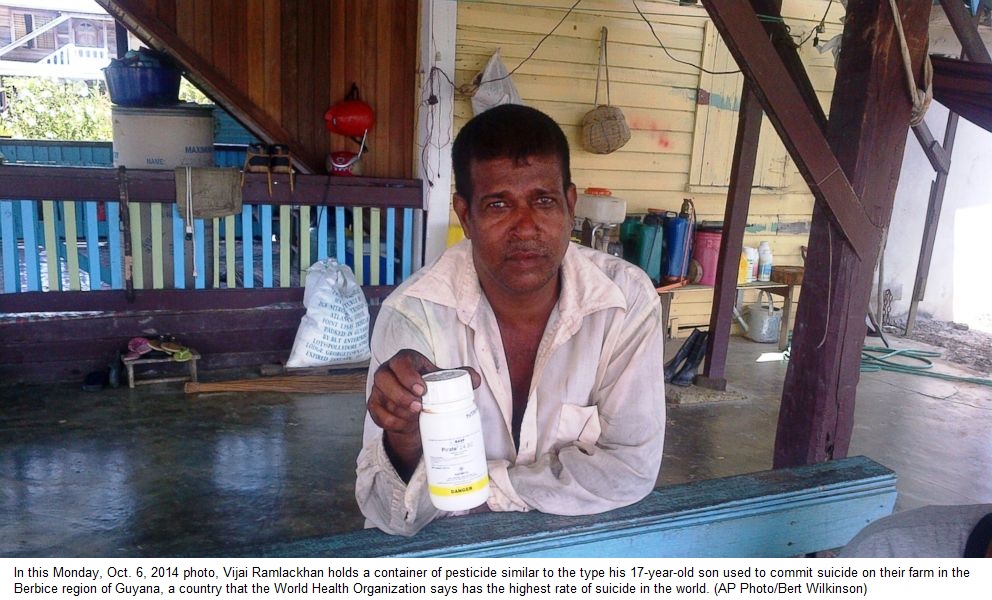
CU Blog - Guyana Wrestles With High Rate of Suicides - Photo 1
Lesbeholden, Guyana – The young man responds all too easily when asked whether he knows anyone who has committed suicide in his village, a sleepy cluster of homes and rum shops surrounded by vast brown fields of rice awaiting harvest.

Less than a year ago, Omadat Ramlackhan recalls, his younger brother swallowed pesticide after a drunken argument with their father and died five days later. “I don’t know what got into him,” the 23-year-old said. “It just happened like that.”

It wasn’t the family’s first brush with suicide. His stepmother, Sharmilla Pooran, volunteers that her brother hanged himself and the man’s son tried to do the same but survived, with rope marks on his neck to remember it. She once contemplated killing herself.

The fact that self-inflected harm is such a presence in the lives of this family is not surprising given that they live in an area that Guyana’s Ministry of Health has designated the “suicide belt,” in a country that the World Health Organization says in a new report has the highest rate of suicide in the world.

Guyana, a largely rural country at the northeastern edge of South America, has a suicide rate four times the global average, ahead of North Korea, South Korea, and Sri Lanka. Neighboring Suriname was the only other country from the Americas in the top 10.

There seem to be a number of reasons that Guyana tops the list, including deep rural poverty, alcohol abuse and easy access to deadly pesticides. It apparently has nothing to do with the mass cult suicide and murder of more than 900 people in 1978 at Jonestown, the event that made the country notorious.

“It’s not that we are a population that has this native propensity for suicide or something like that,” said Supriya Singh-Bodden, founder of the non-governmental Guyana Foundation. “We have been trying to live off the stigma of Jonestown, which had nothing to do with Guyana as such. It was a cult that came into our country and left a very dark mark.”

Just before the WHO published its report last month, the foundation cited rampant alcoholism as a major factor in its own study of the suicide phenomenon, which has been a subject of concern in Guyana for years. In 2010, the government announced it was training priests, teachers and police officers to help identify people at risk of killing themselves in Berbice, the remote farming region along the southeast border with Suriname where 17-year-old Ramdat Ramlackhan committed suicide after quarreling with his father, Vijai.

More recently, the government has sought to restrict access to deadly pesticides, though that is difficult in a country dependent on agriculture. In May, authorities announced a suicide-prevention hotline would be established and Health Minister Bheri Ramsarran said he would deploy additional nurses and social-service workers in response to the WHO report.

Some countries have had success with national strategies in bringing down the number of people who take their own lives, according to the WHO. The number of suicides rose rapidly in Japan in the late 1990s, but started to decrease in 2009 amid government prevention efforts and as discussion of the subject became less taboo.

It has declined in China and India as a result of urbanization and efforts to control the most common means of suicide, said Dr. Alan Berman, a senior adviser to the American Association of Suicidology and a contributor to the WHO report.

“A certain proportion of suicides are rather impulsive and if you can restrict access to the means of suicide, whether it’s by pesticides, or by firearms or by bridge, you can thwart the behavior and give people an opportunity to change their minds,” Berman said.

The WHO estimates there are more than 800,000 suicides around the world per year. Statistics on the subject are unreliable because in some places the practice is stigmatized, or illegal.

The agency found Guyana, which has a population of about 800,000, had an age-adjusted rate of just over 44 per 100,000 people based on 2012 data. For males alone, it was nearly 71 per 100,000. In raw numbers, there are about 200 per year and 500 attempts, according to local health authorities. The U.S. overall rate was 12 per 100,000.

Most occur in Berbice, a flat, sun-baked expanse of farmlands along the river that forms the border with Suriname, where similar social and economic conditions prevail and which was 6th on the WHO list, just ahead of Mozambique.

“Suicides tend to be higher in rural areas than urban areas,” Berman said. “If I’m living in rural Montana, or if I’m living in rural India or in rural Suriname the question then is if I need help for whatever is going on with me how am I going to get it?”

It is a touchy subject in Guyana. The country is divided politically and ethnically between the descendants of people brought from Africa as slaves and the descendants of people brought from India, both Hindus and Muslims, as indentured workers to replace them.

Berbice has many people of Hindus of Indian descent and, as a result, suicide is often portrayed in Guyana as a largely Hindu phenomenon. But Singh-Bodden of the Guyana Foundation said that may be because self-inflicted death among the Hindus of Berbice is more likely to be reported as such. Their study, for example, found little reporting of suicide among native Amerindians who live in the country’s rugged interior.

“I don’t buy into the argument necessarily that it’s an ethnic thing, that Indo Guyanese are more susceptible to suicide,” she said. “There has been a lot of suicide among mixed people as well. I honestly believe it’s the hopelessness.”

Pooran, describing her family’s experiences, said her brother apparently killed himself after struggling with health problems for years and difficult home life. She said she thought about taking her own life while cleaning her house after a day’s work at a local sawmill.

“One day, I picked up the poison and thought about drinking it but I called God’s name and then realized my husband would just get another woman and soon forget me,” she said. “Don’t think I would do that today.”
———
By Bert Wilkinson in Guyana and Ben Fox reported from Miami.
Associated Press News Wire Service (Retrieved 10-15-2014) – http://abcnews.go.com/international/wirestory/sleepy-guyana-wrestles-high-rate-suicides-26174156
There is something providential about this crisis as the Go Lean… Caribbean book also asserts that “a crisis is a terrible thing to waste”. The book declares (Page 36) that a man/woman needs three things to be happy:

Deficiency Mitigation
1. Something to do Jobs
2. Someone to love Repatriation of Diaspora
3. Something to hope for Future-focus

The book serves as a roadmap to mitigate these 3 deficiencies within Caribbean life, rural communities and also in The Guianas (Guyana & Suriname).

The subject of suicide is not a light matter and should not be ignored. It addresses one of the most serious aspects of the science of Mental Health. The Go Lean book is not a reference source for science, but it does glean from “social science” concepts in communicating the plan to elevate Caribbean society. The book thusly serves as a roadmap for the introduction and implementation of the technocratic Caribbean Union Trade Federation (CU). The complete prime directives are described as:

  • Optimize the economic engines of the Caribbean to elevate the regional economy and create 2.2 million new job.
  • Establish a security apparatus to protect the resultant economic engines.
  • Improve Caribbean governance to support these engines.

The Go Lean roadmap immediately calls for the establishment of a regional sentinel, a federal Health Department, to monitor, manage and mitigate public health issues in the region. This focus includes mental health in its focus, just as seriously as any other health concern like cancer, trauma, bacterial/viral epidemiology. This direct correlation of physical/mental health issue with the Caribbean (and American) economy has been previously detailed in Go Lean blog/commentaries, as sampled here:

Public Health Economics – The Cost of Cancer Drugs
Antibiotics Misuse Associated With Obesity Risk
Regional Health Sentinel – Stopping Ebola
Recessions and Public Health in the Caribbean Region
Health Concern – Climate Change May Bring More Kidney Stones
New Hope in the Fight Against Alzheimer’s Disease
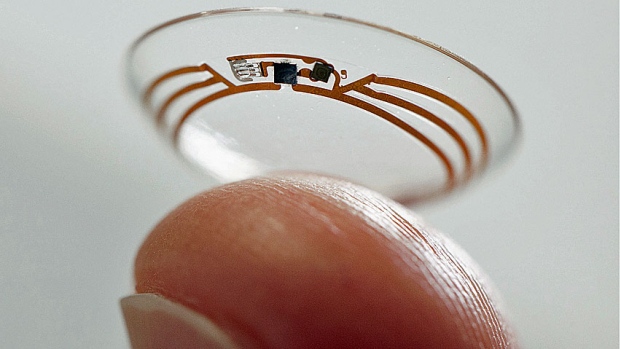
For Diabetes Mitigation, Google and Novartis to develop “smart” contact  lens
Health-care fraud in America; criminals take $272 billion a year
Painful and rapid spread of new Chikungunya virus in the Caribbean
Cuban Cancer Medication registered in 28 countries

Being first on a list is not uncommon for the Caribbean – Cuba’s famous tobacco-cigar is already declared “Among the Best in the World”. This is the kind of notoriety we want with our global image; not suicides. No one wants to live in a society where these mental health crises remain unmitigated. But the foregoing article relates that suicide rates in Guyana (and Suriname) needs to be arrested.

A lot is at stake.

The Go Lean roadmap immediately calls for the coordination of the region’s healthcare needs. This point is declared early in the Go Lean book, commencing with this opening pronouncement in the Declaration of Interdependence (Page 12), as follows:

ix.  Whereas the realities of healthcare … cannot be ignored and cannot be afforded without some advanced mitigation, the Federation must arrange for health plans to consolidate premiums of both healthy and sickly people across the wider base of the entire Caribbean population. The mitigation should extend further to disease management, wellness, mental health, obesity and smoking cessation programs.

The Go Lean … Caribbean roadmap constitutes a change for the region, a plan to consolidate 30 member-states into a Trade Federation with the tools/techniques to bring immediate change to the region to benefit one and all member-states. This includes the monitoring/tracking/studying the physical and mental health trends. This empowerment would allow for better coordination with member-states, non-governmental organizations (NGOs) and the World Health Organization (WHO).

The book details Happiness as a community ethos that first must be adopted; this refers to the appropriate attitude/spirit to forge change in the region. Go Lean details this and other ethos; plus the executions of the following strategies, tactics, implementations and advocacies to impact the region’s public [mental] health:

Community Ethos – Deferred Gratification Page 21
Community Ethos – Economics Influence Choices Page 21
Community Ethos – “Crap” Happens Page 23
Community Ethos – Lean Operations Page 24
Community Ethos – Cooperatives Page 24
Community Ethos – Non-Government Organizations Page 25
Community Ethos – Ways to Impact the Future Page 26
Community Ethos – Ways to Impact Turn-Around Page 33
Community Ethos – Ways to Promote Happiness Page 36
Community Ethos – Impact the Greater Good Page 37
Strategy – Vision – Confederate 30 Member-States Page 45
Strategy – Mission – Reform our Health Care Response Page 47
Strategy – Agents of Change – Aging Diaspora Page 57
Tactical – Fostering a Technocracy Page 64
Separation of Powers – Department of Health Page 86
Implementation – Ways to Deliver Page 109
Implementation – Reasons to Repatriate Page 118
Planning – Ways to Make the Caribbean Better Page 131
Planning – Ways to Improve Failed-State Indices Page 134
Planning – Lessons from Indian Reservations – Suicides Page 148
Advocacy – Ways to Grow the Economy Page 151
Advocacy – Ways to Improve Healthcare Page 156
Advocacy – Ways to Better Manage the Social Contract Page 170
Advocacy – Ways to Foster Cooperatives Page 176
Advocacy – Ways to Improve Emergency Management Page 196
Advocacy – Ways to Impact Rural Living Page 235
Advocacy – Ways to Impact/Re-boot The Guianas Page 241

Guyana is a “failing” state, economy-wise. The CU mitigation to re-boot the economy there (& the region) is Step One for minimizing the risk of suicide. The foregoing news article links economic downturns and rural poverty to suicide risks. All in all, there is the need for better stewardship for Caribbean society, the economy, security and governing engines.

Who will provide this better stewardship? Who will take the lead? The book Go Lean…Caribbean provide 370 pages of turn-by-turn directions for how the CU is to provide this role for the region. The people are hereby urged to lean-in to this Go Lean roadmap, to make the Caribbean a better place to live, work and play. 🙂

Download the book Go Lean … Caribbean – now!

Share this post:
, , , , , , ,

The Cost of Cancer Drugs

Go Lean Commentary:

1. Even a broken clock is right … twice a day.
2. Greed is good … for incentivizing innovation.

According to the transcript in the below VIDEO, “Cancer is so pervasive that it touches virtually every family in this country. More than one out of three Americans will be diagnosed with some form of it in their lifetime. And as anyone who’s been through it knows, the shock and anxiety of the diagnosis is followed by a second jolt: the high price of cancer drugs.”

“If 1-in-3 Americans are at risk for cancer, Caribbean citizens cannot be far behind”. So declares the book Go Lean…Caribbean (Page 157). This is not speculative, this is real … life and death. The principal author for the Go Lean book dedicated the book to his sister who had recently died after losing her battle with cancer. 42 years earlier, their mother died of the same cause.

The opening quotations relate the underlying theme of this commentary, that the cost of cancer drugs is a distortion of the “free market”; reflective of American “crony” capitalism. Also, that despite an obvious broken eco-system, failed-state status in Cuba, this Caribbean country “does cancer drugs right”. This point is related in the following article:

Title #1: Medimpex to sell Cuban ‘scorpion’ cancer drug here [in Jamaica]
By: HG Helps, Editor-at-Large
helpsh@jamaicaobserver.com

CU Blog - The Cost of Cancer Drugs - Photo 1HUNGARIAN drug distribution company Medimpex has been granted exclusive rights to import and sell to retailers the Cuban cancer-fighting drug Vidatox.

The drug, produced by protein peptides from the venom of the blue or Rhopalrus Junceus scorpion — endemic to Cuba — will be available in Jamaican pharmacies before the end of October, an official of Medimpex told the Jamaica Observer.

“On September 18, we signed a contract with Cuban company Labiofam, which distributes Vidatox and we are awaiting the first shipment in another four weeks,” Medimpex’s Managing Director Laszlo Bakon said.

“We see a huge potential for the drug in Jamaica, because cancer is one of the leading causes of death in Jamaica and other countries of the world.

“The demand is definitely there. We have held meetings with oncologists in Jamaica and the feedback from them and the rest of the market is good. It is a unique cancer treatment,” Bakon said.

Jamaica’s Ministry of Health approved the introduction of Vidatox to the shelves of local pharmacies, following its registration on June 18, when a team of technocrats from the socialist country visited.

Early indications are that the cost of the oral drug could be in the region of US$150 for a 30ml bottle, which normally represents two months’ usage.

Vidatox is already being used in Asia, Europe, North, South and Central America.

The drug has been used to treat cancer-related ailments among the Cuban population for over 200 years. This followed 15 years of clinical research spearheaded by Cuban biologist Misael Bordier and tests involving more than 10,000 people — 3,500 of them foreigners — which yielded positive results in improving quality of life, retarding tumour growth and boosting the immune system in cancer patients.

The drug is said to be safe, with no side effects, and is principally used along with conventional medicines.

“The Cubans have done their job and from now on it will be our job to put it on the market. There is a lot of scepticism from the western world about the drug, but the truth always triumphs. When they see what happens to patients, then they will believe. We have clinical proof that Vidatox works,” said Bakon, who is also Hungary’s honorary consul in Jamaica.

Cuba’s Ambassador to Jamaica, Yuri Gala Lopez, hailed the new business alliances.

“I hope that doctors in Jamaica will take advantage of this partnership, as steps like this will strengthen the already close relationship between Jamaica and Cuba,” Gala Lopez said.

Bakon said that there would be sharp monitoring of the use of the drug and meetings have been held with the National Health Fund and the Jamaica Cancer Society, but no direct communication has been established with the management of public hospitals yet.
Jamaica Observer Daily Newspaper = Posted 09-24-2012; Retrieved 10-07-2014
http://www.jamaicaobserver.com/news/Medimpex-to-sell-Cuban–scorpion–cancer-drug-here_12606863

—————————-

VIDEO Title: The Cost of Cancer Drugs in the US
CBS News Magazine 60 Minutes – Posted 10-05-2014. (VIDEO plays best in Internet Explorer). http://www.cbsnews.com/news/the-cost-of-cancer-drugs/

Why is the cost of cancer drugs so high in the US?

One theory was posited in a recent Go Lean blog, that related that Big Pharma, the Pharmaceutical industry, dictates standards of care in the field of medicine, more so than may be a best-practice. The blog painted a picture of a familiar scene where pharmaceutical salesmen slip in the backdoor to visit doctors to showcase latest product lines; the foregoing VIDEO relates that there are commission kick-backs in these arrangements. The Go Lean book posits that the Caribbean must take its own lead in the battle of health, wellness and cancer. The US eco-system is mostly motivated by profit.

Cuba is right, on this matter. As they demonstrate, we can do better in the Caribbean homeland, and still glean economic benefits.

The Go Lean book strategizes a roadmap for economic empowerment in the region, clearly relating that healthcare, and pharmaceutical (cancer drug) acquisitions are important in the quest to make the Caribbean a better place to live, work and play. At the outset of the Go Lean book, in the Declaration of Interdependence (Page 11), these points are pronounced:

viii.  Whereas the population size is too small to foster good negotiations for products and commodities from international vendors, the Federation must allow the unification of the region as one purchasing agent, thereby garnering better terms and discounts.

ix.     Whereas the realities of healthcare and an aging population cannot be ignored and cannot be afforded without some advanced mitigation, the Federation must arrange for health plans to consolidate premiums of both healthy and sickly people across the wider base of the entire Caribbean population. The mitigation should extend further to disease management, wellness, obesity and smoking cessation programs.

The Go Lean serves as a roadmap for the implementation and introduction of the technocratic Caribbean Union Trade Federation (CU). The CU‘s prime directives are identified with the following 3 statements:

  • Optimization of the economic engines in order to grow the regional economy to $800 Billion & create 2.2 million new jobs.
  • Establishment of a security apparatus to protect the resultant economic engines.
  • Improve Caribbean governance to support these engines.

Previous blog/commentaries addressed issues of capitalistic conflicts in American medical practices, compared to other countries, and the Caribbean. The following sample applies:

Antibiotics Misuse Linked to Obesity in the US
CHOP Research: Climate Change May Bring More Kidney Stones
Big Pharma & Criminalization of American Business
New Research and New Hope in the Fight against Alzheimer’s Disease
Health-care fraud in America; criminals take $272 billion a year
New Cuban Cancer medication registered in 28 countries

The foregoing news article and VIDEO provides an inside glimpse in the retailing of cancer groups bred from a research discipline. Obviously, the innovators and developers of drugs have the right to glean the economic returns of their research. The two foregoing articles (#1-Print and #2-VIDEO) show two paths, one altruistic and one bent on greed. In the Caribbean, Cuba currently performs a lot of R&D into cancer, diabetes and other ailments. The Go Lean roadmap posits that more innovations will emerge in the region as a direct result of the CU prioritization on science, technology, engineering and medical (STEM) activities on Caribbean R&D campuses and educational institutions.

The Caribbean Union Trade Federation has the prime directive of optimizing the economic, security and governing engines of the region. The foregoing article and VIDEO depicts that research is very important to identify and qualify best-practices in health management for the public. This is the manifestation and benefit of Research & Development (R&D). The roadmap describes this focus as a community ethos and promote R&D as valuable for the region. The following list details additional ethos, strategies, tactics, implementations and advocacies to optimize the region’s health deliveries and R&D investments:

Community Ethos – Deferred Gratification Page 21
Community Ethos – Economic Systems Influence Individual Choices and Incentives Page 21
Community Ethos – The Consequences of Choices Lie in the Future Page 21
Community Ethos – Governing Principles – Lean Operations – Group Purchasing Page 24
Community Ethos – Governing Principles – Return on Investments Page 24
Community Ethos – Governing Principles – Cooperatives Page 25
Community Ethos – Non-Government Organizations Page 25
Community Ethos – Ways to Impact Research & Development (R&D) Page 30
Community Ethos – Ways to Promote Happiness Page 36
Community Ethos – Ways to Impact the Greater Good Page 37
Strategy – Integrate and unify region in a Single Market Page 45
Strategy – Agents of Change – Globalization Page 57
Tactical – Fostering a Technocracy Page 64
Tactical – Separation of Powers – Health Department Page 86
Tactical – Separation of Powers – Drug Administration Page 87
Implementation – Ways to Pay for Change Page 101
Implementation – Ways to Implement Self-Government Entities – R&D Campuses Page 105
Implementation – Ways to Deliver Page 109
Planning – Ways to Improve Trade Page 128
Planning – Ways to Make the Caribbean Better Page 131
Advocacy – Ways to Improve Healthcare Page 156
Advocacy – Ways to Better Manage the Social Contract Page 170
Advocacy – Ways Foster Cooperatives Page 176
Advocacy – Ways to Improve Emergency Management Page 196
Advocacy – Ways to Impact Foundations Page 219
Advocacy – Ways to Impact Persons with Disabilities Page 228
Appendix – Emergency Management – Medical Trauma Centers Page 336

The Go Lean roadmap does not purport to be an authority on medical or cancer research best-practices. The CU economic-security-governance empowerment plan should not direct the course of direction for cancer research and/or treatment. But something is wrong here. The pharmaceutical companies cannot claim any adherence to any “better nature” in their practices. Their motive is strictly profit …

CU Blog - The Cost of Cancer Drugs - Photo 2The King of Pop, Michael Jackson, released a song with the title: “They don’t [really] care about us”; he very well could have been talking about Big Pharma; (https://www.youtube.com/watch?v=QNJL6nfu__Q). The foregoing CBS 60 Minutes VIDEO relates one drug, Gleevec, as a  top selling option for industry giant Novartis, “bringing in more than $4 billion a year in sales. $35 billion since the drug came to market. There are now several other drugs like it. So, you’d think with the competition, the price of Gleevec would have come down. Yet, the price of the drug tripled from $28,000 a year in 2001 to $92,000 a year in 2012”.

This is not economics, which extols principles like the “law of diminishing returns”, or “competition breathes lower prices and higher quality”. No, the cancer drug industry is just a “pure evil” version of American Crony Capitalism.

This is not the role model upon which we want to build Caribbean society.

We can do better in the Caribbean – thanks to Cuba, we have done better. We can use this ethos to impact the Greater Good; this means life-or-death. This is the heavy-lifting of the CU. We can make the Caribbean a better place to live, work, heal and play.

Download the book Go Lean … Caribbean – now!

Share this post:
, , , , ,
[Top]

Antibiotics Use Associated With Obesity Risk

 Go Lean Commentary:

The below news article relates to our most vulnerable victims in society, our children under age 2. The article helps us to appreciate that they need to be protected.

This report was published by a recognized technocratic institution, the Children’s Hospital of Philadelphia (CHOP), a previously referenced source for the publishers of the book Go Lean…Caribbean. Many of the research of CHOP have relevance for Caribbean life and the Go Lean elevation effort.

The CHOP research is published as follows:

Title: Antibiotic Use by Age 2 Associated With Obesity Risk

CU Blog - Antibiotics Use Associated with Obesity Risk - Photo 2

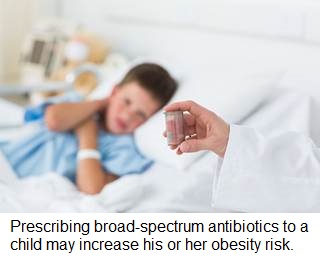
Repeated exposure to broad-spectrum antibiotics in the first two years of life is associated with early childhood obesity, say researchers from The Children’s Hospital of Philadelphia in a retrospective study based on data from electronic health records from the extensive CHOP Care Network.

Studying early life events that may affect how the body regulates weight

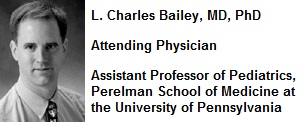
CU Blog - Antibiotics Use Associated with Obesity Risk - Photo 1The researchers found that children with four or more exposures to broad spectrum antibiotics during infancy were particularly more likely to be at risk for obesity. The study, published online September 29, 2014 in JAMA Pediatrics, did not directly examine cause and effect, said Charles Bailey, MD, PhD, (See Photo) lead author of the study, but he added, “as pediatricians, we’re interested in whether events that happen early in life might reset the baseline and have a long-term effect on how the body regulates weight.”

The researchers were intrigued by the emerging idea that the microbial population that begins to colonize in infants’ intestines shortly after birth, known as the microbiome, plays an important role in establishing energy metabolism. Previous studies have shown that antibiotic exposure influences the microbiome’s diversity and composition. “The thought is that the microbiome may be critically dependent on what is going on during infancy,” Bailey added.

The study team analyzed electronic health records from 2001 to 2013 of 64,580 children with annual visits at ages 0 to 23 months, as well as one or more visits at ages 24 to 59 months within the CHOP Care Network. They assessed the relationships between antibiotic prescription and related diagnoses before age 24 months and the development of obesity in the following three years.

Broad-spectrum drugs associated with obesity but not narrow-spectrum drugs

The investigators saw the association with broad-spectrum drugs, but they reported no significant association between obesity and narrow-spectrum drugs. For this study, they classified first-line therapy for common pediatric infections, such as penicillin and amoxicillin, as narrow-spectrum. They considered broad-spectrum antibiotics to include those recommended in current guidelines as second-line therapy.

“Treating obesity is going to be a matter of finding the collection of things that together have a major effect, even though each alone has only a small effect,” said Patricia DeRusso, MD, director of the Healthy Weight Program and vice president of Medical Staff Affairs at Children’s Hospital who was the senior author of the study. “Part of what we are exploring in this study is one of those factors that we can possibly modify in the way we take care of kids and make it better.”

Future investigations are needed involving multiple large pediatric health systems that will take a broader look at several populations and how adopting guidelines that accentuate the use of narrow-spectrum antibiotics might affect patients’ risk of obesity, Dr. Bailey said. In addition to supporting this type of research locally, CHOP is also a key contributor to networks such as PEDSnet that link many children’s hospitals to make more effective clinical research possible. Researchers also are looking at ways the microbial communities living in infants’ intestines are swayed by dietary and environmental factors.

Early intervention is key

Childhood obesity has more than doubled in children over the past 30 years, according to the Centers for Disease Control and Prevention. Many will remain obese into adulthood and be susceptible to heart disease, type 2 diabetes, stroke, several types of cancer, and osteoarthritis. Medical researchers at CHOP want to identify ways to intervene as early as possible, in order to avert the lifetime of medical, developmental, and social problems associated with obesity.

More information

“Association of Antibiotics in Infancy With Early Childhood Obesity” JAMA Pediatrics, published online on September 29, 2014 doi:10.1001/jamapediatrics.2014.1539

Dr. Bailey’s coauthors were Christopher Forrest, MD, PhD; Peixin Zhang, PhD; Thomas M. Richards, MS; Alice Livshits, BS; and Patricia A. DeRusso, MD, MS.

This research project was funded by an unrestricted donation to The Children’s Hospital of Philadelphia’s Healthy Weight Program from the American Beverage Foundation for a Healthy America.

Contact: Joey McCool, The Children’s Hospital of Philadelphia, 267-426-6070 or McCool@email.chop.edu
Children’s Hospital of Philadelphia Web Site – Posted 9-30-2014
http://www.chop.edu/news/antibiotic-use-by-age-2-associated-with-obesity-risk.html

Referenced Video: https://www.youtube.com/watch?v=HF3zTp5YQSg

Why is antibiotics misuse so high in American society*?

One theory is that Big Pharma, the Pharmaceutical industry, dictates standards of care in the field of medicine, more so than may be a best-practice. (Picture the scene of a Pharmaceutical Salesperson slipping in the backdoor to visit a doctor and showcase latest product lines).

This subject of damaging health effects deriving from capitalistic practices in medicine aligns with Go Lean … Caribbean (Page 157), as it posits that Cancer treatment (in the US) has been driven by the profit motive, more so than a quest for wellness and/or a cure.

This is not the model we want to effect the well-being of our young children.

The Go Lean roadmap specifies where we are as a region (minimal advanced medicine options), where we want to go (elevation of Caribbean society in the homeland for all citizens to optimize wellness) and how we plan to get there – confederating as a Single Market entity. While the Go Lean book strategizes a roadmap for economic empowerment, it clearly relates that healthcare, and pharmaceutical acquisitions are important in the quest to make the Caribbean a better place to live, work and play. At the outset of the Go Lean book, in the Declaration of Interdependence (Page 11), these points are pronounced:

viii.  Whereas the population size is too small to foster good negotiations for products and commodities from international vendors, the Federation must allow the unification of the region as one purchasing agent, thereby garnering better terms and discounts.

ix.     Whereas the realities of healthcare and an aging population cannot be ignored and cannot be afforded without some advanced mitigation, the Federation must arrange for health plans to consolidate premiums of both healthy and sickly people across the wider base of the entire Caribbean population. The mitigation should extend further to disease management, wellness, obesity and smoking cessation programs.

The Go Lean book is not a medical reference or science book, but it does touch on medical issues, especially as they relate to community economics. The publishers of the book are not trying to dictate policies for medical practice; that would be out-of-scope for Go Lean, which serves as a roadmap for the implementation and introduction of the technocratic Caribbean Union Trade Federation (CU). The CU‘s prime directives are identified with the following 3 statements:

  • Optimization of the economic engines in order to grow the regional economy to $800 Billion & create 2.2 million new jobs.
  • Establishment of a security apparatus to protect the resultant economic engines.
  • Improve Caribbean governance to support these engines.

Previous blog/commentaries addressed similar issues as the foregoing article. The following sample applies:

CHOP Research: Climate Change May Bring More Kidney Stones
Big Pharma & Criminalization of American Business
New Research and New Hope in the Fight against Alzheimer’s Disease
New Cuban Cancer medication registered in 28 countries

The Caribbean Union Trade Federation has the prime directive of optimizing the economic, security and governing engines of the region. The foregoing article/VIDEO depicts that research is very important to identify and qualify best-practices in health management for the public. Obviously the scourge of obesity is unwelcomed. Nutrition education is a key mitigation, but the foregoing article/VIDEO proclaims another driver that is outside of the control of the afflicted, or their families. This is the manifestation and benefits of Research & Development (R&D). The roadmap describes this focus as a community ethos. Then it goes on to stress that the CU must promote the community ethos that R&D is valuable and must be incentivized for adoption. The following list details additional ethos, strategies, tactics, implementations and advocacies to optimize the region’s health deliveries:

Community Ethos – Deferred Gratification Page 21
Community Ethos – The Consequences of Choices Lie in the Future Page 21
Community Ethos – Governing Principles – Return on Investments Page 24
Community Ethos – Cooperatives Page 25
Community Ethos – Non-Government Organizations Page 25
Community Ethos – Ways to Impact Research & Development (R&D) Page 30
Community Ethos – Ways to Promote Happiness Page 36
Community Ethos – Ways to Impact the Greater Good Page 37
Strategy – Integrate and unify region in a Single Market Page 45
Strategy – Agents of Change – Globalization Page 57
Tactical – Fostering a Technocracy Page 64
Tactical – Separation of Powers – Health Department Page 86
Tactical – Separation of Powers – Drug Administration Page 87
Implementation – Ways to Pay for Change Page 101
Implementation – Ways to Implement Self-Government Entities – R&D Campuses Page 105
Implementation – Ways to Deliver Page 109
Planning – Ways to Make the Caribbean Better Page 131
Advocacy – Ways to Improve Healthcare Page 156
Advocacy – Ways to Better Manage the Social Contract Page 170
Advocacy – Ways Foster Cooperatives Page 176
Advocacy – Ways to Improve Emergency Management Page 196
Advocacy – Ways to Impact Foundations Page 219
Advocacy – Ways to Impact Youth – Healthcare Page 227
Advocacy – Ways to Impact Persons with Disabilities Page 228
Appendix – Emergency Management – Medical Trauma Centers Page 336

The foregoing news/VIDEO story depicted analysis administered by the Children’s Hospital of Philadelphia, a teaching and research facility for the care of children.  There is a need for more such R&D on obesity causes and drivers. In the Caribbean, Cuba currently performs a lot of R&D into cancer, diabetes and other ailments. The Go Lean roadmap posits that more innovations will emerge in the region as a direct result of the CU prioritization on science, technology, engineering and medical (STEM) activities on Caribbean R&D campuses and educational institutions.

The Go Lean roadmap does not purport to be an authority on medical best-practices. The CU economic-security-governance empowerment plan should not direct the course of direction for obesity research and treatment. Neither should pharmaceutical salesmen. Their motive is strictly profit …

The CU motive, to impact the Greater Good, mandates monitoring progress in obesity research, the causes and effects. The hope is to minimize the affliction. This is the heavy-lifting the Caribbean region needs. This means life-or-death for some. All of the Caribbean is hereby urged to lean-in to this roadmap for Caribbean elevation.

Download the book Go Lean … Caribbean – now!

————–

* Appendix – Antibiotics Misuse – (http://en.wikipedia.org/wiki/Antibiotics)

“The first rule of antibiotics is try not to use them, and the second rule is try not to use too many of them.” – The ICU Book [70]

Inappropriate antibiotic treatment and overuse of antibiotics have contributed to the emergence of antibiotic-resistant bacteria. Self prescription of antibiotics is an example of misuse.[71] Many antibiotics are frequently prescribed to treat symptoms or diseases that do not respond to antibiotics or that are likely to resolve without treatment. Also incorrect or suboptimal antibiotics are prescribed for certain bacterial infections.[41][71] The overuse of antibiotics, like penicillin and erythromycin, have been associated with emerging antibiotic resistance since the 1950s.[56][72] Widespread usage of antibiotics in hospitals has also been associated with increases in bacterial strains and species that no longer respond to treatment with the most common antibiotics.[72]

Common forms of antibiotic misuse include excessive use of prophylactic antibiotics in travelers and failure of medical professionals to prescribe the correct dosage of antibiotics on the basis of the patient’s weight and history of prior use. Other forms of misuse include failure to take the entire prescribed course of the antibiotic, incorrect dosage and administration, or failure to rest for sufficient recovery. Inappropriate antibiotic treatment, for example, is their prescription to treat viral infections such as the common cold. One study on respiratory tract infections found “physicians were more likely to prescribe antibiotics to patients who appeared to expect them”.[73] Multifactorial interventions aimed at both physicians and patients can reduce inappropriate prescription of antibiotics.[74]

Referenced Sources:

41. Slama TG, Amin A, Brunton SA, et al. (July 2005). “A clinician’s guide to the appropriate and accurate use of antibiotics: the Council for Appropriate and Rational Antibiotic Therapy (CARAT) criteria”. Am. J. Med. 118 Suppl 7A (7): 1S–6S. doi:10.1016/j.amjmed.2005.05.007

56. Pearson, Carol (28 February 2007). “Antibiotic Resistance Fast-Growing Problem Worldwide”. Voice Of America. Archived from the original on 2 December 2008. Retrieved 29 December 2008.

70. Marino PL (2007). “Antimicrobial therapy”. The ICU book. Hagerstown, MD: Lippincott Williams & Wilkins. p. 817. ISBN 978-0-7817-4802-5.

71. Larson E (2007). “Community factors in the development of antibiotic resistance”. Annu Rev Public Health 28: 435–447. doi:10.1146/annurev.publhealth.28.021406.144020. PMID 17094768.

72. Hawkey PM (September 2008). “The growing burden of antimicrobial resistance”. J. Antimicrob. Chemother. 62 Suppl 1: i1–9. doi:10.1093/jac/dkn241. PMID 18684701.

73. Ong S, Nakase J, Moran GJ, Karras DJ, Kuehnert MJ, Talan DA (2007). “Antibiotic use for emergency department patients with upper respiratory infections: prescribing practices, patient expectations, and patient satisfaction”. Annals of Emergency Medicine 50 (3): 213–20. doi:10.1016/j.annemergmed.2007.03.026. PMID 17467120.

74. Metlay JP, Camargo CA, MacKenzie T, et al. (2007). “Cluster-randomized trial to improve antibiotic use for adults with acute respiratory infections treated in emergency departments”. Annals of Emergency Medicine 50 (3): 221–30. doi:10.1016/j.annemergmed.2007.03.022. PMID 17509729


Share this post:
, , ,
[Top]

Stopping Ebola

Go Lean Commentary

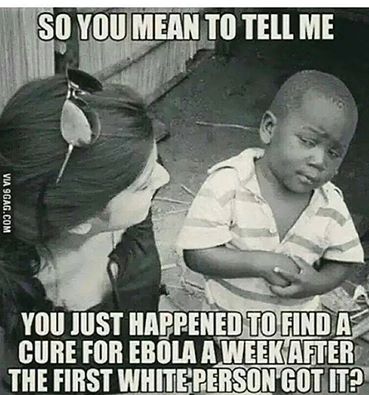
CU Blog - Stopping Ebola - Photo 1What a cute little boy in this photo…

Look at that sly look. It’s as if he just doesn’t understand why he is expected to believe the “nonsense”. He will not “drink the Kool-Aid”.

From the mouths of babes -The Bible; Matthew 21:16

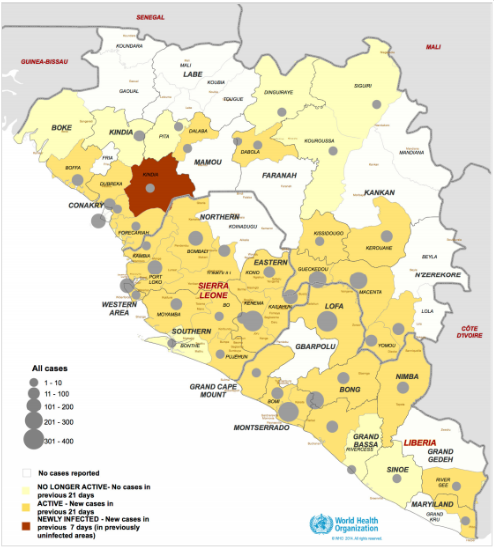
The below article by the Editorial Board of the Miami Herald newspaper seems to indicate that someone has been “drinking the Kool-Aid”. Ebola is not an American problem. As of this moment the figures reported by the World Health Organization is that 2,300 people have died during this recent spread of Ebola in West Africa (Sierra Leone, Liberia, Guinea and other neighboring countries). What’s more, that number afflicted is expected to rise to 20,000 by the end of November. What’s worse, 70% of the afflicted are expected to die, if nothing is done.

There is the need for leadership.

This editorial article therefore petitions for American leadership in this Ebola threat:

By: Miami Herald Editorial Board

CU Blog - Stopping Ebola - Photo 2 Rarely has the idea of the global village and the mantra that the world is one big neighborhood seemed as real as in the frightening case of the raging Ebola epidemic in Africa.

There was a time, not so long ago, that an outbreak of disease anywhere in the Third World would have seemed far removed from the daily concerns of Americans and the nation’s foreign-policy agenda. Safely protected from foreign plagues by vast oceans, U.S. leaders would not have felt compelled to order a rapid response along the lines announced last week by President Obama as a matter of self-protection.

There might have been a tardy and symbolic response, if any at all, but certainly it would not have been treated as a priority demanding presidential action, complete with a significant military deployment.

What makes Ebola different is the realization that the world is indeed smaller, that modern modes of transportation — with busier travel patterns and habits — have lowered the barriers against infection. In places like Miami, a major port of entry for overseas visitors, the threat is very real, and Ebola is a particularly scary virus.

The disease kills between 50 percent and 90 percent of people infected with the virus, and there is as yet no specific and effective treatment available. No vaccine exists. Senior U.N. officials say cases are rising at an almost exponential level, with 5,000 reported by the end of August and many more expected.

Officials in Africa are plainly scared, and should be. Over the weekend, the government in Sierra Leone confined the country’s entire population, some 6 million people, to their homes for three days, an action that one news report called “the most sweeping lockdown against disease since the Middle Ages.”

Some experts estimate that as many as 20,000 people could become infected before the epidemic is under control. Others said the number would be several times higher by year’s end.

“We don’t know where the numbers are going,” said Dr. Bruce Aylward, assistant director general of the World Health Organization. He said the virus was spreading faster than the (belated) escalation of the response by the international community.

Indeed, the international community could have responded more quickly, and more effectively. A major outbreak was reported in Guinea in March by WHO, but it was not until last week that President Obama announced action commensurate with the nature of the threat.

He ordered a deployment of medicine, equipment and soldiers to Liberia and Senegal. A contingent of 3,000 military personnel will help build emergency treatment centers and establish what Pentagon officials call “command and control” assistance to coordinate the overall effort with other countries. According to the White House, the Centers for Disease Control and Prevention has committed more than $100 million to the fight since the outbreak started, but months were lost before the alarm was sounded outside the borders of the affected countries.

As Mr. Obama explained, as a virus multiplies, it also mutates to fight human immunology and counter-measures. That adds to the urgency of the crisis and makes it imperative for the United   States to coordinate an effort on a scale large enough to make a difference.
Miami Herald Daily Newspaper (Posted 09-21-2014) – http://www.miamiherald.com/opinion/editorials/article2180670.html

Ebola is not an American problem but when American citizens have been afflicted, the US response has been inspiringly genius, deploying a potential cure within a week. (See caption on above photo). This is not the resume of a global leader, this is the resume of a nation playing favorites.

CU Blog - Stopping Ebola - Photo 3

The book Go Lean…Caribbean posits that the Caribbean region must promote its own interest and protect its own citizens. We cannot count on the US to pursue the Greater Good for the whole world, or the Caribbean for that matter. Assuredly, we must have our own preparation and response vehicle.

This is the goal of the Go Lean…Caribbean book.

The book serves as a roadmap for the introduction and implementation of that regional sentinel, the Caribbean Union Trade Federation (CU). The complete prime directives of the CU:

  • Optimize the economic engines of the Caribbean to elevate the regional economy.
  • Establish a security apparatus to protect the resultant economic engines.
  • Improve Caribbean governance to support these engines.

This CU roadmap declares that “Crap happens” (Page 23). The Go Lean roadmap immediately calls for the establishment of a Homeland Security Department, with an agency to practice the arts and sciences of Emergency Management. The emergencies include more than natural disasters (hurricanes, earthquakes, tsunamis, volcanoes, flooding, forest fires, and droughts), they include the man-made variety (industrial accidents, oil spills, factory accidents, chemical spills, explosions, terroristic attacks, prison riots) and epidemic threats. Of course, these types of emergencies, described in the foregoing article, require professional expertise, a medical discipline. Stopping Ebola therefore would require a hybrid response of the Emergency Management agency and the CU’s Department of Health Disease Control & Management agency. This agency of Medical experts would help contend with systemic threats of epidemic illness and infectious diseases.

The Go Lean roadmap immediately calls for the coordination of security monitoring and mitigation in the Caribbean; this point is declared early in the Go Lean book with a pronouncement in the Declaration of Interdependence (Page 12), as follows:

xvi. Whereas security of our homeland is inextricably linked to prosperity of the homeland, the economic and security interest of the region needs to be aligned under the same governance. …[to ensure] the functioning of the wheels of commerce for all the citizenry, the accedence of this Federation must equip the security apparatus with the tools and techniques for predictive and proactive interdictions.

The Go Lean roadmap calls for the integration of the viral sentinel responsibility of the 30 Caribbean member-states, despite the 4 different languages and 5 colonial legacies (American, British, Dutch, French, Spanish) into a Trade Federation with the tools/techniques to bring immediate change to the region to benefit one and all member-states. This includes the monitoring and epidemiological defense of common and emerging viruses. This empowered CU agency will liaison with foreign entities with the same scope, like the World Health Organization (WHO), and the US’s Center for Disease Control (CDC). The need for this empowerment had previously been discussed in a similar blog/commentary regarding the Chikungunya virus.

Embedded YouTube Video: https://www.youtube.com/watch?v=Ui8wMZpwnp0

Since the CU roadmap leads with economic reform, the primary economic driver of the region (tourism) would be a constant concern. A lot is at stake if the Ebola threat comes to Caribbean shores. The realization, or even the unsubstantiated rumor, of viral outbreaks can imperil the tourism product. We must therefore take proactive steps to protect our economic engines. So there are heavy responsibilities for the stewardship of the Caribbean economy, security and governing engines; the goal is to impact the Greater Good of the entire Caribbean region. There is the need for a Caribbean-based agency to do the heavy-lifting of epidemiology for the region – no such entity exists today.  The emerging CU will invite this role and will promote it as a community ethos.

The book details the community ethos, plus the executions of the following strategies, tactics, implementations and advocacies to impact the region’s public health security in protection of the economy:

Community Ethos – Privacy versus Public Protection Page 23
Community Ethos – “Crap” Happens Page 23
Community Ethos – Lean Operations Page 24
Community Ethos – Cooperatives Page 24
Community Ethos – Non-Government Organizations Page 25
Community Ethos – Ways to Improve Sharing Page 35
Community Ethos – Impact the Greater Good Page 37
Strategy – Vision – Confederate a Non-Sovereign Single Market Entity Page 45
Strategy – Customers – Residents & Visitors Page 47
Strategy – Agents of Change – Globalization Page 57
Tactical – Confederating a Permanent Union Page 63
Tactical – Fostering a Technocracy Page 64
Separation of Powers – Emergency Management Page 76
Separation of Powers – Disease Control & Management Page 86
Implementation – Ways to Pay for Change Page 101
Implementation – Security Initiatives at Start-up Page 103
Implementation – Ways to Deliver Page 109
Implementation – Ways to Foster International Aid Page 115
Implementation – Ways to Benefit from Globalization Page 119
Planning – Ways to Improve Failed-State Indices Page 134
Planning – Ways to Measure Progress Page 148
Advocacy – Ways to Grow the Economy Page 151
Advocacy – Ways to Improve Healthcare Page 156
Advocacy – Ways to Improve Governance Page 168
Advocacy – Ways to Better Manage the Social Contract Page 170
Advocacy – Ways to Foster Cooperatives Page 176
Advocacy – Ways to Improve for Natural Disasters Page 184
Advocacy – Ways to Improve Emergency Management Page 196

The foregoing news editorial assumes the US will be altruistic and only pursue the Greater Good for the rest of the world.

LOL…

Recent Go Lean blogs have reported that the US is still not an equal society for its own citizens; forget those in foreign lands looking to the US for leadership. See sample list here:

https://goleancaribbean.com/blog/?p=2297 A Lesson in US Racial History – Booker T versus Du Bois
https://goleancaribbean.com/blog/?p=2259 The Criminalization of American Business
https://goleancaribbean.com/blog/?p=2251 What’s In A Name… (American Job Discrimination for Minorities)
https://goleancaribbean.com/blog/?p=2183 A Textbook Case of Price-gouging
https://goleancaribbean.com/blog/?p=1896 The Unbalanced Crisis in Black Homeownership
https://goleancaribbean.com/blog/?p=1832 Many drug inmates who get break under new plan to be deported
https://goleancaribbean.com/blog/?p=1674 Obama’s Plans for $3.7 Billion Immigration Crisis Funds
https://goleancaribbean.com/blog/?p=1143 Health-care fraud in America; criminals take $272 billion a year
https://goleancaribbean.com/blog/?p=789 America’s War on the Caribbean
https://goleancaribbean.com/blog/?p=546 Book Review: ‘The Divide’ – American Injustice in the Age of the Wealth Gap
https://goleancaribbean.com/blog/?p=341 Hypocritical US slams Caribbean human rights practices
https://goleancaribbean.com/blog/?p=273 10 Things We Don’t Want from the US: #7 – Discrimination of Immigrants

The change now being fostered by this Go Lean roadmap (and blogs) is focused on the Caribbean member-states, not on the United States of America. The US is out-of-scope; the Caribbean, on the other hand is our home. According to the old adage: “charity begins at home”.

The region is hereby urged to lean-in to this Go Lean roadmap, to fulfill the vision of making the Caribbean region a better place to live, work and play.

Share this post:
, , , , , , ,
[Top]

Climate Change May Affect Food Supply Within a Decade

Go Lean Commentary

Don’t say you haven’t been warned! The apocalyptic effects of Climate Change may not be so far off, maybe even within the next decade. So says the foregoing article. For those of us on the front line, the Caribbean region, this is our warning siren for us to take immediate actions to “save life and limb”:

Title: Think Climate Change Is a Problem for the Future? Our Food System May Feel the Heat in a Decade
By: Steve Holt

CU Blog - Climate Change May Affect Food Within a Decade - Photo 2The new sci-fi thriller The Collapse of Western Civilization: A View From the Future depicts a world ravaged by climate change. Decades of ignoring signs of global warming have led “to soaring temperatures, rising sea levels, widespread drought,” and the collapse of the West Antarctic ice sheet, a catastrophic global disaster. It’s a terrifying fiction to consider—but one that, even in science fiction, seems far, far off. Collapse takes place in 2393, after all. Similarly, voters and politicians alike are prone to taking a far-off view when talking about climate change—it’s easy for some of us to procrastinate on acting because we believe any effects are 50 or more years away. The incremental changes happen so slowly, it seems: an extra powerful storm here or an inch of ice melt there.

But what if we felt the impact of our collective actions (and inactions) relating to climate change a lot sooner—like, by 2024?

Well, that far-off sci-fi tomorrow may indeed be here before we know it. Recently, a leading climate change observer made the scary prediction that climate change could disrupt the global food supply, endangering billions of humans, within the next decade.

“The challenges from waste to warming, spurred on by a growing population with a rising middle-class hunger for meat, are leading us down a dangerous path,” Rachel Kyte, World Bank Group vice president and special envoy for climate change, recently told the Crawford Fund 2014 annual conference in Canberra, Australia, according to the Sydney Morning Herald. “Unless we chart a new course, we will find ourselves staring volatility and disruption in the food system in the face, not in 2050, not in 2040, but potentially within the next decade.”

While we’re already talking about how climate change could take away our coffee [a] and our chocolate, there’s far more to this problem than higher prices for lattes and candy bars. Yields on staple crops could drop significantly, and meat prices are already on the rise thanks to the prolonged drought in the West. And our failure to stem the tide of human environmental destruction, experts say, will hit Americans hard in the pocketbook. Food shoppers here in the United States should expect a climate-induced rise in food prices as a result of more extreme weather events; crop failures due to weather warming that influences pests, diseases, and weeds; and related effects on fisheries and livestock. But while we’ll all feel the pain at the checkout, food price increases will disproportionately impact the nearly 15 percent of U.S. households that are food insecure [b], says Dr. Linda Berlin, director of the Center for Sustainable Agriculture at the University of Vermont.

“Americans who will be most negatively affected by these changes are those with the least disposable income, i.e., little ability to absorb the extra costs,” she says.

Kyte—who oversees work on climate change adaptation and mitigation and climate finance taking place across World Bank Group institutions—pointed to a number of factors that are exacerbating the oncoming food crisis, including a rising demand for meat worldwide, land clearing and increased greenhouse gas emissions from livestock, and threats to low-lying areas from rising sea levels. Air temperatures could increase 2 degrees by the mid-2030s, she says, which could cut cereal yields by 20 percent worldwide and 50 percent in Africa.

Kyte’s analysis coincides with the draft of an upcoming United Nations report [c], released in August, in which the international panel of scientists expresses 95 to 100 percent certainty that human activity is the primary cause of global warming. Additionally, according to the report, greenhouse gas emissions are increasing, despite far-reaching political efforts to reduce them. Between 2000 and 2010, emissions grew at 2.2 percent annually, up from growth of 1.3 percent yearly between 1970 and 2000.

Food shortages have led to riots in other countries, and that kind of hunger-related violence is always cast as an “over-there” sort of problem. But that’s partly because of our “giant safety net program—SNAP (food stamps)—which most countries don’t have,” as Stanford professor Rosamond Naylor told several hundred scientists and California Gov. Jerry Brown last December [d].

With $8.6 billion cut from the program in the 2014 farm bill [e], that safety net isn’t faring all that well.
—————————————————-
Cited References:
a. http://www.takepart.com/article/2014/05/19/federal-cash-coffee-rust
b. http://www.ers.usda.gov/publications/err-economic-research-report/err155.aspx#.VADQkmRdWa4 c.http://www.nytimes.com/2013/08/20/science/earth/extremely-likely-that-human-activity-is-driving-climate-change-panel-finds.html?pagewanted=all&_r=0
d. http://woods.stanford.edu/news-events/news/climate-change-threatens-food-security-stanford-professor-warns
e. http://www.takepart.com/article/2014/02/05/2014-farm-bill

Yahoo News / Takepart.com e-Zine (Posted 09-02-2014) –
http://news.yahoo.com/think-climate-change-problem-future-food-system-may-000721066.html;_ylt=AwrBEiTNFApULVYAgIbQtDMD

The foregoing article is asserting that Climate Change may not just be our grandchildren’s problem alone; it is an issue for us, and even our parents. The risks and threats associated with this agent-of-change must therefore be mitigated now! The book Go Lean…Caribbean identifies this impending crisis and then declares that “a crisis is a terrible thing to waste”, calling for the establishment of a regional sentinel to monitor, mitigate and manage the effects of Climate Change on the region’s economic, security and governing engines. According to the foregoing article, which considers near-term projections on the world’s food supply systems, this will be a global crisis; the rest of the world will have to contend with these same issues.

This Go Lean book serves as a roadmap for the introduction and implementation of the technocratic Caribbean Union Trade Federation (CU). The prime directives of this agency are described as:

  • Optimize the economic engines of the Caribbean to elevate the regional economy to grow to $800 Billion and create 2.2 million new jobs.
  • Establish a security apparatus to protect the resultant economic engines.
  • Improve Caribbean governance to support these engines.

The Go Lean roadmap calls for the establishment of an Emergency Management agency (subset of the CU’s Homeland Security Department) so as to adopt the professional arts and sciences of Public Safety & Emergency Management. The emergencies within this scope will include natural disasters like hurricanes, flooding, forest fires, and droughts, all which can affect the food supply systems, even fisheries. The Caribbean Emergency Management Agency would therefore need to coordinate and plan with other CU Departments and member-state agencies in a proactive manner to anticipate the needs of the Caribbean region; this will include the CU Departments of Health (Food & Nutrition Administrations), Agriculture & Fisheries.

A lot is at stake with this consideration – life and death – our ability to feed our populations.

CU Blog - Climate Change May Affect Food Within a Decade - Photo 1Not everyone accepts these precepts – vocal deniers of Climate Change abound! But, recent natural disasters have devastated the region and do not allow us the luxury of dissent in our planning. We can see, hear, touch, taste and feel the effects of Climate Change now in our region. It is an Inconvenient Truth.

The Go Lean book reports that Climate Change is wreaking havoc on Caribbean life now; (the Bahamas 2nd city, Freeport, never fully recovered from Category 4 Hurricane Wilma in 2004, even now). Today, this foregoing news article identifies even more serious risks, this time for the world’s food supply. Due to globalization and the status as Small Island Developing States, today’s story becomes an alarming issue for the Caribbean as our region disproportionally depends on imports for our food supply. These agents-of-change (Climate Change & Globalization) were pronounced early in the book in the Declaration of Interdependence (Page 11 & 14), with these statements:

i.     Whereas the earth’s climate has undeniably changed resulting in more severe tropical weather storms, it is necessary to prepare to insure the safety and security of life, property and systems of commerce in our geographical region. As nature recognizes no borders in the target of its destruction, we also must set aside border considerations in the preparation and response to these weather challenges.

xxx. Whereas the effects of globalization can be felt in every aspect of Caribbean life, from the acquisition of food and clothing, to the ubiquity of ICT, the region cannot only consume, it is imperative that our lands also produce and add to the international community, even if doing so requires some sacrifice and subsidy.

To counteract the changes in nature, the Go Lean book advocates the immediate confederation of the 30 member-states into a Trade Federation with the tools/techniques to bring immediate change to the region to benefit one and all member-states. This includes the monitoring of the dynamics of Climate Change. While the region’s total population is only 42 million, compared to the whole world’s 6 Billion, we can still have an impact. We must still feed ourselves; we can show the world how best to accomplish this as Small Island Developing States. As the world seeks answers, they will have our technocratic example to glean from.

We cannot not expect anyone but ourselves to take the lead for our solutions. Other countries, like the US, have Climate Change deniers-and-detractors in the highest levels of government – this is not a model for us to emulate. Previous Go Lean blogs have cited this trend, as cited in the following sample:

https://goleancaribbean.com/blog/?p=2119 Cooling Effect – Oceans and the Climate
https://goleancaribbean.com/blog/?p=1883 Climate Change May Bring More Kidney Stones
https://goleancaribbean.com/blog/?p=1817 Caribbean grapples with intense new cycles of flooding & drought
https://goleancaribbean.com/blog/?p=926 Conservative heavyweights have solar industry in their sights
https://goleancaribbean.com/blog/?p=915 Go ‘Green’ … Caribbean

The Caribbean does not have the luxury of a laissez-faire attitude – No Problem Mon – towards Climate Change as we are on the frontline of these dilemmas. Instead the Go Lean book declares that we must adopt a community ethos, the appropriate attitude/spirit, to forge change in our region; then details the executions of the following strategies, tactics, implementations and advocacies to better impact the region’s preparation for food resources, especially considering the consequences from Climate Change:

Community Ethos – Deferred Gratification Page 21
Community Ethos – Economic Systems Influence Individual Choices / Incentives Page 21
Community Ethos – The Consequences of Choices Lie in the Future Page 21
Community Ethos – Intelligence Gathering Page 23
Community Ethos – “Crap” Happens Page 23
Community Ethos – Lean Operations Page 24
Community Ethos – Cooperatives Page 24
Community Ethos – Non-Government Organizations Page 25
Community Ethos – Ways to Impact the Future Page 26
Community Ethos – Ways to Improve Sharing Page 35
Community Ethos – Impact the Greater Good Page 37
Strategy – Vision – Confederating 30 Member-States into a Single Market Page 45
Strategy – Vision – Foster Local Economic Engines Food, Clothing &   Shelter Page 45
Strategy – Mission – Prepare   for Natural Disasters Page 45
Strategy – Mission – Exploit   the Benefits and Opportunities of Globalization Page 46
Strategy – Agents of Change – Climate Change Page 57
Strategy – Agents of Change – Globalization Page 57
Tactical – Confederating a Permanent Union Page 63
Tactical – Fostering a Technocracy Page 64
Separation of Powers – Emergency Management Page 76
Separation of Powers – Meteorological & Geological Service Page 79
Separation of Powers – Food & Nutritional Administration Page 87
Separation of Powers – Agriculture and Fisheries Department Page 88
Implementation – Ways to Pay for Change Page 101
Implementation – Security Initiatives at Start-up – Unified Command & Control Page 103
Implementation – Ways to Deliver Page 109
Implementation – Ways to Foster International Aid Page 115
Implementation – Ways to Benefit from Globalization Page 119
Planning – Ways to Make the Caribbean Better Page 131
Advocacy – Ways to Grow the Economy Page 151
Advocacy – Ways to Better Manage Food Page 162
Advocacy – Ways to Improve Governance Page 168
Advocacy – Ways to Better Manage the Social Contract Page 170
Advocacy – Ways to Foster Cooperatives Page 176
Advocacy – Ways to Improve for Natural Disasters Page 184
Advocacy – Ways to Improve Emergency Management Page 196
Advocacy – Ways to Improve Fisheries Page 210
Appendix – History of Puerto Rican Migration to US & Effects of Hurricanes Page 303
Appendix – US Virgin Islands Economic Timeline with Hurricane Impacts Page 305

The foregoing news article discusses the threats of Climate Change on the world’s food supply…soon, within the next decade. We have no time to relax, no time to debate, we must get ready now.

Remember the Bible drama of Joseph interpreting Pharaoh’s dreams as warning of an impending great famine. The shrewd course of action for Joseph and Pharaoh was to plan/prepare the food supplies for the forthcoming lean years – Genesis Chapter 40 – 41.

From the Caribbean perspective, our only observation on this drama can be: Ditto!

Change has come to our region; more devastating change is imminent. There is the need for a permanent union – a sentinel – to provide efficient stewardship for Caribbean economy, security and governing engines. The Go Lean…Caribbean posits that the problems of this region are too big for just any one member-state to tackle, but rather this multi-state technocratic administration may be our best solution.

The people and institutions of the region are hereby urged to lean-in to this Go Lean roadmap, to embrace the mitigations for the impending world changes. Let’s make the Caribbean better; a better place to live-work-play today and even more so tomorrow.

Download the book Go Lean … Caribbean – now!

Share this post:
, ,
[Top]

Recessions and Public Health

Go Lean Commentary

A man needs three things to be happy: something to do, someone to love and something to hope for – declares the book Go Lean… Caribbean (Page 36).

CU Blog - Recessions and Public Health - Photo 1In this vein, there is a whole field of study referred to as Public Health Economics, a subset of Econometrics. One champion of this field is the European Public Health Association or EUPHA; this is an international, multidisciplinary, scientific organization, bringing together around 14,000 public health experts for professional exchange and collaboration throughout Europe. They encourage a multidisciplinary approach to public health. Imagine a group studying the link between a failing economy and increased medical ailments.

While the logical connection of economy-stress-illness may be common sense, the quantification of actual ailments is a science… and art.

The book Go Lean … Caribbean is not a book of science, but gleans from scientific concepts in communicating the plan to elevate Caribbean society. The book focus on economics, and relates that the resultant societal engines can be seriously impacted by public safety/health threats. The book thusly serves as a roadmap for the introduction and implementation of a regional sentinel for public health, the technocratic Caribbean Union Trade Federation (CU). The complete prime directives are described as:

  • Optimize the economic engines of the Caribbean to elevate the regional economy.
  • Establish a security apparatus to protect the resultant economic engines.
  • Improve Caribbean governance to support these engines.

The Go Lean roadmap immediately calls for the establishment of a federal Health Department, with a charter to manage the health care and medical dimensions of the Caribbean, in conjunction with, and on behalf of the member-states. This charter will include mental health in its focus, just as serious as any other areas (cancer, trauma, virus, immunizations). This direct correlation of physical and mental health issues with the economy, in this foregoing article, thusly depicts the need for this charter:

Subtitle: The impact of downturns on physical and mental health

Exam results capture pupils’ achievements but not their enjoyment of learning. Life expectancy does not say anything about quality of life. Similarly, statistics on unemployment rates and wage levels do not tell the full story of recessions. Social scientists are increasingly interested in the effects of downturns on public health.

These effects are unclear. There is some evidence that physical health may actually improve in downturns. One paper by Christopher Ruhm[a], now of the University of Virginia, looking at American data from 1972 to 1991, suggests that a one-percentage-point increase in unemployment reduced mortality by 4.6 deaths per 100,000 people. “With shorter working hours, people spend more time at home with their families and may be less stressed from overwork,” suggests Stephen Bezruchka of the University of Washington.

But there is also evidence that big economic crises are correlated with a deterioration in health. The Depression of the 1930s was associated with increases in malnutrition because people had less money to spend on food. In 1928, 14% of adults over 20 in Philadelphia were deemed to be suffering from malnutrition. By 1932 the figure had risen to 26%.

Social scientists are now scouring public-health data for clues about the impact of the recent crisis. A National Bureau of Economic Research paper [b] found that in America there has been a 4.8% increase in the likelihood of self-reported poor health for every one-percentage-point drop in state employment rates.

Some diseases have become more prevalent. In Greece incidence of HIV has risen, with a 50% increase in new infections in 2011 compared with 2010. The jump has been concentrated among injecting drug-users, and has been linked to large cuts to health services. Needle-exchange projects have been pared back, making transmission more likely.

CU Blog - Recessions and Public Health - Photo 2Mental health does appear to suffer during downturns. Mr Ruhm’s work found that suicide rates rose with unemployment. The East Asian crisis of the late 1990s was marked by a spate of suicides: in Hong Kong, Japan and South Korea the crisis was responsible for 10,400 more suicides in 1998 than might normally have been expected. Research on Spain indicates that in the current crisis the suicide rate has increased by 8%. The rise is concentrated among people who are most likely to have lost their job.

Working out how health is affected by recessions is made harder by time lags. Job insecurity may lead people to the bottle, which will have repercussions later. A recent paper co-authored by Paul Frijters at the University of Queensland[c] found that the latest recessionary period was associated with an almost 20% increase in alcoholism-related Google searches in America. Higher alcohol abuse today will worsen health outcomes over time.

Obesity is another slow-burning health problem. Higher unemployment leads to lower incomes, which can make it more difficult for people to eat well. Research from the University of Nebraska finds that “financial stress”—not being able to pay for essentials such as food or rent—is a strong predictor of obesity. In Australia the risk of being obese in 2010 was 20% higher among individuals who experienced financial stress in 2008 and 2009 than among those who did not experience it in either year. Policymakers should keep an eye on this growing body of research for guidance on how to marshal health-care resources when economies fall ill.

Sources

The effect of the late 2000s financial crisis on suicides in Spain: an interrupted time-series analysis“, by J. A. L. Bernal, A. Gasparrini, C.M. Artundo and M. McKee, The European Journal of Public Health, 2013

More Than 10,000 Suicides Tied To Economic Crisis, Study Says“, by Melanie Haiken, Forbes Magazine, quoting study published in June (2014) in the British Journal of Psychiatry.

Was the economic crisis 1997–1998 responsible for rising suicide rates in East/Southeast Asia? A time–trend analysis for Japan, Hong Kong, South Korea, Taiwan, Singapore and Thailand“, by S.S. Chang, D. Gunnell, J.A. Sterne, T.H. Lu and A.T. Cheng, Social science & medicine, 2009

Decomposing the Relationship between Macroeconomic Conditions and Fatal Car Crashes during the Great Recession: Alcohol-and Non-Alcohol-Related Accidents“, by C. Cotti and N. Tefft, The BE Journal of Economic Analysis & Policy, 2011

Exploring the relationship between macroeconomic conditions and problem drinking as captured by Google searches in the US“, by P. Frijters, D.W. Johnston, G. Lordan and M.A. Shields, Social science & medicine, 2013

Financial crisis and austerity measures in Greece: Their impact on health promotion policies and public health care“, by A.A. Ifanti, A.A. Argyriou, F.H. Kalofonou and H.P. Kalofonos, Health Policy, 2013

Is Malnutrition Increasing?“, by E. Jacobs, American Journal of Public Health and the Nation’s Health, 1933

HIV-1 outbreak among injecting drug users in Greece, 2011: a preliminary report“, by D. Paraskevis, G. Nikolopoulos, C. Tsiara, D. Paraskeva, A. Antoniadou, M. Lazanas, P. Gargalianos, M Psychogiou, M. Malliori, J. Kremastinou and A Hatzakis, Euro Surveill, 2011

Are recessions good for your health?“, by C.J. Ruhm, The Quarterly Journal of Economics, 2000

Prolonged financial stress predicts subsequent obesity: Results from a prospective study of an Australian national sample“, by M. Siahpush, T.T.K. Huang, A. Sikora, M. Tibbits, R.A. Shaikh, G.K. Singh, Obesity, 2013

Health and Health Behaviors during the Worst of Times: Evidence from the Great Recession“, by E. Tekin, C. McClellan and K.J. Minyard, National Bureau of Economic Research, 2013

Appendix – Cited References:
a. Retrieved August 21, 2014 from: http://libres.uncg.edu/ir/uncg/f/C_Ruhm_Are_2000.pdf
b. Retrieved August 21, 2014 from: http://www.nber.org/papers/w19234
c. Retrieved August 21, 2014 from: http://www.york.ac.uk/media/economics/13_02.pdf

The Economist Magazine (Posted 08-24-2013; retrieved 08-21-2014) –
http://www.economist.com/news/finance-and-economics/21584020-impact-downturns-physical-and-mental-health-body-research

Consider these crises:

  • Suicides
  • Alcoholism
  • Drug Abuse (Prescription & Illegal Street Varieties)
  • Rage

No one wants to live in a society where these mental health crises remain unmitigated. But the foregoing article relates that increases in many physical ailments (HIV, malnutrition, obesity, etc) also constitute a crisis. The book declares that “a crisis is a terrible thing to waste”, so the required mitigations start with this Go Lean roadmap.

A lot is at stake – from a declining quality of life all the way to early death.

The Go Lean roadmap immediately calls for the coordination of the region’s healthcare needs. This point is declared early in the Go Lean book, commencing with this opening pronouncement in the Declaration of Interdependence (Page 12), as follows:

ix.  Whereas the realities of healthcare … cannot be ignored and cannot be afforded without some advanced mitigation, the Federation must arrange for health plans to consolidate premiums of both healthy and sickly people across the wider base of the entire Caribbean population. The mitigation should extend further to disease management, wellness, obesity and smoking cessation programs.

There is no doubt that the Great Recession devastated Caribbean economies, but what were the affects on the region’s physical and mental health? If we want to minimize the “push-and-pull” factors that lead people to emigrate, we must answer this question very thoughtfully, then be prepared for the next crisis. This point was also anticipated in a further pronouncement in the Declaration of Interdependence (Page 13), as follows:

xxv.   Whereas the legacy of international democracies had been imperiled due to a global financial crisis, the structure of the Federation must allow for financial stability and assurance of the Federation’s institutions. To mandate the economic vibrancy of the region, monetary and fiscal controls and policies must be incorporated as proactive and reactive measures. These measures must address threats against the financial integrity of the Federation and of the member-states.

Go Lean … Caribbean therefore constitutes a change for the Caribbean. This is a roadmap to consolidate 30 member-states of 4 different languages and 5 colonial legacies (American, British, Dutch, French, Spanish) into a Trade Federation with the tools/techniques to bring immediate change to the region to benefit one and all member-states. This includes the monitoring/tracking/studying the physical and mental health trends. This empowered CU agency will liaison with non-governmental organizations (NGOs) and agencies like EUPHA, plus other foreign entities with the similar scope, like the US’s Center for Disease Control (CDC) and the World Health Organization (WHO).

The book details that there must first be adoption of such a community ethos, the appropriate attitude/spirit to forge change in the region. Go Lean details this and other ethos; plus the executions of the following strategies, tactics, implementations and advocacies to impact the region’s public health:

Community Ethos – Deferred Gratification Page 21
Community Ethos – Economics Influence Choices Page 21
Community Ethos – Privacy versus Public Protection Page 23
Community Ethos – “Crap” Happens Page 23
Community Ethos – Lean Operations Page 24
Community Ethos – Cooperatives Page 24
Community Ethos – Non-Government Organizations Page 25
Community Ethos – Ways to Improve Sharing Page 35
Community Ethos – Ways to Promote Happiness Page 36
Community Ethos – Impact the Greater Good Page 37
Strategy – Vision – Confederate 30 Member-States Page 45
Strategy – Mission – Reform   our Health Care Response Page 47
Strategy – Agents of Change – Aging Diaspora Page 57
Tactical – Fostering a Technocracy Page 64
Separation of Powers – Department of Health Page 86
Implementation – Ways to Deliver Page 109
Planning – Ways to Model the EU Page 130
Planning – Ways to Make the Caribbean Better Page 131
Planning – Ways to Measure Progress Page 148
Advocacy – Ways to Grow the Economy Page 151
Advocacy – Ways to Improve Healthcare Page 156
Advocacy – Ways to Impact Cancer Page 157
Advocacy – Ways to Better Manage the Social Contract Page 170
Advocacy – Ways to Foster Cooperatives Page 176
Advocacy – Ways to Improve Emergency Management Page 196
Appendix – Disease Management – Healthways Model Page 300
Appendix – Trauma Center Definitions Page 336

The foregoing news article links economic downturns to physical and mental health ailments – there is no denying. There is need for a permanent union to provide efficient stewardship for the Caribbean economy, security and governing engines – plus serve as a Health and Medical Sentinel.

Who will be that Sentinel? The Caribbean Union Trade Federation hereby submits for this job. The region’s stakeholders (people and institutions) are hereby urged to lean-in to this Go Lean roadmap, to make the Caribbean a better place to live, work, heal and play.

Share this post:
, , ,
[Top]

Climate Change May Bring More Kidney Stones

Go Lean Commentary:

CU Blog - Climate Change May Bring More Kidney Stones - PhotoThe subject in the foregoing news article just cannot be ignored: Climate Change and personal health.

While this report was published by undisputed technocratic professionals, the Children’s Hospital of Philadelphia (CHOP), the publishers of the book Go Lean…Caribbean had engaged a similar analysis methodology: assessments based on hard evidence – number crunching (Big Data) and anecdotes – to reach their conclusions in the book that the Caribbean is in a state of crisis.

Both analyses are now aligned!

This subject of damaging health effects deriving from Climate Change aligns with Go Lean … Caribbean, as it posits that there are agents of change, including Climate Change, that the region is struggling to contend with, and that the negative consequences are already manifesting themselves in everyday Caribbean life, but the region as a whole and individual member-states, are not able, willing or equipped to mitigate the associated risks. The book portrays that the appropriate response requires heavy-lifting, and therefore proposes the Caribbean Union Trade Federation (CU) as a technocratic solution. The book serves as a roadmap for the introduction and implementation of the CU. This Go Lean roadmap describes the CU as the best solution for a concerted Caribbean response.

The CHOP research is published as follows:

CHOP-Led Research Finds Link between Hotter Days, Kidney Stones in U.S. Adults and Children
Contact: Ashley Moore, The Children’s Hospital of Philadelphia, 267-426-6071 or MooreA1@email.chop.edu

As daily temperatures increase, so does the number of patients seeking treatment for kidney stones. In a study that may both reflect and foretell a warming planet’s impact on human health, a research team found a link between hot days and kidney stones in 60,000 patients in several U.S. cities with varying climates.

“We found that as daily temperatures rise, there is a rapid increase in the probability of patients presenting over the next 20 days with kidney stones,” said study leader Gregory E. Tasian, MD, MSc, MSCE, a pediatric urologist and epidemiologist at The Children’s Hospital of Philadelphia (CHOP), who is on the staff of the Hospital’s Kidney Stone Crenter as well as the Hospital’s Center for Pediatric Clinical Effectiveness (CPCE).

Tasian, senior author Ron Keren, MD, MPH, also of CHOP and CPCE, and colleagues from other centers published their results today in Environmental Health Perspectives, the journal of the National Institute of Environmental Health Sciences. The Urologic Diseases in America Project, supported by the National Institute of Diabetes and Digestive and Kidney Diseases, sponsored the study.

The study team analyzed medical records of more than 60,000 adults and children with kidney stones between 2005 and 2011 in Atlanta, Chicago, Dallas, Los Angeles and Philadelphia, in connection with weather data. Tasian and colleagues described the risk of stone presentation for the full range of temperatures in each city. As mean daily temperatures rose above 50 F (10 C), the risk of kidney stone presentation increased in all the cities except Los Angeles. The delay between high daily temperatures and kidney stone presentation was short, peaking within three days of exposure to hot days.

Link between kidney stones and high temperatures
“These findings point to potential public health effects associated with global climate change,” said Tasian. “However,” cautions Tasian, “although 11 percent of the U.S. population has had kidney stones, most people have not. It is likely that higher temperatures increase the risk of kidney stones in those people predisposed to stone formation.” Higher temperatures contribute to dehydration, which leads to a higher concentration of calcium and other minerals in the urine that promote the growth of kidney stones.

A painful condition that brings half a million patients a year to U.S. emergency rooms, kidney stones have increased markedly over the world in the past three decades. While stones remain more common in adults, the numbers of children developing kidney stones have climbed at a dramatically high rate over the last 25 years. The factors causing the increase in kidney stones are currently unknown, but may be influenced by changes in diet and fluid intake. When stones do not pass on their own, surgery may be necessary.

The study team also found that very low outdoor temperatures increased the risk of kidney stones in three cities: Atlanta, Chicago and Philadelphia. The authors suggest that as frigid weather keeps people indoors more, higher indoor temperatures, changes in diet and decreased physical activity may raise their risk of kidney stones.

The researchers argue that the number of hot days in a given year may better predict kidney stone risk than the mean annual temperature. Atlanta and Los Angeles share the same annual temperature (63 F, or 17 C), but Atlanta has far more hot days than Los Angeles, along with nearly twice the prevalence of kidney stones.

Tasian added that while the five U.S. cities have climates representative of those found throughout the world, future studies should explore how generalizable the current findings are. Other studies should analyze how risk patterns vary in different populations, including among children, represented by a small sample size in the current study.

Global warming trend and kidney stone prevalence
The study’s broader context is in patterns of global warming. The authors note that other scientists have reported that overall global temperatures between 2000 and 2009 were higher than 82 percent of temperatures over the past 11,300 years. Furthermore, increases in greenhouse gas emissions are projected to raise earth’s average temperatures by 2 to 8 F (1 to 4.5 C) by 2100. “Kidney stone prevalence has already been on the rise over the last 30 years, and we can expect this trend to continue, both in greater numbers and over a broader geographic area, as daily temperatures increase,” concluded Tasian. “With some experts predicting that extreme temperatures will become the norm in 30 years, children will bear the brunt of climate change.”

More information:
Funds from the National Institutes of Health (grants HD060550 and DK70003), supported this study, along with a research fellowship from the Medical Research Council, U.K. In addition to their CHOP titles, Tasian and Keren are on the faculty of the Perelman School of Medicine at the University of Pennsylvania.

Co-authors of the study are Christopher Saigal, MD, MPH, of UCLA who is a co-principal investigator of the Urologic Diseases in America Project; Antonio Gasparrini, PhD, of the London School of Hygiene and Tropical Medicine; Benjamin Horton, PhD, of Rutgers University; Rodger Madison, MA, of the RAND Corporation; and Jose Pulido, MD, and J. Richard Landis, PhD, both of the University of Pennsylvania.

Taisan GE et al, “Daily Mean Temperature and Clinical Kidney Stone Presentation in Five U.S. Metropolitan Areas: A Time Series Analysis,” Environmental Health Perspectives, published July 10, 2014.
Children’s Hospital of Philadelphia Web Site – Retrieved 07-28-2014
http://www.chop.edu/news/climate-change-may-bring-more-kidney-stones.html

Considering the evidence published in the foregoing article, this is the immediate response that comes to mind:

It is what it is!

While there continues to be deniers and detractors of Climate Change, these first responders treating the ailments in hospitals do not have the luxury of “burying their head in the sand”, especially when a suffering patient (many times a child) is begging for relief. They must simply provide care and count the tally later. The foregoing article is that tally.

Debate over!

The same applies to the Caribbean. The region is arguably the best address on the planet, but there are constant climate-driven threats, especially during the annual hurricane seasons. After each storm’s landfall, there are repercussions and consequences in which commerce systems get disrupted and economic engines are curtailed. The end result, after consistent periods of “famine”, many residents seek to flee because of these challenging economic conditions.

Something is clearly wrong climate-wise and must be addressed. According to the foregoing article, patients (including children) in the United States are not spared from Climate Change. The Caribbean is not spared either. While the Caribbean itself cannot unilaterally fix the problems of Climate Change, we can better prepare for the negative consequences:

Respond
Rebuild
Recover

The Go Lean roadmap specifies where we are as a region (losing 70% brain drain among the college educated; no preparation for spikes in health crises like kidney stones), where we want to go (elevation of Caribbean society in the homeland for all citizens to dissuade migration and provide public health mitigations) and how we plan to get there – confederating as a Single Market entity. While the Go Lean book strategizes a roadmap for economic empowerment, it clearly relates that healthcare and disaster management are germane to the Caribbean quest for health, wealth and happiness. At the outset of the Go Lean book, in the Declaration of Interdependence (Page 11), these points are pronounced:

i.     Whereas the earth’s climate has undeniably changed resulting in more severe tropical weather storms, it is necessary to prepare to insure the safety and security of life, property and systems of commerce in our geographical region. As nature recognizes no borders in the target of its destruction, we also must set aside border considerations in the preparation and response to these weather challenges.

ix.      Whereas the realities of healthcare and an aging population cannot be ignored and cannot be afforded without some advanced mitigation, the Federation must arrange for health plans to consolidate premiums of both healthy and sickly people across the wider base of the entire Caribbean population. The mitigation should extend further to disease management, wellness, obesity and smoking cessation programs. The Federation must proactively anticipate the demand and supply of organ transplantation as developing countries are often exploited by richer neighbors for illicit organ trade.

The Caribbean Union Trade Federation has the prime directive of optimizing the economic, security and governing engines of the region. The foregoing article/VIDEO depicts the Big Data analysis that needs to be performed on behalf of Caribbean society. The roadmap specifies both a Commerce Department (Econometrics) and a Health Department in the Separation-of-Power dictum.

There is also the priority on Research & Development (R&D) placed in the foregoing article. The roadmap describes this focus as a community ethos. Then it goes on to stress that the CU must promote the community ethos that R&D is valuable and must be incentivized for adoption. The following list details additional ethos, strategies, tactics, implementations and advocacies to optimize the region’s health deliveries:

Community   Ethos – Economic Systems Influence Individual Choices Page 21
Community   Ethos – The Consequences of Choices Lie in the Future Page 21
Community   Ethos – “Crap” Happens Page 23
Community   Ethos – Cooperatives Page 25
Community   Ethos – Non-Government Organizations Page 25
Community   Ethos – Ways to Impact Research & Development (R&D) Page 30
Community   Ethos – 10 Ways to Promote Happiness Page 36
Community   Ethos – Ways to Impact the Greater Good Page 37
Strategy – Integrate   and unify region in a Single Market Page 45
Strategy – Agents of   Change – Climate Change Page 57
Tactical – Fostering a   Technocracy Page 64
Tactical – Separation   of Powers – Commerce Department – Econometrics Page 79
Tactical – Separation   of Powers – Health Department Page 86
Implementation   – Ways to Pay for Change Page 101
Implementation   – Ways to Implement   Self-Government Entities – R&D Page 105
Implementation   – Ways to Deliver Page 109
Planning –    Ways to Make the Caribbean Better Page 131
Advocacy –   Ways to Improve Healthcare Page 156
Advocacy –   Ways to Better Manage the Social Contract Page 170
Advocacy –   Ways Foster Cooperatives Page 176
Advocacy –   Ways to Improve for Natural Disasters Page 184
Advocacy –   Ways to Improve Emergency Management Page 196
Advocacy –   Ways to Impact Foundations Page 219
Advocacy –   Ways to Improve Elder-Care Page 225
Advocacy –   Ways to Impact Youth – Healthcare Page 227
Advocacy –   Ways to Impact Persons with Disabilities Page 228
Appendix – Emergency Management – Trauma Centers Page 336

In fact, the foregoing news/VIDEO story depicted analysis administered by the Children’s Hospital of Philadelphia (CHOP).  This institution has undisputed credentials and credibility, being ranked, by US News & World Report magazine, as the #1 Children’s Hospital in the country [a]. This recognition means that they, CHOP, must be doing things right!

This is a great model for Caribbean society – we too, must do things right.

Technocratic = doing things right!

The Go Lean roadmap posits that more analysis will emerge as a direct result of the CU prioritization on science, technology, engineering and medical (STEM) activities on Caribbean R&D campuses and educational institutions.

This is the heavy-lifting that the CU is designed to bear. Anyone can be afflicted with kidney stones – a painful disorder. Now, obviously, with indisputable Climate Change, these afflictions are becoming more commonplace; the CU, and all Caribbean institutions, must now do things right. This is the Greater Good.

Download the book Go Lean … Caribbean – now!

——————————————————————————————————————————–

Appendix a – Citation References:

Ranked #1 in the United   States – U.S. News & World Report

An important measure of the quality of children’s hospitals in the U.S. is the yearly rankings provided by a magazine called U.S. News & World Report. For the 2014-15 rankings, the magazine surveyed 183 pediatric centers for data about 10 specialties and asked 150 pediatric specialists in each specialty where they would send the sickest children.

The Children’s Hospital of Philadelphia (CHOP) shared the number one spot on the U.S. News Honor Roll, and ranked in the top four in the nation for every pediatric specialty evaluated.

CHOP was recognized for excellence in the following specialties:

Cancer
Cardiology and Heart Surgery
Diabetes and Endocrinology
Gastroenterology
Orthopedics
Neonatology
Nephrology and Kidney Diseases
Neurology and Neurosurgery
Pulmonology
Urology

Source: The Children’s Hospital of Philadelphia – About Us. Retrieved from http://www.chop.edu/service/international-medicine/international-patient-services/about-chop/home.html


Share this post:
, ,
[Top]

The World as 100 People – Showing the Gaps

Go Lean Commentary

Blood, sweat and tears…

These are the triumvirate ingredients that forged many movements in the history of mankind.

Now comes the book Go Lean…Caribbean, serving as a roadmap for the introduction and implementation of the Caribbean Union Trade Federation (CU) to elevate Caribbean society. This movement calls for a new triumvirate: time, talent and treasury, to effect change in the Caribbean region. The book posits that all Caribbean stakeholders (residents, institutions, students, Diaspora) have to devote a measure of these three ingredients.

But not a full measure… this is not war; this is social change…and philanthropy.

The Go Lean book asserts a roadmap for economic/security/governing empowerment; but it also clearly relates that many social aspects of Caribbean life will be un-addressed by the CU. There will be voids and gaps that NGO’s (Non-Government Organizations) are called on to fill. This accompanying chart shows the “World as 100 People”, a picturesque presentation of the significant categories of factors present (and absent) in the world “as a whole”:

CU Blog - The World as 100 People - Photo 1

Click on Image to Enlarge.

This chart was published by the Bill & Melinda Gates Foundation, one of the NGO’s that the CU should solicit for Caribbean participation. This foundation was instituted by Information Technology Innovator and Microsoft founder Bill Gates. His foundation sets out to make a permanent impact on the world; guided by the belief that every life has equal value; this foundation works to help all people lead healthy, productive lives. The successful execution of this charter would fill the voids/gaps in the Caribbean social contract.

The Gates Foundation has a specific charter for education/libraries, health-advocacies, children, women, the elderly and the disabled. See the foundation Profile in the photo here. CU Blog - The World as 100 People - Photo 2

The Go Lean roadmap invites NGO’s, like the Gates Foundation, to impact the Caribbean according to their charters. While forging change in the Caribbean is the responsibility of the Caribbean, we must be open to ask for help, to accept the help, and respond to the help being offered. This is a mission of the CU.

Under the Go Lean roadmap, the structure is put in place to include the contributions of the time, talent, and treasuries of NGOs/foundations. One feature of the Go Lean roadmap involves Self-Governing Entities (SGE’s); some of which may be structured as NGO’s. The following list details other community ethos, strategies, tactics, implementations and advocacies to optimize the region’s public/private cooperation and endeavors:

Community Ethos – Deferred Gratification Page 21
Community Ethos – People Respond to Incentives in Predictable Ways Page 21
Community Ethos – “Crap” Happens Page 23
Community Ethos – Return on Investments Page 24
Community Ethos – Cooperatives Page 25
Community Ethos – Non-Government Organizations Page 25
Community Ethos – Ways to Bridge the Digital Divide Page 31
Community Ethos – Ways to Improve Sharing Page 35
Community Ethos – Ways to Promote Happiness Page 36
Community Ethos – Ways to Impact the Greater Good Page 37
Strategy – Customers – Non-Government Organizations are Stakeholders Page 48
Strategy – Competition – Attention to Caribbean as Opposed to Other 3rd World Page 56
Separation of Powers – State Department – Registrar/Liaison of NGO’s Page 80
Implementation – Ways to Pay for Change Page 101
Implementation – Ways to Implement Self-Government Entities Page 105
Implementation – Ways to Deliver Page 109
Implementation – Ways to Foster International Aid Page 115
Advocacy – Ways to Improve Education Page 159
Advocacy – Ways to Better Manage the Social Contract Page 170
Advocacy – Ways to Foster Cooperatives Page 176
Advocacy – Ways to Improve Libraries Page 187
Advocacy – Ways to Impact Foundations Page 219
Advocacy – Ways to Impact the One Percent Page 224
Advocacy – Ways to Improve Elder-Care Page 225
Advocacy – Ways to Impact Youth – Not-for-Profit Youth Fair Model Page 227
Advocacy – Ways to Impact Persons with Disabilities Page 228
Appendix – Giving Pledge Signatories – 113 Super Rich Benefactors Page 292

The Go Lean book clearly depicts that Not-For-Profit charities, foundations and NGO’s are also stakeholders for the effort to make the Caribbean better. Many members of the “One Percent” want to help “change the world”; they want to give of their time, talent and treasuries. The CU will help facilitate their vision. This is win-win!

Welcome to the Caribbean, Mr. Gates et al. The Bill (and Melinda) Gates Foundation is one; the Go Lean book identifies 112 more billionaires and their “war chests”.

We will accept all genuine help to make the Caribbean a better place to live, work, learn, heal and play.

Download the book Go Lean … Caribbean – now!

Share this post:
, , , ,
[Top]

New Hope in the Fight against Alzheimer’s Disease

 Go Lean Commentary

Be careful what you pray for. You just might be blessed with it.

This is the scenario to consider when campaigning to repatriate the Caribbean Diaspora. We just might succeed! And when we do, then we have to contend with the challenges of those blessings: the good, bad and ugly of the aging Diaspora.

Alzheimer’s disease is described as a “long goodbye”. It is one of those “challenges of blessings” that comes with an aging population.

Considering the attributes of life, liberty and the pursuit of happiness, this disease robs all three. But now, there is new hope, and some measurements for positive progress.

An eye exam that looks to detect plaque buildup in the brain is one of two new developments in the field of Alzheimer’s research.

These constitute New Hope. See VIDEO here:

NBC News Online Video – Retrieved 07-15-2014
http://www.nbcnews.com/nightly-news/new-hope-fight-against-alzheimers-disease-n155841

CU Blog - New Hope in the Fight Against Alzheimer's Disease - Photo 1Alzheimer’s disease (AD) is the most common form of dementia. There is no cure for the disease, which worsens as it progresses, and eventually leads to death. It was first described by German psychiatrist and neuro-pathologist Alois Alzheimer in 1906 and was named after him.[a]Most often, AD is diagnosed in people over 65 years of age,[b]although the less-prevalent early-onset Alzheimer’s can occur much earlier. In 2006, there were 26.6 million people worldwide with AD. Alzheimer’s is predicted to affect 1 in 85 people globally by 2050.[c][d]

This subject matter aligns with the publication Go Lean … Caribbean, which serves as a roadmap for the introduction and implementation of the Caribbean Union Trade Federation (CU). The Go Lean roadmap posits that expatriating to foreign lands should only ever be considered as a temporary measure. The book quotes (Page 144) the Bible examples of Jacob/Joseph emigrating to Egypt for refuge from the sever famine in their Promised Land of Canaan. Eventually the famine abated, and the Promised Land was “flowing with milk and honey” again. It was time to go home.

This situation parallels the Caribbean today. The region is arguable the best address on the planet. But so many of its citizens seek to flee because of the lack of economic opportunities. Something is clearly wrong, broken and must be fixed. The Go Lean roadmap specifies where we are as a region (with 70% brain drain among the college educated), where we want to go (elevation of Caribbean society in the homeland for all citizens to return and enjoy) and how we plan to get there. While the Go Lean book strategizes a roadmap for economic empowerment, it clearly relates that healthcare, disease management, and medicines are germane to the Caribbean quest for health, wealth and happiness. At the outset of the Go Lean book, in the Declaration of Interdependence (Page 10 & 11 respectively), these points are pronounced:

Preamble: And while our rights to exercise good governance and promote a more perfect society are the natural assumptions among the powers of the earth, no one other than ourselves can be held accountable for our failure to succeed if we do not try to promote the opportunities that a democratic society fosters.

ix.     Whereas the realities of healthcare and an aging population cannot be ignored and cannot be afforded without some advanced mitigation, the Federation must arrange for health plans to consolidate premiums of both healthy and sickly people across the wider base of the entire Caribbean population. The mitigation should extend further to disease management, wellness, obesity and smoking cessation programs. The Federation must proactively anticipate the demand and supply of organ transplantation as developing countries are often exploited by richer neighbors for illicit organ trade.

Alzheimer is pandemic, with the projections of 1 in 85 people globally by 2050. This scourge was not the motivation for composing the book Go Lean … Caribbean, but rather the bigger goal of elevating Caribbean society. The Caribbean Union Trade Federation has the prime directive of optimizing the economic, security and governing engines of the region. The foregoing article/VIDEO depicts the benefits that can emerge as a result of innovation in science, technology, engineering and medicine (STEM).

Under the Go Lean roadmap, these types of developments will also emerge from the Caribbean. The following list details the strategies, tactics, implementations and advocacies to optimize the region’s health deliveries:

Community Ethos – Cooperatives Page 25
Community Ethos – Non-Government Organizations Page 25
Community Ethos – Ways to Impact Research & Development (R&D) Page 30
Community Ethos – Ways to Impact the Greater Good Page 37
Separation of Powers – Patent, Standards & Copyrights Office Page 78
Separation of Powers – Health Department Page 86
Separation of Powers – Drug Administration Page 87
Implementation – Ways to Pay for Change Page 101
Implementation – Ways to Implement Self-Government Entities Page 105
Implementation – Ways to Deliver Page 109
Implementation – Trade Mission Objectives – Diaspora Outreach Page 116
Implementation –  Reasons to Repatriate Page 118
Implementation –  Ways to   Benefit from Globalization Page 119
Advocacy – Ways to Improve Healthcare Page 156
Advocacy – Ways to Impact Cancer Page 157
Advocacy – Ways to Impact Entitlements Page 158
Advocacy – Ways to Better Manage the Social   Contract Page 170
Advocacy – Ways Foster Cooperatives Page 176
Advocacy – Ways to Impact Foundations Page 219
Advocacy – Ways to Improve Elder-Care Page 225
Advocacy – Ways to Impact Persons with Disabilities Page 228
Appendix – Healthways Model – Disease Management Page 300

While dementia has been a constant among the elderly from the dawn of time, it does appear to be that Alzheimer’s disease is more prevalent today. Some studies have shown an increased risk of developing AD with environmental factors such as the intake of metals, particularly aluminum. [e] The quality of some of these studies has been criticized [f] and other studies have concluded that there is no relationship between these environmental factors and the development of AD. [g] Other studies suggest that extremely low frequency electromagnetic fields may also increase the risk for AD [h], but reviewers found that further epidemiological and laboratory investigations of this hypothesis are needed. [i] Smoking is undoubtedly a significant AD risk factor.[j] Lastly, systemic markers of the innate immune system are identified as risk factors for late-onset AD.

These questions/statements demonstrate that there is a need for more R&D on Alzheimer’s disease. Progress can emerge from anywhere around the world. In fact, the reports in the foregoing VIDEO depicted medical innovations fostered in the country of Finland. These innovations could easily have come from the Caribbean as well – for example, Cuba currently performs a lot of R&D into cancer, diabetes and other ailments. The Go Lean roadmap posits that more innovations will emerge as a direct result of the CU prioritization on science, technology, engineering and medical activities on Caribbean R&D campuses and educational institutions.

CU Blog - New Hope in the Fight Against Alzheimer's Disease - Photo 2This is the heavy-lifting that the CU is designed to bear, with investments made in R&D. Such investments are designed to benefit those who suffer from AD and the many caregivers who love them. This then is serving the Greater Good.

Download the book Go Lean … Caribbean – now!

——————————————————————————————————————————

Photo Credit: The Alzheimer’s Association … for care, support and research – http://www.alz.org/

References:

a.     Berchtold NC, Cotman CW. Evolution in the Conceptualization of Dementia and Alzheimer’s Disease: Greco-Roman Period to the 1960s. Neurobiology of Aging. 1998; Volume 19 Number 3; Pages 173–89.

b.     Brookmeyer R, Gray S, Kawas C. Projections of Alzheimer’s Disease in the United States and the Public Health Impact of Delaying Disease Onset. American Journal of Public Health. (1998) Volume 88 Number 9. Pages 1337–42. Retrieved from: http://www.ncbi.nlm.nih.gov/pmc/articles/PMC1509089/

c.     Brookmeyer R, Johnson E, Ziegler-Graham K, Arrighi HM. Forecasting the global burden of Alzheimer’s disease. Alzheimer’s & Dementia. 2007 Volume 3 Number 3; Pages186 – 91. Retrieved 18 June 2008 from: http://works.bepress.com/cgi/viewcontent.cgi?article=1022&context=rbrookmeyer

d.     2007 Report retrieved 27 August 2008 from: http://un.org/esa/population/publications/wpp2006/WPP2006_Highlights_rev.pdf.

e.     Shcherbatykh I, Carpenter DO. The Role of Metals in the Etiology of Alzheimer’s Disease. Journal of Alzheimer’s Disease. 2007;11(2):191–205. PMID 17522444.

f.      Santibáñez M, Bolumar F, García AM. Occupational Risk Factors in Alzheimer’s Disease: A Review Assessing the Quality of Published Epidemiological Studies. Occupational and Environmental Medicine. 2007;64(11):723–732. doi:10.1136/oem.2006.028209. PMID 17525096.

g.     Rondeau V. A Review of Epidemiologic Studies on Aluminum and Silica in Relation to Alzheimer’s Disease and Associated Disorders. Reviews on Environmental Health. 2002;17(2):107–21. doi:10.1515/REVEH.2002.17.2.107. PMID 12222737.

h.     Kheifets L, Bowman JD, Checkoway H, Feychting M, Harrington JM, Kavet R, Marsh G, Mezei G, Renew DC, van Wijngaarden E. Future needs of occupational epidemiology of extremely low frequency electric and magnetic fields: review and recommendations. Occupational and Environmental Medicine. February 2009. Volume 66 Number 2. Pages 72–80.

i.      Scientific Committee on Emerging and Newly Identified Health Risks (SCENIHR). Health Effects of Exposure to EMF. January 2009 Retrieved 27 April 2010 (Page 4–5) from: http://ec.europa.eu/health/ph_risk/committees/04_scenihr/docs/scenihr_o_022.pdf

j.      Cataldo JK, Prochaska JJ, Glantz SA. Cigarette smoking is a risk factor for Alzheimer’s disease: An analysis controlling for tobacco industry affiliation. Journal of Alzheimer’s Disease. 2010; Volume 19 Number 2: Pages 465–80.

Share this post:
, , , ,
[Top]

Google and Novartis to develop ‘smart’ contact lens

Go Lean Commentary

This foregoing article presses the point about innovation in diabetes care and maintenance – qualifying the great need that we have in the Caribbean.

CU Blog - Novartis and Google to develop 'smart' contact lens - Photo 1 By: Caroline Copley, Kate Kelland in London and by Katharina Bart and Paul Arnold in Zurich

ZURICH (Reuters) – Swiss drug-maker Novartis has struck an agreement with Google to develop “smart” contact lenses that would help diabetics track their blood glucose levels or restore the eye’s ability to focus.

The device for diabetics would measure glucose in tear fluid and send the data wirelessly to a mobile device, Novartis said. The technology is potentially life-changing for many diabetics, who prick their fingers as many as 10 times daily to check their body’s production of the sugar.

Success would allow Novartis to compete in a global blood-sugar tracking market that is expected to be worth over $12 billion by 2017, according to research firm GlobalData. Diabetes afflicts an estimated 382 million people worldwide.

The second approach is for presbyopia, in which aging eyes have trouble focusing on close objects. Novartis hopes the lens technology will help restore the eye’s ability to focus, almost like the autofocus on a camera.

Non-invasive sensors, microchips and other miniaturized electronics would be embedded into the contact lenses.

Under the deal with Google, Novartis’s Alcon eye-care unit will further develop and commercialize the lens technologies designed by Google[x], the American company’s development team.

Financial details were not disclosed.

The alliance comes as drug-makers explore ways for technology to reshape healthcare, helping patients monitor their own health and lowering the costs of managing chronic diseases.

In turn, technology firms such as Apple Inc, Samsung Electronics Co and Google are trying to find health-related applications for wearable devices.

CU Blog - Novartis and Google to develop 'smart' contact lens - Photo 2Novartis Chief Executive Joe Jimenez said he hoped a product could be on the market in about five years’ time.

“This really brings high-technology and combines it with biology and that’s a very exciting combination for us,” Jimenez told Reuters.

“I think you’re going to see more and more areas of unmet medical need where companies like Novartis are going to take a non-traditional approach to addressing those unmet needs.”

Although the licensing deal is just for the eye, Jimenez said the drug-maker was also thinking about how technology could be applied in other areas, such as remote patient monitoring in heart failure.
Reuters News Wire (Retrieved 07-15-2014) –
http://news.yahoo.com/novartis-hopes-commercialise-smart-lens-within-five-years-091941956–finance.html

There is a high rate of occurrence of diabetes in the Caribbean region – it is one of the primary causes of death – one in five people are afflicted. This is a crisis, and a crisis is a terrible thing to waste! This is the declaration of the book Go Lean…Caribbean.

There is also a race to create technological solutions in response to dealing with this crisis. This book’s assertion is that innovations will spurn new economic activity.

While the Go Lean book is not a Medical Journal, (see Medical Journal Article Summary below [Appendix]), it does advocate for a culture of innovation and a solution-minded focus. This is described in the book as community ethos. The book then strategizes a roadmap for economic empowerment, it clearly relates that healthcare and disease management are germane to the Caribbean quest for health, wealth and happiness.

This book purports that a new industrial revolution is emerging in which the Caribbean people and society must engage. This is  pronounced at the outset of the Go Lean book in the Declaration of Interdependence (Pages 12 & 14), with these opening statements:

ix.   Whereas the realities of healthcare and an aging population cannot be ignored and cannot be afforded without some advanced mitigation, the Federation must arrange for health plans to consolidate premiums of both healthy and sickly people across the wider base of the entire Caribbean population. The mitigation should extend further to disease management, wellness, obesity and smoking cessation programs.

xxvii.   Whereas the region has endured a spectator status during the Industrial Revolution, we cannot stand on the sidelines of this new economy, the Information Revolution. Rather, the Federation must embrace all the tenets of Internet Communications Technology (ICT) to serve as an equalizing element in competition with the rest of the world. The Federation must bridge the digital divide and promote the community ethos that research/development is valuable and must be promoted and incentivized for adoption.

This book Go Lean… Caribbean, serves as a roadmap for the introduction and implementation of the technocratic Caribbean Union Trade Federation (CU). This effort will marshal the region to avail the opportunities associated with technology and healthcare. There is the need to better care for our citizens and a plan to foster a local disease management industry, so that we may invite the aging Diaspora back to their ancestral homelands. In fact The CU/Go Lean roadmap has these 3 prime directives:

  • Optimization of the economic engines in order to grow the regional economy.
  • Establishment of a security apparatus to protect the resultant economic engines.
  • Improve Caribbean governance to support these engines.

There is a lot at stake for the Caribbean in considering this subject area. According to the foregoing article diabetes afflicts an estimated 382 million people worldwide. Those who live-work-and-play in the Caribbean have crossed paths with many afflicted ones. Many of these are loved ones (young and old) and we would want to do anything/everything to help them. The Go Lean book dictates that an “anything/everything” attitude should be reflected in our Research-and-Development community ethos. In a previous blog entry (https://goleancaribbean.com/blog/?p=554  “Cuban cancer/diabetes medication registered in 28 countries”), some great R&D progress from Cuba was highlighted. We are urged to do more than just mourn the passing of our loved ones, but also foster the climate, environment and atmosphere to forge change in healthcare deliveries. Engaging this ethos early can result in many new jobs, and most importantly, many new opportunities to save lives and impact the Greater Good.

The book details other ethos to adopt, plus the executions of the following strategies, tactics, implementations and advocacies to forge research-and-development and industrial growth in Caribbean communities:

Community Ethos – Deferred Gratification Page 21
Community Ethos – People Respond to Incentives Page 21
Community Ethos – Job Multiplier Page 22
Community Ethos – “Crap” Happens Page 23
Community Ethos – Lean Operations Page 24
Community Ethos – Return on Investments (ROI) Page 24
Community Ethos – Ways to Impact the Future Page 26
Community Ethos – Ways to Help Entrepreneurship Page 28
Community Ethos – Ways to Impact Research & Development Page 30
Community Ethos – Impact the Greater Good Page 37
Strategy – Agents of Change – Technology Page 57
Strategy – Agents of Change – Aging Diaspora Page 57
Tactical – Fostering a Technocracy Page 64
Tactical – Growing Economy – New High Multiplier Industries Page 68
Separation of Powers – Patent, Standards, & Copyrights Office Page 82
Separation of Powers – Health Department Page 86
Separation of Powers – Drug [and Medical Devices] Administration Page 87
Implementation – Ways to Pay for Change Page 101
Ways to   Implement Self-Government Entities Page 105
Implementation – Ways to Deliver Page 109
Advocacy – Ways to Grow the Economy Page 151
Advocacy – Ways to Create Jobs Page 152
Advocacy – Ways   to Improve Healthcare Page 156
Advocacy – Ways to Impact Entitlements Page 158
Advocacy – Ways to Foster Technology Page 197
Advocacy – Ways to Improve Elder-Care Page 225
Appendix – Healthways Model – Disease Management Page 300

Historically, the Caribbean is quick to adapt to technological ubiquity – cable TV, internet and mobile phones proliferate in the region. But this is only true for consumption, not creation. So the management of change in the Caribbean now must include the attitude that we must also “contribute a verse” to the ongoing stage play that is modern life.

Some communities in the Caribbean have started, like Cuba discussed in the previously cited blog.

We now entreat the rest of the Caribbean to join in, to lean-in.

Download the book Go Lean…Caribbean now!

—————————————————————————————————————————-

APPENDIX – Medical Journal Article Summary: Diabetes in a Caribbean population: epidemiological profile and implications

By: Anselm Hennis [a][b][c],  Suh-Yuh Wu [c], Barbara Nemesure [c], Xiaowei Li [c], M Cristina Leske [c] and for The Barbados Eye Studies Group [b][c][d],

Published: International Journal of Epidemiology (2002) Volume 31 – 01

Accepted: July 11, 2001.

Objective: To examine the distribution and impact of diabetes, glycaemic status, and related factors, in a predominantly black adult Caribbean population.

Methods: The study included 4709 people, or 84% of a simple random sample of Barbadian-born citizens aged 40–84 years, examined between 1988 and 1992 and re-assessed 4 years later. Diabetes was evaluated according to physician-diagnosis and glycosylated haemoglobin (GHb). Associations were assessed by logistic regression analyses, cumulative mortality by product-limit methods and death-rate ratios by Cox proportional hazards regression.

Results: Among the 4314 black participants, the prevalence of known diabetes, predominantly type 2, was 9.1% at 40–49 years of age and increased to 24.0% at 70–79 years. The overall prevalence was 17.5%, while it was 12.5% in mixed (black/ white; n = 184) and 6.0% in white/other participants (n = 133), only 0.3% had younger-onset. Additionally, 2% had GHb >10% (>2 SD over the mean) without diabetes history. Sulphonylureas were the most frequent treatment, while insulin use was infrequent. In black participants, diabetes was positively associated with age (OR = 1.03 per year; 95% CI : 1.02–1.04), diabetes family history (OR = 2.85, 95% CI : 2.39–3.40), hypertension (OR = 1.71, 95% CI : 1.42–2.05), obesity (BMI ≥25 kg/m2; OR = 1.74, 95% CI : 1.44–2.10), and high waist-hip ratio (WHR ≥0.92; OR = 1.29, 95% CI : 1.09–1.53). Ocular co-morbidities were increased among people with diabetes, as was 4-year-mortality (death rate ratio = 1.42, 95% CI : 1.10–1.83). There was a 9% increase in mortality for each 1% increase in GHb (death rate ratio = 1.09, 95% CI : 1.04–1.15).

Conclusions: A markedly high prevalence of diabetes existed in the adult black population, affecting almost one in five people and increasing morbidity and mortality. Prevention strategies are urgently needed to reduce the adverse implications of diabetes in this and similar populations.

Download the entire Medical Journal article here: http://ije.oxfordjournals.org/content/31/1/234.full.pdf+html

Citation Sources:

a. School of Clinical Medicine & Research, University of the West Indies.

b. Ministry of Health, Barbados, West Indies.

c. University Medical Center at Stony Brook, Stony Brook, NY, USA.

M Cristina Leske, Department of Preventive Medicine, University Medical Center at Stony Brook, HSC L3 086, Stony Brook, NY 11794–8036, USA. E-mail: cleske@notes.cc.sunysb.edu

d. The Johns Hopkins University School of Medicine, Baltimore, MD, USA.

Share this post:
, , ,
[Top]