Tag: Disaster

Climate Change May Affect Food Supply Within a Decade

Go Lean Commentary

Don’t say you haven’t been warned! The apocalyptic effects of Climate Change may not be so far off, maybe even within the next decade. So says the foregoing article. For those of us on the front line, the Caribbean region, this is our warning siren for us to take immediate actions to “save life and limb”:

Title: Think Climate Change Is a Problem for the Future? Our Food System May Feel the Heat in a Decade
By: Steve Holt

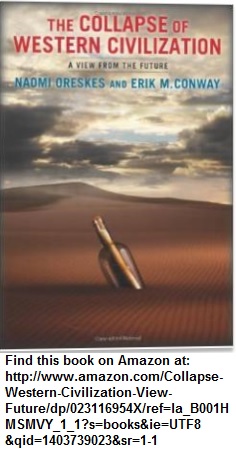
CU Blog - Climate Change May Affect Food Within a Decade - Photo 2The new sci-fi thriller The Collapse of Western Civilization: A View From the Future depicts a world ravaged by climate change. Decades of ignoring signs of global warming have led “to soaring temperatures, rising sea levels, widespread drought,” and the collapse of the West Antarctic ice sheet, a catastrophic global disaster. It’s a terrifying fiction to consider—but one that, even in science fiction, seems far, far off. Collapse takes place in 2393, after all. Similarly, voters and politicians alike are prone to taking a far-off view when talking about climate change—it’s easy for some of us to procrastinate on acting because we believe any effects are 50 or more years away. The incremental changes happen so slowly, it seems: an extra powerful storm here or an inch of ice melt there.

But what if we felt the impact of our collective actions (and inactions) relating to climate change a lot sooner—like, by 2024?

Well, that far-off sci-fi tomorrow may indeed be here before we know it. Recently, a leading climate change observer made the scary prediction that climate change could disrupt the global food supply, endangering billions of humans, within the next decade.

“The challenges from waste to warming, spurred on by a growing population with a rising middle-class hunger for meat, are leading us down a dangerous path,” Rachel Kyte, World Bank Group vice president and special envoy for climate change, recently told the Crawford Fund 2014 annual conference in Canberra, Australia, according to the Sydney Morning Herald. “Unless we chart a new course, we will find ourselves staring volatility and disruption in the food system in the face, not in 2050, not in 2040, but potentially within the next decade.”

While we’re already talking about how climate change could take away our coffee [a] and our chocolate, there’s far more to this problem than higher prices for lattes and candy bars. Yields on staple crops could drop significantly, and meat prices are already on the rise thanks to the prolonged drought in the West. And our failure to stem the tide of human environmental destruction, experts say, will hit Americans hard in the pocketbook. Food shoppers here in the United States should expect a climate-induced rise in food prices as a result of more extreme weather events; crop failures due to weather warming that influences pests, diseases, and weeds; and related effects on fisheries and livestock. But while we’ll all feel the pain at the checkout, food price increases will disproportionately impact the nearly 15 percent of U.S. households that are food insecure [b], says Dr. Linda Berlin, director of the Center for Sustainable Agriculture at the University of Vermont.

“Americans who will be most negatively affected by these changes are those with the least disposable income, i.e., little ability to absorb the extra costs,” she says.

Kyte—who oversees work on climate change adaptation and mitigation and climate finance taking place across World Bank Group institutions—pointed to a number of factors that are exacerbating the oncoming food crisis, including a rising demand for meat worldwide, land clearing and increased greenhouse gas emissions from livestock, and threats to low-lying areas from rising sea levels. Air temperatures could increase 2 degrees by the mid-2030s, she says, which could cut cereal yields by 20 percent worldwide and 50 percent in Africa.

Kyte’s analysis coincides with the draft of an upcoming United Nations report [c], released in August, in which the international panel of scientists expresses 95 to 100 percent certainty that human activity is the primary cause of global warming. Additionally, according to the report, greenhouse gas emissions are increasing, despite far-reaching political efforts to reduce them. Between 2000 and 2010, emissions grew at 2.2 percent annually, up from growth of 1.3 percent yearly between 1970 and 2000.

Food shortages have led to riots in other countries, and that kind of hunger-related violence is always cast as an “over-there” sort of problem. But that’s partly because of our “giant safety net program—SNAP (food stamps)—which most countries don’t have,” as Stanford professor Rosamond Naylor told several hundred scientists and California Gov. Jerry Brown last December [d].

With $8.6 billion cut from the program in the 2014 farm bill [e], that safety net isn’t faring all that well.
—————————————————-
Cited References:
a. http://www.takepart.com/article/2014/05/19/federal-cash-coffee-rust
b. http://www.ers.usda.gov/publications/err-economic-research-report/err155.aspx#.VADQkmRdWa4 c.http://www.nytimes.com/2013/08/20/science/earth/extremely-likely-that-human-activity-is-driving-climate-change-panel-finds.html?pagewanted=all&_r=0
d. http://woods.stanford.edu/news-events/news/climate-change-threatens-food-security-stanford-professor-warns
e. http://www.takepart.com/article/2014/02/05/2014-farm-bill

Yahoo News / Takepart.com e-Zine (Posted 09-02-2014) –
http://news.yahoo.com/think-climate-change-problem-future-food-system-may-000721066.html;_ylt=AwrBEiTNFApULVYAgIbQtDMD
The foregoing article is asserting that Climate Change may not just be our grandchildren’s problem alone; it is an issue for us, and even our parents. The risks and threats associated with this agent-of-change must therefore be mitigated now! The book Go Lean…Caribbean identifies this impending crisis and then declares that “a crisis is a terrible thing to waste”, calling for the establishment of a regional sentinel to monitor, mitigate and manage the effects of Climate Change on the region’s economic, security and governing engines. According to the foregoing article, which considers near-term projections on the world’s food supply systems, this will be a global crisis; the rest of the world will have to contend with these same issues.

This Go Lean book serves as a roadmap for the introduction and implementation of the technocratic Caribbean Union Trade Federation (CU). The prime directives of this agency are described as:

  • Optimize the economic engines of the Caribbean to elevate the regional economy to grow to $800 Billion and create 2.2 million new jobs.
  • Establish a security apparatus to protect the resultant economic engines.
  • Improve Caribbean governance to support these engines.

The Go Lean roadmap calls for the establishment of an Emergency Management agency (subset of the CU’s Homeland Security Department) so as to adopt the professional arts and sciences of Public Safety & Emergency Management. The emergencies within this scope will include natural disasters like hurricanes, flooding, forest fires, and droughts, all which can affect the food supply systems, even fisheries. The Caribbean Emergency Management Agency would therefore need to coordinate and plan with other CU Departments and member-state agencies in a proactive manner to anticipate the needs of the Caribbean region; this will include the CU Departments of Health (Food & Nutrition Administrations), Agriculture & Fisheries.

A lot is at stake with this consideration – life and death – our ability to feed our populations.
CU Blog - Climate Change May Affect Food Within a Decade - Photo 1Not everyone accepts these precepts – vocal deniers of Climate Change abound! But, recent natural disasters have devastated the region and do not allow us the luxury of dissent in our planning. We can see, hear, touch, taste and feel the effects of Climate Change now in our region. It is an Inconvenient Truth.

The Go Lean book reports that Climate Change is wreaking havoc on Caribbean life now; (the Bahamas 2nd city, Freeport, never fully recovered from Category 4 Hurricane Wilma in 2004, even now). Today, this foregoing news article identifies even more serious risks, this time for the world’s food supply. Due to globalization and the status as Small Island Developing States, today’s story becomes an alarming issue for the Caribbean as our region disproportionally depends on imports for our food supply. These agents-of-change (Climate Change & Globalization) were pronounced early in the book in the Declaration of Interdependence (Page 11 & 14), with these statements:

i.     Whereas the earth’s climate has undeniably changed resulting in more severe tropical weather storms, it is necessary to prepare to insure the safety and security of life, property and systems of commerce in our geographical region. As nature recognizes no borders in the target of its destruction, we also must set aside border considerations in the preparation and response to these weather challenges.

xxx. Whereas the effects of globalization can be felt in every aspect of Caribbean life, from the acquisition of food and clothing, to the ubiquity of ICT, the region cannot only consume, it is imperative that our lands also produce and add to the international community, even if doing so requires some sacrifice and subsidy.

To counteract the changes in nature, the Go Lean book advocates the immediate confederation of the 30 member-states into a Trade Federation with the tools/techniques to bring immediate change to the region to benefit one and all member-states. This includes the monitoring of the dynamics of Climate Change. While the region’s total population is only 42 million, compared to the whole world’s 6 Billion, we can still have an impact. We must still feed ourselves; we can show the world how best to accomplish this as Small Island Developing States. As the world seeks answers, they will have our technocratic example to glean from.

We cannot not expect anyone but ourselves to take the lead for our solutions. Other countries, like the US, have Climate Change deniers-and-detractors in the highest levels of government – this is not a model for us to emulate. Previous Go Lean blogs have cited this trend, as cited in the following sample:

https://goleancaribbean.com/blog/?p=2119 Cooling Effect – Oceans and the Climate
https://goleancaribbean.com/blog/?p=1883 Climate Change May Bring More Kidney Stones
https://goleancaribbean.com/blog/?p=1817 Caribbean grapples with intense new cycles of flooding & drought
https://goleancaribbean.com/blog/?p=926 Conservative heavyweights have solar industry in their sights
https://goleancaribbean.com/blog/?p=915 Go ‘Green’ … Caribbean

The Caribbean does not have the luxury of a laissez-faire attitude – No Problem Mon – towards Climate Change as we are on the frontline of these dilemmas. Instead the Go Lean book declares that we must adopt a community ethos, the appropriate attitude/spirit, to forge change in our region; then details the executions of the following strategies, tactics, implementations and advocacies to better impact the region’s preparation for food resources, especially considering the consequences from Climate Change:

Community Ethos – Deferred Gratification Page 21
Community Ethos – Economic Systems Influence Individual Choices / Incentives Page 21
Community Ethos – The Consequences of Choices Lie in the Future Page 21
Community Ethos – Intelligence Gathering Page 23
Community Ethos – “Crap” Happens Page 23
Community Ethos – Lean Operations Page 24
Community Ethos – Cooperatives Page 24
Community Ethos – Non-Government Organizations Page 25
Community Ethos – Ways to Impact the Future Page 26
Community Ethos – Ways to Improve Sharing Page 35
Community Ethos – Impact the Greater Good Page 37
Strategy – Vision – Confederating 30 Member-States into a Single Market Page 45
Strategy – Vision – Foster Local Economic Engines Food, Clothing &   Shelter Page 45
Strategy – Mission – Prepare   for Natural Disasters Page 45
Strategy – Mission – Exploit   the Benefits and Opportunities of Globalization Page 46
Strategy – Agents of Change – Climate Change Page 57
Strategy – Agents of Change – Globalization Page 57
Tactical – Confederating a Permanent Union Page 63
Tactical – Fostering a Technocracy Page 64
Separation of Powers – Emergency Management Page 76
Separation of Powers – Meteorological & Geological Service Page 79
Separation of Powers – Food & Nutritional Administration Page 87
Separation of Powers – Agriculture and Fisheries Department Page 88
Implementation – Ways to Pay for Change Page 101
Implementation – Security Initiatives at Start-up – Unified Command & Control Page 103
Implementation – Ways to Deliver Page 109
Implementation – Ways to Foster International Aid Page 115
Implementation – Ways to Benefit from Globalization Page 119
Planning – Ways to Make the Caribbean Better Page 131
Advocacy – Ways to Grow the Economy Page 151
Advocacy – Ways to Better Manage Food Page 162
Advocacy – Ways to Improve Governance Page 168
Advocacy – Ways to Better Manage the Social Contract Page 170
Advocacy – Ways to Foster Cooperatives Page 176
Advocacy – Ways to Improve for Natural Disasters Page 184
Advocacy – Ways to Improve Emergency Management Page 196
Advocacy – Ways to Improve Fisheries Page 210
Appendix – History of Puerto Rican Migration to US & Effects of Hurricanes Page 303
Appendix – US Virgin Islands Economic Timeline with Hurricane Impacts Page 305

The foregoing news article discusses the threats of Climate Change on the world’s food supply…soon, within the next decade. We have no time to relax, no time to debate, we must get ready now.

Remember the Bible drama of Joseph interpreting Pharaoh’s dreams as warning of an impending great famine. The shrewd course of action for Joseph and Pharaoh was to plan/prepare the food supplies for the forthcoming lean years – Genesis Chapter 40 – 41.

From the Caribbean perspective, our only observation on this drama can be: Ditto!

Change has come to our region; more devastating change is imminent. There is the need for a permanent union – a sentinel – to provide efficient stewardship for Caribbean economy, security and governing engines. The Go Lean…Caribbean posits that the problems of this region are too big for just any one member-state to tackle, but rather this multi-state technocratic administration may be our best solution.

The people and institutions of the region are hereby urged to lean-in to this Go Lean roadmap, to embrace the mitigations for the impending world changes. Let’s make the Caribbean better; a better place to live-work-play today and even more so tomorrow.
Download the book Go Lean … Caribbean – now!

Share this post:
, ,

Cooling Effect – Oceans and the Climate

Go Lean Commentary

Are you smarter than a 5th Grader?

The following is an analysis based on some basic elementary school science. For starters, salt (salinity) has an effect on the absorption of heat – it freezes at a colder temperature (28.4 degrees Fahrenheit) than the 32 degrees for water – salt is thusly the #1 tool for managing snow removal during the winter months in the colder climates. (This dynamic may be unfamiliar to many residents in the Caribbean). When salt is scattered/applied on sidewalks or roads, affected snow would melt … on its own.

Another principle in consideration of this discussion is that Climate Change is mostly associated with Global Warming, and yet, this year (this summer especially in the Northeast US) has been cooler than usual.

So do we have Global Warming or not? Is this a fluke that this summer is cooler than usual? Do we need to prepare for more devastating effects of Climate Change?

Yes, yes and yes!

The book Go Lean…Caribbean calls for the establishment of a regional sentinel to monitor, mitigate and manage the effects of Climate Change on the region’s economic, security and governing engines. This subject is more than just academic for the Caribbean, this affects our life and livelihood. When we get this stewardship wrong, and for 50 years this has been the assessment, we lose out. We have a long track record of losses associated with the perils of Climate Change; consider this sample: Hurricane Andrew (1992 – Bahamas), Hurricane Marilyn (1995 – Virgin Islands), Hurricane Wilma (2005 – Bahamas) and Hurricane Dean (2007 – Belize).

Caribbean losses have not only been property damage and the disruption of commerce. Inevitably, each storm episode created “push” factors for societal abandonment. Then as a community, we lost out on even more economic opportunities associated with the time, talent and treasuries of the Caribbean residents who left – we experienced a brain drain. Today, our “sorry state of affairs” find some regional member-states with an abandonment rate of more than 50% (Puerto Rico and US Virgin Islands) and the absence of more than 70% of college-educated citizens.

While 5th Grade Science is important for this empowerment effort, the book Go Lean … Caribbean is not a book of science; it gleans from scientific concepts in communicating the plan to elevate Caribbean society. The book focuses on economics, and relates that the resultant societal engines can be seriously impacted by climate change-led natural disasters: threats and actual impact. The book thusly serves as a roadmap for the introduction and implementation of the technocratic Caribbean Union Trade Federation (CU). The prime directives of this agency are described as:

  • Optimize the economic engines of the Caribbean to elevate the regional economy to grow to $800 Billion and create 2.2 million new jobs.
  • Establish a security apparatus to protect the resultant economic engines.
  • Improve Caribbean governance to support these engines.

The Go Lean roadmap immediately calls for the establishment of a Homeland Security Department, with an agency to practice the arts and sciences of Emergency Management. The emergencies include natural disasters like hurricanes, earthquakes, tsunamis, volcanoes, flooding, forest fires, and droughts – all now of more frequent occurrences. These types of emergencies should be impacted even further based on the dynamics described in the foregoing article. Emergency Management is not just reactive, it must be proactive as well. This direct correlation of warmer seas and cooling temperatures with the economy, thusly depicts the need for this CU charter and mission:

Title: Davy Jones’s heat locker
Subtitle: The mystery of the pause in global warming may have been solved. The answer seems to lie at the bottom of the sea

CU Blog - Cooling Effect - Oceans and the Climate - Photo 1Over the past few years one of the biggest questions in climate science has been why, since the turn of the century, average surface-air temperatures on Earth have not risen, even though the concentration in the atmosphere of heat-trapping carbon dioxide has continued to go up. This “pause” in global warming has been seized on by those skeptical that humanity needs to act to curb greenhouse-gas emissions or even (in the case of some extreme skeptics) who think that man-made global warming itself is a fantasy. People with a grasp of the law of conservation of energy are, however, skeptical in their turn of these positions and doubt that the pause is such good news. They would rather understand where the missing heat has gone, and why – and thus whether the pause can be expected to continue.

The most likely explanation is that it is hiding in the oceans, which store nine times as much of the sun’s heat as do the atmosphere and land combined. But until this week, descriptions of how the sea might do this have largely come from computer models. Now, thanks to a study published in Science by Chen Xianyao of the Ocean University of China, Qingdao, and Ka-Kit Tung of the University of Washington, Seattle, there are data.

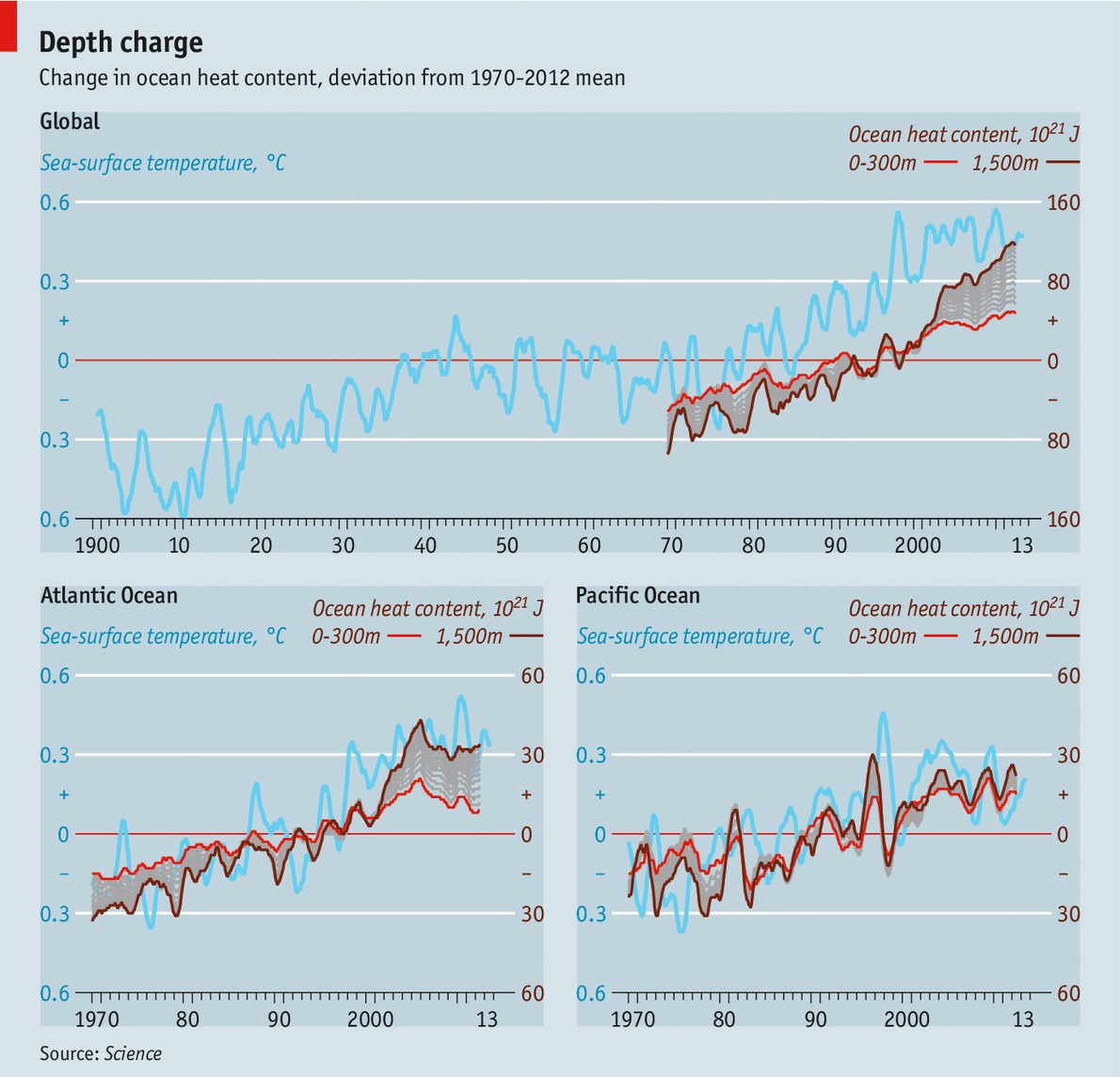
Dr Chen and Dr Tung have shown where exactly in the sea the missing heat is lurking. As the left-hand chart below shows, over the past decade and a bit the ocean depths have been warming faster than the surface. This period corresponds perfectly with the pause, and contrasts with the last two decades of the 20th century, when the surface was warming faster than the deep. The authors calculate that, between 1999 and 2012, 69 zettajoules of heat (that is, 69 x 1011 joules—a huge amount of energy) have been sequestered in the oceans between 300 metres and 1,500 metres down. If it had not been so sequestered, they think, there would have been no pause in warming at the surface.

Hidden depths
The two researchers draw this conclusion from observations collected by 3,000 floats launched by Argo, an international scientific collaboration. These measure the temperature and salinity of the top 2,000 metres of the world’s oceans. In general, their readings match the models’ predictions. But one of the specifics is weird.

Most workers in the field have assumed the Pacific Ocean would be the biggest heat sink, since it is the largest body of water. A study published in Nature in 2013 by Yu Kosaka and Shang-Ping Xie of the Scripps Institution of Oceanography, in San Diego, argued that cooling in the eastern Pacific explained most of the difference between actual temperatures and models of the climate that predict continuous warming. Dr Chen’s and Dr Tung’s research, though, suggests it is the Atlantic (see middle chart) and the Southern Ocean that are doing the sequestering. The Pacific (right-hand chart), and also the Indian Ocean, contribute nothing this way—for surface and deepwater temperatures in both have risen in parallel since 1999.

This has an intriguing implication. Because the Pacific has previously been thought of as the world’s main heat sink, fluctuations affecting it are considered among the most important influences upon the climate. During episodes called El Niño, for example, warm water from its west sloshes eastward over the cooler surface layer there, warming the atmosphere. Kevin Trenberth of America’s National Centre for Atmospheric Research has suggested that a strong Niño could produce a jump in surface-air temperatures and herald the end of the pause. Earlier this summer, a strong Niño was indeed forecast, though the chances of this happening seem to have receded recently.

But if Dr Chen and Dr Tung are right, then the fluctuations in the Atlantic may be more important. In this ocean, saltier tropical water tends to move towards the poles (surface water at the tropics is especially saline because of greater evaporation). As it travels it cools and sinks, carrying its heat into the depths—but not before melting polar ice, which makes the surface water less dense, fresh water being lighter than brine. This fresher water has the effect of slowing the poleward movement of tropical water, moderating heat sequestration. It is not clear precisely how this mechanism is changing so as to send heat farther into the depths. But changing it presumably is.

Understanding that variation is the next task. The process of sequestration must reverse itself at some point, since otherwise the ocean depths would end up hotter than the surface—an unsustainable outcome. And when it does, global warming will resume.

CU Blog - Cooling Effect - Oceans and the Climate - Photo 2

A lot is at stake with this consideration. Our economic drivers in the region – tourism and fisheries – depend on the strength of the Caribbean climate compared to other parts of the world. If change is coming to our climate, then we must be front-and-center in the planning of the mitigations and responses.

The Go Lean book posits that Climate Change is wreaking havoc on Caribbean life now, for the potential for even more harm in the future. This point is pronounced early in the book with this Declaration of Interdependence (Page 11), with this opening statement:

i.     Whereas the earth’s climate has undeniably changed resulting in more severe tropical weather storms, it is necessary to prepare to insure the safety and security of life, property and systems of commerce in our geographical region. As nature recognizes no borders in the target of its destruction, we also must set aside border considerations in the preparation and response to these weather challenges.

To counteract the changes in nature, the Go Lean book advocates the immediate confederation of the 30 member-states into a Trade Federation with the tools/techniques to bring immediate change to the region to benefit one and all member-states. This includes the monitoring/studying of the dynamics of Climate Change. The region’s total population is only 42 million, compared to the whole world’s 6 Billion. We may not be able to change the world’s habits and practices that may exacerbate Climate Change – we must still try – but we can better prepare our homeland for nature’s onslaughts. The empowered CU agencies must therefore liaise with non-governmental organizations (NGOs) and foreign entities with the similar scope to monitor, mitigate and manage the causes-and-effects of oceans warming/cooling trends.

The book details that we must first adopt a community ethos, the appropriate attitude/spirit, to forge change in our region. Go Lean details this and other ethos; plus the executions of the following strategies, tactics, implementations and advocacies to better impact the region’s response (& preparation) for Climate Change:

Community Ethos – Economic Systems Influence Individual Choices Page 21
Community Ethos – “Crap” Happens Page 23
Community Ethos – Lean Operations Page 24
Community Ethos – Cooperatives Page 24
Community Ethos – Non-Government Organizations Page 25
Community Ethos – Ways to Improve Sharing Page 35
Community Ethos – Impact the Greater Good Page 37
Strategy – Vision – Single Market & Economy Page 45
Strategy – Mission – Prepare for Natural Disasters Page 45
Strategy – Agents of Change – Climate Change Page 57
Tactical – Confederating a Permanent Union Page 63
Tactical – Fostering a Technocracy Page 64
Separation of Powers – Emergency Management Page 76
Separation of Powers – Meteorological & Geological Service Page 79
Implementation – Ways to Pay for Change Page 101
Implementation – Security Initiatives at Start-up Page 103
Implementation – Ways to Deliver Page 109
Implementation – Ways to Benefit from Globalization Page 119
Planning – Ways to Measure Progress Page 148
Advocacy – Ways to Grow the Economy Page 151
Advocacy – Ways to Create Jobs Page 152
Advocacy – Ways to Improve Governance Page 168
Advocacy – Ways to Better Manage the Social Contract Page 170
Advocacy – Ways to Foster Cooperatives Page 176
Advocacy – Ways to Improve for Natural Disasters Page 184
Advocacy – Ways to Ways to Enhance Tourism in the Region Page 190
Advocacy – Ways to Improve Emergency Management Page 196
Advocacy – Ways to Improve Fisheries Page 210
Appendix – History of Puerto Rican Migration to US Page 303
Appendix – US Virgin Islands Economic Timeline Page 305

Change has come to the Caribbean.

The foregoing news article discusses the threats of warming oceans and cooler temperatures. This is today’s issue. New issues will emerge tomorrow and the days after. This establishes that there is a need for a permanent union – a sentinel – to provide efficient stewardship for Caribbean economy, security and governing engines.

The Go Lean…Caribbean posits that the problems of the region are too big for just any one member-state to tackle, there is the need for a regional solution, a regional sentinel. The Caribbean Union Trade Federation submits for this job to be the Caribbean sentinel for the issues, conditions and threats of Climate Change. The people and institutions of the region are hereby urged to lean-in to this Go Lean roadmap, to embrace these changes to make the Caribbean a better place to live, work and play.

At the time of this writing, it is 76 degrees in the peak of a mid-summer day in Philadelphia. It should be 96 degrees. The weather forecast for parts of Montana is a winter weather advisory during the next 24 hours, usually it would be 90 degrees. Despite the detractors and naysayers to Climate Change, something is wrong! Even a 5th Grader can discern this.


Share this post:
, ,
[Top]

Climate Change May Bring More Kidney Stones

Go Lean Commentary:

CU Blog - Climate Change May Bring More Kidney Stones - PhotoThe subject in the foregoing news article just cannot be ignored: Climate Change and personal health.

While this report was published by undisputed technocratic professionals, the Children’s Hospital of Philadelphia (CHOP), the publishers of the book Go Lean…Caribbean had engaged a similar analysis methodology: assessments based on hard evidence – number crunching (Big Data) and anecdotes – to reach their conclusions in the book that the Caribbean is in a state of crisis.

Both analyses are now aligned!

This subject of damaging health effects deriving from Climate Change aligns with Go Lean … Caribbean, as it posits that there are agents of change, including Climate Change, that the region is struggling to contend with, and that the negative consequences are already manifesting themselves in everyday Caribbean life, but the region as a whole and individual member-states, are not able, willing or equipped to mitigate the associated risks. The book portrays that the appropriate response requires heavy-lifting, and therefore proposes the Caribbean Union Trade Federation (CU) as a technocratic solution. The book serves as a roadmap for the introduction and implementation of the CU. This Go Lean roadmap describes the CU as the best solution for a concerted Caribbean response.

The CHOP research is published as follows:

CHOP-Led Research Finds Link between Hotter Days, Kidney Stones in U.S. Adults and Children
Contact: Ashley Moore, The Children’s Hospital of Philadelphia, 267-426-6071 or MooreA1@email.chop.edu

As daily temperatures increase, so does the number of patients seeking treatment for kidney stones. In a study that may both reflect and foretell a warming planet’s impact on human health, a research team found a link between hot days and kidney stones in 60,000 patients in several U.S. cities with varying climates.

“We found that as daily temperatures rise, there is a rapid increase in the probability of patients presenting over the next 20 days with kidney stones,” said study leader Gregory E. Tasian, MD, MSc, MSCE, a pediatric urologist and epidemiologist at The Children’s Hospital of Philadelphia (CHOP), who is on the staff of the Hospital’s Kidney Stone Crenter as well as the Hospital’s Center for Pediatric Clinical Effectiveness (CPCE).

Tasian, senior author Ron Keren, MD, MPH, also of CHOP and CPCE, and colleagues from other centers published their results today in Environmental Health Perspectives, the journal of the National Institute of Environmental Health Sciences. The Urologic Diseases in America Project, supported by the National Institute of Diabetes and Digestive and Kidney Diseases, sponsored the study.

The study team analyzed medical records of more than 60,000 adults and children with kidney stones between 2005 and 2011 in Atlanta, Chicago, Dallas, Los Angeles and Philadelphia, in connection with weather data. Tasian and colleagues described the risk of stone presentation for the full range of temperatures in each city. As mean daily temperatures rose above 50 F (10 C), the risk of kidney stone presentation increased in all the cities except Los Angeles. The delay between high daily temperatures and kidney stone presentation was short, peaking within three days of exposure to hot days.

Link between kidney stones and high temperatures
“These findings point to potential public health effects associated with global climate change,” said Tasian. “However,” cautions Tasian, “although 11 percent of the U.S. population has had kidney stones, most people have not. It is likely that higher temperatures increase the risk of kidney stones in those people predisposed to stone formation.” Higher temperatures contribute to dehydration, which leads to a higher concentration of calcium and other minerals in the urine that promote the growth of kidney stones.

A painful condition that brings half a million patients a year to U.S. emergency rooms, kidney stones have increased markedly over the world in the past three decades. While stones remain more common in adults, the numbers of children developing kidney stones have climbed at a dramatically high rate over the last 25 years. The factors causing the increase in kidney stones are currently unknown, but may be influenced by changes in diet and fluid intake. When stones do not pass on their own, surgery may be necessary.

The study team also found that very low outdoor temperatures increased the risk of kidney stones in three cities: Atlanta, Chicago and Philadelphia. The authors suggest that as frigid weather keeps people indoors more, higher indoor temperatures, changes in diet and decreased physical activity may raise their risk of kidney stones.

The researchers argue that the number of hot days in a given year may better predict kidney stone risk than the mean annual temperature. Atlanta and Los Angeles share the same annual temperature (63 F, or 17 C), but Atlanta has far more hot days than Los Angeles, along with nearly twice the prevalence of kidney stones.

Tasian added that while the five U.S. cities have climates representative of those found throughout the world, future studies should explore how generalizable the current findings are. Other studies should analyze how risk patterns vary in different populations, including among children, represented by a small sample size in the current study.

Global warming trend and kidney stone prevalence
The study’s broader context is in patterns of global warming. The authors note that other scientists have reported that overall global temperatures between 2000 and 2009 were higher than 82 percent of temperatures over the past 11,300 years. Furthermore, increases in greenhouse gas emissions are projected to raise earth’s average temperatures by 2 to 8 F (1 to 4.5 C) by 2100. “Kidney stone prevalence has already been on the rise over the last 30 years, and we can expect this trend to continue, both in greater numbers and over a broader geographic area, as daily temperatures increase,” concluded Tasian. “With some experts predicting that extreme temperatures will become the norm in 30 years, children will bear the brunt of climate change.”

More information:
Funds from the National Institutes of Health (grants HD060550 and DK70003), supported this study, along with a research fellowship from the Medical Research Council, U.K. In addition to their CHOP titles, Tasian and Keren are on the faculty of the Perelman School of Medicine at the University of Pennsylvania.

Co-authors of the study are Christopher Saigal, MD, MPH, of UCLA who is a co-principal investigator of the Urologic Diseases in America Project; Antonio Gasparrini, PhD, of the London School of Hygiene and Tropical Medicine; Benjamin Horton, PhD, of Rutgers University; Rodger Madison, MA, of the RAND Corporation; and Jose Pulido, MD, and J. Richard Landis, PhD, both of the University of Pennsylvania.

Taisan GE et al, “Daily Mean Temperature and Clinical Kidney Stone Presentation in Five U.S. Metropolitan Areas: A Time Series Analysis,” Environmental Health Perspectives, published July 10, 2014.
Children’s Hospital of Philadelphia Web Site – Retrieved 07-28-2014
http://www.chop.edu/news/climate-change-may-bring-more-kidney-stones.html

Considering the evidence published in the foregoing article, this is the immediate response that comes to mind:

It is what it is!

While there continues to be deniers and detractors of Climate Change, these first responders treating the ailments in hospitals do not have the luxury of “burying their head in the sand”, especially when a suffering patient (many times a child) is begging for relief. They must simply provide care and count the tally later. The foregoing article is that tally.

Debate over!

The same applies to the Caribbean. The region is arguably the best address on the planet, but there are constant climate-driven threats, especially during the annual hurricane seasons. After each storm’s landfall, there are repercussions and consequences in which commerce systems get disrupted and economic engines are curtailed. The end result, after consistent periods of “famine”, many residents seek to flee because of these challenging economic conditions.

Something is clearly wrong climate-wise and must be addressed. According to the foregoing article, patients (including children) in the United States are not spared from Climate Change. The Caribbean is not spared either. While the Caribbean itself cannot unilaterally fix the problems of Climate Change, we can better prepare for the negative consequences:

Respond
Rebuild
Recover

The Go Lean roadmap specifies where we are as a region (losing 70% brain drain among the college educated; no preparation for spikes in health crises like kidney stones), where we want to go (elevation of Caribbean society in the homeland for all citizens to dissuade migration and provide public health mitigations) and how we plan to get there – confederating as a Single Market entity. While the Go Lean book strategizes a roadmap for economic empowerment, it clearly relates that healthcare and disaster management are germane to the Caribbean quest for health, wealth and happiness. At the outset of the Go Lean book, in the Declaration of Interdependence (Page 11), these points are pronounced:

i.     Whereas the earth’s climate has undeniably changed resulting in more severe tropical weather storms, it is necessary to prepare to insure the safety and security of life, property and systems of commerce in our geographical region. As nature recognizes no borders in the target of its destruction, we also must set aside border considerations in the preparation and response to these weather challenges.

ix.      Whereas the realities of healthcare and an aging population cannot be ignored and cannot be afforded without some advanced mitigation, the Federation must arrange for health plans to consolidate premiums of both healthy and sickly people across the wider base of the entire Caribbean population. The mitigation should extend further to disease management, wellness, obesity and smoking cessation programs. The Federation must proactively anticipate the demand and supply of organ transplantation as developing countries are often exploited by richer neighbors for illicit organ trade.

The Caribbean Union Trade Federation has the prime directive of optimizing the economic, security and governing engines of the region. The foregoing article/VIDEO depicts the Big Data analysis that needs to be performed on behalf of Caribbean society. The roadmap specifies both a Commerce Department (Econometrics) and a Health Department in the Separation-of-Power dictum.

There is also the priority on Research & Development (R&D) placed in the foregoing article. The roadmap describes this focus as a community ethos. Then it goes on to stress that the CU must promote the community ethos that R&D is valuable and must be incentivized for adoption. The following list details additional ethos, strategies, tactics, implementations and advocacies to optimize the region’s health deliveries:

Community   Ethos – Economic Systems Influence Individual Choices Page 21
Community   Ethos – The Consequences of Choices Lie in the Future Page 21
Community   Ethos – “Crap” Happens Page 23
Community   Ethos – Cooperatives Page 25
Community   Ethos – Non-Government Organizations Page 25
Community   Ethos – Ways to Impact Research & Development (R&D) Page 30
Community   Ethos – 10 Ways to Promote Happiness Page 36
Community   Ethos – Ways to Impact the Greater Good Page 37
Strategy – Integrate   and unify region in a Single Market Page 45
Strategy – Agents of   Change – Climate Change Page 57
Tactical – Fostering a   Technocracy Page 64
Tactical – Separation   of Powers – Commerce Department – Econometrics Page 79
Tactical – Separation   of Powers – Health Department Page 86
Implementation   – Ways to Pay for Change Page 101
Implementation   – Ways to Implement   Self-Government Entities – R&D Page 105
Implementation   – Ways to Deliver Page 109
Planning –    Ways to Make the Caribbean Better Page 131
Advocacy –   Ways to Improve Healthcare Page 156
Advocacy –   Ways to Better Manage the Social Contract Page 170
Advocacy –   Ways Foster Cooperatives Page 176
Advocacy –   Ways to Improve for Natural Disasters Page 184
Advocacy –   Ways to Improve Emergency Management Page 196
Advocacy –   Ways to Impact Foundations Page 219
Advocacy –   Ways to Improve Elder-Care Page 225
Advocacy –   Ways to Impact Youth – Healthcare Page 227
Advocacy –   Ways to Impact Persons with Disabilities Page 228
Appendix – Emergency Management – Trauma Centers Page 336

In fact, the foregoing news/VIDEO story depicted analysis administered by the Children’s Hospital of Philadelphia (CHOP).  This institution has undisputed credentials and credibility, being ranked, by US News & World Report magazine, as the #1 Children’s Hospital in the country [a]. This recognition means that they, CHOP, must be doing things right!

This is a great model for Caribbean society – we too, must do things right.

Technocratic = doing things right!

The Go Lean roadmap posits that more analysis will emerge as a direct result of the CU prioritization on science, technology, engineering and medical (STEM) activities on Caribbean R&D campuses and educational institutions.

This is the heavy-lifting that the CU is designed to bear. Anyone can be afflicted with kidney stones – a painful disorder. Now, obviously, with indisputable Climate Change, these afflictions are becoming more commonplace; the CU, and all Caribbean institutions, must now do things right. This is the Greater Good.

Download the book Go Lean … Caribbean – now!

——————————————————————————————————————————–

Appendix a – Citation References:

Ranked #1 in the United   States – U.S. News & World Report

An important measure of the quality of children’s hospitals in the U.S. is the yearly rankings provided by a magazine called U.S. News & World Report. For the 2014-15 rankings, the magazine surveyed 183 pediatric centers for data about 10 specialties and asked 150 pediatric specialists in each specialty where they would send the sickest children.

The Children’s Hospital of Philadelphia (CHOP) shared the number one spot on the U.S. News Honor Roll, and ranked in the top four in the nation for every pediatric specialty evaluated.

CHOP was recognized for excellence in the following specialties:

Cancer
Cardiology and Heart Surgery
Diabetes and Endocrinology
Gastroenterology
Orthopedics
Neonatology
Nephrology and Kidney Diseases
Neurology and Neurosurgery
Pulmonology
Urology

Source: The Children’s Hospital of Philadelphia – About Us. Retrieved from http://www.chop.edu/service/international-medicine/international-patient-services/about-chop/home.html


Share this post:
, ,
[Top]

Caribbean grapples with intense new cycles of flooding & drought

Go Lean Commentary

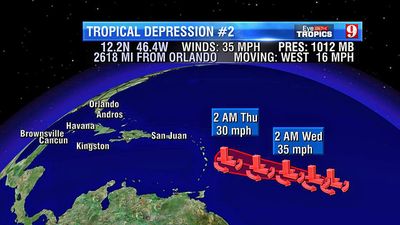
CU Blog - Caribbean grapples with new intense cycles of flooding and drought - Photo 2As of this moment, there is a tropical storm system that originated off the coast of Africa, building up in the Atlantic Ocean; it may or may not be a threat to the Caribbean. See photo to the right, and/or news feed video here: WFTV Eye on the Tropics.

This is the reality of Caribbean life – we have to contend with disasters, not of our making.

Climate Change is also not of our making, and yet we must contend with it as well. It is what it is!

In the past, our region has not done well managing “agents-of-change”. But we do not have the luxury of “sticking our head in the sand” and pretending that these problems will simply go away. The region has been devastated with this dysfunction and mis-management. Some 70% of Caribbean college-educated citizens have already fled their homelands in an undisputed brain drain. It’s time now to manage change differently than the Caribbean has done as of late. It’s time now to “Go Lean”.

The foregoing news article presents the story that there are new cycles of flooding and drought in the Caribbean. This too, is Climate Change 101. If only, there could be some equalizing between “the feast and the famine” with water. Yes there is. Caribbean stakeholders can proactively consider the benefits of one possible solution: Pipelines.

Since water is only free in our society when it is raining, there are costs associated at all other times, like storage and distribution; so the economic principles of pipelines are sound.

According to the book Go Lean … Caribbean, pipelines can be strategic, tactical and operationally efficient. They can mitigate challenges of Mother Nature, create jobs, secure the homeland and grow the economy at the same time.

The Go Lean book identifies that there are “agents-of-change” that our world have to now contend with. Proactively managing the cause-and-effect of these agents can yield great benefits and alleviate much suffering. The agents-of-change for the Caribbean are identified as follows:

Technology
Aging Diaspora
Globalization
Climate Change

The Go Lean book posits that we can manage all of these agents, but this last one, climate change is outside of our control and wreaking havoc on Caribbean life. Consider this news article here, that aligns this point:

By: Desmond Brown

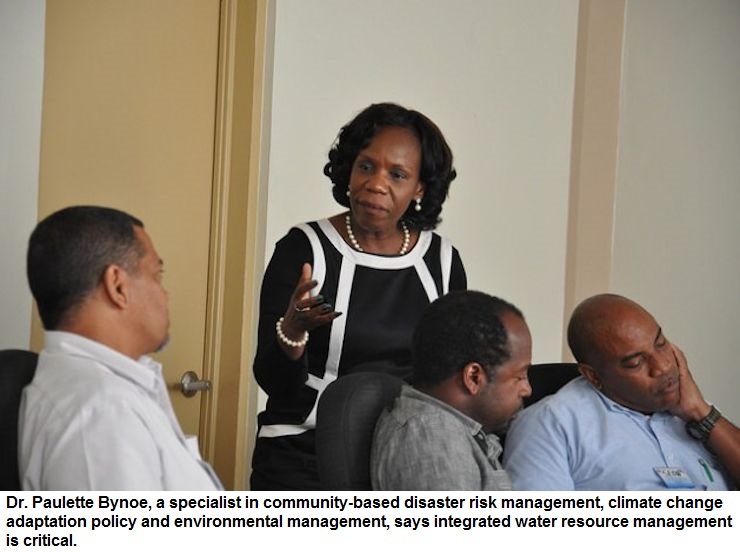
CASTRIES, St. Lucia, Monday July 21, 2014, IPS – As unpredictable weather patterns impact water availability and quality in St. Lucia, the Caribbean island is moving to build resilience to climate-related stresses in its water sector. Dr. Paulette Bynoe, a specialist in community-based disaster risk management, climate change adaptation policy and environmental management, says integrated water resource management is critical.CU Blog - Caribbean grapples with new intense cycles of flooding and drought - Photo

“We have been making progress…making professionals and other important stakeholders aware of the issue. That is the first step,” she told IPS.

“So in other sectors we can also look at coordination whether we talk about agriculture or tourism. It’s important that we think outside of the box and we stop having turfs and really work together,” she added.

Earlier this month, Bynoe facilitated a three-day workshop on Hydro-Climatic Disasters in Integrated Water Resource Management (IWRM) in St. Lucia. The workshop was held as part of the Organisation of Eastern Caribbean States-Reducing the Risks to Human and Natural Assets Resulting from Climate Change (OECS-RRACC) project.

Participants were exposed to the key principles of IWRM and Disaster Risk Reduction (DRR); the implications of climate change and variability for water resources management; policy legislation and institutional requirements needed at the community level to facilitate DRR in IWRM; the economics of disasters; and emergency response issues.

Rupert Lay, a water resources specialist with the RRACC Project, said the training is consistent with the overall goals of the climate change demonstration project in GIS technology currently being implemented by the OECS Secretariat.

“What we need to do now in the region and even further afield is to directly correlate the effects, the financial impacts of these adverse weather conditions as it relates to water resources,” he told IPS.

“We need to make that link strongly so that all of us can appreciate the extent to which and the importance of building resilience and adapting to these stresses.”

On Jul. 9, the St. Lucia Water and Sewage Company (WASCO) placed the entire island under a water emergency schedule as the drought worsened. The government has described the current situation as a “water crisis”.

The crisis, initially declared for the north of the island, has expanded to the entire country.

Managing director of WASCO Vincent Hippolyte said that there had not been sufficient rainfall to meet the demands of consumers. At the most recent assessment, the dam’s water level was at 322 feet, while normal overflow levels are 333 feet.

“Despite the rains and the greenery, drought conditions exist because the rivers are not moving. They do not have the volume of water that will enable WASCO to extract sufficient water to meet demand,” he said.

“We are in the early stages in the drought situation. It is not as severe as the later stages, but we are still in drought conditions.”

The government said that experts predicted the drought would persist through the month of August.

Bynoe said what’s happening in St. Lucia and elsewhere in the Caribbean is consistent with the projections of the Inter-Governmental Panel on Climate Change (IPCC) and the Climate Modeling Group from the University of the West Indies.

She said both bodies had given possible future scenarios of climate change as it relates to the SmallIslandDevelopingStates, and how climate change and climate variability could affect water resources.

“I think generally the issue is that in the region there is a high likelihood that we can have a shortage of water so we can experience droughts; and perhaps at the same time when we do have precipitation it can be very intense,” Bynoe, who is also Director of the School of Earth and Environmental Sciences at the University of Guyana, said.

She noted that the models are saying there can either be too little water or too much water, either of which could create serious problems for the Caribbean.

“With too much water now you can have run off, sedimentation, water pollution and water contamination which means in countries where we depend on surface water the treatment of water become critical and this will then bring cost implications because water treatment is very costly,” Bynoe explained.

“But also, if you are going to treat water you have to use a lot of energy and energy is one of the sectors that contribute to greenhouse gasses. So you can see where the impact of climate change is affecting water but with water treatment you can also contribute to climate change.”

For St. Lucia and its neighbours, Bynoe said lack of financial resources tops the list of challenges when it comes to disaster mitigation and adapting new measures in reference to hydro-climatic disasters.

She also pointed to the importance of human capital, citing the need to have persons trained in specific areas as specialists to help with modeling, “because in preparation we first have to know what’s the issue, we have to know what’s the probability of occurrence, we have to know what are the specific paths that we can take which could bring the best benefits to us.”

She used her home country Guyana, which suffers from a high level of migration, as one example of how sustainable development could be negatively affected by capital flight.

“But you also need human capital because first of all governments must work together within the region and lessons learnt in one country can be translated to other countries so that we can replicate the good experiences so that we don’t fall prey to the same sort of issues,” Bynoe said.

“But also social capital within the country in which we try to ensure that all stakeholders are involved, a very democratic process because it’s not only about policymakers; every person, every household must play a role to the whole issue of adaptation, it starts with the man or woman in the mirror,” she added.

In October 2010, Hurricane Tomas passed very near St. Lucia killing 14 people and leaving millions of dollars in monetary losses. The island was one of three Eastern Caribbean countries on which a slow-moving, low-level trough on Dec 24, 2013 dumped hundreds of millimetres of rain, killing 13 people.
Caribbean360 Online Community  (Retrieved 07-21-2014) –
http://www.caribbean360.com/news/caribbean-grapples-intense-new-cycles-flooding-drought

The book, Go Lean…Caribbean, purports that a new technology-enhanced industrial revolution is emerging, in which there is more efficiency gleaned from installing, monitoring and maintaining pipelines. Caribbean society must participate, not just consume the developments in this revolution. This point is pronounced early in the book with this Declaration of Interdependence (Page 11 &14), with the opening and subsequent statements:

i.        Whereas the earth’s climate has undeniably changed resulting in more severe tropical weather storms, it is necessary to prepare to insure the safety and security of life, property and systems of commerce in our geographical region. As nature recognizes no borders in the target of its destruction, we also must set aside border considerations in the preparation and response to these weather challenges.

xxvi.          Whereas the Caribbean region must have new jobs to empower the engines of the economy and create the income sources for prosperity, and encourage the next generation to forge their dreams right at home, the Federation must therefore foster the development of new industries, like that of … pipelines …

xxvii.     Whereas the region has endured a spectator status during the Industrial Revolution, we cannot stand on the sidelines of this new economy, the Information Revolution. Rather, the Federation must embrace all the tenets of Internet Communications Technology (ICT) to serve as an equalizing element in competition with the rest of the world. The Federation must bridge the digital divide and promote the community ethos that research/development is valuable and must be promoted and incentivized for adoption.

This Go Lean book serves as a roadmap for the introduction and implementation of a technocratic Caribbean Union Trade Federation (CU) to elevate society of the 30 Caribbean member-states. The foregoing news article draws reference to the efforts by the 9 member-states of the Organization of Eastern Caribbean States, all defined as Small Island Developing States. The CU effort on the other hand, is a confederation that includes coastal states like Guyana, Suriname and Belize. There are more territories and more water resources to leverage solutions for one member-state versus another.

In addition, the CU will assume jurisdiction for the Caribbean Sea, the 1,063,000 square-mile international waters under an UN-approved structure referred to as an Exclusive Economic Zone. This approach allows for cooperation and equalization, so as to mitigate the feast-and-famine water conditions in the region.

With this Go Lean roadmap, pipelines become viable under this administration. This becomes a real solution to a real problem! In fact the CU/Go Lean roadmap has these 3 prime directives:

  • Optimization of the economic engines in order to grow the regional economy to $800 Billion and create 2.2 million new jobs.
  • Establishment of a security apparatus to protect the resultant economic engines.
  • Improve Caribbean governance to support these engines.

The Go Lean book details the economic principles and community ethos to adopt, plus the executions of strategies, tactics, implementations and advocacies to forge solutions, like pipelines, in Caribbean communities. But this is not “your grandfather’s 1920 pipeline solution”, but rather a cutting-edge (circa 2020) solution featuring options like robotics and satellite-monitoring. Consider this list as follows:

Economic Principles – People Choose because Resources are   Limited Page 21
Economic Principles – All Choices Involve Costs Page 21
Economic Principles – People Respond to Incentives Page 21
Economic Principles – Economic Systems Influence   Individual Choices Page 21
Economic Principles – Consequences of Choices Lie in the   Future Page 21
Community Ethos – Job   Multiplier Page 22
Community Ethos – “Crap” Happens Page 23
Community Ethos – Lean Operations Page 24
Community Ethos – Return on Investments (ROI) Page 24
Community Ethos – Ways to Impact the Future Page 26
Community Ethos – Ways to Help Entrepreneurship Page 28
Community Ethos – Ways to Improve Sharing Page 35
Community Ethos – Impact the Greater Good Page 37
Anecdote – Pipeline Transport – Strategies, Tactics &   Implementations Page 43
Strategy – Vision – Confederating 30 Member-states in a Union Page 45
Strategy – Agents of Change – Technology Page 57
Strategy – Agents of Change – Globalization Page 57
Strategy – Agents of Change – Climate Change Page 57
Tactical – Fostering a Technocracy Page 64
Tactical – Growing Economy – New High Multiplier   Industries Page 68
Separation of Powers – Interstate Commerce Administration Page 79
Separation of Powers – Interior Department – Exclusive   Economic Zone Page 82
Implementation – Assemble – Pipeline as a Focused  Activity Page 96
Implementation – Benefits from the Exclusive Economic Zone Page 104
Implementation – Ways to Develop a Pipeline Industry Page 107
Implementation – Ways to Deliver Page 109
Planning – 10 Big Ideas – Pipeline Projects Page 127
Advocacy – Ways to Grow the Economy Page 151
Advocacy – Ways to Create Jobs Page 152
Advocacy – Ways to Better Manage the Social Contract –   Infrastructure Page 170
Advocacy – Ways to Ways to Impact Public Works – Ideal for   Pipelines Page 175
Advocacy – Ways to Better Manage Natural Resources – Water   Resources Page 183
Advocacy – Ways to Impact Extractions – Pipeline Strategy Alignment Page 195
Advocacy – Ways to Improve Emergency Management Page 196
Advocacy – Ways to Foster Technology Page 197
Advocacy – Ways to Ways to Improve Monopolies – Foster   Cooperatives Page 202
Advocacy – Ways to Improve Transportation – Pipeline   Options Page 205
Advocacy – Ways to Impact Rural Living – Minimize Irrigation     Downsides Page 235
Appendix – Pipeline Maintenance Robots Page 283

This commentary previously featured subjects related to counteracting the effects of Climate Change and natural disasters in the region:

https://goleancaribbean.com/blog/?p=1656 Water Conservation Industries – Blue is the New Green
https://goleancaribbean.com/blog/?p=1516 Floods in Minnesota, Drought in California – Why Not Share?
https://goleancaribbean.com/blog/?p=1433 Caribbean loses more than 70 percent of tertiary educated to brain drain
https://goleancaribbean.com/blog/?p=926 Conservative heavyweights have “Green”/solar industry in their sights
https://goleancaribbean.com/blog/?p=915 Go ‘Green’ … Caribbean
https://goleancaribbean.com/blog/?p=87 Earthquakes & Hurricanes Shake Eastern Caribbean Region

This is a new day for the Caribbean! It’s time now for change in our response to (climate) change. The elevations that are identified, qualified and proposed in the book Go Lean…Caribbean are not just reactive, but also proactive. It’s time for the Caribbean to lean-in for these elevations.

Download the book Go Lean … Caribbean – now!

Share this post:
,
[Top]

Floods in Minnesota, Drought in California – Why Not Share?

 Go Lean Commentary

Millions across Minnesota are in the middle of a flooding disaster as a severe storm system moves over the central U.S.. See this VIDEO:

VIDEO – CBS News; posted June 23, 2014; retrieved June 27 from: http://www.cbsnews.com/videos/minnesota-communities-face-weeks-of-flooding/
Title: Minnesota communities face weeks of flooding

(VIDEO plays best in Internet Explorer).

At the same time, California continues to endure serious drought conditions. Many feel, though not supported by the facts, that this may be the worst drought in California history. See the aligning VIDEO here:

VIDEO – Win Rosenfeld, NBC News; posted June 2, 2014; retrieved June 27 from: https://www.youtube.com/watch?v=Gx7vFqU8iGY
Title: California’s Drought History | Debunker

So on the one hand, part of the United States is experiencing too much water and in other parts of the country, too little water. This is Climate Change 101. If only, there would be some equalizing between “the feast and the famine” with water.

This was the point/comment of one viewer of the CBS News Video:

Why are we not building a WATER PIPELINE from these flood prone areas to the parched West and South?!?!? If we can afford an OIL pipeline all the way to the southern gulf, we can definitely build a desperately needed pipeline for water! – By: uberengineer – June 24, 2014

This comment was spot on! According to the book Go Lean … Caribbean, pipelines can be strategic, tactical and operationally efficient. They can mitigate challenges of Mother Nature, create jobs and grow the economy at the same time.

The Go Lean book identifies that there are “agents-of-change” that our world have to now contend with. Proactively managing the cause-and-effect of these agents can yield great benefits and alleviate much suffering. The agents-of-change for the Caribbean are identified as follows:

Technology
Aging Diaspora
Climate Change
Globalization

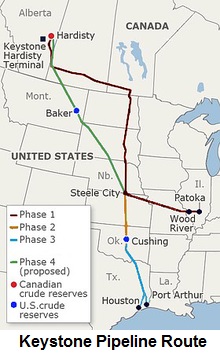
If the suggestion of above commentator Uber Engineer is to be seriously considered in the US, this would fall under the scope of the US federal government as two states California and Minnesota are involved – neither state has jurisdiction over the other. Plus, the many states in between (Iowa, Nebraska, Colorado, Utah and Nevada) where a pipeline would traverse would also have to be factored into the equation. Under US law this approach is called an Interstate Compact. Uber Engineer is right! This pipeline strategy is already being deployed for oil in the US with the TransCanada Keystone [a] Pipeline project, running from southern Canada down to the Gulf of Mexico; (see route map in the photo).

The question is: who can contemplate such a solution for the Caribbean marketplace? The Go Lean book posits that Climate Change is wreaking havoc on Caribbean life as well and that Caribbean stakeholders must proactively consider the benefits of pipeline deployments in the region. This book purports that a new technology-enhanced industrial revolution is emerging, in which there is more efficiency gleaned from installing, monitoring and maintaining pipelines. Caribbean society must participate, not just spectate the developments in this revolution. This point is pronounced early in the book with this Declaration of Interdependence (Page 11 &14), with the opening and subsequent statements:

i.     Whereas the earth’s climate has undeniably changed resulting in more severe tropical weather storms, it is necessary to prepare to insure the safety and security of life, property and systems of commerce in our geographical region. As nature recognizes no borders in the target of its destruction, we also must set aside border considerations in the preparation and response to these weather challenges.

xxvi.       Whereas the Caribbean region must have new jobs to empower the engines of the economy and create the income sources for prosperity, and encourage the next generation to forge their dreams right at home, the Federation must therefore foster the development of new industries, like that of … pipelines …

xxvii.     Whereas the region has endured a spectator status during the Industrial Revolution, we cannot stand on the sidelines of this new economy, the Information Revolution. Rather, the Federation must embrace all the tenets of Internet Communications Technology (ICT) to serve as an equalizing element in competition with the rest of the world. The Federation must bridge the digital divide and promote the community ethos that research/development is valuable and must be promoted and incentivized for adoption.

This book Go Lean… Caribbean, serves as a roadmap for the introduction and implementation of the technocratic Caribbean Union Trade Federation (CU) to elevate society of the 30 Caribbean member-states. This agency will assume jurisdiction for the Caribbean Sea, the 1,063,000 square-mile international waters under the guise of an Exclusive Economic Zone. This approach allows for cooperation and equalization between the feast-and-famine conditions in the region. This is a real solution to real problems! In fact the CU/Go Lean roadmap has these 3 prime directives:

  • Optimization of the economic engines in order to grow the regional economy.
  • Establishment of a security apparatus to protect the resultant economic engines.
  • Improve Caribbean governance to support these engines.

The Go Lean book details the economic principles and community ethos to adopt, plus the executions of strategies, tactics, implementations and advocacies to forge Research & Development with pipelines and industrial growth in Caribbean communities:

Economic Principles – People Choose because Resources are Limited Page 21
Economic Principles – All Choices Involve Costs Page 21
Economic Principles – People Respond to Incentives Page 21
Economic Principles – Economic Systems Influence Individual Choices Page 21
Economic Principles – Voluntary Trade Creates Wealth Page 21
Economic Principles – Consequences of Choices Lie in the Future Page 21
Community Ethos – Job   Multiplier Page 22
Community Ethos – “Crap” Happens Page 23
Community Ethos – Lean Operations Page 24
Community Ethos – Return on Investments (ROI) Page 24
Community Ethos – Cooperatives Page 25
Community Ethos – Ways to Impact the Future Page 26
Community Ethos – Ways to Help Entrepreneurship Page 28
Community Ethos – Ways to Impact Research & Development Page 30
Community Ethos – Ways to Improve Negotiations Page 32
Community Ethos – Ways to Improve Sharing Page 35
Community Ethos – Impact the Greater Good Page 37
Anecdote – Pipeline Transport – Strategies, Tactics &   Implementations Page 43
Strategy – Vision – Confederating 30 Member-states in a Union Page 45
Strategy – Agents of Change – Technology Page 57
Strategy – Agents of Change – Aging Diaspora Page 57
Strategy – Agents of Change – Globalization Page 57
Strategy – Agents of Change – Climate Change Page 57
Tactical – Fostering a Technocracy Page 64
Tactical – Growing Economy – New High Multiplier Industries Page 68
Separation of Powers – Interstate   Commerce Administration Page 79
Separation of Powers – Interior Department – Exclusive Economic Zone Page 82
Implementation – Assemble – Pipeline as a Focused   Activity Page 96
Implementation – Ways to Pay for Change Page 101
Implementation – Benefits from the Exclusive Economic Zone Page 104
Implementation – Ways to Develop a Pipeline Industry Page 107
Implementation – Ways to Deliver Page 109
Planning – 10 Big Ideas – Pipeline Projects Page 127
Advocacy – Ways to Grow the Economy Page 151
Advocacy – Ways to Create Jobs Page 152
Advocacy – Ways to Better Manage the Social Contract – Infrastructure Page 170
Advocacy – Ways to Ways to Impact Public Works – Ideal for Pipelines Page 175
Advocacy – Ways to Foster Cooperatives Page 176
Advocacy – Ways to Better Manage Natural Resources – Water   Resources Page 183
Advocacy – Ways to Impact Extractions – Pipeline Strategy   Alignment Page 195
Advocacy – Ways to Improve Emergency Management Page 196
Advocacy – Ways to Foster Technology Page 197
Advocacy – Ways to Ways to Improve Monopolies – Foster   Cooperatives Page 202
Advocacy – Ways to Improve Transportation – Pipeline Options Page 205
Advocacy – Ways to Impact Rural Living – Minimize Irrigation   Downsides Page 235
Appendix – Interstate Compacts Page 278
Appendix – Pipeline Maintenance Robots Page 283
Appendix – North Dakota Example – Oil Drilling Economic-Societal   Effects Page 334

Historically, pipelines are cheaper than alternative modes of transport for liquid materials like oil, natural gas and water. Plus the cost of water in all aspects of modern society is no longer negligible. Just conduct an acid test at a friendly neighborhood Gas Station; while a gallon of gas may be high, the equivalent pricing for cool drinking water is within the same range.

Water is only free in our society when it is raining; for all other times, there are costs associated with storage and distribution.

Thusly, the economic principles of pipelines are sound.

CU Blog - Floods in Minnesota, Drought in California - Why Not Share - Photo 2

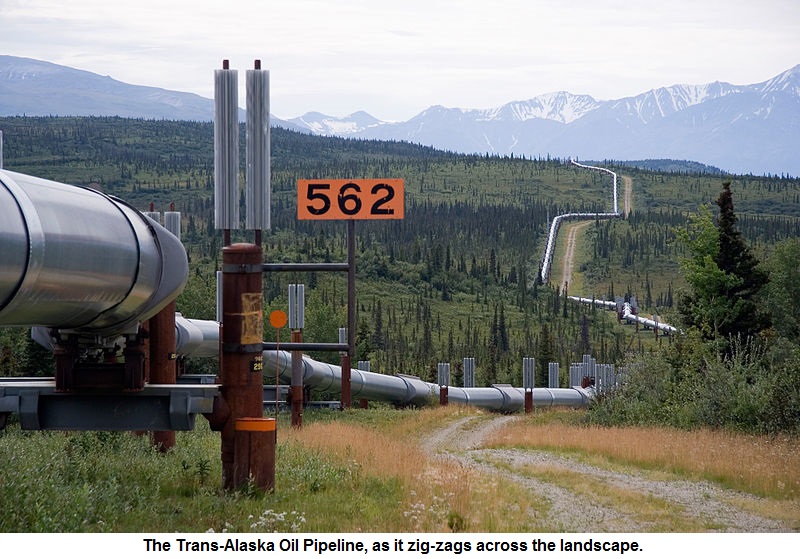
Pipelines can be above ground, underground and/or underwater. (See Trans-Alaska Pipeline photo). There is a role for many schemes of pipeline deployments in the vision for the reboot of the Caribbean homeland. The roadmap Go Lean … Caribbean identifies pipelines as strategic, tactical and operationally mandatory for any chance at success in making the Caribbean a better place to live, work and play.

Download the book Go Lean … Caribbean – now!

——–

Appendix – Referenced Source:

a.     Keystone Pipeline (Retrieved June 27, 2014 from: http://en.wikipedia.org/wiki/Keystone_Pipeline):

The Keystone Pipeline System is an oil pipeline system in Canada and the United States. It runs from the Western Canadian Sedimentary Basin in Alberta, Canada, to refineries in the United States in Steele City, Nebraska; Wood River and Patoka, Illinois; and the Gulf Coast of Texas. In addition to the synthetic crude oil (syncrude) and diluted bitumen (dilbit) from the oil sands of Canada, it also carries light crude oil from the Williston Basin (Bakken) region in Montana and North Dakota.

CU Blog - Floods in Minnesota, Drought in California - Why Not Share - Photo 1Three phases of the project are in operation, and the fourth is awaiting U.S. government approval. Upon completion, the Keystone Pipeline System would consist of the completed 2,151-mile (3,462 km) Keystone Pipeline (Phases I and II), Keystone Gulf Coast Expansion (Phase III), and the proposed Keystone XL Pipeline Project (Phase IV). Phase I, delivering oil from Hardisty, Alberta, to Steele City, Wood River, and Patoka, was completed in the summer of 2010. Phase II, the Keystone-Cushing extension, was completed in February 2011 with the pipeline from Steele City to storage and distribution facilities at Cushing, Oklahoma. These two phases have the capacity to deliver up to 590,000 barrels per day (94,000 m3/d) of oil into the Mid-West refineries. Phase III, the Gulf Coast Extension, which was opened in January 2014, has capacity up to 700,000 barrels per day (110,000 m3/d). The proposed Phase IV, would begin in Hardisty, Alberta, and extend to Steele City, essentially replacing the existing phase I pipeline.

The Keystone XL proposal faced criticism from environmentalists and some members of the United States Congress. In January 2012, President Barack Obama rejected the application amid protests about the pipeline’s impact on Nebraska’s environmentally sensitive Sand Hills region. TransCanada Corporation changed the original proposed route of Keystone XL to minimize “disturbance of land, water resources and special areas”; the new route was approved by Nebraska Governor Dave Heineman in January 2013. On April 18, 2014 the Obama administration announced that the review of the controversial Keystone XL oil pipeline has been extended indefinitely, until at least after the November 4, 2014 mid-term United States elections.


Share this post:
, , , ,
[Top]

Painful and rapid spread of new virus in Caribbean

Go Lean Commentary

“Crap happens”, declares the book Go Lean…Caribbean (Page 23).

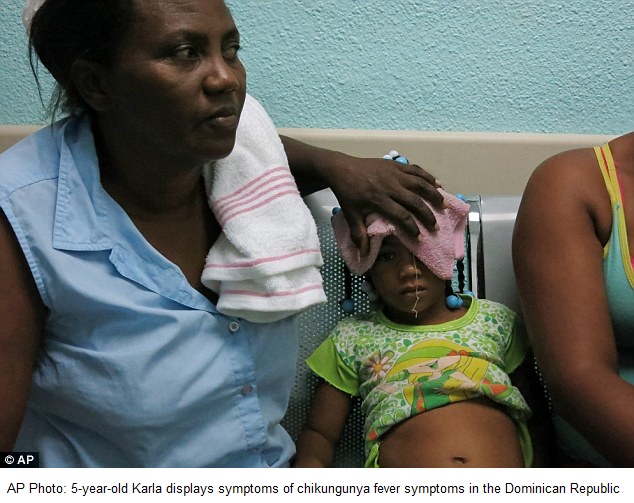
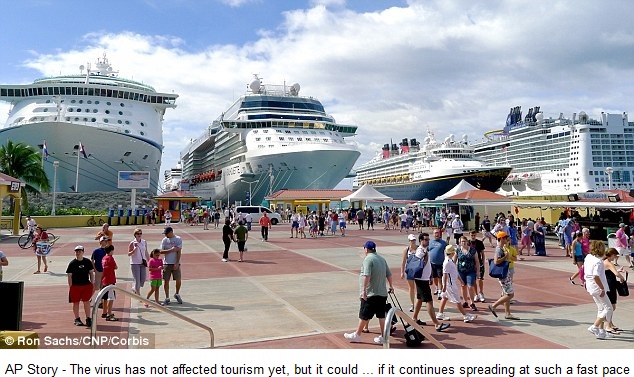
Virus 1The Chikungunya virus scare in the foregoing news article represents the sum of all fears for the Caribbean in terms of tourism and public health threats. This emphatically highlights the need for a regional security pact for Caribbean assurances.

The virus in this article has been identified in the Dominican Republic, Dominica, Saint Martin, and French Guiana; therefore, this is a cross-border threat. This re-enforces that there is a need for a super-national disease-medical sentinel in this security pact.

While other security pacts (for example NATO – North Atlantic Treaty Organization) may be based on defense against military aggression, the Caribbean security pact must focus more on public safety measures. This is one of the prime directives of the proposed Caribbean Union Trade Federation (CU). Naturally, the focus starts with economics, but the resultant engines can be seriously impacted by public safety/health threats. The book Go Lean… Caribbean, serves as a roadmap for the introduction and implementation of that regional sentinel, the CU. The complete prime directives are described as:

  • Optimize the economic engines of the Caribbean to elevate the regional economy.
  • Establish a security apparatus to protect the resultant economic engines.
  • Improve Caribbean governance to support these engines.

The Go Lean roadmap immediately calls for the establishment of a Homeland Security Department, with an agency to practice the arts and sciences of Emergency Management. The emergencies include natural disasters like hurricanes, earthquakes, tsunamis, volcanoes, flooding, forest fires, and droughts. Emergencies also include the man-made variety as in industrial accidents (oil spills, factory accidents and chemical spills), explosions, terroristic attacks and prison riots. The type of emergency described in the foregoing article requires a hybrid response of the Emergency Management agency and the CU’s Department of Health Disease Control & Management agency. Medical expertise would be required to contend with systemic threats of epidemic illness and infectious diseases.

The CU does not possess sovereignty for Caribbean member-states; so CU participation must be invited. This is why the CU is described as a deputized proxy organization. This invitation is equivalent to dialing “911”, a declaration of an emergency – thus granting a timed lease of limited authority to the CU agency, terminating with an “all clear” determination.

By: Ben Fox, AP

SAN CRISTOBAL, Dominican Republic (AP) — They suffer searing headaches, a burning fever and so much pain in their joints they can barely walk or use their hands. It’s like having a terrible flu combined with an abrupt case of arthritis.

Hospitals and clinics throughout the Caribbean are seeing thousands of people with the same symptoms, victims of a virus with a long and unfamiliar name that has been spread rapidly by mosquitoes across the islands after the first locally transmitted case was confirmed in December.

“You feel it in your bones, your fingers and your hands. It’s like everything is coming apart,” said 34-year-old Sahira Francisco as she and her daughter waited for treatment at a hospital in San Cristobal, a town in the southern Dominican Republic that has seen a surge of the cases in recent days.

The virus is chikungunya, derived from an African word that loosely translates as “contorted with pain.” People encountering it in the Caribbean for the first time say the description is fitting. While the virus is rarely fatal it is extremely debilitating.

“It is terrible, I have never in my life gotten such an illness,” said Maria Norde, a 66-year-old woman confined to bed at her home on the lush eastern Caribbean island of Dominica. “All my joints are in pain.”

Outbreaks of the virus have long made people miserable in Africa and Asia. But it is new to the Caribbean, with the first locally transmitted case documented in December in French St. Martin, likely brought in by an infected air traveler. Health officials are now working feverishly to educate the public about the illness, knock down the mosquito population, and deal with an onslaught of cases.

Authorities are attempting to control mosquitoes throughout the Caribbean, from dense urban neighborhoods to beach resorts. There have been no confirmed cases of local transmission of chikungunya on the U.S. mainland, but experts say the high number of travelers to the region means that could change as early as this summer.

So far, there are no signs the virus is keeping visitors away though some Caribbean officials warn it might if it is not controlled. “We need to come together and deal with this disease,” said Dominica Tourism Minister Ian Douglas.

One thing is certain: The virus has found fertile ground in the Caribbean. The Pan American Health Organization reports more than 55,000 suspected and confirmed cases since December throughout the islands. It has also reached French Guiana, the first confirmed transmission on the South American mainland.

The Pan American Health Organization says seven people in the Caribbean with chikungunya have died during the outbreak but they had underlying health issues that likely contributed to their death.

“It’s building up like a snowball because of the constant movement of people,” said Jacqueline Medina, a specialist at the Instituto Technologico university in the Dominican Republic, where some hospitals report more than 100 new cases per day.

Virus 3Chikungunya was identified in Africa in 1953 and is found throughout the tropics of the Eastern Hemisphere. It is spread by two species of mosquitoes, aedes aegypti and aedes albopictus. It’s also a traveler-borne virus under the right circumstances.

It can spread to a new area if someone has it circulating in their system during a relatively short period of time, roughly 2-3 days before the onset of symptoms to 5 days after, and then arrives to an area with the right kind of mosquitoes.

For years, there have been sporadic cases of travelers diagnosed with chikungunya but without local transmission. In 2007, there was an outbreak in northern Italy, so health authorities figured it was just a matter of time before it spread to the Western Hemisphere, said Dr. Roger Nasci, of the U.S. Centers for Disease Control and Prevention.

“With the increase in travelers the likelihood that something like this would happen goes up and eventually it did,” said Nasci, chief of a CDC branch that tracks insect-borne diseases. “We ended up with somebody at the right time and the right place infecting mosquitoes.”

The two species of mosquitoes that spread chikungunya are found in the southern and eastern United States and the first local transmissions could occur this summer given the large number of U.S. travelers to the Caribbean, Nasci said. Already, the Florida Department of Health has reported at least four imported cases from travelers to Haiti, the Dominican Republic and Dominica.

“What we’re seeing now is an increase in the number of infected travelers coming from the Caribbean, which is expected because there’s a lot of U.S. travel, a lot of vacation travel, a lot of work travel,” he said.

Around the Caribbean, local authorities have been spraying fogs of pesticides and urging people to remove standing pools of water where mosquitoes breed.

An estimated 60-90 percent of those infected show symptoms, compared to around 20 percent for dengue, which is common in the region. There is no vaccine and the only cure is treatment for the pain and fluid loss.

One consolation for those suffering from the illness is that unlike dengue, which has several variants, people only seem to get chikungunya once.

“The evidence suggests that once you get it and recover, once your immune system clears the virus you are immune for life,” Nasci said.

Associated Press writers Ben Fox in Miami; P. Solomon Banda in Fort Collins, Colorado; David McFadden in Kingston, Jamaica; and Carlisle Jno Baptiste in Roseau, Dominica, contributed to this report.

Associated Press News Wire (Retrieved 05-22-2014) –          http://news.yahoo.com/painful-rapid-spread-virus-caribbean-040106421.html

The Go Lean roadmap immediately calls for the coordination of security monitoring and mitigation in the Caribbean; referring to viruses as well. This point is declared early in the Go Lean book, commencing with this opening pronouncement in the Declaration of Interdependence (Page 12), as follows:

xvi. Whereas security of our homeland is inextricably linked to prosperity of the homeland, the economic and security interest of the region needs to be aligned under the same governance. …[to ensure] the functioning of the wheels of commerce for all the citizenry, the accedence of this Federation must equip the security apparatus with the tools and techniques for predictive and proactive interdictions.

Go Lean … Caribbean therefore constitutes a change for the Caribbean. This is a roadmap to consolidate 30 member-states of 4 different languages and 5 colonial legacies (American, British, Dutch, French, Spanish) into a Trade Federation with the tools/techniques to bring immediate change to the region to benefit one and all member-states. This includes the monitoring/tracking/studying the origins of common and emerging viruses. This empowered CU agency will liaison with foreign entities with the same scope, like the Pan American Health Organization, US’s Center for Disease Control (CDC) and the World Health Organization (WHO).

Virus 2A lot is at stake!

Tourism is the primary economic driver in the region. The realization, or even the unsubstantiated rumor, of viral outbreaks can imperil the tourism product. We must therefore take proactive steps to protect our economic engines. But, we must not curtail freedom of movement among our visitors. We are, in effect, extending an “Open House” to the world to come enjoy our hospitality. Come… they will. So there are additional responsibilities for the stewards of the Caribbean economy, to impact the Greater Good. The CU invites this role, to promote this community ethos.

The book details that there must first be adoption of such a community ethos, the appropriate attitude/spirit to forge change in the region. Go Lean details this and other ethos; plus the executions of the following strategies, tactics, implementations and advocacies to impact the region’s public health:

Community Ethos – Privacy versus Public Protection Page 23
Community Ethos – “Crap” Happens Page 23
Community Ethos – Lean Operations Page 24
Community Ethos – Cooperatives Page 24
Community Ethos – Non-Government Organizations Page 25
Community Ethos – Ways to Improve Sharing Page 35
Community Ethos – Impact the Greater Good Page 37
Strategy – Vision – Non-Sovereign “Unified” Proxy Entity Page 45
Strategy – Customers – Residents & Visitors Page 47
Strategy – Agents of Change – Globalization Page 57
Tactical – Confederating a Permanent Union Page 63
Tactical – Fostering a Technocracy Page 64
Separation of Powers – Emergency Management Page 76
Separation of Powers – Disease Control & Management Page 86
Implementation – Ways to Pay for Change Page 101
Implementation – Security Initiatives at Start-up Page 103
Implementation – Ways to Deliver Page 109
Implementation – Ways to Foster International Aid Page 115
Implementation – Ways to Benefit from Globalization Page 119
Planning – Ways to Improve Failed-State Indices Page 134
Planning – Ways to Measure Progress Page 148
Advocacy – Ways to Grow the Economy Page 151
Advocacy – Ways to Improve Healthcare Page 156
Advocacy – Ways to Improve Governance Page 168
Advocacy – Ways to Better Manage the Social Contract Page 170
Advocacy – Ways to Foster Cooperatives Page 176
Advocacy – Ways to Improve for Natural Disasters Page 184
Advocacy – Ways to Improve Emergency Management Page 196

The foregoing news article introduces the threats of the Chikungunya virus. This is today’s issue. New issues will emerge tomorrow and the days after. This establishes that there is need for a permanent union – a sentinel – to provide efficient stewardship for Caribbean economy, security and governing engine. Change has come to the region.

How would the region pay for this change, these elevations? The Caribbean Union Trade Federation hereby submits for this job, no payment necessary! The region is hereby urged to lean-in to this Go Lean roadmap, to fulfill the vision of making the Caribbean region a better place to live, work and play.

Download the Book- Go Lean…Caribbean Now!!!

Share this post:
, , , ,
[Top]

‘Only at the precipice, do they change’

Go Lean Commentary

Keanu Nanu

“Life imitating Art”; “Art imitating life”.

This is more than a cliché; it is also factual for describing how people finally get the will to change.

The movie The Day the Earth Stood Still (2008) – demonstrates “Art imitating Life” – is a remake of the classic 1951 sci-fi film of the same name; see Trailer VIDEO in the Appendix below. These films are about an alien visitor and his giant robot counterpart who visit Earth.

The character Professor Jacob Barnhardt, in the 2008 version, was played by John Cleese, the English actor of some repute, known for his start with the Mighty Python players.

The counter character in this dialogue, Klaatu, was played by American mega-star Keanu Reeves.

The storyline proceeds that the character Klaatu is a spokesman that preceded the robot sent to destroy human life on earth. And thus this quotation from the Movie Dialogue:

Professor Barnhardt: There must be alternatives. You must have some technology that could solve our problem.

Klaatu: Your problem is not technology. The problem is you. You lack the will to change.

Professor Barnhardt: Then help us change.

Klaatu: I cannot change your nature. You treat the world as you treat each other.

Professor Barnhardt: But every civilization reaches a crisis point eventually.

Klaatu: Most of them don’t make it.

Professor Barnhardt: Yours did. How?

Klaatu: Our sun was dying. We had to evolve in order to survive.

Professor Barnhardt: So it was only when your world was threatened with destruction that you became what you are now.

Klaatu: Yes.

Professor Barnhardt: Well that’s where we are. You say we’re on the brink of destruction and you’re right. But it’s only on the brink that people find the will to change. Only at the precipice do we evolve. This is our moment. Don’t take it from us. We are close to an answer.

(Source: Internet Movie Database – Movie: The Day the Earth Stood Still (2008). Retrieved 04/21/2014 – http://www.imdb.com/character/ch0012790/quotes)

This foregoing dialogue from the movie The Day the Earth Stood Still (2008) is symbolic of the crisis facing the Caribbean. The problem in the Caribbean is not technology, but rather the will to change. This is a consistent theme in the book Go Lean … Caribbean, it asserts that the changes necessary to preserve Caribbean heritage, culture and economies must first be preceded by an evolution in the community ethos. This pronouncement is as follows from Page 20:

The people of the Caribbean must change their feelings about elements of their society – elements that are in place and elements missing. This is referred to as “Community Ethos”, defined as:

    “the fundamental character or spirit of a culture; the underlying sentiment that informs the beliefs, customs, or practices of a group or society; dominant assumptions of a people or period.

This book serves as a roadmap for the introduction and implementation of the Caribbean Union Trade Federation (CU), a technocratic agency seen as the Caribbean’s best hope to avert the current path of disaster, human flight and brain drain, and grant the Caribbean a meaningful future for its youth.

This movie dialogue synchronizes with the exact details of the book. On Page 21, Go Lean presents a series of community ethos that must be adapted to forge change in the Caribbean. In addition, there are specific advocacies to:

  • Impact the Future (Page 26)
  • Impact Turn-Around (Page 33)
  • Impact the Greater Good (Page 37)
  • Grow the Economy (Page 151)
  • Preserve Caribbean Heritage (Page 218)

As a roadmap, this book provides the turn-by-turn guidance to optimize the Caribbean economy, security apparatus and governing engines.

With the assessment that many Caribbean states have lost more than 50% of their population to foreign shores (Pages 18 & 303), the region is now at that “precipice”.

“It is only at the precipice, do they change!”

Now is the time to lean-in to this roadmap for change, the book Go Lean … Caribbean, and the Caribbean Union Trade Federation. Our society/civilization is at the crisis point.

Download the book Go Lean … Caribbean – now!

————-

Appendix VIDEO – The Day The Earth Stood Still 2008 Official Trailer  – https://youtu.be/rcSJ-6354-A

Published on Aug 5, 2012 – A remake of the 1951 classic sci-fi film about an alien visitor and his giant robot counterpart who visit Earth.
Keanu Reeves & Jennifer Connelly http://www.keanureeves.us/movie/the-d…
Share this post:
, , ,
[Top]

6.5M Earthquake Shakes Eastern Caribbean

Go Lean Caribbean

The below news article highlights the regional threat of the active fault line (the Lesser Antilles subduction zone, also known for volcanoes) in the Eastern Caribbean basin. Notice that the countries affected are of American, Dutch, English and French legacies. In addition, there has been a number of small quakes in Puerto Rico in the last month.

Without a doubt, the Caribbean has to be on guard for danger from seismic activities. Plus, with constant threats during the annual hurricane season, there is a need for a full-time sentinel to monitor, mitigate and manage the risks of natural disasters in the region. This is the mandate for the Caribbean Union Trade Federation (CU). The Go Lean … Caribbean roadmap describes the CU’s prime directives as empowering the region’s economic engines, providing security assurances and preparing/responding to natural disasters.
BLOG Map Earthquake

A 6.5-magnitude earthquake northeast of Barbados caused shaking across the Eastern Caribbean early Tuesday morning, according to the United States Geological Survey. The quake, which occurred 172 kilometres |northeast of Barbados, struck at around 5:27 AM local time.

The University of the West Indies Seismic Research Centre also recorded the quake as having a magnitude of 6.5 on the Richter scale. The quake was felt across the region, with weak |shaking felt as far north as Philipsburg, St Maarten and light to moderate shaking from |Martinique all the way down to Grenada.

The most reports of shaking were felt in Martinique, which was about 128 kilometres directly west of the quake’s epicentre, along with Barbados. There were not any reports of damage or injuries, although authorities in Martinique were recommending “extreme caution” in coastal areas, according to reports. Other countries that felt shaking included St Lucia, Dominica, St Vincent and the Grenadines, Guadeloupe, Trinidad and even Venezuela. It was the second 6.5-magnitude earthquake in the region in just over a month, following a similarly-sized quake in near Puerto Rico in January.

It was the strongest quake in that portion of the region since 2007, when a 7.3-magnitude quake struck near Martinique. As a point of reference, the earthquake in 2010 in Haiti was a |7.0-magnitude on the Richter scale. The 2007 Martinique quake had been the largest in the |region since a 6.9-Magnitude tremblor near Antigua in 1974.
Source: Caribbean Journal Online (Retrieved 02/18/2014) –
http://www.caribjournal.com/2014/02/18/6-5m-earthquake-shakes-eastern-caribbean-from-martinique-to-grenada/

The book details the aftermath of the 2010 Haiti Earthquake as an indictment for the region’s lack of planning/response. What’s more the book, as a roadmap, posits that there is the threat of even more earthquakes along the Enriquillo fault line.

Earthquakes are Mother Nature’s fury 100%; there is no way to prevent them, only plan for their eventuality. Unfortunately the Caribbean region has not planned accordingly, despite due warning. Despite the constant threats for disasters, we have failed! There is no integrated agency to monitor and manage these threats. Yes, there is the US Geological Services, but this agency’s American priorities may not align with the priorities of the Caribbean people as a whole.

The roadmap does implement an integrated agency. Without this implementation, the region can only beg for help. Lastly, the Go Lean roadmap advocates a 10-Step approach to outgrow the statue of a perennial beggar for International Aid. The Caribbean, by the end of this roadmap, should at last be a better place to live, work and play.

Download the free e-Book of Go Lean … Caribbean – now!

Share this post:
,
[Top]