Tag: Cruise

Cruise Ship Commerce – Getting Ready for Change

Go Lean Commentary

According to the following news article, Royal Caribbean Cruise Line (RCL) is presenting their new corporate executive for Human Resources (HR), Senior Vice-President Paul Parker.

Congratulations Mr. Parker; welcome to Caribbean Commerce. We are glad to have you participating in our regional marketplace and hope that you are ready for change; to make change and adapt to change.

Cruise 1

Title: Royal Caribbean Names New SVP
By: Caribbean Journal Staff

Royal Caribbean Cruises, Ltd has named Paul Parker its new senior vice president and chief human resources officer, the company announced.

Parker comes to the company after more than two decades of working in the human resources field, from Deloitte & Touche to Colgate Palmolive, among other stints.

Parker will report directly to the company’s president and COO, Adam Goldstein.

“What made Paul stand out for us during the interview process was his comprehensive knowledge of state-of-the-art best practices in human resources management,” Goldstein said. “His background and skills are ideally suited for the role of leading and managing our HR organization as we strive to identify, hire, develop, motivate and retain the best employees, both shipboard and shoreside, responsible for providing our guests with extraordinary vacations.”
Caribbean Journal – Regional News Magazine Site (Posted May 2, 2015; retrieved May 6, 2015) –
http://caribjournal.com/2015/05/02/royal-caribbean-names-new-svp/

VIDEO – Royal Caribbean’s “Oasis of the Seas”: The Biggest Cruise Ship in the World – https://youtu.be/uhLbFGYNDlI

Uploaded on Aug 22, 2011 – With twenty-one swimming pools, its own version of New York’s Central Park, and room for 5,400 passengers, the Oasis of the Seas is the most massive cruise ship ever built.
Mr. Parker will be based in the company’s headquarters* in Miami, FL#. So why is it that we say Caribbean commerce?

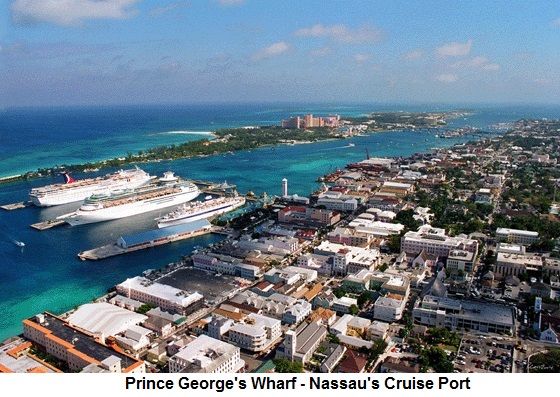
This is due to the fact that this cruise line “plies its trade” in the Caribbean region (waters and ports-of-call); even their name confesses this fact: Royal Caribbean. While the Port of Miami accommodated 4.8 million passengers in 2014, the truth is that these ones did not buy their cruise vacation to consume Miami, but rather to consume the Caribbean. We are the attraction!

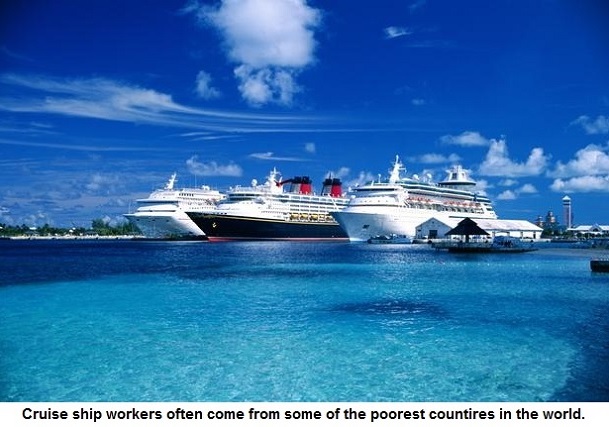
In addition, many of the jobs on the ships are maintained by Caribbean workers.

This is good …

This is bad …

This is the focus of this commentary and advocacy. There are strict divisions of labor on cruise ships – wait staff and cabin stewards are reserved for citizens from Third World countries like the Caribbean and Asia – with terrible pay scales – while the officers/leadership roles are reserved for Europeans-only – Scandinavians proliferate. We appreciate the fact they set aside jobs for people of the Caribbean, but it is unacceptable that job advancements are unattainable. The resultant discrimination is real. Cruise ships, and other maritime vessels in general, are the last bastion of segregation. Descriptors like “modern-day-slavery”, “sweatships” and “extreme poverty” are far too common. Case in point, many ship-domestic staff are “tip earners”, paid only about US$50 a month and expected to survive on the generosity of the passengers’ gratuity. Another report have detailed this, here:

“The operation of the cruise ship is segregated by gender,” says Researcher Minghua Zhao, of the ITF-funded Seafarers’ International Research Centre at Cardiff University, “All the captains are men and no woman is found in deck and engine departments. Women concentrate in hotel, catering and other ‘non-technical’ sectors of the vessel.”

Nationality is another main factor in the allocation of jobs. Women from western and developed countries are far more likely to be found in a small number of management or administrative positions. They are also likely to be employed as entertainers, beauticians, nurses, aerobics leaders and receptionists.

On the other hand women from Asian and less developed countries are almost entirely employed in the “hotel” functions of the ship in catering, waiting and cabin staff positions.
Source: http://www.itfseafarers.org/dark-side.cfm

Cruise 2

This is a human resource matter and thusly will be within the sphere of influence for the new HR executive at RCL. While many ships are only governed by maritime laws, injustice is injustice. Good shepherding of Caribbean economic eco-system requires some focus to these bad practices.

The book Go Lean…Caribbean opens with the thesis (Page 3) that the problems of the Caribbean are too big for any one member-state to tackle alone. Some of the most popular cruise destinations include the Bahamas, Jamaica, Cayman Islands and Saint Martin. Alone, these port cities/member states cannot effect change on this cruise line industry. But together, as one unified front, the chances for success improves exponentially. The unified front is the Caribbean Union Trade Federation (CU). The term Union is more than a coincidence; it was branded as such by design. The Go Lean book serves as a roadmap for the introduction and implementation of the CU.

The vision of this integration movement is for the region to function as a Single Market. The quotation from the Go Lean book continues in advocating that the Caribbean member-states (independent & dependent) lean-in to this plan for confederacy, convention and collaboration. This is Collective Bargaining 101. From the outset, the book recognized the significance of our exercising authority over the Caribbean Seas. This point was pronounced in the opening Declaration of Interdependence (Page 11):

v.  Whereas the natural formation of our landmass and coastlines entail a large portion of waterscapes, the reality of management of our interior calls for extended oversight of the waterways between the islands. The internationally accepted 12-mile limits for national borders must be extended by International Tribunals to encompass the areas in between islands. The individual states must maintain their 12-mile borders while the sovereignty of this expanded area, the Exclusive Economic Zone, must be vested in the accedence of this Federation.

The confederacy goal entails accepting that there is interdependence among the Caribbean member-states. Implementation-wise, this shifts the responsibility for cruise line negotiations to a region-wide, professionally-managed, deputized technocracy that can result in greater production and greater accountability.

An advocacy, in this case collective bargaining, on behalf of the oppressed workers in Caribbean waters is a just and honorable cause. The quest of this Go Lean movement is to make the Caribbean region better to live, work and play. Labor practices on cruise ships are therefore within scope of the CU.

This is the change … that now confronts the new RCL HR executive. But the CU quest to elevate Caribbean society should not run afoul of this or any cruise line’s modus operandii. The CU sets out to be their trading partner, not adversarial opponent. This should be win-win.

Nowhere else in the modern world is job discrimination encouraged, accepted or tolerated. The Caribbean demanding fair employment opportunities are therefore aligned with the Greater Good community ethos. Besides, these ships are conducting commerce in our neighborhood, so our community standards should apply. This is the change; consolidating the region so as to be able to leverage as one, a Single Market.

The end result? The goal of the CU is cataloged in the stated prime directives, identified with the following 3 statements:

  • Optimization of the economic engines in order to grow the regional economy to $800 Billion & create 2.2 million new jobs.
  • Establishment of a security apparatus to protect the resultant economic engines.
  • Improvement of Caribbean governance to support these engines.

The issue – cruise ship division of labor – being presented in this commentary is not the only focus of the Go Lean movement (book and blogs) relating to cruise commerce. There are so many societal defects associated with this eco-system; the corporate abuses of Big Cruises have been duly documented. Clearly this another example of crony-capitalism. Already, these previous blog/commentaries stressed different issues within the cruise industry space:

https://goleancaribbean.com/blog/?p=4639 Tobago: A Model for Cruise Tourism
https://goleancaribbean.com/blog/?p=3889 Electronic Payments– Ready for Change in Cruise Commerce
https://goleancaribbean.com/blog/?p=3225 Regional aviation dysfunction leading to more cruise traffic
https://goleancaribbean.com/blog/?p=2207 Hotels charging resort fees leading to more cruise traffic
https://goleancaribbean.com/blog/?p=1003 Epidemiology (Virus) protections for Caribbean & Cruise Tourism

The elevation of cruise commerce in the region is a mission within the Go Lean roadmap. The book details the applicable community ethos, strategies, tactics, implementation and advocacies to derive more benefits of regional cruise ship commerce and promote collective bargaining within the region:

Community Ethos – Economic Principles – People Respond to Incentives in Predictable   Ways Page 21
Community Ethos – Economic Principles – Economic Systems Influence Individual Choices Page 21
Community Ethos – Economic Principles – Consequences of Choices Lie in the Future Page 21
Community Ethos – Security Principles – Anti-Bullying and Mitigation Page 23
Community Ethos – Security Principles – Light Up the Dark Places Page 23
Community Ethos – Governing Principles – Lean Operations Page 24
Community Ethos – Governing Principles – Return on Investments (ROI) Page 24
Community Ethos – Governing Principles – Cooperatives Page 25
Community Ethos – Ways to Improve Negotiations – Cruise Line Collective Bargaining Page 32
Community Ethos – Ways to Improve Sharing Page 35
Community Ethos – Ways to Impact the Greater Good Page 37
Strategy – Vision – Confederate 30 Caribbean   Member-States Page 45
Strategy – Mission – Facilitate Transportation Efficiencies for Passengers & Ships Page 46
Strategy – Customers / Stakeholders – Business Community and Employees Page 48
Strategy – Customers / Stakeholders – Cruise Passengers Page 48
Strategy – Competitors – Visitors – Summer Caribbean Cruise -vs- Northern Vacation Page 55
Strategy – Core Competence – Cruise Tourism Page 58
Anecdote – Carnival Cruise Lines Strategies Page 61
Tactical – Foster a Technocracy Page 64
Tactical – Separation of Powers – Homeland Security – Coast Guard and Naval Authority Page 75
Tactical – Separation of Powers – Homeland Security – Emergency Management Page 76
Tactical – Separation of Powers – Commerce Department – Regional Tourism Coordination Page 78
Tactical – Separation of Powers – Labor Department – Labor Relations Board Page 89
Implementation – Start-up Benefits from the Exclusive Economic Zone of Caribbean Sea Page 104
Implementation – Ways to Deliver – Embracing a Technocratic Ethos Page 109
Planning – 10 Big Ideas – Confederation Without Sovereignty Page 127
Advocacy – Ways to Grow the Economy Page 151
Advocacy – Ways to Create Jobs Page 152
Advocacy – Ways to Impact Labor Unions – Partnerships with Labor & Management Page 164
Advocacy – Ways to Improve Governance Page 168
Advocacy – Ways to Manage Federal Civil Service – Meritocracy Labor standards Page 173
Advocacy – Ways to Foster Cooperatives Page 176
Advocacy – Improve Homeland Security – Emergency Management Readiness Page 180
Advocacy – Ways to Impact Cruise Tourism Page 193
Advocacy – Ways to Improve Emergency Management Page 196
Advocacy – Ways to Foster Ship-Building – Cruise Ship Dry-Dock Opportunities Page 209

The roadmap posits that the Caribbean must change … to adapt to a changing world; also asserting that the cruise line industry must change. This commentary specifically declares that Royal Caribbean Cruises Lines must change. This means you “Paul Parker”.

In the end, these changes will be for the better; for the Greater Good and to promote a better partnership for all cruise industry stakeholders, including the lowly wait and cabin staff who usually have no voice. Is there a danger that these CU/Go Lean demands (fair labor practices) may drive up costs of the product? Yes, absolutely!

But this has always been the argument for those resisting labor reforms: slavery, labor unions, child labor, occupational safety and minimum wage. This current industry defense seems like a “throwback” to the days of 1850 – ironic, considering that Mr. Parker was applauded for his “knowledge of state-of-the-art best practices in human resources management”. “Win-win” is still possible with Cruise Commerce; the industry suffers from staff retention due to this bad labor practices; in the end cruise ship can optimize their cost of labor acquisition and retention by following best practices. This should be self-evident!

Why has this labor status quo persisted for so long in the cruise industry? Supply and demand. The demand for Caribbean exotic cruise ports are high, while the supply of staffers from Third World countries is also high. The economic principles therefore forces downward pressure on labor prices. This is Bullying 101. Remediation of this type of conduct, like any other form of bullying, requires a superior power. In this case, it will be the Caribbean confederation and the accompanying authority for the Exclusive Economic Zone of the Caribbean Sea.

While we will weld some power, the region should consider it more of an honor to host 10 million visitors – as reported in the Go Lean book (Page 55) – who want to enjoy our hospitality … in conjunction with cruise ships from many North American points of embarkation. Our plea to these tourists is echoed in unison: Be Our Guest.

But our warning to cruise operators bent on abuse and oppression on our waters: Get Ready for Change.

Let us show the world why the Caribbean is the best destination – via cruise or otherwise – to live, work and play. 🙂

Download the free e-book of Go Lean … Caribbean – now!

————-

Appendix * – Full Disclosure: At one point, this writer worked for Royal Caribbean Cruise Lines in Miami.

————-

Appendix # – About the Port of Miami

The Port of Miami is among America’s busiest ports and recognized across the globe with the dual distinction of being the Cruise Capital of the World and the Cargo Gateway of the Americas. Port of Miami contributes more than $27 billion annually to the South Florida economy and helps generate 207,000 direct, indirect, and induced jobs. For more information please visit www.portmiami.biz.

For Fiscal Year 2015, the Port is servicing 34 ships and 15 different cruise brands, including: Aida Cruises, Azamara Club Cruises, Carnival Cruise Lines, Celebrity Cruises, Costa Cruises, Crystal Cruises, Disney Cruise Line, Hapag-Lloyd Cruises, MSC Cruises, Norwegian Cruise Line, Oceania Cruises, P&O Cruises, Regent Seven Seas Cruises, Resorts World Bimini, and Royal Caribbean International.

Share this post:
, , , , , ,

Tobago: A Model for Cruise Tourism

Go Lean Commentary

The Caribbean is composed of 30 member-states: countries, territories, and commonwealths. There are a lot of differences (5 colonial legacies, 4 different languages – even more dialects), and yet just one economy…primarily. The economic driver for most of the region is focused first on tourism.

This is good!

  • Non-renewal resources are not exhausted, exploited or consumed.

This is bad!

  • The mono-industrial reality overly depends on the prosperity of foreign countries.

It is what it is!

The book Go Lean…Caribbean addresses the economic needs of all the Caribbean, including the dimensions of the tourism sector. There are two options for visiting the Caribbean: stay-overs and cruises.

CU Blog - Tobago - A Model for Cruise Tourism - Photo 2

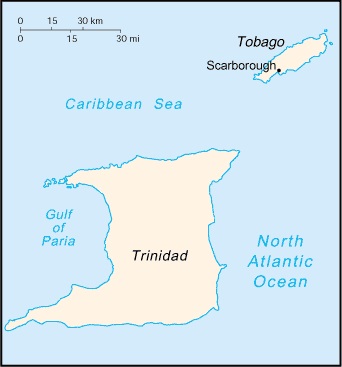
Scarborough, Tobago

CU Blog - Tobago - A Model for Cruise Tourism - Photo 1

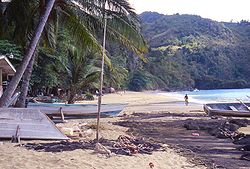
Beach scene on Tobago

From a strictly economic consideration, stay-overs are preferred. The visitors consume more of the local culture and spend more monies on amenities like hotels, taxis, restaurants, shopping and excursions. On the other hand, cruise passengers consume most of these amenities onboard the ships, with just spin-off revenues to the local port cities.

CU Blog - Tobago - A Model for Cruise Tourism - Photo 3The experience of tourism in the Caribbean is that there has been a sea-change since 2008; the crisis of the Great Recession deeply impacted the region as prosperity in the foreign countries – source markets – became spurious. Yes, the high-end tourist resorts have flourished since the Great Recession, but properties catering to the general middle class have floundered. The one exception being the emergence of the cruise industry as a viable vacation option for the general American population. The CU therefore plans to empower the industry directly, and to elevate the cruise industry’s impact on Caribbean society.

Plus, cruise lines are an effective way to introduce and grow a tourism product “from scratch”. This is the model for the island of Tobago, the secondary island (population of 62,000) in the federated Republic of Trinidad and Tobago. Tobago’s main economy is based on tourism, fishing, and government spending, with government spending being the largest; (the local governing body – the Tobago House of Assembly – employs 62% of the labor force). Tourism is still a fledgling industry on the island and needs to be further developed. There are no casinos, just two golf courses, and perhaps just one hotel classified among the Caribbean resort-variety; but the island boast great eco-tourism opportunities.

See this article here referring to the pending expansion of cruise operations to Tobago:

1. Title: More on Carnival’s Tobago Plans
By: The Caribbean Journal staff; retrieved from: http://www.caribjournal.com/2015/03/16/more-on-carnivals-tobago-plans/  

Carnival Cruise Lines has already announced its plans to visit Tobago next year, and now the company has revealed more information on its schedule.

The cruise line began visiting Tobago in February 2015, part of a longer itinerary that includes St Maarten, Dominica, Barbados, Scarborough, Grenada, Martinique, St Kitts and St Thomas.

“Based on feedback from our guests and travel agent partners, we’re delighted to offer these longer length voyages which provide vacationers an opportunity to visit some of the world’s most breathtaking destinations while enjoying all the wonderful on-board innovations and features found aboard Carnival’s ships,” said Terry Thornton, senior vice president of itinerary planning at Carnival.

The cruise line’s arrival will bring an estimated 10,642 Carnival passengers to the island next year.

VIDEO: Top 5 Beaches of Tobago – https://youtu.be/lpIg_6kzW0Q

Published on Dec 22, 2014 – Check out Tobago’s Top 5 Beaches as listed in the 2014 Tobago International Cycling Classic show which aired on ESPN in November. Tobago is one of the most beautiful islands in the Caribbean and it’s many beaches is one of the reasons.

The Go Lean book posits that this strategy is not enough; it is deficient to support a growing economy; to state better: an economy that should be growing. In general, the Caribbean economy is in crisis. Communities that are too dependent on tourism have suffered since 2008, directly and indirectly. Directly, the communities are deriving fewer returns from the tourism investments, especially where cruise operations are concerned. Indirectly, the crisis has driven many young ones to flee the region, setting their sights on foreign shores as the destination for their dreams and aspirations.

While Tobago is looking to expand its cruise traffic, as a way to springboard its nascent tourist industry, other communities are looking at ways to expand the yield from the existing cruise tourist traffic.

Consider this second news article here relating the efforts in Jamaica (and elsewhere) to increase the per-passenger average “spend” amounts:

2. Title: Jamaica unhappy with cruise pax spending
By: Gay Nagle Myers; Travel Weekly Magazine – Industry Periodical – Posted September 25, 2012; retrieved 03/18/2015 – http://www.travelweekly.com/Cruise-Travel/Jamaica-unhappy-with-spending-levels-of-cruise-passengers/

Jamaica’s cruise numbers saw solid growth last year, but tourism authorities there are not pleased with the level of per-passenger spending, which trails most other major cruise destinations in the Caribbean.

CU Blog - Tobago - A Model for Cruise Tourism - Photo 4Data about Jamaica’s cruise industry are contained in the recently released Annual Travel Statistics 2011, a hefty document published by the Jamaica Tourist Board that examines all facets of visitor arrivals, hotel occupancy by room size category and visitor expenditure.

Tourism data were compiled from embarkation/disembarkation cards filled out by visitors arriving by air and by exit surveys at the airports and at cruise ship piers.

Data on cruise ship arrivals were obtained from the ships’ manifests.

In many instances, the current figures are compared to figures for the years since 2007 to illustrate how well or poorly certain tourism segments are faring.

Jamaica had solid cruise growth in 2011, welcoming more than 1.1 million passengers, a jump of 23.7% over 2010.

The main contributing factor to the turnaround in passenger arrivals was the opening of the Falmouth pier in Trelawny in February 2011.

In the 11 months that followed, the port of Falmouth hosted 110 cruise ship calls and was the entry point for 456,442 cruise ship passengers, or 40.6% of all passengers arriving in Jamaica. That included 21 calls by Royal Caribbean International’s Oasis of the Seas, accounting for 125,023 passengers.

The port of Ocho Rios, which in the past provided the largest share of Jamaica’s cruise arrivals, accounted for 417,520 of total cruise passengers in 2011, or 37.1%.

The port of Montego Bay accounted for 250,491 passengers, or 22.3%. The problem lies in how much those passengers spent in their ports of arrival. Overall gross visitor expenditure in 2011 was estimated at just over $2 billion, an increase of just 0.4% over 2010.

Foreign visitors arriving by air spent $1.85 billion, while cruise passenger spend totaled $80 million, and nonresident Jamaicans visiting friends and family contributed $76 million.

This means that the average tourist on holiday spent $115.74 per person per night, while cruise passengers strolling the streets of Falmouth or the vendor stalls in Montego Bay spent just $71.27.

The level of cruise passenger spend is not sitting well with tourism officials. It represents a drop of 20%, or $16 per passenger, the lowest in 10 years, according to the JTB annual report.

This is a disappointing payback following the opening of the much-touted Falmouth pier.

William Tatham, vice president of the Port Authority of Jamaica, said tourism officials would like to see a 70% jump in the cruise spend per passenger, to $120 per person, in the coming cruise season.

That goal could be realized with the opening of Margaritaville Falmouth at the cruise pier later this year.

The planned $7 million, 17,000-square-foot attraction will include a pirate ship with a pool and water slide, a zipline and a Jacuzzi right on the dock, according to Ian Dear, CEO of Island Entertainment Brands, which operates 27 Margaritaville venues, four of them in Jamaica.

Even if Jamaica should reach its goal of passengers spending $120 a day, the island still will trail the Bahamas and the U.S. Virgin Islands, the Caribbean’s two top-volume cruise ports, when it comes to per-passenger spend.

CU Blog - Tobago - A Model for Cruise Tourism - Photo 5The Bahamas welcomed 4.1 million cruise passengers in 2011, up 9.4% from the 3.8 million it welcomed in 2010.

The average spend of a Bahamas cruise passenger in 2012 is $111, up from $73 in 2011, according to Carla Stuart, director of cruise development for the Ministry of Tourism.

“The Bahamas remains the leader in the cruise industry in the region,” Stuart said. “For the first quarter of 2012, we saw more than an 11% increase in cruise arrivals compared to the same period in 2011. We expect this growth will continue throughout the year, bringing in significant revenue to small businesses and individuals employed directly and indirectly in the tourism sector.”

The USVI cruise numbers stood at 2 million in 2011, up 8.1% from 1.8 million in 2010, putting it third in cruise volume in the Caribbean region. (If Cozumel, Mexico, an island port in the Western Caribbean off Mexico’s Riviera Maya region, is factored into the Caribbean cruise data, it actually outranks the USVI with 2.8 million cruise arrivals in 2011, down 1.4% from the 2.9 million in 2010.)

Passengers disembarking in St. Thomas and St. Croix outspent those in Nassau and Freeport, Bahamas last year, dropping $156 per person on duty-free items, island tours, banana daiquiris at Mountaintop in St. Thomas or Buck Island snorkeling tours in St. Croix.

However, the 2011 figure fell from the 2010 figure of an average spend of $167 per cruise passenger, according to the Department of Tourism.

Projected cruise passenger spend for the U.S. Virgin Islands during the 2012-2013 cruise season is $165 per person.

The Caribbean region needs to focus on growing the economy and creating jobs. The Go Lean book asserts that this effort is too big a task for any one Caribbean member-state alone, that Jamaica, Tobago and other port cities need to convene, confederate and collaborate with the other regional member-states. As such, the Go Lean book serves as a roadmap for the introduction and implementation of the technocratic Caribbean Union Trade Federation (CU), for the elevation of Caribbean society – for all member-states including Tobago. This CU/Go Lean roadmap has these 3 prime directives:

  • Optimization of the economic engines in order to grow the regional economy to $800 Billion and create 2.2 million new jobs.
  • Establishment of a security apparatus to protect the resultant economic engines.
  • Improvement of Caribbean governance – including local government – to support these engines.

The Go Lean book (Page 193 – 10 Ways to Impact Cruise Tourism) makes this simple assertion that the unification of the region into a Single Market will allow for collective bargaining with the cruise industry; no one nation-state would have the clout of a unified market. The industry needs the Caribbean more than the Caribbean needs the industry. The ports-of-calls need to be able to generate more revenue from the visiting passengers, but the cruise line have embedded rules/regulations designed to maximize their revenues at the expense of the port-side establishments. There is a better way!

Yet still, the strategies and tactics of the Go Lean roadmap are not to be contrarian for the region’s business stakeholders, but rather to promote and facilitate more business options, even for the cruise lines – we are cheerleaders. The cruise lines will have a partner in this Trade Federation for facilitating the best Caribbean experience for their passengers. We want to make the Caribbean better … to live, work and play for visitors and residents alike. And when something goes awry, the CU’s Emergency protocols will be engaged to facilitate a quick recovery.

A win-win…

The book stresses (early at Page 11 & 14) the need to be on-guard for opportunities to expand cruise industry performance in these pronouncements in the Declaration of Interdependence:

iv.  Whereas the natural formation of the landmass is in a tropical region, the flora and fauna allows for an inherent beauty that is enviable to peoples near and far. The structures must be strenuously guarded to protect and promote sustainable systems of commerce paramount to this reality.

xxvi.  Whereas the Caribbean region must have new jobs to empower the engines of the economy and create the income sources for prosperity, and encourage the next generation to forge their dreams right at home, the Federation must therefore foster the development of new industries, like that of ship-building, automobile manufacturing, prefabricated housing, frozen foods, pipelines, call centers, and the prison industrial complex. In addition, the Federation must invigorate the enterprises related to existing industries like tourism, fisheries and lotteries – impacting the region with more jobs.

This commentary previously related details of Caribbean tourism dynamics and the region’s own job-creation efforts. Here is a sample of earlier blogs:

https://goleancaribbean.com/blog/?p=4263 State of Aruba’s Mono-Industrial Economy
https://goleancaribbean.com/blog/?p=4145 The African Renaissance  Monument – Model for Art Tourism
https://goleancaribbean.com/blog/?p=4058 The Bahamas missed tourism marketing in New York due to the New York Times focus on immigration dysfunction.
https://goleancaribbean.com/blog/?p=3743 Trinidad cuts budget as oil prices tumble – Perils of a mono-industrial economy.
https://goleancaribbean.com/blog/?p=2750 Disney World – Role Model for Touristic Self-Governing Entities
https://goleancaribbean.com/blog/?p=2571 More Business Travelers Flock to Airbnb
https://goleancaribbean.com/blog/?p=2207 Bad Model – Hotels making billions from Resort Fees
https://goleancaribbean.com/blog/?p=1984 Casinos Changing/Failing Business Model for Tourism activities
https://goleancaribbean.com/blog/?p=1943 The Future of Golf; Vital for Tourism, but failing badly
https://goleancaribbean.com/blog/?p=510 Florida’s Snowbirds Chilly Welcome – Bad Model for managing a great demographic and market potential.
https://goleancaribbean.com/blog/?p=273 10 Things We Want from the US – #2: Tourists
https://goleancaribbean.com/blog/?p=242 The Erosion of the Middle Class
https://goleancaribbean.com/blog/?p=235 Tourism’s changing profile

The Go Lean book and accompanying blogs posit that for the Caribbean tourism is undergoing change due to … a changing world:

“If we do what we have always done, we will no longer get what we always got”.

The world is now considered flat, because it is digital and connected. The region must explore all the marketing opportunities there-in. This is the charge of the Go Lean…Caribbean roadmap, to do the heavy-lifting, to implement the organizational dynamics to optimize Caribbean tourism here and now. The following are the community ethos, strategies, tactics, implementations and operational advocacies to effectuate this goal:

Community Ethos – People Respond to Incentives Page 21
Community Ethos – Economic Systems Influences Choices & Incentives Page 21
Community Ethos – Job Multiplier Page 22
Community Ethos – Lean Operations Page 24
Community Ethos – Ways to Improve Negotiations – Cruise Collective Bargaining Page 32
Community Ethos – Ways to Impact the Greater Good Page 37
Strategy – Vision – Make the Caribbean the Best Address on Planet Page 45
Strategy – Mission – Facilitate transportation options for passengers and cargo Page 46
Strategy – Agents of Change – Technology Page 57
Strategy – Agents of Change – Globalization Page 57
Anecdote – Carnival Corporation Strategy Report Page 61
Tactical – Separation of Powers – Tourism Promotion and Administration Page 78
Implementation – Assemble Regional Organs Page 95
Implementation – Ways to Deliver Page 109
Implementation – Ways to Impact Social Media – Tourism Outreach Page 111
Implementation – Ways to Benefit from Globalization Page 119
Implementation – Ways to Promote Independence Page 120
Planning – 10 Big Ideas for the Caribbean – Confederate to Single Market Page 127
Planning – Ways to Improve Trade Page 128
Planning – Lessons Learned from 2008 Page 136
Advocacy – Ways to Grow the Economy Page 151
Advocacy – Ways to Create Jobs Page 152
Advocacy – Ways to Improve Governance Page 168
Advocacy – Ways to Improve Local Governance – Help communities like Tobago Page 169
Advocacy – Ways to Reduce & Mitigate Crime – Against Tourist Protected Class Page 178
Advocacy – Ways to Enhance Tourism – Regional promotion and facilitation Page 190
Advocacy – Ways to Impact Cruise Tourism – 10 specific steps/actions for improvement Page 193
Advocacy – Ways to Improve Transportation – More efficiency in moving people Page 205
Advocacy – Ways to Preserve Caribbean Heritage … and Culture Page 218
Advocacy – Ways to Impact Trinidad & Tobago – More can be done Page 240
Appendix – Lessons Learned – Trinidad & Tobago – Floating the T&T Dollar Page 316

Cruising in the Caribbean is a great experience; we must grow this business. Staying-over in the Caribbean is even better, allowing more time to enjoy sun, sand, sea, surf, savor, salsa and smoke; (savor as in foods; salsa as in dance and smoke as in cigars). We can definitely grow this business with more technocratic deliveries. The Go Lean book provides 370 pages of turn-by-turn directions on how to accomplish this grandiose goal.

Now is the time for all of the Caribbean – the people, business and governing institutions – to lean-in to this Go Lean … Caribbean roadmap. This plan is conceivable, believable and achievable to make the region better places to live work and play. 🙂

Download the book Go Lean … Caribbean – now!

Share this post:
, , , , ,
[Top]

RBC EZPay – Ready for Change

Go Lean Commentary

It’s time to introduce the Caribbean Dollar (C$) as a regional currency. Though there will be coins and notes, the primary focus will be on electronic transactions. This is the future!

Electronic Payments schemes (card-based & internet) are very important in the strategy to elevate the Caribbean economy, bring change and empower people, process and profits.

According to the subsequent news article, the regional banks – in this case the Royal Bank of Canada (RBC) – are ready for this change.

CU Blog - RBC EZPay - Ready for Change - Photo 3Roseau, Dominica – RBC Royal Bank today unveiled its new RBC EZ Pay Wireless Terminals, a wireless device that can be used to complete credit card transactions anywhere where a cellular phone can be used.

“This product is ideal for car rental companies, as well as for use at restaurants, tour and taxi operators, local outdoor markets, trade shows and even community and festive events,” said Mr. Yuri Lazare, Country Head, Dominica. “We are proud to be the pioneers of this technology in Dominica, providing a payment solution that is limitless in terms of where it can be used; effortless in that it is so easy to set up and use; and completely wireless, allowing merchants to accept payments wherever their customers are.”

RBC is the first financial services company in Dominica to offer this innovative product, which has many features. RBC EZ Pay is a high-speed, cordless point-of-sale terminal with an integrated antenna and printer. It has the ability to process Visa, MasterCard, Diners Club and Discover credit cards. It also has a backlit display, a secure network and a rechargeable/removable battery.

CU Blog - RBC EZPay - Ready for Change - Photo 1“Retailers who have previewed the RBC EZ Pay Wireless Terminal like it because it provides flexibility to set up temporary payment locations, such as at sidewalk sales and special events. The device also gives restaurant owners the flexibility to take payment from their customers wherever they are seated, even on outdoor patios or bars,” said Dave Legge, Manager for Commercial Financial Services, Eastern Caribbean. “With this system, car rental companies and other on-the-go vendors can now accept credit payments, which can help expand their business.”

This new product launch continues the long tradition of leadership that RBC has displayed in Dominica.  “In March this year, RBC celebrated 95 continuous years of doing business in Dominica and we look forward to continuing this partnership for many years to come” said Mr. Yuri Lazare, Country Head Dominica. “We appreciate the many opportunities we have had to play a role in the national development of the country.  Today’s launch is historic and evidence of our dedication to delivering innovative product solutions that create an environment in which Dominicans can maximize their entrepreneurial potential.”

Business persons interested in learning more about this new product and obtaining pricing can visit our Roseau branch or call Ermine Darroux at 255 – 1803.
Dominica News Online – Website for Daily Newspaper- (Posted 06/11/2010; Retrieved 01/23/2015) –
http://dominicanewsonline.com/news/homepage/news/business/rbc-unveils-rbc-ez-pay-wireless-terminals/

This point is detailed in the book Go Lean…Caribbean, a roadmap for the introduction of the Caribbean Union Trade Federation (CU) and the Caribbean Central Bank (CCB). This Go Lean roadmap has 3 prime directives:

  • Optimization of the economic engines in order to grow the regional economy to $800 Billion & create 2.2 million new jobs.
  • Establishment of a security apparatus to protect the resultant economic engines.
  • Improve Caribbean governance to support these engines.

This Go Lean/CU/CCB roadmap looks to employ electronic payments schemes to impact the growth of the regional economy. There are two CU schemes that relate to this foregoing news story, as they require the demonstrated POS terminals:

  • Cruise Passenger Smartcards – The Go Lean roadmap posits that the cruise industry needs the Caribbean more than the Caribbean needs the industry. But the cruise lines have embedded rules/regulations designed to maximize their revenues at the expense of the port-side establishments. The CU solution is to deploy a scheme for smartcards that function on the ships and at the port cities.
  • e-Commerce Facilitation – The Go Lean roadmap defines that the Caribbean Dollar (C$) will be mostly cashless, an accounting currency. So the Caribbean Central Bank (CCB) will settle all C$ electronic transactions (MasterCard-Visa style or ACH style) and charge interchange/clearance fees. This scheme allows for the emergence of full-throttle e-Commerce activities.

The focus of these schemes is not technology, its economics.  These electronic payments provide the impetus for M1, the economic measurement of currency/money in circulation (M0) plus overnight bank deposits. As M1 values increase, there is a dynamic to create money “from thin-air”, called the money multiplier. The more money in the system, the more liquidity for investment and industrial expansion opportunities.

An additional economic benefit is the mitigation of Black Market “under-the-table” transactions that proliferate in a cash-only environment. These neutralize government revenue schemes: sales tax, VAT, etc.

CU Blog - RBC EZPay - Ready for Change - Photo 2Though the foregoing article refers to the Royal Bank of Canada, the currency in focus here is not the Canadian dollar, but rather the new Caribbean dollar. This Canadian bank, along with others – Bank of Nova Scotia, Canadian Imperial Bank of Commerce (CIBC) / FirstCaribbean – support local currencies, like the Bahamian dollars, Jamaican dollars, T&T dollars, etc. In fact, in whichever country RBC operates, they transact in local currency. The Go Lean roadmap calls for that same participation with the new C$ regional currency.

If the Caribbean member-states already have currencies, why is there the need to transform to a new currency regime?

The Go Lean book posits that the Caribbean is in crisis, and that this “crisis is a terrible thing to waste”. The region has been devastated by currency mis-management over the decades; (for example, the Jamaica dollar was trading 87-to-1 at the end of 2009 and conditions have only worsened since then). In most cases, local Caribbean currencies have been pegged to the US Dollar, but even American stewardship have hurt Caribbean fortunes, the dollar has lost value compared to other bread-basket currencies (Euros, British Pound Sterling, Swiss Franc, Japanese Yen, Chinese Yuan, etc.), meaning that the global buying power has dwindled more and more for the average Caribbean resident due to no fault of his own. These internal and external currency factors have contributed to the Caribbean economic crisis, and the urgent need for reform, re-boot and remediation.

The book posits that to adapt and thrive in the new global marketplace there must be more strenuous management, technocratic optimizations, of the region’s currencies. This is the charge of Go Lean roadmap, opening with the Declaration of Interdependence (Page 13) and these pronouncements:

xxiv.    Whereas a free market economy can be induced and spurred for continuous progress, the Federation must install the controls to better manage aspects of the economy: jobs, inflation, savings rate, investments and other economic principles. Thereby attracting direct foreign investment because of the stability and vibrancy of our economy.

xxv.    Whereas the legacy of international democracies had been imperiled due to a global financial crisis, the structure of the Federation must allow for financial stability and assurance of the Federation’s institutions. To mandate the economic vibrancy of the region, monetary and fiscal controls and policies must be incorporated as proactive and reactive measures. These measures must address threats against the financial integrity of the Federation and of the member-states.

Creating the CU/CCB governance is “Step One, Day One” in the Go Lean roadmap. The strategy is to implement the bank and C$ currency with the appropriate regulatory framework, tools and infrastructure, to facilitate the electronic schemes identified above.

The foregoing article, demonstrates that this regional bank (RBC) is ready for this change, but evidence abounds that the other banks are equally competitive. See VIDEO sample below for the bank-neutral “The Square Credit Card Reader”.

The Go Lean book details a series of community ethos, strategies, tactics, implementations and advocacies to foster the proper controls for electronic payments/virtual money in the Caribbean region:

Community Ethos – Economic Principles Page 21
Community Ethos – Money Multiplier Principle Page 22
Community Ethos – “Light Up the Dark Places” Page 23
Community Ethos – Lean Operations Page 24
Community Ethos – Cooperatives Page 25
Community Ethos – Ways to Impact the Future Page 26
Community Ethos – Promote Intellectual Property Page 29
Community Ethos – Ways to Bridge the Digital Divide Page 31
Tactical – Separation of Powers – Central Banking Page 73
Implementation – Assemble Central Bank Cooperative Page 96
Implementation – Ways to Deliver Page 109
Implementation – Ways to Impact Social Media Page 111
Planning – Ways to Better Manage Image Page 129
Anecdote – Caribbean Currencies Page 149
Advocacy – Ways to Mitigate Black Markets Page 165
Advocacy – Ways to Foster Cooperatives Page 176
Advocacy – Ways to Impact Cruise Tourism – Smartcard scheme Page 193
Advocacy – Ways to Foster Technology Page 197
Advocacy – Ways to Foster e-Commerce Page 198
Advocacy – Reforms for Banking Regulations Page 199
Appendix – Alternative Remittance Modes Page 270

The points of effective, technocratic banking/currency stewardship, were further elaborated upon in these previous blog/commentaries:

https://goleancaribbean.com/blog/?p=3814 Lessons from the Swiss unpegging the franc
https://goleancaribbean.com/blog/?p=3582 For Canadian Banks: Caribbean is a ‘Bad Bet’
https://goleancaribbean.com/blog/?p=3090 Lessons Learned – Europe Sovereign Debt Crisis of 2009
https://goleancaribbean.com/blog/?p=2930 ‘Too Big To Fail’ – Caribbean Version
https://goleancaribbean.com/blog/?p=2074 MetroCard – Model for the Caribbean Dollar
https://goleancaribbean.com/blog/?p=1350 PayPal expands payment services to 10 markets
https://goleancaribbean.com/blog/?p=906 Bitcoin virtual currency needs regulatory framework to change image
https://goleancaribbean.com/blog/?p=833 One currency, divergent economies

There are so many benefits to deploying the e-Payment functionality of the C$:

  • More Cruise Tourism Spending
  • Fostering e-Commerce
  • Increase of M1
  • Mitigation of Black Markets

Now is the time for all of the Caribbean, the people, the banking establishments and governing institutions, to lean-in for these empowerments described in the Go Lean/CU/CCB roadmap. The benefits are too alluring, and far overdue, a better place to live, work and play. 🙂

Download Go Lean … Caribbean – now!

——-

VIDEO – How To Use The Square Credit Card Reader With Your Phone. Get It For Free. http://youtu.be/-RtmHsLxcrA

Published on Jun 28, 2014 – Using The Reader. Take Credit Card Payments With Your Phone. Signing up, getting and how to use the Square credit card reader by Square Up with a Samsung Galaxy Note III. Tutorial. Great for small businesses.

Share this post:
, , , , ,
[Top]

Hotels are making billions from added fees

Go Lean Commentary

CU Blog - Hotels are making billions from added fees - Photo 1

The attack on the middle class continues…

The foregoing news article/VIDEO relates to the middle class in the US. Normally this would not be an issue for the Caribbean to consider except this story is relating the pressures on the customer base that the region relies on for its primary economic driver: tourism.

Plus most Caribbean resorts also apply a “resort fee”.

By: NBC News – The Today Show
How hotels are making billions from added fees – http://www.today.com/video/today/55935286#55935286
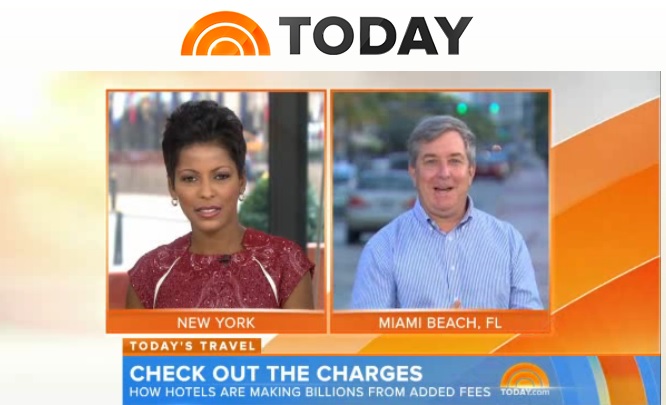
Hotels are taking a page from the airline industry, and it’s costing consumers a lot more. The fees added up to $2.5 billion just last year. NBC’s Kerry Sanders reports.

This subject is pivotal in the roadmap for elevation of the Caribbean economy, which maintains that tourism will continue to be the primary economic driver in the region for the foreseeable future. The book Go Lean…Caribbean calls for the elevation of Caribbean society, to re-focus, re-boot, and optimize all the engines of commerce so as to make the Caribbean a better place to live, work and play. The Caribbean has become a playground for the US. So we cannot, indeed we must not ignore the middle class.

What is important in this discussion is the functionality of economic planning. Already the attacks on the middle class has shrunk their disposable income, retirement savings and buying power. We need to continue to monitor the progress of this economic group. This effort (the foregoing VIDEO and the Appendix) is an iteration in this monitoring charter.

The Great Recession came and went. The US lost $11 Trillion in the crisis, then gained $13.5 Trillion in the recovery (Go Lean book Page 69). Unfortunately the ones that lost are not the ones that gained. The world has changed; the middle class has shrunk, the poor has expanded, and the One Percent has expanded in affluence and influence.

So the markets that Caribbean tourism planners cater to have now changed. The Great Recession should have been a lesson enough for the Caribbean to develop a more resilient economy, to be nimble in strategies, tactics and implementation. Unfortunately, the experience (and the following list) shows that the planners are repeating the same mistakes and following the same bad American model. The following are resort fees of what are considered the best properties in the Caribbean, according to the US-based cable TV Travel Channel (http://www.travelchannel.com/interests/beaches/articles/top-10-caribbean-resorts):

Preface: Top 10 Caribbean Resorts

Welcome to paradise. We’re counting down Caribbean resorts with crystal-clear waters, powder-soft sands, sumptuous settings and world-class accommodations. These aren’t your average cookie-cutter beachfront hotels either. These Caribbean hot spots rank among the most luxurious and lavish in the world:

Resort Property

Resort Fee

1

Hyatt Regency, Aruba Resort & Casino

– $0.00 –

2

CaneelBay, St. John, US Virgin Island

10% Service Fee

3

Parrot Cay By Como, Providenciales, Turks and Caicos Islands

– $0.00 –

4

Little Dix Bay, Virgin Gorda, British Virgin Islands

$32.00

5

Beaches Turks & Caicos Resort and Spa, Providenciales

All   Inclusive

6

Ritz-Carlton St. Thomas, St. Thomas, US Virgin Islands

$62.00

7

Four Seasons Resort, Pinney’s Beach, Charlestown, Nevis

$33.85 + $20.00

8

Atlantis, ParadiseIsland, Nassau, Bahamas

$20.70 – $65.95

9

Sandy Lane, St. James, Barbados

– $0.00 –

10

Hotel Maroma, Cancun, Mexico St. Regis Bahia Beach Resort, Puerto Rico

$60.00

According to the foregoing VIDEO and article in the Appendix, there are major issues in the acceptance of hotel resort fees. In the US, complaints have been made to the Federal Trade Commission (FTC), the US watchdog for deceptive business practices. Despite some queries, there has been no definitive regulatory action.

CU Blog - Hotels are making billions from added fees - Photo 2We must do better in the Caribbean. The fear is that these practices may lead more to embrace “cruises” as their mode for enjoying Caribbean shores. This may be how the US middle class “plays” in the Caribbean.

What is wrong with cruises? Nothing … per se. We welcome all visitors that come to the region. As it is, the Go Lean book describes 80 million visitors annually. If there is a preference though, we would choose air-hotel packages as opposed to cruise options. The Go Lean book details that cruise passengers average $237/day in spending while on a cruise ship. Unfortunately, the majority (80%) of that money is spent with the foreign-based cruise line, not in the destination; the port cities get trinkets ($20 – $30 per day) in port-side souvenirs and tours.

Resort hotels in the Caribbean generate a lot of economic activities down the line: airports, taxis, restaurants, casinos, shopping, etc. The strategy employed by cruise lines is to embed most of all these activities on the ship. This difference is not ignored in the Go Lean consideration of Caribbean commerce (Page 61).

This book Go Lean… Caribbean, serves as a roadmap for the introduction and implementation of the technocratic Caribbean Union Trade Federation (CU). The CU/Go Lean roadmap has 3 prime directives:

  • Optimization of the economic engines in order to grow the regional economy to $800 Billion and create 2.2 million new jobs.
  • Establishment of a security apparatus to protect the resultant economic engines and marshal against economic crimes.
  • Improve Caribbean governance to support these engines.

Early in the book, the responsibility of monitoring and managing economic trends were identified as a crucial role of the CU; these statements were pronounced in the Declaration of Interdependence (Pages 13) as follows:

xxiv. Whereas a free market economy can be induced and spurred for continuous progress, the Federation must install the controls to better manage aspects of the economy: jobs, inflation, savings rate, investments and other economic principles. Thereby attracting direct foreign investment because of the stability and vibrancy of our economy.

xxv.  Whereas the legacy of international democracies had been imperiled due to a global financial crisis, the structure of the Federation must allow for financial stability and assurance of the Federation’s institutions. To mandate the economic vibrancy of the region, monetary and fiscal controls and policies must be incorporated as proactive and reactive measures. These measures must address threats against the financial integrity of the Federation and of the member-states.

The Caribbean tourism resort properties depend on their resort amenities. This commentary previously related details of the changing macro-economic factors (like demographics) that are currently affecting the region’s resorts, including amenities like golf and casinos:

https://goleancaribbean.com/blog/?p=1984 Casinos Changing/Failing Business Model
https://goleancaribbean.com/blog/?p=1943 The Future of Golf; Vital for   Tourism
https://goleancaribbean.com/blog/?p=782 Open/Review the Time Capsule: The Great Recession of 2008
https://goleancaribbean.com/blog/?p=273 10 Things We Want from the US and 10 Things We Don’t Want from the US – # 2: Tourists
https://goleancaribbean.com/blog/?p=242 The Erosion of the Middle Class
https://goleancaribbean.com/blog/?p=235 Tourism’s changing profile

Accordingly the tourist industry needs to be cognizant of the changing landscape in world economics; they need to minimize the downward pressure on their product. There needs to be a promoter for Caribbean commerce and a Sentinel for Caribbean image.

Who is up for this challenge? Not the FTC; despite having two Caribbean territories within its scope (Puerto Rico & US Virgin Islands), this agency has “fallen asleep at the switch” in its duty to regulate the markets and mandate a level-playing-field. For the Caribbean (region as a whole) we must perform this function on our own.

This roadmap posits that the Caribbean must not allow the US to lead for our own nation-building. We must step up and step forward for ourselves. We have the means and the methods to better ensure a quality experience to our hotel/resort visitors. The roadmap calls for oversight by an Interstate Commerce Administration within the Commerce Department of the CU. But there is no need for Caribbean hoteliers to fear! This agency will be more of a partner/promoter than that of a regulator. The plan is simple: require non-optional resort fee pricing to be fully disclosed as part of the base hotel rate. Then ensure a level-playing-field for all market participants.

This strategy, tactic and implementation features the heavy-lifting of Caribbean economic reform/reboot. Caribbean tourism is in need of this reform/reboot to attract and return visitors to our shores to enjoy our hospitality. But the interest of our visitors must also be protected, they are also stakeholders in the Caribbean reboot effort. The Go Lean… Caribbean book details the community ethos to adopt to proactively mitigate the dire effects of the changed demographic landscape, plus the executions of these additional strategies, tactics, implementations and advocacies:

Community Ethos – Economic Principle – People Respond to Incentives Page 21
Community Ethos – Economic Principle – Economic Systems Influence Individual Choices Page 21
Community Ethos – Job Multiplier Page 22
Community Ethos – Lean Operations Page 24
Community Ethos – Ways to Impact the Greater Good Page 37
Strategy – Vision – Best Address on the Planet Page 45
Tactical – Fostering a Technocracy Page 64
Tactical – Trade and Globalization Page 70
Separation of Powers – Sports and Culture Administration Page 81
Implementation – Ways to Pay for Change Page 101
Implementation – Ways to Deliver Page 109
Implementation – Ways to Impact Social Media Page 111
Implementation – Ways to Benefit from Globalization Page 119
Planning – Ways to Make the Caribbean Better Page 131
Planning – Lessons Learned from 2008 Page 136
Advocacy – Ways to Grow the Economy Page 151
Advocacy – Ways to Create Jobs Page 152
Anecdote – Butch   Stewart – Sandals Resorts Growth in   Tourism – Responding to  Guests Needs Page 189
Advocacy – Ways to Enhance Tourism Page 190
Advocacy – Ways to Impact Cruise Tourism Page 193
Advocacy – Ways to Foster Technology Page 197
Advocacy – Ways to Foster e-Commerce Page 198
Advocacy – Ways to Help the Middle Class Page 223
Advocacy – Ways to Impact the One Percent Page 224

The book Go Lean…Caribbean purports that the Caribbean is the greatest address in the world and sets on a roadmap to extend the invitation of Caribbean hospitality to not just Americans, but also the rest of the world. In order to appeal to the global market, this roadmap, posits that regional tourism stakeholders must traverse the changing landscape, in which some of the agents-of-change are technology and globalization.

The plan also calls for establishing Trade Mission Offices in divergent cities like Spain and Tokyo for outreach to Mid & Far Eastern markets.

The issues in the foregoing news stories emerged mostly because of the different experiences in booking hotel rooms online and then engaging the resort properties at check-in/check-out.  The roadmap advocates the art and science of using Internet & Communications Technologies and Social Media for bookings, and also for the advertising and selling of Caribbean culture and amenities. The plan is also to monitor and track comments/complaints from online postings – many have complained about being “nickeled-and-dimed” in hotels due to various resort/amenity fees.

With this roadmap, the people (and governing institutions) of the Caribbean step up and declare that we have learned from the lessons of the past; we have streamlined our products/services and we are ready to be the best address for the world to visit, even for those among the middle classes. The Caribbean therefore prepares for a better future, one in which the world recognizes that we are the best place to live, work and play.

Download the book Go Lean … Caribbean – now!

—————————————————————————

APPENDIX

Title: News Article: Resort Fees Explained: How to Spot (and Avoid) Them on Your Next Trip
Source: http://www.huffingtonpost.com/shermans-travel/resort-fees_b_4098716.html

Ah, those pesky resort fees. We’ve all encountered them in our travels, lurking on our hotel bills.

They’ve been around since the 1990s when they were generally utilized to pay for the upkeep of high-end facilities at upscale resorts; the beach clubs and tennis courts, for example. However, in the last five years or so, more and more hotels have been tacking on these annoying — and often spendy — extra charges for considerably lower-end facilities. For example, almost every explanation of these fees we’ve encountered includes such uninspiring “perks” as a newspaper and local phone calls.

According to research by Bjorn Hanson, divisional dean of the PrestonRobertTischCenter for Hospitality, Tourism, and Sports Management at New YorkUniversity, the U.S. hotel industry collected approximately $1.55 billion in fees and surcharges in 2009. Not all of which were resort fees, but you can see how fees and extras add up. Here’s a breakdown of these fees, how they work, when they’re charged, and how you can avoid them.

What is a Resort Fee?

A resort fee is a (usually unadvertised) mandatory fee tacked onto a nightly room rate. Fees can be as low as $3.50 per night at the Clarion Inn & Suites at International Drive, Orlando (they call this one a “safe fee”), to as much as $60 per night for the St. Regis Bahia Beach Resort, Puerto Rico.

A resort fee is almost always a fixed rate that is paid per room, per night, however some of the perks that come with the fee are only good for one person; like the one mai tai per day, per room offered by the Waikiki Beach Resort & Spa ($25 a day), or at Bally’s Las Vegas, where rooms sleep up to four people, but the $18 resort fee only allows two people access to the fitness center.

The things included in your fees run the gamut from the sublime ($25 resort fee applied towards some services at The Spa at the Trump Hotel, Las Vegas) to the ridiculous. Notary service at the Mirage Las Vegas ($25), anyone? But generally, the fee includes amenities such as WiFi, shuttle service, a newspaper, and the in-room phone.

Who Charges a Resort Fee?

You’ll find resort fees are most prevalent in a few specific destinations: Las Vegas, the Caribbean, Florida, and Hawaii. In Las Vegas, you’ll be hard pressed to find a hotel that does not charge a resort fee. The few that haven’t charged a fee in the past – such as Ceasar’s, which even launched a Facebook page at one point that asked visitors to “join the fight against Las Vegas resort fees” — are steadily jumping onto the resort fee bandwagon. From the point of view of the hotel, this is understandable. Why miss out on the extra cash that everyone else is already getting?

A few ski resorts also add resort fees, One   Ski Hill Place in Breckenridge, Colorado, for example, charges $30 a night, and the Viceroy Snowmass, also in Colorado, charges $16 a night.

How Do You Know if Your Hotel Charges a Resort Fee?

Read the fine print before you book. Resort fees tend to be hidden from advertised rates – the rationale presumably being that the site can lure guests in with low room rates before hitting them with an extra fee later. Say you’re searching for a hotel in Las Vegas on a third-party web site. You might see a good deal pop up like this one we found: The Palms Casino Resort for $67 on October 22. However, it’s not until you get to the booking page that you see the resort fee listed ($20 per night); bundled together with the taxes.

Several hotels hide the resort fee from their advertised room rates until you are ready to book; and even then they often do not include the fee in the reservation total, instead running a strip of (literally) fine print saying something like “rate and total room rates do not include the daily resort fee of $22 or applicable taxes.” (That’s taken from the Hard Rock Hotel and Casino, Las Vegas). You usually end up handing over the money at check-in or check-out.

While there’s often an element of surprise with resort fees, hotels have at least become more upfront about them since the FTC sent a letter to 22 hotel operators last year warning that their online rates may have been deceptive and in violation of FTC regulations. If you are still unsure, don’t hesitate to call the hotel before booking to ask exactly how much you will be paying, and for what.

Do You Have to Pay It?

The short answer is yes. There are a few resources available if you’re looking for more detail about resort fees. VegasChatter, for example, keeps an up-to-date list of Las Vegas hotels not charging resort fees (it contains only 11 hotels). There’s also no harm in trying to get the fees waived, especially if you advise management that you have no intention of using the facilities, or if you don’t want a newspaper or WiFi. This is more likely to be successful if you have status with the hotel’s loyalty program, which brings us to our final point…

Do You Earn Points on Resort Fees?

No. The extra money you are paying per night does not go toward your loyalty program status – even more reason to read the fine print, and keep yourself informed.

By
Karen Dion.

Share this post:
, , , ,
[Top]