Category: Ethos

Art and Science of Collaboration

Go Lean Commentary

CU Blog - Art and Science of Collaboration - Photo 1The book Go Lean…Caribbean opens with the thesis (Page 3) that the problems of the Caribbean are too big for any one member-state. So rather, solutions should be sought by accepting interdependence; shifting the responsibility to a region-wide, professionally-managed, deputized technocracy that can result in greater production and greater accountability. This deputized agency is the Caribbean Union Trade Federation (CU). The book therefore advocates that all Caribbean member-states (independent & dependent-territory) lean-in to this plan for confederacy, convention and collaboration.

Confederacy  refers to the federation, the legal structure that will represent/include all 30 Caribbean member-states in an integrated entity to forge the required solutions.

Convention is easy! Convening … means “showing up”.

On the other hand, collaboration is hard! For the purpose of this commentary, collaboration is defined as “a group of people who represent different aspects of an issue, working together to explore their differences and come up with solutions that couldn’t be achieved on their own”. This effort is definitely heavy-lifting, especially in this age of complexity where it is difficult to build consensus and compromise. This effort is hard, but not impossible! To succeed, the required hard-work or heavy-lifting must be guided by prudence and best practices.

It is hereby acknowledged that collaboration is an art and a science. The following summary applies:

Art

Consider the perspective of a constitutive communication approach:

  • Everyone involved in a collaborative effort has a different perspective…
  • How we see ourselves and others, and how others see us…
  • What we say is less important than how we say it…

Science

  • Collaborative Advantage – Good things that come from the success of the effort
  • Collaborative Inertia – Bad things that can come from a lack of this effort, the natural state of affairs
  • Collaboration Design
    • Structure – Get the right people in the right setting
    • Process – How people interact

This Art and Science of Collaboration is gleaned from this featured VIDEO here:

VIDEOThe Collaborative Challenge: Making Quality Decisions Together in the Age of Complexityhttp://youtu.be/iN_A7keXtVg

Published on Dec 13, 2012 – This video was developed by Matt Koschmann, a professor in the Department of Communication at the University of Colorado Boulder. The purpose is to explore the topic of collaboration and explain a constitutive communication approach to enhance our understanding of collaboration.

This and many other blog/commentaries drill deeper, double-down, on this quest for collaboration as necessary for long-term Caribbean solutions. The book and blogs posit that collaboration in spirit equals sharing in action. As a result, a lot of focus has been concentrated on sharing schemes, the Sharing Economy, that would be apropos for Caribbean implementation.

The quest to elevate Caribbean society includes embracing collaboration and sharing tools. If we are able to marry the efforts of all member-states in unison, a lot can be accomplished and the impact can be profound. This impact is pronounced in the CU‘s prime directives, identified with the following 3 statements:

  • Optimization of the economic engines in order to grow the regional economy to $800 Billion & create 2.2 million new jobs.
  • Establishment of a security apparatus to protect the resultant economic engines.
  • Improve Caribbean governance to support these engines.

The Go Lean book promotes “sharing” and collaboration as a community ethos, so as to mitigate the perils of “going at it alone”. This alludes to the emergence of the Sharing Economy that now proliferates due to advances in technology. These previous blog/commentaries detailed some examples:

https://goleancaribbean.com/blog/?p=2571 More Business Travelers Flock to Airbnb
https://goleancaribbean.com/blog/?p=1364 Car-Sharing Uber Demonstrations Snarl Traffic from London to Berlin
https://goleancaribbean.com/blog/?p=486 Incubator firm (Temasek) backs Southeast Asia cab booking app GrabTaxi

CU Blog - Art and Science of Collaboration - Photo 3

The book serves as a roadmap for the introduction and implementation of the technocratic CU. This roadmap posits that many issues and challenges for a Sharing Economy can only be managed with feasible economies-of-scale; thusly there is the need to master the art and science of collaboration. While the stakeholders, 30 member-states and 42 million people, should be able to unify and resolve many common problems, it is not the general public that is expected to lean-in to these principles, but rather their leaders: politicians and civil servants. This is part of the Go Lean effort to improve leadership and foster better leaders.

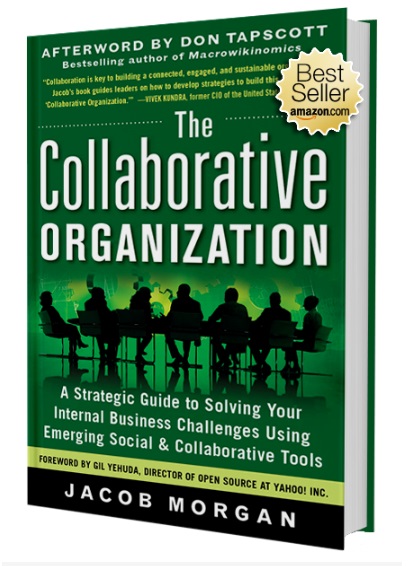
This is the theme of another book, a Bible-like publication on collaboration, The Collaborative Organization by Jacob Morgan. This author is the principal and co-founder of Chess Media Group, a management consulting and strategic advisory firm on collaboration. This 2012 publication serves as a strategic guide for executives and decision makers seeking to deploy emerging technologies and strategies in the workplace.

The About the Book summary from the Author is published as follows:

I believe that Collaborative Organizations can make the world a better place. We keep talking about and hearing about the value of collaboration for businesses but that’s selling it short. Collaboration can positively impact the lives of people inside and outside of the workplace. If we can create greater engagement among employees, make their lives easier at work, connect them to people and information from anywhere, and provide a place of growth and learning then we go far beyond just business benefit. Employees will feel less stressed out at work and at home, argue less with their spouses, feel a greater sense of purpose and belonging at work, and have more time to spend with their loved ones and families.

I realized that while this idea was unique and powerful it was not enough to drive action within the enterprise. I knew that in order to go from idea to action that business leaders needed something more. This is why I wrote The Collaborative Organization which is the first comprehensive strategy guide to emergent collaboration in the workplace. This book was written not just to benefit the organizations but the employees as well.

The book is supported by data from a research project that Chess Media Group (my firm) conducted and includes dozens of case studies as well as mini guest contribution pieces from executives and leaders who are leading collaboration at their organizations. Inside this strategy guide you will learn:

  • How to map uses cases to feature requirements
  • How to evaluate and select the right collaboration tools for your organization
  • How to structure collaboration teams to lead this initiative
  • How to deploy tools and prioritize features
  • How to gain and sustain employee adoption
  • Measuring success
  • How to evaluate your organization’s maturity in collaboration
  • How to structure governance
  • How to market and roll out this initiative to your company
  • How to evaluate and mitigate risks
  • and much more

(Source: http://www.thecollaborativeorganization.com/about-the-book/)
CU Blog - Art and Science of Collaboration - Photo 2

In line with the foregoing VIDEO, the Go Lean book details the applicable community ethos, strategies, tactics, implementation and advocacies as a roadmap to foster this empowerment among the business and governmental leaders in the region to fully explore collaboration and the Sharing Economy:

Community Ethos – People Respond to Incentives in Predictable Ways Page 21
Community Ethos – Economic Systems Influence Individual Choices &   Incentives Page 21
Community Ethos – Consequences of Choices Lie in the Future Page 21
Community Ethos – Governing Principles – Lean Operations Page 24
Community Ethos – Governing Principles – Return on Investments (ROI) Page 24
Community Ethos – Governing Principles – Cooperatives Page 25
Community Ethos – Ways to Foster Genius – Nurturing Leaders Page 27
Community Ethos – Ways to Help Entrepreneurship – Incubator Support Page 28
Community Ethos – Ways to Improve Negotiations Page 32
Community Ethos – Ways to Improve Sharing Page 35
Community Ethos – Ways to Impact the Greater Good Page 37
Strategy – Confederate 30 Caribbean Member-States Page 45
Strategy – Customers / Stakeholders – Governments, Businesses, and Citizens Page 47
Strategy – Competition – Shared Systems –vs- Premise based Page 51
Strategy – Agents of Change – Technology Page 57
Strategy – Agents of Change – Globalization Page 57
Tactical – Foster a Technocracy Page 64
Tactical – Separation of Powers – Shared Portal: www.myCaribbean.gov Page 74
Tactical – Separation of Powers – Caribbean Postal Union (CPU) Page 78
Tactical – Separation of Powers – Bicameral Legislature – Compromise Conferences Page 91
Implementation – Year 1 / Assemble Phase – Consolidate Organs into CU Page 96
Implementation – Trends in Implementing Data Centers – CoLocation Operations Page 106
Implementation – Assume Mail Operations – Collaborate/Share for all Caribbean Page 108
Implementation – Ways to Impact Social Media Page 111
Implementation – Ways to Benefit from Globalization – Level Playing Field with ICT Page 129
Planning – 10 Big Ideas – Shared/Single   Currency – Cooperative Central Bank Page 127
Planning – Lessons Learned from the West Indies Federation – Collaboration Quest Page 135
Advocacy – Ways to Grow the Economy Page 151
Advocacy – Ways to Create Jobs Page 152
Advocacy – Ways to Improve Governance Page 168
Advocacy – Ways to Better Manage the Social Contract – Share e-Government   systems Page 170
Advocacy – Ways to Improve Leadership Page 171
Advocacy – Ways to Manage Federal Civil Service Page 173
Advocacy – Ways to Foster Cooperatives Page 176
Advocacy – Improve Homeland Security – Shared-Collaborative Defenses Page 180
Advocacy – Ways to Foster Technology Page 197
Advocacy – Ways to Foster e-Commerce Page 198
Advocacy – Ways to Reform Banking – Cooperative/Collaborative Central Bank Page 199
Advocacy – Ways to Impact Foundations – NGOs to Share Delivery of Social Agenda Page 219

The roadmap posits that the CU should foster and incubate features of the Sharing Economy and other expressions of collaboration. The Go Lean book quotes the assessment of a scholar (Kent State University Professor Emeritus Dr. Kwame Nantambu) on Caribbean affairs and the need for collaboration (Page 135): “History has shown that only when a people come together to address issues that affect them collectively can they ever hope to resolve their problems. Caribbean people have common problems so that common sense should dictate that the only way to solve those problems is to come together collectively to address them. There is no other option.”

The Caribbean must change … to adapt to a changing world. We cannot compete alone, but together, collaboratively, we stand a fighting-chance to “snatch victory out of the jaws of defeat”. Failure is not an option; our Caribbean children are counting on us. Otherwise, more and more of them will be Canadian children, and American children, and British children, and so on…

The trends are already there. The Go Lean book opens with the declaration (Page 3) that the Caribbean is already in crisis. For some member-states, their population has declined or been flat for the last 3 decades. This is only possible if despite new births and the absence of war, people are fleeing. This scenario, human flight, is a constant threat to prosperity for all the Caribbean despite their colonial legacies. Our youth, the next generation, may not be inspired to participate in the future workings of their country; they may measure success only by their exodus from their Caribbean homeland.

As echoed in the foregoing VIDEO: “if there was ever a time to think differently about how we do things, this is it!

A collaborative approach to forging solutions to this common problem is perhaps our best hope. We can do the heavy-lifting; we can make the Caribbean, a better place to live, work and play. 🙂


Download the book Go Lean … Caribbean – now!

Share this post:
, ,

Success Recipe: Add Bacon to Eggs

Go Lean Commentary

 CU Blog - Success Recipe - Add Bacon to Eggs - Photo 2

Question: In a bacon-and-egg breakfast, what’s the difference between the Chicken and the Pig?
Answer: The Chicken is involved, but the Pig is committed!

The book Go Lean…Caribbean opens (Page 5) with the acknowledgement that despite having the “greatest address in the world”… the people of the Caribbean have no commitment, shared or National Sacrifice in support of their beautiful homelands.

This term National Sacrifice was introduced in a previous blog, and defined as the willingness to die for a greater cause; think “King/Queen and Country”. The blog/commentary posits that this spirit is currently missing in the recipe for fomenting the Caribbean homeland. This despite the fact that no one is being called on to “die”, but rather to simply live-work-play in their homeland.

The publishers of the Go Lean book wants to forge change in the Caribbean; they want to change the attitude of commitment for the entire community, country and region. This is not a wild fantasy as this has been done before in the US during WW II. But the Caribbean region has an alarmingly high societal abandonment rate, where 70% of college educated population in the English states have left in a brain drain, while the US territories have lost more than 50% of their overall populations.

Surely there is no debate that Caribbean people’s commitment to their homeland is lacking. Consider more fully the Chicken-Pig fable here:

Encyclopedic Referenced Source
Title: The Chicken and the Pig
The fable of The Chicken and the Pig is about commitment to a project or cause. When producing a dish made of ham and eggs, the pig provides the ham which requires his sacrifice and the chicken provides the eggs which are not difficult to produce. Thus the pig is really committed in that dish while the chicken is only involved, yet both are needed to produce the dish.

The fable of the Chicken and the Pig is used to illustrate the differing levels of project stakeholders involved in a project. The basic fable runs:[1]

  • A Pig and a Chicken are walking down the road.
    The Chicken says: “Hey Pig, I was thinking we should open a restaurant!”
    Pig replies: “Hmmm, maybe, what would we call it?”
    The Chicken responds: “How about ‘ham-n-eggs’?”
    The Pig thinks for a moment and says: “No thanks. I’d be committed, but you’d only be involved!”

Logically, this story/fable is at times presented as a riddle.

Interpretation and lessons
The fable has been used mostly in contexts where a strong team is needed for success, like in sports or in “Agile Software Development”*.

Agile Project Management
The fable was[2] referenced to define two types of project members by the Scrum Agile Management System:[3] pigs, who are totally committed to the project and accountable for its outcome, and chickens, who consult on the project and are informed of its progress. By extension, a rooster or gamecock, can be defined as a person who struts around offering uninformed, unhelpful opinions. This analogy is based upon the pig being able to provide bacon (a sacrificial offering, for which the pig must die in order to provide) versus a chicken which provides eggs (non-sacrificial).

For a Scrum project the Scrum Master and Team are considered as people who are committed to the project while customers and executive management are considered as involved but not committed to the project.

As of 2011, the fable has been removed from the official Scrum process.[4]

Sports
The fable also is used as an analogy for levels of commitment to a game, team, etc. For example, variations of this quote have been attributed to football coach Mike Leach who said, on the officials in the 2007 Tech-Texas game in Austin: “It’s a little like breakfast; you eat ham and eggs. As coaches and players, we’re like the ham. You see, the chicken’s involved but the pig’s committed. We’re like the pig, they’re like the chicken. They’re involved, but everything we have rides on this.”[5]
Wikipedia Online Encyclopedia – Retrieved 01-25-2014 –
http://en.wikipedia.org/wiki/The_Chicken_and_the_Pig

———-

* Agile Software Development (Scrum) – a group of software development methods in which requirements and solutions evolve through collaboration between self-organizing, cross-functional teams. It promotes adaptive planning, evolutionary development, early delivery, continuous improvement, and encourages rapid and flexible response to change.

The book Go Lean…Caribbean serves as a roadmap for the introduction and implementation of the technocratic Caribbean Union Trade Federation (CU); a confederation to bring change and empowerment, to the Caribbean region; to make the region a better place to live, work and play for all stakeholders (residents, visitors, businesses, and institutions).

This quest relates a commitment so vital to a community that everyone should be willing to sacrifice and lean-in for the desired outcome. This shared sacrifice was previously advocated in Bermuda (one of the 30 member-states) in the following editorial/commentary:

News Article Title: The fallacy of Bermuda’s shared sacrifice
By: Anthony Richardson, Guest Columnist
Bacon and Egg in a Cast Iron Frying PanBermudians often latch on to catch phrases and before long there is a unique Bermudian variation or the phrase is taken out of context.  A recent incarnation is the notion of ‘shared sacrifice’.

To help explain the correct context, I had to search the recesses of my mind and ask several friends.  And then I found the answer… the fable of the Chicken and the Pig dating back to 1950.

If you think the sacrifice is shared, try asking the pigs after breakfast!!

As a typical Bermudian, I want to add my own variation to the fable:

  • There was a sick farmer who needed eggs, bacon and milk to survive.
    All the farm animals got the chance to decide whether or not the farmer would get his breakfast.
    The cows and chickens spoke first — milk and eggs… no problem.
    Then some of the other animals spoke – the farmer should try just eggs and milk.
    Others — what will happen if he dies?  The goats spoke — we will provide milk if needed.  The turkeys spoke — are we sure he is sick, did he get a second opinion, has he been sick before, what caused the sickness; provide the bacon so he can get better!!
    The donkeys tried to speak but were shouted down.
    Next the pigs spoke – we understand that the farmer is sick. How much bacon is needed? We will provide it if absolutely necessary.  Our only request is to meet privately to decide how we will provide the bacon!!
    Then the farmer spoke.  I am getting worse, please hurry up and decide.
    He noticed a small group of animals standing aside and asked what they thought. They were speaking quietly. Apparently brain storming, conducting focus groups, talking to the elder animals and doing some online research. After a brief pause, they said we have at least one ‘outside the box’ suggestion. Is turkey bacon an option!!
    The turkeys were completely stunned and ran for the barn.

Bermuda’s lessons:

• There is no dispute that the farmer is sick (Bermuda will run out of cash) but not unto death (Bermuda will not go bankrupt). Any new borrowing will be expensive.

• The proposed sacrifice for the pigs, chickens, cows and other animals are not shared equally (public service salaries, government programmes, parliamentary salaries and the private sector).

• Do not shout down the donkeys; listen to the quiet observers and consider all options — genuine shared sacrifices… involve the community in the solution (OBA, PLP, employers, grocers, IB, banks, BELCo etc).

• There are some turkeys amongst us (lots to say until we realize the need for personal sacrifices equal to the pigs).

• The farmer’s good health is critical to the survival of the farm.

What kind of animal are you?  Chicken, Cow, Pig, Goat, Donkey, Turkey or general farm animal?

I repeat my recommendation for Premier Cannonier and PLP Leader MP Bean to jointly chair the Tripartite Economic Committee (‘The TEC’) arising from Public Employees’ salary negotiations.

Turkey bacon anyone?!
Bermuda Sun Daily Newspaper – Posted 10-25-2013; Retrieved 01-25-2014 – http://bermudasun.bm/Content/OPINION/Opinion/Article/The-fallacy-of-Bermuda-s-shared-sacrifice/4/135/71440

This Go Lean roadmap is realistic as to reasons why people have left their homeland: the Caribbean is in crisis. The book details that there is something wrong in the homeland, that while it is the greatest address in the world, instead of the world “beating a path” to these doors, the people of the Caribbean have “beat down their doors” to get out, this is due mainly to the lack of economic opportunities. The Caribbean nations must expand and optimize their economic landscape to offer more opportunities to their citizens, especially the youth.

So the purpose of the Go Lean book/roadmap is more than just the embedding of new community ethos, but rather the elevation/empowerment of Caribbean society. In total, the Caribbean empowerment roadmap has 3 prime directives:

  • Optimization of the economic engines in order to grow the regional economy to $800 Billion & create 2.2 million new jobs.
  • Establishment of a security apparatus to protect the resultant economic engines.
  • Improve Caribbean governance and industrial policies to support these engines.

The roadmap details the following community ethos, plus the execution of these strategies, tactics, implementation and advocacies to forge permanent change of commitment and shared sacrifice for the homelands in the region:

Definition – Lean in Business / Production / Service Delivery Page 4
Community Ethos – Deferred Gratification Page 21
Community Ethos – Economic Principles – People Choose Page 21
Community Ethos – Economic   Principles – People Respond to Incentives in Predictable Ways Page 21
Community Ethos – Economic   Principles – The Consequences of Choices Lie in the Future Page 21
Community Ethos – Governing Principles – Lean Operations Page 24
Community Ethos – Governing Principles – Cooperatives Page 25
Community Ethos – Ways to Impact the Future Page 26
Community Ethos – Ways to Impact a Turn-Around Page 33
Community Ethos – Ways to Improve Sharing Page 35
Community Ethos – Ways to Promote Happiness Page 36
Community Ethos – Ways to Impact the Greater Good Page 37
Strategy – Vision – Confederate 30 Member-States Page 45
Strategy – Mission – Enact a Defense Pact to Defend the Homeland Page 45
Strategy – Mission – Keep the next generation at home Page 46
Tactical – Confederating a Permanent Union Page 63
Tactical – Fostering a Technocracy Page 64
Tactical – Separation-of-Powers Between CU & Member-States Governments Page 71
Anecdote – “Lean” in Government Improvement Process Page 93
Implementation – Assemble – Incorporating all the existing regional   organizations Page 96
Implementation – Ways to Pay for Change Page 101
Implementation – Security Initiatives at Start-up Page 103
Implementation – Ways to Deliver Page 109
Planning – 10 Big Ideas for the Caribbean – Confederation Without Sovereignty Page 127
Planning – Ways to Make the Caribbean Better Page 131
Planning – Lessons Learned from the West Indies Federation – Lack of Popular Support Page 135
Planning – Ways to Measure Progress and Correct Course – Six Sigma   Quality Delivery Process Page 147
Advocacy – Ways to Grow the Economy Page 151
Advocacy – Ways to Create Jobs Page 152
Advocacy – Ways to Better Manage the Social Contract Page 170
Advocacy – Ways to Improve Communications Page 186
Advocacy – Ways to Preserve Caribbean Heritage Page 218
Advocacy – Ways to Impact Youth Page 227
Advocacy – Ways to Improve Sports – Community Commitment and Oversight Page 229

Previously Go Lean blog/commentaries have considered repercussions and consequences of good and bad community ethos. The following sample applies:

https://goleancaribbean.com/blog/?p=3915 ‘Change the way you see the world; you change the world you see’
https://goleancaribbean.com/blog/?p=3780 National Sacrifice – The Missing Ingredient
https://goleancaribbean.com/blog/?p=3533 Bad Ethos: No Fear of Failure – Case Study: Bahamasair
https://goleancaribbean.com/blog/?p=2830 Bad Ethos: Jamaica’s Public Pension Under-funded
https://goleancaribbean.com/blog/?p=2809 A Lesson in Bad Community Ethos: East Berlin/Germany
https://goleancaribbean.com/blog/?p=2480 A Lesson in History: Community Ethos of WW II
https://goleancaribbean.com/blog/?p=2152 Sports Role Model – Fully Committed US versus the World
https://goleancaribbean.com/blog/?p=1918 Philadelphia Freedom – A Community Ethos
https://goleancaribbean.com/blog/?p=623 Only at the Precipice, Do Communities Change
https://goleancaribbean.com/blog/?p=353 Book Review: ‘Wrong – Nine Economic Policy Disasters and What We Can Learn…’
https://goleancaribbean.com/blog/?p=273 10 Things We Want from the US – # 10:   Sports Professionalism
https://goleancaribbean.com/blog/?p=228 Egalitarianism versus Anarchism – Community Ethos Debate

The purpose of this subject is more than sacrifice, it also relates to delivery. The Go Lean roadmap details the turn-by-turn deliveries over a 5-year period. The right people and process must be engaged to deliver on time, within budget and with a measurable quality. This area of technocratic delivery – project management – also requires a commitment from stakeholders and not just involvement. This point has been elaborated in this VIDEO here:

VIDEO 1: Commit Like a Pig – https://youtu.be/39O9y9g4CO8

[Edited Dec 6, 2016] Published on Jun 21, 2015 – Commitment and trust are the backbone of all organization. Commitment is like the bacon in an egg and bacon breakfast, the chicken was involved, but the pig was committed!

This commentary therefore also focuses on the art and science of Group Work. The Go Lean roadmap calls for the strategy of a confederation of all 30 Caribbean member-states. The structure allows for a full commitment by all states and communities. There is no re-distribution of the region’s economic pie, but rather the creation of a new pie, that is then shared and promoted for the Greater Good of all regional citizens. The tactical approach calls for 2 pies, a separation-of-powers between this CU Federal agencies – the new pie – and existing member-states. The roles/responsibilities assumed by the CU pose no conflict with the states; for example Air Traffic Control or Meteorological & Geological Administrations. This CU structure will require a commitment, shared and national sacrifice.

The lack of commitment/sacrifice was the flaw in the previous regional integration movement, in particular the West Indies Federation, circa 1958 – 1962. According to the Go Lean book (Page 135) that ill-fated Federation only had luke-warm acquiescence from it’s 10 member-states; no one wanted to sacrifice or dedicate their time, talent or treasuries to the cause of regional integration. As a result the West Indies nation-states carried on alone. Now after 50 years, the learned-lessons and conclusion is that the region could have been much more successful than the current failed or failing dispositions.

Is this too harsh a criticism? Refer back to the societal abandonment rate. Not only are West Indian people not willing to die for their country, they are not even willing to live for their country … or in their country.

Time now for a re-boot and remediation! Let’s try this (regional integration) again. This time, we try “pork-esque” commitments, rather than a “chicken-esque” involvement.

CU Blog - Success Recipe - Add Bacon to Eggs - Photo 3

All in all, there is a certain community ethos associated with populations that have endured change. That ethos involves commitment more so than involvement. As for the publishers of the Go Lean…Caribbean book and those inclusive in this movement, here is our declaration: “We are Pigs”!  For the chicken in that “bacon and eggs” fable, it only takes some involvement to just lay the eggs; but it takes total committment for the pig to provide bacon as there is no going back!

VIDEO 2: Chicken or Pig? A Self-Empowerment Story – http://youtu.be/O2JAQMahlBc

Published on Jun 4, 2012 – Self-empowerment equals success and to be fully self-empowered, you need to be fully committed to living your purpose. Discover the power of your purpose today and find out if you’re the chicken or the pig in your life story.

Now is the time to lean-in, full commitment and “present some bacon”, to this roadmap for Caribbean change, as depicted in the book Go Lean…Caribbean. All the mitigations and empowerments in this roadmap require people and institutions to fully commit.

Oink-oink 🙂

Download the book Go Lean … Caribbean – now!

Share this post:
,
[Top]

‘Change the way you see the world; you change the world you see’

Go Lean Commentary

- Photo 1

Drawing reference to this quotation:

“No flying cars, no dinners in a pill, and certainly no cool rocketing off to space cities in the required outfit of the future. We seem to have failed the expectations of the most wild-eyed seers from the past – futurologists who were for the most part in love with a supercharged, technologically sexy future where science would free us from the daily grind, for holidays on the moon or underseas. But here we remain, plodding along … in a familiar world that is neither utopia nor dystopia.” – Go Lean…Caribbean (Page 26)

As evident in the above quotation, the Go Lean book focuses heavily on the future. But now that it is 2015, many people are disappointed that the future they had envisioned has not materialized. “The future ain’t what it used to be” – the book quotes this phrase as originating from Yogi Berra, the iconic Baseball Hall-of-Famer known for his eclectic phraseology.

There are many organizations that are focusing on future innovations, one of them is computer software giant Microsoft. As follows is a VIDEO featuring the company’s new hologram offering. This will change the way we see the world and with it we can change the world we see.

This quest aligns with the Go Lean book, in its mission to change the Caribbean, to elevate its society by optimizing the economic, security and governing engines. See this related VIDEO:

VIDEO – Microsoft HoloLens Review, mind blowing Augmented Reality! – https://youtu.be/ihKUoZxNClA

Published on Jul 21, 2016 – Microsoft HoloLens review, AR- mind blowing! By James Mackey!

My expectations were already high, but when I tried the HoloLens, my mind was blown at how outrageously good it is.

I show you Microsoft Office 365 running through my HoloLens, accessing Excel and Word as Holograms. I then access Microsoft Edge for web browsing plus YouTube, just incredible; AR for business.

I run some extremely cool HoloLens apps such as LSrD (wow, imagine the DMT trips you could simulate on this!) and then Galaxy Explorer to see our Solar System including the Sun and Saturn at very close up range.

I then run a Beta 3D simulation of a shark, once again, absolutely incredible. I zoom into the shark hologram whilst it’s swimming around my living room.

It’s without doubt the hand gestures need some work as it’s hard to manipulate objects when at a distance. The only other problem is the field of view is small, but once this has been resolved through future iterations of the HoloLens, AR is set to change the world.

Then, to go a step further with my futurist hat on, consider the Softcell Lens (AR in a contact Lens) and the EyeTap and the future really looks exciting, I see AR impacting every part of our lives. If we want it to of course.

I also link to my blog in the video where I discuss AR street dating, volumetrically captured video conferencing, AR shopping, facial and emotion recognition, and much more; http://www.mackie.xyz/james-mackie-pu…

I discuss emails, text messages and phone calls delivered through AR, the replacement / death of mobile phones and the personal computer. Death of the mouse & keyboard, eye-tracking, field of view, Adaptive Focus (Magic Leap) and even, imaginary friends!

AR | HoloLens | Microsoft HoloLens | Augmented Reality | futurist

The book Go Lean…Caribbean champions the cause of building and optimizing the Caribbean eco-system. There are a lot of expectations for technology in the region, to aid and assist with all aspects of the Go Lean prime directives, defined as follows:

  • Optimization of the economic engines in order to grow the regional economy to $800 Billion & create 2.2 million new jobs.
  • Establishment of a security apparatus to protect the resultant economic engines.
  • Improve Caribbean governance to support these engines.

The book serves as a roadmap for the introduction and implementation of the Caribbean Union Trade Federation (CU), a technocratic federal government to administer and optimize the economic/security/governing engines in the homeland of the region’s 30 member-states. The CU strives to elevate all of Caribbean society and culture. The Go Lean…Caribbean clearly recognizes that holograms will contribute to cultural development of any society. The Caribbean does not only want to be on the consuming end of these developments; we want to create, develop and contribute to the innovations. This starts by fostering genius in Caribbean stakeholders who demonstrate competence in Science, Technology, Engineering and Mathematics (STEM). This may apply more to the youth markets.

At the outset, the Go Lean roadmap recognizes the value of harnessing STEM career options. This intent was pronounced early in the book with these statements in the Declaration of Interdependence (Page 12 & 14):

xiii.   Whereas the preparation of our labor force can foster opportunities and dictate economic progress for current and future generations, the Federation must ensure that educational and job training opportunities are fully optimized for all residents of all member-states, with no partiality towards any gender or ethnic group. The Federation must recognize and facilitate excellence in many different fields of endeavor, including sciences, languages, arts, music and sports. This responsibility should be executed without incurring the risks of further human flight, as has been the past history.

xxvi.  Whereas the Caribbean region must have new jobs to empower the engines of the economy and create the income sources for prosperity, and encourage the next generation to forge their dreams right at home, the Federation must therefore foster the development of new industries, like that of ship-building, automobile manufacturing, prefabricated housing, frozen foods, pipelines, call centers, and the prison industrial complex. In addition, the Federation must invigorate the enterprises related to existing industries like tourism, fisheries and lotteries – impacting the region with more jobs.

xxvii. Whereas the region has endured a spectator status during the Industrial Revolution, we cannot stand on the sidelines of this new economy, the Information Revolution. Rather, the Federation must embrace all the tenets of Internet Communications Technology (ICT) to serve as an equalizing element in competition with the rest of the world. The Federation must bridge the digital divide and promote the community ethos that research/development is valuable and must be promoted and incentivized for adoption.

xxviii. Whereas intellectual property can easily traverse national borders, the rights and privileges of intellectual property must be respected at home and abroad. The Federation must install protections to ensure that no abuse of these rights go with impunity, and to ensure that foreign authorities enforce the rights of the intellectual property registered in our region.

xxx.   Whereas the effects of globalization can be felt in every aspect of Caribbean life, from the acquisition of food and clothing, to the ubiquity of ICT, the region cannot only consume, it is imperative that our lands also produce and add to the international community, even if doing so requires some sacrifice and subsidy.

The hologram system in the foregoing VIDEO is a combination of hardware and software, an appliance from Microsoft. But according to their press release, Independent Software Vendors will be partnering with Microsoft to develop and deploy software solutions. The Go Lean roadmap posits that the Caribbean must contribute software solutions for applications in this industry space. We cannot only consume; so a recommended community ethos for the region to adapt, “Return on Investments” (Page 24), calls for embedding incentives and inducements to encourage students and apprenticeships in this field. Imagine forgive-able student loans, on-the-job training employment contracts, paid internships, signing bonuses, etc. This ethos also translates into governing principles for federally sponsored business incubators, R&D initiatives, grants, entrepreneurship programs and the regional implementation of Self-Governing Entities (SGE).

The book estimates 64,000 new direct and indirect technology/software jobs in the Caribbean marketplace.

The Go Lean roadmap was constructed with the community ethos in mind to forge change and build up communities, plus the execution of related strategies, tactics, implementations and advocacies to make the change permanent. The following is a sample of these specific details from the book:

Community Ethos – Deferred Gratification Page 21
Community Ethos – Economic Principles – People Choose Page 21
Community Ethos – Economic Principles – People Respond to Incentives in Predictable Ways Page 21
Community Ethos – Economic Principles – The Consequences of Choices Lie in the Future Page 21
Community Ethos – Economic Principles – Job Multiplier Page 22
Community Ethos – Governing Principles – Lean Operations Page 24
Community Ethos – Ways to Impact the Future Page 26
Community Ethos – Ways to Foster Genius Page 27
Community Ethos – Ways to Promote Intellectual Property Page 29
Community Ethos – Ways to Impact Research & Development Page 30
Community Ethos – Ways to Bridge the Digital Divide Page 31
Community Ethos – Ways to Impact Turn-Around Page 33
Community Ethos – Ways to Promote Happiness Page 36
Community Ethos – Ways to Impact the Greater Good Page 37
Strategy – Vision – Confederate 30 Member-States Page 45
Strategy – Vision – Invite Diaspora Back to the Caribbean Homeland Page 46
Strategy – Mission – Exploit the benefits and opportunities of globalization Page 46
Tactical – Confederating a Permanent Union Page 63
Tactical – Fostering a Technocracy Page 64
Implementation – Ways to Pay for Change Page 101
Implementation – Steps to Implement Self-Governing Entities Page 105
Implementation – Trends in Implementing Data Centers – Creating the ‘Cloud’ Page 106
Implementation – Ways to Deliver Page 109
Implementation – Ways to Impact Social Media – Caribbean Cloud Page 111
Implementation – Reasons to Repatriate to the Caribbean Page 118
Planning – 10 Big Ideas for the Caribbean Region – Cyber-Caribbean Page 127
Planning – Ways to Make the Caribbean Better Page 136
Advocacy – Ways to Grow the Economy Page 151
Advocacy – Ways to Create Jobs Page 152
Advocacy – Ways to Improve Education – STEM Promotion Page 159
Advocacy – Ways to Improve Governance – e-Government & e-Delivery Page 168
Advocacy – Ways to Improve Communications Page 186
Advocacy – Ways to Enhance Tourism – Internet Marketing Page 190
Advocacy – Ways to Foster Technology Page 197
Advocacy – Ways to Foster e-Commerce Page 198
Advocacy – Ways to Impact Main Street Page 201
Advocacy – Ways to Impact Youth Page 227
Advocacy – Ways to Improve the Arts Page 230
Appendix – CU Job Creations Page 257
Appendix – Copyright Infringement – Protecting Intellectual Businesses Page 351

This Go Lean roadmap calls for the heavy-lifting to build-up Caribbean communities, to shepherd important aspects of Caribbean life, so as to better prepare for the future, dissuade emigration and encourage repatriation.

These goals were previously featured in Go Lean blogs/commentaries, as sampled here:

https://goleancaribbean.com/blog/?p=3641 ‘We Built This City … on Music, Entertainment and Leisure Businesses’
https://goleancaribbean.com/blog/?p=3490 How One Internet Entrepreneur Can Rally a Whole Community
https://goleancaribbean.com/blog/?p=3384 Plea to Detroit: Less Tech, Please
https://goleancaribbean.com/blog/?p=3187 Robots help Amazon tackle Cyber Monday
https://goleancaribbean.com/blog/?p=2953 Funding Caribbean Entrepreneurs – The ‘Crowdfunding’ Way
https://goleancaribbean.com/blog/?p=2126 Where the Jobs Are – Computers Reshaping Global Job Market
https://goleancaribbean.com/blog/?p=1698 STEM Jobs Are Filling Slowly
https://goleancaribbean.com/blog/?p=1487 Here come the Drones … and the Concerns
https://goleancaribbean.com/blog/?p=1416 Amazon’s new FIRE Smartphone
https://goleancaribbean.com/blog/?p=1277 The need for highway safety innovations – here comes Google
https://goleancaribbean.com/blog/?p=673 Ghost Ships Emergence – Autonomous cargo vessels without a crew
https://goleancaribbean.com/blog/?p=308 CARCIP Urges Greater Innovation

The Go Lean book focuses primarily on economic issues, and it recognizes that computer hardware, software and appliances, like the hologram system in the foregoing VIDEO, is the future direction for industrial developments. This is where the jobs are to be found. The Go Lean roadmap describes the heavy-lifting for people, organizations and governments to forge these innovations here at home in the Caribbean. The Caribbean is no Silicon Valley nor Silicon Beach, but a nascent industry can still be fostered and nurtured into fruition.

A Big Dream? No, this is a conceivable, believable and achievable business plan. The Go Lean book offers the turn-by-turn directions for strategies, tactics and implementations. With the right commitment of time, talent and treasuries, we can make the region a better place to live, work and play. 🙂

Download the free e-Book of Go Lean … Caribbean – now!

Share this post:
, , , , ,
[Top]

National Sacrifice – The Missing Ingredient

Go Lean Commentary

CU Blog - National Sacrifice - The Missing Ingredient - Photo 3The term National Sacrifice is defined here as the willingness to die for a greater cause; think “King/Queen and Country”. This spirit is currently missing in the recipe for “community” in the Caribbean homeland.

To be willing to die for a cause means that one is willing to live for the cause. Admittedly, “dying” is a bit extreme. The concept of “sacrifice” in general is the focus of this commentary.

The publishers of the book Go Lean…Caribbean wants to forge change in the Caribbean, we want to change the attitudes for an entire community, country and region. We have the track record of this type of commitment being exemplified in other communities. (Think: The US during WW II). Now we want to bring a National Sacrifice attitude to the Caribbean, as it is undoubtedly missing. This is evidenced by the fact the every Caribbean member-state suffers from alarming rates of societal abandonment: 70% of college educated population in the English states have left in a brain drain, while the US territories have lost more than 50% of their populations).

The book Go Lean…Caribbean opens with the acknowledgement that despite having the “greatest address in the world… the people of the Caribbean have beat down their doors to get out”, (Page 5).

CU Blog - National Sacrifice - The Missing Ingredient - Photo 4The book Go Lean…Caribbean serves as a roadmap for the introduction and implementation of the Caribbean Union Trade Federation (CU); a confederation to bring change, empowerment, to the Caribbean region; to make the region a better place to live, work and play for all stakeholders (residents, visitors, businesses, organizations – NGO’s and governments). This Go Lean roadmap also has initiatives to foster solutions for the Caribbean youth. The Go Lean book posits that permanent change for Caribbean society will only take root as a result of adjustments to the community attitudes, the national spirit that drives the character and identity of its people. This is identified in the book as “community ethos”; and that one such character, National Sacrifice is sorely missing in this region.

Any attempts to change Caribbean society’s community ethos must start with the youth.

At no point should it be construed that this commentary is advocating sacrificing young men (and women) on the altar of the God of War. But rather, this commentary laments the missing ingredients of wholesale commitment to any national cause. Thusly, the recommendation is for conscription/draft (Appendix B) into a National Youth Service (NYS) program for the Caribbean. Take it one step further and make the Youth Service program regional in its scope rather than “national”; with applicable exemptions for:

  • military/police enrollments
  • student/research deferments (at regional institutions)
  • religious/missionary assignments
  • medical/disability exceptions

This quest relates a commitment so vital to a community that everyone should be willing to sacrifice and lean-in for the desired outcome. This Caribbean effort is not new to the world; it is currently being championed by a Washington-DC-based global Non-Government Organization (NGO) branded the Innovations in Civic Participation (ICP). Much can be learned from analyzing their successes … and failures. See details here:

Innovations in Civic Participation – NGO – Leaders for Youth Civic Engagement (Retrieved 01/15/2015):

Innovations in Civic Participation (ICP) is a global leader in the field of Youth Civic Engagement. ICP envisions a world where young people in every nation are actively engaged in improving their lives and their communities through civic participation. We believe that well-structured youth service programs can provide innovative solutions to social and environmental issues, while helping young people develop skills for future employment and active citizenship.

ICP carries out its mission through four main activities:

  1. Incubating innovative models for youth service programs;
  2. Creating and expanding global networks;
  3. Conducting research and publicizing information on youth civic engagement, especially national youth service and service-learning; and
  4. Serving as a financial intermediary to support program innovation and policy development.

In addition to these activities, ICP regularly consults with its extensive network of over 2,500 academics, policymakers, program entrepreneurs, and other leaders in the field on program and policy work.

Contact Information:

Innovations in Civic Participation
P.O. Box 39222
Washington, DC 20016
202-775-0290

http://www.icicp.org/about-us/

A quest for a National Youth Service has previously been advocated in Sub-Saharan Africa (see Appendix C). There, the NYS was designed to explore the potential to foster youth employability, entrepreneurship, and sustainable livelihoods. This effort stemmed from an existing tradition of NYS programs in Sub-Saharan Africa, which were originally designed to cultivate a sense of national identity and mobilize skills for development in post-independence nations; (see Appendix A). Today, NYS programs operate in the context of a deepening regional youth unemployment crisis, which averages over 20 percent, according to African Economic Outlook. NYS programs engage hundreds of thousands of young people each year and have the potential to equip them with strong civic skills and prepare them for employment and livelihood opportunities.

Despite its potential as an economic strategy, little is still known about how effective NYS programs are at increasing youth employability in Africa. But there is no doubt for the commitment to community that is forged from these efforts. Young people cry, sweat, and bleed for their community, embedding a desire to sacrifice for the Greater Good.

This corresponds with the Bible precept: “There is more happiness in giving than in receiving” – Acts 20:35

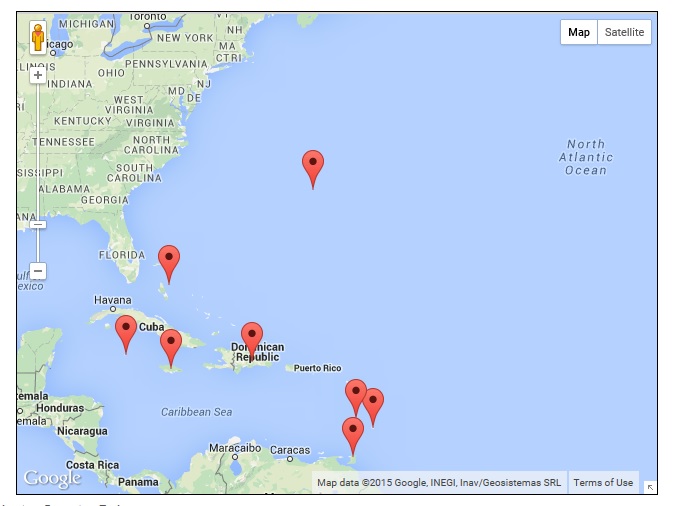
There are NYS programs already deployed or proposed for these Caribbean member-states, (though many have been snagged or stalled):

CU Blog - National Sacrifice - The Missing Ingredient - Photo 1

The purpose of the Go Lean book/roadmap is more than just the embedding of new community ethos, but rather the elevation/empowerment of Caribbean society. In total, the Caribbean empowerment roadmap has these 3 prime directives:

  • Optimization of the economic engines in order to grow the regional economy to $800 Billion & create 2.2 million new jobs.
  • Establishment of a security apparatus to protect the resultant economic engines.
  • Improve Caribbean governance and industrial policies to support these engines.

The roadmap details the following community ethos, plus the execution of these strategies, tactics, implementation and advocacies to forge permanent change in the region:

Community Ethos – Deferred Gratification Page 21
Community Ethos – Economic Principles – People Choose Page 21
Community Ethos – Economic Principles – People Respond to Incentives in Predictable Ways Page 21
Community Ethos – Economic Principles – The Consequences of Choices Lie in the Future Page 21
Community Ethos – Governing Principles – Lean Operations Page 24
Community Ethos – Governing Principles – Cooperatives Page 25
Community Ethos – Ways to Impact the Future Page 26
Community Ethos – Ways to Impact a Turn-Around Page 33
Community Ethos – Ways to Improve Sharing Page 35
Community Ethos – Ways to Promote Happiness Page 36
Community Ethos – Ways to Impact the Greater Good Page 37
Strategy – Vision – Confederate 30 Member-States Page 45
Strategy – Mission – Enact a Defense Pact to Defend the Homeland Page 45
Strategy – Mission – Keep the next generation at home Page 46
Tactical – Confederating a Permanent Union Page 63
Tactical – Fostering a Technocracy Page 64
Tactical – Separation-of-Powers Between CU & Member-States Governments Page 71
Implementation – Assemble – Incorporating all the existing regional organizations Page 96
Implementation – Ways to Pay for Change Page 101
Implementation – Security Initiatives at Start-up Page 103
Implementation – Ways to Deliver Page 109
Planning – 10 Big Ideas for the Caribbean – Confederation Without Sovereignty Page 127
Planning – Ways to Make the Caribbean Better Page 131
Planning – Lessons Learned from the West Indies Federation – Military Units Page 135
Advocacy – Ways to Grow the Economy Page 151
Advocacy – Ways to Create Jobs Page 152
Advocacy – Ways to Better Manage the Social Contract Page 170
Advocacy – Ways to Manage Federal Civil Service Page 173
Advocacy – Ways to Improve Homeland Security Page 181
Advocacy – Ways to Improve Communications Page 186
Advocacy – Ways to Preserve Caribbean Heritage Page 218
Advocacy – Ways to Impact Youth Page 227
Appendix – 30,000 Federal Employees Page 299
Appendix – Previous West Indies Integration – Caribbean Regiment Page 301

Previously Go Lean blog/commentaries have considered historic references and have also stressed fostering the proper and appropriate community ethos for the Caribbean to prosper; and reported on the repercussions and consequences of bad ethos. The following sample applies:

https://goleancaribbean.com/blog/?p=2830 Bad Ethos: Jamaica’s Public Pension Under-funded
https://goleancaribbean.com/blog/?p=2809 A Lesson in Bad Community Ethos : East Berlin/Germany
https://goleancaribbean.com/blog/?p=2480 A Lesson in History: Community Ethos of WW II
https://goleancaribbean.com/blog/?p=2297 A Lesson in History – Booker T versus Du Bois – to Change a Bad Community Ethos
https://goleancaribbean.com/blog/?p=1531 A Lesson in History: 100 Years Ago – World War I – Cause and Effect in Community Ethos
https://goleancaribbean.com/blog/?p=841 Having Less Babies is Bad for the Economy – Need People
https://goleancaribbean.com/blog/?p=623 Only at the Precipice, Do Communities Change
https://goleancaribbean.com/blog/?p=353 Book Review: ‘Wrong – Nine Economic Policy Disasters and What We Can Learn…’
https://goleancaribbean.com/blog/?p=228 Egalitarianism versus Anarchism – Community Ethos Debate

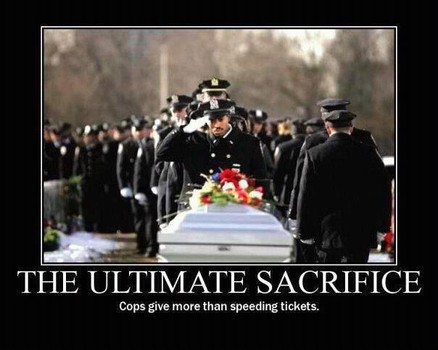
All in all, there is a certain community ethos associated with populations that have endured change. It is a National Sacrifice, a deferred gratification and focus on the future. Any losses of privileges are appreciated by the entire community, not just the affected individual or family member. This is the purpose of the US Memorial Day Holiday on the last Monday in May, honoring the military service of all our men and women in uniform, their families at home, and those who have made the ultimate sacrifice in dying for their country. A quest to unite the country in remembrance and appreciation of the fallen and to serve those who are grieving is a good way to forge a community ethos of National Sacrifice.

See VIDEO here of a community’s great honor to a slain soldier:

VIDEO: Sky Mote: Community Honors a Fallen Soldier from El Dorado County with a Hero’s Welcome –   http://youtu.be/MVQORRQvTpU

Published on Aug 17, 2012 – Starting with a Marine Honor Guard carrying the transfer case containing the body of Staff Sgt. Sky R. Mote of El Dorado, CA, upon arrival at Dover Air Force Base, Del. on Sunday Aug. 12, 2012. (AP Photo/Jose Luis Magana). Then continuing with the great Welcome Home the community gave. His family will never forget!

Though this Fallen Soldier is mourned and missed, his sacrifice is duly acknowledged, appreciated and honored in his hometown. This community spirit creates a value system for public service and National Sacrifice.

The US is not the only country that memorializes their war dead. Those countries that do, experience less societal abandonment. The British Commonwealth of Nations (representative of 18 Caribbean member-states) shows likewise homage to their Fallen Soldiers. The Commonwealth War Graves Commission (CWGC) is responsible for maintaining the war graves of 1.7 million service personnel that died in the First and Second World Wars fighting for Commonwealth member states. Founded in 1917 (as the Imperial War Graves Commission), the Commission has constructed 2,500 war cemeteries, and maintains individual graves at another 20,000 sites around the world.[107] The vast majority of the latter [however] are civilian cemeteries in Great Britain. (Source: http://en.wikipedia.org/wiki/Commonwealth_War_Graves_Commission).

The former British colonies did not adopt this National Sacrifice value system. As most Caribbean (notwithstanding the US Territories) member-states do not even have a (work-free) holiday to honor the sacrifices of those that fought, bled and/or died for their country.

No appreciation, no sacrifice; no sacrifice, no victory. It is that simple!

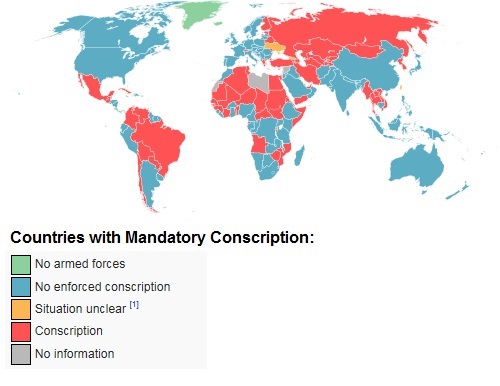
It is the recommendation of this blog/commentary that all Caribbean member-states should mandate a civilian conscription service for their citizens (1 year between ages 18 and 25); it is common for a confederation – the CU for the Caribbean – to marshal a multi-state, allied military force. Then the CU should facilitate a complete eco-system of engaging the conscripted NYS participants to serve and protect the people and resources of the Caribbean. After which, the communities should show proper appreciation and honor to those that make these sacrifices for “King/Queen and Country”, from all conscription services: military service, public and civilian.

(Many times school teachers and administrators are lowly paid; their service to their country is a great sacrifice).

Veteran-style benefits should thusly be considered for all these “national” servants. This commitment from the community would go far in forging deep loyalty within the citizenry, thus mitigating quick abandonment of the homeland.

There is a separation-of-powers between the CU federal agencies and Caribbean member-states, so the CU would have no authority on how member-states manage, appreciate or honor their civil servants; unless some CU grants/funding apply. But for CU personnel, the practice will be institutionalized to recognize the service of long-time civil servants (active or retired) and their sacrifices. So for any human resource that die in the line of duty, the funeral processions will be filled with pomp and circumstance, much like the foregoing VIDEO.

“The [servants] who perform well are to be considered worthy of double honor, especially those who work hard …” – Bible 1 Timothy 5:17

Now is the time to lean-in to this roadmap for Caribbean change, as depicted in the book Go Lean…Caribbean. All the mitigations and empowerments in this roadmap require people to remain in the homeland. No people, no hope! A community ethos, a spirit or attitude of sacrifice for the Greater Good is a great start to forge change; no sacrifice, no victory.

🙂

Download the book Go Lean … Caribbean – now!

——————-

Appendix A – ICP Studies and Results

Overview of the National Youth Service Landscape in Sub-Saharan Africa

National Youth Service Project on Employability, Entrepreneurship and Sustainable Livelihoods in Sub-Saharan Africa: Synthesis Report

——————

Appendix B – Conscription (or Drafting)
This is the compulsory enlistment of people in some sort of National Service, most often military service.[2] Conscription dates back to antiquity and continues in some countries to the present day under various names. The modern system of near-universal national conscription for young men dates to the French Revolution in the 1790s, where it became the basis of a very large and powerful military. Most European nations later copied the system in peacetime, so that men at a certain age would serve 1–8 years on active duty and then transfer to the reserve force.

CU Blog - National Sacrifice - The Missing Ingredient - Photo 2Conscription is controversial for a range of reasons, including conscientious objection to military engagements on religious or philosophical grounds; political objection, for example to service for a disliked government or unpopular war; and ideological objection, for example, to a perceived violation of individual rights. Those conscripted may evade service, sometimes by leaving the country.[4] Some selection systems accommodate these attitudes by providing alternative service outside combat-operations roles or even outside the military, such as civil service in Austria and Switzerland.

As of the early 21st century, many states no longer conscript soldiers, relying instead upon professional militaries with volunteers enlisted to meet the demand for troops. The ability to rely on such an arrangement, however, presupposes some degree of predictability with regard to both war-fighting requirements and the scope of hostilities. Many states that have abolished conscription therefore still reserve the power to resume it during wartime or times of crisis.[5] (Source: http://en.wikipedia.org/wiki/Conscription)

National Service is a common name for mandatory or volunteer government service programmes. The term became common British usage during and for some years following the Second World War. Many young people spent one or more years in such programmes. Compulsory military service typically requires all citizens, or all male citizens, to participate for a period of a year (or more in some countries) during their youth, usually at some point between the age of 18 and their late twenties. (Source: http://en.wikipedia.org/wiki/National_service)

——————

Appendix C  – National Youth Service Corps in Nigeria
The National Youth Service Corps (NYSC) is an organisation set up by the Nigerian government to involve the country’s graduates in the development of the country. There is no military conscription in Nigeria, but since 1973 graduates of universities and later polytechnics have been required to take part in the National Youth Service Corps (NYSC) program for one year.[1] This is known as national service year.

“Corp” members are posted to cities far from their city of origin. They are expected to mix with people of other tribes, social and family backgrounds, to learn the culture of the indigenes in the place they are posted to. This action is aimed to bring about unity in the country and to help youths appreciate other ethnic groups.

There is an “orientation” period of approximately three weeks spent in a camp away from family and friends. There is also a “passing out ceremony” at the end of the year and primary assignment followed by one month of vacation.

The program has also helped in creating entry-level jobs for many Nigerian youth. An NYSC forum dedicated to the NYSC members was built to bridge the gap amongst members serving across Nigeria and also an avenue for members to share job information and career resources as well as getting loans from the National Directorate Of Employment.

The program has been met with serious criticism by a large portion of the country. The NYSC members have complained of being underpaid, paid late or not paid at all.[2] Several youths carrying out the NYSC program have been killed in the regions they were sent to due to religious violence, ethnic violence or political violence.[3]

A series of bomb and other violent attacks, especially in the North, rocked the country’s stability in the period preceding the 2011 gubernatorial and presidential elections. Most common of these attacks was perpetuated by the Islamist extremist terrorist group called Boko Haram. “Boko Haram” means “Western education is a sin” in the local hausa dialect in Nigeria. The group “Boko Haram” is against western education and wants to establish an Islamic state in Nigeria’s northern region.

Worst hit were National Youth Service Corps members, some of whom lost their lives.
(Source: http://en.wikipedia.org/wiki/National_Youth_Service_Corps)

Share this post:
, , ,
[Top]

Concerns about ‘Citizenship By Investment Programs’

Go Lean Commentary

People come to the Caribbean for so many reasons. The book Go Lean…Caribbean cataloged 3 primary reasons: 1. Live, 2. Work, and 3. Play.

This last category is so vast that it covers the full scope of tourism: sun, sand, sea, surf, savor, salsa and smoke; (savor as in foods; salsa as in dance and smoke as in cigars). This is the region’s primary economic activity.  But now there are reports of a new attraction starting to emerge in certain Caribbean member-states:

Citizenship.

“Say it ain’t so?!?!”

There are reports that many newcomers are relocating to Caribbean member-states for other, sometimes nefarious, reasons: proximity (to other North American markets), legacy status (Overseas territory of European powers), favorable tax status, and lax governmental oversight. These occurrences have raised the ire of many developed nations (United States, Canada and the EU). There are concerns too for the planners of a new elevated Caribbean, the promoters of the book Go Lean … Caribbean. This book serves as a roadmap for the introduction and implementation of the technocratic Caribbean Union Trade Federation (CU); the purpose of which is to elevate Caribbean society, for all 30 member-states. The book does not ignore the subject of nationality and immigration, so reports of newcomers relocating to member-states just for citizenship purposes must be fully vetted.

Consider this article on this issue in St. Kitts & Nevis:

Title #1: US, Canada and EU monitoring St Kitts-Nevis citizenship programme, says opposition
By: Ken Richards, West Indies News Network; Posted: January 6 2015  – http://www.caribbeannewsnow.com/headline-US%2C-Canada-and-EU-monitoring-St-Kitts-Nevis-citizenship-programme%2C-says-opposition-24268.html

BASSETERRE, St Kitts (WINN) — There is fresh criticism of the St Kitts and Nevis citizenship by investment programme (CIP), following reports that the US Department of Treasury is closely monitoring the activities of a former Iranian national who now holds a St Kitts and Nevis passport.

According to the Treasury Department, 49-year-old Hossein Zeidi was responsible for converting foreign currency into US bank notes for delivery to the Iranian government.

Zeidi is reported to be among nine individuals and entities under surveillance pursuant to various Iran-related regulations.
They are accused by the US of supporting Iranian government sanctions evasion efforts.

The US Treasury Department says that Zeidi holds a St Kitts and Nevis passport, number RE0003553.

- Photo 1Team Unity leader Timothy Harris is reiterating the opposition group’s concern about such developments, and the impact they are having on the CIP.

He recalled that the Americans had issued an advisory last May against the federation’s citizenship programme.

“It is therefore reasonable that that department will continue to pursue the activities of the citizenship by investment programme and of the government officials in particular,” Harris told WINN FM.

“We know for sure that the US Treasury Department continues to be interested in the CIP programme, continues to be interested in the cavalier manner in which our passports are being sold like black pudding on a Saturday,” the MP who heads the opposition alliance said.

According to Harris, Canada and the European Union are also monitoring the St Kitts and Nevis programme.

The US Treasury Department gave no details as to how Zeidi had in his possession a St Kitts-Nevis passport, but the twin island Federation provides citizenship to foreigners who make significant investments in the country.

Treasury Department officials claim that the Iranian government contracted with Zeidi and Seyed Kamal Yasini to convert Iranian funds denominated in non-Iranian local currency into US dollars.

According to the Americans, these individuals and their network have to date effected the delivery of hundreds of millions of dollars in US dollar bank notes to the Iranian government in violation of existing sanctions.

Republished with permission of West Indies News Network

Consider too, this older article of this issue in the Turks & Caicos Islands:

Title #2: British government refutes Turks and Caicos economic citizenship claim
By: Caribbean News Now contributor Published on April 18, 2014; retrieved January 13, 2015 from: http://www.caribbeannewsnow.com/topstory-British-government-refutes-Turks-and-Caicos-economic-citizenship-claim-20771.html

- Photo 3PROVIDENCIALES, Turks and Caicos Islands — Britain’s Home Office has refuted a claim by promoters of a resort in the Turks and Caicos Islands (TCI) that investors are eligible to apply for a British Overseas Territory Citizen passport, thereby enabling the holder to reside in the UK.

In a press release on Monday entitled “Eligibility for British Overseas Territory Citizen passport … with Turks and Caicos resort project”, Asia Pacific Investment House claimed that “Investors in Caicos Beach Club Resort and Marina are eligible to apply for a permanent residency certificate and British Overseas Territory Citizen passport, enabling the holder to reside in the UK, making this a highly coveted investment opportunity.”

However, according to Tom Lawrence, at the Home Office Communications Directorate in London:

  • Eligibility for British Overseas Territory Citizenship ((BOTC) is governed by the British Nationality Act 1981. Citizenship is granted by the governor of the territory and OverseasTerritories are not able to grant BOTC status other than in accordance with that Act.
  • Residency and other requirements for BOTC status apply, so anyone who has not lived lawfully in the territory for a number of years is unlikely to qualify.
  • Criteria for the grant of BOT Citizenship include residence requirements, a good character requirement and an intention to make the principal home within the relevant territory.
  • Generally, the residency requirements are for a minimum of five years residence immediately preceding the application, during which total absences must not exceed 450 days with a maximum of 90 days absence in the last year. The applicant must not have been in breach of immigration rules at any time during those five years and the last year of residence must have been free of any immigration control.
  • BOTCs do not have the right of abode in the UK unless they later become British citizens.

“There is no direct route to BOTC and the investor will have to meet the eligibility requirements as noted,” Neil Smith, the TCI governor’s spokesman, confirmed.

Asia Pacific Investment House, which describes itself as “a leading venture capital company, registered in the offshore regime of the British Virgin Islands, with its operating HQ in Singapore’s financial district”, did not respond to requests for comment.

It is not known at this time if the British and/or TCI authorities will take action in relation to these apparently false claims targeting uninformed investors.

There is a consistent pattern here, in order to attract Foreign Direct Investments (FDI), Caribbean politicians, administrators or business/investment development specialists make promises related to easy citizenship. This is definitely a wrong community ethos!

There are other Caribbean member-states that have Citizenship by Investment Programs established (or proposed):

* The first persons to attain Antigua & Barbuda citizenship under the Citizenship by Investment Programme was George Georges and his family of four, Syrian nationals.

- Photo 2

“Other countries (Australia, Belgium, Portugal, Singapore, Spain the UK and the US) provide an alternate approach, temporary residence permits or “golden visas” to wealthy individuals in return for investment. Applicants can often receive permanent residency through such schemes by sustaining their investment through a period of two to five years, but the aforementioned Caribbean nations typically offer cheaper and almost immediate routes to full citizenship in exchange for a one-off investment. In St. Kitts & Nevis, for example, the entire process, including background checks, takes as little as 90 days”. (Source: Nearshores Americas). “Most countries withhold official data regarding the number of people who have become citizens through CIPs or the amount of FDI recouped, but Henley and Partners$  [(Professional Residency & Citizenship Advisors with offices in 25 countries)] estimate that such schemes generate US$2 billion a year worldwide. Unsurprisingly, cash-strapped Caribbean countries that are often overly reliant on tourism have been quick to take notice”.

When factoring in the recent publicity of the harsh treatments to boat-bound refugees, these lax CIPs give the impression that citizenship in the Caribbean is For Sale; that there is no concern for human rights for certain refugees (Haitian, Cubans, Jamaicans, etc.); but let someone show up with some money then the nationality doors are wide open. This too is wrong!

In a previous blog commentary, the increased migrant flow of Caribbean refugees were detailed.  Also, the current conflict in the Bahamas, with the accusations of human rights abuses from the Haitian-American Diaspora in Miami was also thoroughly addressed.

The One Percent versus the 99 Percent; the “Have’s versus the Have-Not’s”! So many Failed-State images# come to mind. The Go Lean book qualifies the characteristics of Failed-States (Page 272-273); these 2 attributes here are most prominent:

  • Uneven Economic Development Along Group Lines (UED)
  • Rise of Factionalized  Elites (FE)

The Go Lean roadmap seeks to elevate the Caribbean, in its entirety. The impressions of some “Banana Republic” – Failed-State – are unbecoming! It undermines legitimate investment in the region and the worthiness of natives from these Caribbean islands when they travel abroad. The occurrence of some “Citizenship for Hire” practice for some Caribbean state automatically draws scorn for other nearby states. Truthfully, the rest of the world does not know the difference of St. Kitts versus St. Vincent, or the Turks/Caicos Islands versus the Bahama Islands. All of these Caribbean member-states are in the “same boat”, and are judged by the same yardstick.

Change has now come to the Caribbean! This is the call for greater accountability/transparency on a regional basis.

Why should the CU be charged with responsibility in this area? Does this not relate to individual sovereignty? “Mind your own business” – may be a logical retort from member-states criticized for their citizenship/nationality practices.

The Go Lean book relates an opening declaration that the Caribbean is in crisis and that these geographic neighbors must band together – confederate – to mitigate these common problems with superlative solutions, on the regional basis. This need was pronounced early in the book in the Declaration of Interdependence (Page 10 – 14) with these statements:

Preamble: While the laws of nature and of nature’s God entitle us to form a society and a brotherhood to foster manifestations of our hopes and aspirations and to forge solutions to the challenges that imperil us, … our rights to exercise good governance and promote a more perfect society are the natural assumptions among the powers of the earth, no one other than ourselves can be held accountable for our failure to succeed if we do not try to promote the opportunities that a democratic society fosters.

xi.  Whereas all men are entitled to the benefits of good governance in a free society, “new guards” must be enacted to dissuade the emergence of incompetence, corruption, nepotism and cronyism at the peril of the people’s best interest. The Federation must guarantee the executions of a social contract between government and the governed.

xii. Whereas the legacy in recent times in individual states may be that of ineffectual governance with no redress to higher authority, the accedence of this Federation will ensure accountability and escalation of the human and civil rights of the people for good governance, justice assurances, due process and the rule of law. As such, any threats of a “failed state” status for any member state must enact emergency measures on behalf of the Federation to protect the human, civil and property rights of the citizens, residents, allies, trading partners, and visitors of the affected member state and the Federation as a whole.

xxiii.    Whereas many countries in our region are dependent Overseas Territory of imperial powers, the systems of governance can be instituted on a regional and local basis, rather than requiring oversight or accountability from distant masters far removed from their subjects of administration. The Federation must facilitate success in autonomous rule by sharing tools, systems and teamwork within the geographical region.

xxiv.    Whereas a free market economy can be induced and spurred for continuous progress, the Federation must install the controls to better manage aspects of the economy: jobs, inflation, savings rate, investments and other economic principles. Thereby attracting direct foreign investment because of the stability and vibrancy of our economy.

The Go Lean book and blogs posit that the problems of the Caribbean are too big for any one member-state to tackle alone; rather there is the need for a regional technocratic solution; thus the CU. Only then can all 30 Caribbean member-states in the homeland be a better place to live, work and play for all of its stakeholders: 42 million residents; 80 million visitors; 10 million Diaspora; countless Foreign Direct Investors.

The CU, applying best-practices for advanced governance and agile deliveries would facilitate these 3 prime directives:

  • Optimization of the economic engines in order to grow the regional economy to $800 Billion & create 2.2 million new jobs.
  • Establishment of a security apparatus to protect the resultant economic engines.
  • Improve Caribbean governance, with consideration for minority equalization, to support these engines.

How exactly can the CU impact the citizenship/nationality practices in the region?

The Go Lean book, and previous blog/commentaries, stressed key community ethos, strategies, tactics, implementation and advocacies necessary to effect change in the region, to improve the regional stewardship over Caribbean society. They are detailed as follows:

Community Ethos – Economic Systems Influence Choices & Incentives Page 21
Community Ethos – Consequences of Choices Lie in the Future Page 21
Community Ethos – Minority Equalization Page 24
Community Ethos – Ways to Impact the Future Page 26
Community Ethos – Ways to Foster Genius Page 27
Community Ethos – Ways to Help Entrepreneurship Page 28
Community Ethos – Ways to Impact Research & Development – Invited SGE’s Page 30
Community Ethos – Ways to Impact the Greater Good Page 37
Strategy – Vision –  Integrate region into a Single Market Economy Page 45
Strategy – Mission –  Invite empowering immigrants for economic benefits Page 46
Strategy – Customers – Foreign Direct Investors Page 48
Strategy – Agents of Change – Globalization Page 57
Tactical – Fostering a Technocracy Page 64
Tactical – Separation of Powers – Department of Justice Page 77
Tactical – Separation of Powers – Department of State – SGE’s & One Percent Liaison Page 80
Implementation – Steps to Implement Self-Governing Entities – Ideal for FDI Page 105
Implementation – Ways to Foster International Aid – CariCom versus CU Page 115
Planning – 10 Big Ideas … in the Caribbean Region – Confederation without Sovereignty Page 127
Planning – Ways to Better Manage Image Page 133
Planning – Ways to Improve Failed-State Indices – Guard against Encroachments Page 134
Planning – Ways to Measure Progress Page 147
Advocacy – Ways to Grow the Economy Page 151
Advocacy – Ways to Create Jobs Page 152
Advocacy – Ways to Better Manage the Social Contract – Failed-State Indices Movements Page 170
Advocacy – Ways to Foster Empowering Immigration – FDI Time, Talent & Treasuries Page 174
Advocacy – Ways to Impact Justice – Federal Accountability Page 178
Advocacy – Ways to Protect Human Rights Page 220
Advocacy – Ways to Impact the One Percent Page 224
Appendix – Failed State Indicators and Definitions for the CU Page 271

All of the Caribbean needs to deal with these domestic issues … now! But some issues, due to image, public relations or quest for justice, should be managed with special care.

In the legal arena – juris prudence – there is an arrangement referred to as a Special Prosecutor. This allows for a detached, objective view of issues of Justice. (In the US for many decades, Naturalization and Citizenship processing was managed by the federal Department of Justice).

The Go Lean/CU roadmap has a similar proposed solution: facilitating the Proxy and e-Government processing at the CU level on behalf of member-states – thereby removing the subjectivity and bias to the citizenship/nationality process. Each state sets their criteria and the CU technocracy simply provides the processing, with full accountability and transparency; no appearance of bribery, corruption and creating eligible voters just in time for elections.  Already there is an eco-system with the issuance of CariCom passports. Step One/Day One of the Go Lean roadmap is the assembly of CariCom organs into the CU Trade Federation. Any one passport issued by a CariCom country is automatically respected by other CariCom countries.  So “mind your own business” cannot be considered a valid response.

If Caribbean people want change, progress, empowerment, growth, jobs, justice, security and equality, then this move of deputizing “nationality process” to the federal level is simply the “price that must be paid”.

Now is the time for all of the Caribbean to lean-in for the empowerments described in the book Go Lean … Caribbean. This is Big Deal for the region as real solutions can finally be realized. Then we can present to the world that while the Caribbean homeland is Not For Sale, it is truly a better place to live, work, and play. 🙂

Download the free e-Book of Go Lean … Caribbean – now!

————

# Appendix: Failed-State Indicators & Definitions

a. UED – Uneven Economic Development Along Group Lines

When there are ethnic, religious, or regional disparities or inequalities, governments tend to be uneven in their commitment to the social contract. There may be group-based inequality, or perceived inequality, in areas like education and economic opportunities. Uneven economic empowerments are manifest in group-based impoverishments as measured by poverty levels, infant mortality rates, educational levels, etc. The end result may be the rise of communal nationalism, based on real or perceived group inequalities.

This indicator include pressures and measures related to:

Income Share of Highest 10%; Income Share of Lowest 10%; Urban-Rural Service Distribution; Slum Population

b. FE – Rise of Factionalized Elites

When local and national leaders engage in deadlock and brinksmanship for political gain, this undermines the social contract. The brinkmanship may be expressed with nationalistic political rhetoric by ruling elites, often in terms of communal irredentism (e.g., a “greater Serbia” to annex neighboring lands with Serbian ethnics) or of communal solidarity (e.g., “ethnic cleansing” or “defending the faith”). With the absence of legitimate leadership widely accepted as representing the entire citizenry, the result may be fragmentation of ruling elites and state institutions along ethnic, class, clan, racial or religious lines.

This indicator include pressures and measures related to:

Power Struggles; Defectors; Flawed Elections; Political Competition.

$ Appendix VIDEO: Henley & Partners – The Firm of Global Citizens – http://youtu.be/XoBcb4qLn1s

Published on May 7, 2014 – Henley & Partners is the global leader in residence and citizenship planning … The firm also runs an industry-leading government advisory practice.


Share this post:
, , ,
[Top]

Forging Change: Music Moves People

Go Lean Commentary

CU Blog - Forging Change - Music Moves People - Photo 1“I write the songs that make the whole world sing; I write the songs of love and special things; I write the songs that make the young girls cry; … I am music and I write the songs”. – Barry Manilow (see Appendix A below).

The publishers of the book Go Lean…Caribbean want to forge change in the Caribbean. How do we go about doing that?

The book identifies music as one of the viable approaches.

Consider what happened in 2014, with this song (Happy by Pharrell Williams) and related experiences:

Video: “Happy” Makes Pharrell Williams Cry – http://youtu.be/IYFKnXu623s

As the foregoing VIDEO depicts, the song moved us all. In this writer’s opinion, one of the promoters of the Go Lean book and movement, this is the song of the year (2014).

The book Go Lean…Caribbean serves as a roadmap for the introduction and implementation of the Caribbean Union Trade Federation (CU), an initiative to bring change and empowerment to the Caribbean region, to make the region a better place to live, work and play. From the outset, the book recognized the significance of music in the Caribbean change/empowering plan with these statements in the opening Declaration of Interdependence (Page 12 & 14):

xxi.    Whereas the preparation of our labor force can foster opportunities and dictate economic progress for current and future generations, the Federation must ensure that educational and job training opportunities are fully optimized for all residents of all member-states, with no partiality towards any gender or ethnic group. The Federation must recognize and facilitate excellence in many different fields of endeavor, including sciences, languages, arts, music and sports. This responsibility should be executed without incurring the risks of further human flight, as has been the past history.

xxxii.    Whereas the cultural arts and music of the region are germane to the quality of Caribbean life, and the international appreciation of Caribbean life, the Federation must implement the support systems to teach, encourage, incentivize, monetize and promote the related industries for arts and music in domestic and foreign markets. These endeavors will make the Caribbean a better place to live, work and play.

The purpose of the Go Lean roadmap is not specifically on music, but rather change, and yet there is the acknowledgement that music can help forge change.

This Go Lean roadmap calls for the heavy-lifting in shepherding important aspects of Caribbean life. In fact, the empowerment roadmap has these 3 prime directives:

  • Optimization of the economic engines in order to grow the regional economy to $800 Billion & create 2.2 million new jobs.
  • Establishment of a security apparatus to protect the resultant economic engines.
  • Improve Caribbean governance to support these engines.

The book describes the CU as a hallmark of a technocracy, a commitment to efficiency and effectiveness, and also includes a commitment to concepts of fun, such as music, arts, sports, film/media (Hollywood-related), heritage and overall happiness. In fact, there are a total of 144 different missions for the CU. While much focus is on “live and work” activities, many others are targeting the areas of “play”‘; music is definitely a play-time activity … for young and old.

As depicted in the foregoing VIDEO, “music” can be used to forge change. The Go Lean book declares that before any real change takes root in the Caribbean that we must reach the heart, that there must be an adoption of new community ethos – the national spirit that drives the character and identity of its people. We must therefore use effective and efficient drivers to touch the heart and forge this change. How? Here’s one suggestion, (from Appendix A):

Oh, my music makes you dance and gives you spirit to take a chance
And I wrote some rock ‘n roll so you can move
Music fills your heart, well that’s a real fine place to start

The Go Lean roadmap was constructed with the community ethos in mind to forge change, plus the execution of related strategies, tactics, implementations and advocacies to make the change permanent. The following is a sample of these specific details from the book:

Community Ethos – Deferred Gratification Page 21
Community Ethos – Economic Principles – People Choose Page 21
Community Ethos – Economic Principles – People Respond to Incentives in Predictable Ways Page 21
Community Ethos – Economic Principles – The Consequences of Choices Lie in the Future Page 21
Community Ethos – Governing Principles – Lean Operations Page 24
Community Ethos – Ways to Impact the Future Page 26
Community Ethos – Ways to Foster Genius Page 27
Community Ethos – Ways to Promote Intellectual Property Page 29
Community Ethos – Ways to Impact Research & Development Page 30
Community Ethos – Ways to Bridge the Digital Divide Page 31
Community Ethos – Ways to Impact Turn-Around Page 33
Community Ethos – Ways to Promote Happiness Page 36
Community Ethos – Ways to Impact the Greater Good Page 37
Strategy – Vision – Confederate 30 Member-States Page 45
Strategy – Mission – Celebrate the Music, Sports, Art, People and Culture of the Caribbean Page 46
Tactical – Confederating a Permanent Union Page 63
Tactical – Fostering a Technocracy Page 64
Implementation – Ways to Pay for Change Page 101
Implementation – Ways to Deliver Page 109
Implementation – Ways to Impact Social Media Page 111
Planning – 10 Big Ideas for the Caribbean Region – Cyber-Caribbean Page 127
Planning – Ways to Make the Caribbean Better Page 136
Planning – Reasons Why the CU Will Succeed Page 137
Advocacy – Ways to Grow the Economy Page 151
Advocacy – Ways to Create Jobs Page 152
Advocacy – Ways to Improve Communications Page 186
Advocacy – Ways to Foster e-Commerce Page 198
Advocacy – Ways to Impact Hollywood Page 202
Advocacy – Ways to Impact Beauty Pageants Page 203
Advocacy – Ways to Preserve Caribbean Heritage Page 218
Advocacy – Ways to Improve the Arts Page 230
Advocacy – Ways to Promote Music Page 231

While the roadmap is optimistic; it is realistic too. There is the acknowledgement that the business of music (Show Business in general) has changed in the light of modern dynamics, particularly due to Internet & Communications Technologies. To spur more development in music, the economic engines of the music/show business must be secured. This point was previously detailed in these Go Lean blog/commentaries:

https://goleancaribbean.com/blog/?p=2415 How ‘The Lion King’ roared into history
https://goleancaribbean.com/blog/?p=2291 Forging Change: The Fun Theory
https://goleancaribbean.com/blog/?p=1909 Music Role Model Berry Gordy – No Town Like Motown
https://goleancaribbean.com/blog/?p=866 Music Man Bob Marley: The legend lives on!
https://goleancaribbean.com/blog/?p=676 Introduction of a Bahamian ‘Carnival’; Big Change for Country

“Do what you have always done, get what you’ve always got” – Old Adage.

The quest to change the Caribbean is more complex than just playing or listening to music. This is serious, this is heavy-lifting; but all the earnest effort will be a waste unless people are moved to change. So we must use all effective tools to forge the required change; music is one of the best.

Even if we fail, at least we would have had fun trying to execute the plan. As depicted in the underlying video (Appendix B): “Because I’m happy”.

This is the mandate of the Go Lean roadmap: making the Caribbean a better place to live, work and play; and having fun while doing it. Everyone is encouraged to lean-in to this roadmap:

Clap along if you feel like happiness is the truth
Because I’m happy
Clap along if you know what happiness is to you
Because I’m happy
Clap along if you feel like that’s what you wanna do
Because I’m happy

🙂

Download the book Go Lean … Caribbean – now!

————

Appendix A – Song: “I Write The Songs”; written, produced and performed by Barry Manilow:

I’ve been alive forever
And I wrote the very first song
I put the words and the melodies together
I am music
And I write the songs

I write the songs that make the whole world sing
I write the songs of love and special things
I write the songs that make the young girls cry
I write the songs, I write the songs

My home lies deep within you
And I’ve got my own place in your soul
Now when I look out through your eyes
I’m young again, even tho’ I’m very old

I write the songs that make the whole world sing
I write the songs of love and special things
I write the songs that make the young girls cry
I write the songs, I write the songs

Oh, my music makes you dance and gives you spirit to take a chance
And I wrote some rock ‘n roll so you can move
Music fills your heart, well that’s a real fine place to start
It’s from me, it’s for you
It’s from you, it’s for me
It’s a worldwide symphony

I write the songs that make the whole world sing
I write the songs of love and special things
I write the songs that make the young girls cry
I write the songs, I write the songs

I write the songs that make the whole world sing
I write the songs of love and special things
I write the songs that make the young girls cry
I write the songs, I write the songs

I am music and I write the songs

———

Appendix B: Pharrell Williams – Happy (Official Music Video) – http://youtu.be/y6Sxv-sUYtM

Share this post:
, , ,
[Top]

No Fear of Failure – Case Study: Bahamasair

Go Lean Commentary

CU Blog - No Fear of Failure - Photo 3The book Go Lean … Caribbean stresses the need to adopt best practices in the regional airline industry so as to better facilitate the region’s primary economic driver of tourism. The tagline for the book is “a better place to live, work and play”.

The reference to “better” and “best practices” in this case refers to “quality” – a missing ingredient in much of the Caribbean air transport industry. The bad example being cited in this case is Bahamasair, the National Flag Carrier of the Bahamas.

Bahamasair Holdings Limited, operating as Bahamasair, is an airline based in Nassau. It is the national airline and operates domestic scheduled services to 14 destinations and regional scheduled services to destinations in the Caribbean and the United States. Its main base is Lynden Pindling International Airport. It has the same logo as the current Bahamas national tourism marketing logo, but with the tagline: “We don’t just fly there, we live there”.

CU Blog - No Fear of Failure - Photo 2

The story being related in the following article is a far cry from a pursuit of quality, in fact the overriding theme is “no fear of failure” on the part of the airline’s stakeholders; “if we succeed or fail, it doesn’t really matter”:

Title: Bahamasair Flights Cancelled as Pilots Strike
Local South Florida TV Newscasts (Posted 12/23/2014; retrieved 12/29/2014) –
http://www.nbcmiami.com/news/local/Bahamasair–286735471.html

CU Blog - No Fear of Failure - Photo 1Hundreds of air travelers hoping to get to the Bahamas continue to wait for answers as their flights on Bahamasair have been cancelled.

The cancelled flights have left some passengers at South Florida airports for more than 10 hours.

All flights out of Miami International Airport and Fort Lauderdale International Airport on board Bahamasair that were scheduled for Tuesday have been cancelled. That includes two scheduled arrivals in Fort   Lauderdale, along with one departure from FLL. MIA has seen two departures cancelled along with one arrival.

Miami International Airport has one Bahamasair flight scheduled to arrive at 7:40 a.m. on Christmas Eve that is still on the board as of 8:30 p.m.

NBC 6 has reached out to Bahamasair about the cancellations, but has not received a response.

According to the website tribune242.com, the airline has seen their flights grounded due to a protest from pilots over salary negotiations. The Nassau Guardian reported that the pilots’ union denied it instructed its pilots to go on strike over the negotiations.

The airline told the Nassau Guardian, “Bahamasair is cognizant that this is the height of our peak travel period and we will do the best we can to mitigate any further disruption to your holiday travel plans.”

VIDEO: http://youtu.be/mPM0mDg4-5E  – CBS4 Miami Reporting on the Christmas-time Bahamasair Pilots Strike

This airline has an eclectic history, one bred out of the need to optimize economic engines, and yet they have failed so often in their delivery of this charter. Bahamasair was born out of the oil crisis of the 1970s. In 1970, British Airways stopped flying to The Bahamas, and the Bahamian Government accurately predicted that some of the other major airlines flying to the country would follow British Airways’ lead. Bahamasair was therefore established by the government and started operations on 7 June 1973, by acquiring the operations of Flamingo Airlines and Out Island Airways. [1]

Bahamasair initially encountered operating difficulties, including poor maintenance facilities, economic conditions and company structure. Those factors brought public distrust as a consequence. However, jet airliners started to arrive in the shape of British Aircraft Corporation BAC One-Elevens followed by brand new Boeing 737s, and in 1972, it opened its first international service, from Nassau to Tampa, Florida. In 1973, the government’s vision of many airlines leaving the island became a reality, when Pan Am and some other major companies decided to stop operating to the Bahamas. This enabled Bahamasair to capture a substantial part of the Bahamas scheduled air transport market. Through the rest of the 1970s, Bahamasair kept adding flights to other cities in Florida and, domestically, the presence of the airline also grew rapidly.

During the early 1980s, Bahamasair unsuccessfully tried to expand to the Northeast United States [so as to influence market prices for this vital tourism source territory], opening flights to Philadelphia, Washington-DC and Newark, New Jersey. But in 1989, the airline’s directors decided that those routes were not profitable and eliminated them from the airline’s route map – an exercise in futility. In 1991, the airline streamlined it fleet operations, with the acquisition of de Havilland Canada DHC-8 Dash 8 turbine propeller aircrafts, purchased to substitute for the whole jet fleet; the Boeing 737-200s were taken out of service. In 1997 however, Boeing 737-200’s were returned to service because key routes warranted the cargo and passenger carrying capabilities offered by these jetliners. The 737-200 was deployed to Fort Lauderdale, Miami and Orlando as well as one domestic route, being Nassau-Freeport. Today, Bahamasair operates efficient late model Boeing 737-500 jetliners, in addition to the stretched Dash 8 series 300 turboprop. But, the culture of dysfunction persists…

This foregoing news article, VIDEO and encyclopedic details are just echoes of the negative community ethos of failure with this airline for this country. While most Bahamians may not know the intricate details of the airline industry, they do know that the Bahamasair’s model is the epitome of failure, as the performance history has been consistently poor. This sad culture has resulted in the local community concocting phrases like:

1. BahamaScare
2. A religious airline: only God knows when they are arriving and only God knows when they are taking off.

This negative community ethos is even enshrined in the regulatory filing for the airline as an international carrier. Appendix B highlights the accepted quality standard in aviation known as the Warsaw Convention. Appendix C on the other hand, demonstrates how Bahamasair, and other Caribbean carriers, have petitioned for waivers so as not to abide by these high standards. Imagine the impressions and messaging this plea relates to the world:

No, hold us to a lower standard.
We are not afraid to fail.
We will not try to satisfy our customers.

This message aligns with the news report above. The Pilot Union in this case gained a bargaining edge in salary negotiations with the airline’s management, but at the expense of any goodwill with the flying public… or the affected tourist industry “partners” in the island-nation’s homeland.

This is sad … and embarrassing!

Change must come to the airline industry for the Bahamas … and the entire region. The book Go Lean … Caribbean serves as a roadmap for the introduction and implementation of the Caribbean Union Trade Federation (CU), an alliance of the 30 Caribbean member-states. This Go Lean roadmap has 3 prime directives:

  • Optimization of the economic engines in order to grow the regional economy to $800 Billion and create 2.2 million new jobs.
  • Establishment of a security apparatus to protect the resultant economic engines.
  • Improve Caribbean governance to support these engines.

This Go Lean roadmap portrays the need for regional integration, administration, and promotion for Caribbean air carriers. The book posits that transportation and logistics empowers the economic engines of a community, in this case tourism. The forgoing news articles definitely assert this economic leaning. There must be efficient air carrier solutions, to service the transportation and tourism needs of the Caribbean islands with optimized deliveries and best practices.

Efficiency, optimization, best practices …
… a new standard for a national character, reputation, image, and brand!

For the region as a whole, Bahamas included, it is the expectation that air travel will continue to grow and impact Caribbean society – thus the need for more regional coordination. New models are detailed in the book in which tourism will be enhanced with features like “air lifts” and “air bridges” to partner with Caribbean events and properties.

For much of the Caribbean, air service is the only transportation option for land-based visitations (stop-overs), so this Go Lean roadmap introduces the Union Atlantic Turnpike to offer more transportation solutions (ferries, toll roads, railways, and pipelines) to better facilitate the efficient movement of people and cargo.

The roadmap also calls for regulating and promoting the Caribbean’s aviation industry. We need Bahamasair and other regional carriers to better deliver on their charters to facilitate air passengers to and within the Caribbean.

This is how the CU will optimize the region’s economic engines. This is change!

The Go Lean book presents a series of positive community ethos, in place of the negative ethos that permeates the Caribbean air transport industry; these positive ethos must first be adopted to forge the desired change. In addition, there are these specific strategies, tactics, implementations and advocacies to apply, that would contribute to better deliveries:

Introduction to Lean – Quality in Production and Delivery Page 4
Who We Are – Experts in Lean, Agile and Quality Delivery Page 8
Anecdote – Learning from the French Caribbean’s Peak Season Strike Page 17
Community Ethos – Deferred Gratification Page 21
Community Ethos – People Choose Due to Scarcity of Resources Page 21
Community Ethos – All Choice Involve Costs Page 21
Community Ethos – People Respond to Incentives Page 21
Community Ethos – Economic Systems Influence Individual Choices Page 21
Community Ethos – Consequences of Choices Lie in the Future Page 21
Community Ethos – Lean Operations Page 24
Community Ethos – Cooperatives Page 25
Community Ethos – Ways to Foster Genius – Promote Excellence Page 27
Community Ethos – Ways to Improve on the Art of Negotiations Page 32
Community Ethos – Ways to Improve Sharing Page 35
Community Ethos – Impacting the Greater Good Page 37
Strategy – Customers – Visitors Page 47
Strategy – Competitive Analysis –  Event Patrons Page 55
Strategy – Core Competence – Tourism Page 58
Anecdote – Caribbean Hotel & Tourism Assoc. focus on Air Transport Page 60
Tactical – Fostering a Technocracy Page 64
Tactical – Separation of Powers: Commerce – Tourism Promotion Page 78
Tactical – Separation of Powers: Aviation Administration & Promotion Page 84
Anecdote – “Lean” in Government – Extracting Quality from Best Practices Page 93
Implementation – Ways to Deliver Page 109
Implementation – Ways to Impact Social Media – Outreach to CU Stakeholders Page 111
Implementation – Trade Mission Objectives – Elevate Image Page 116
Planning – Ways to Improve Trade Page 128
Planning – Ways to Better Manage Image – Public Relations Page 133
Planning – Negative Lessons Learned from Egypt’s Tourism Mis-steps Page 143
Planning – Ways to Measure Quality and Progress – Six Sigma Page 147
Advocacy – Ways to Impact Labor Unions – Quality Adoptions Page 162
Advocacy – Ways to Improve Leadership – Inspire Excellence Page 171
Advocacy – Ways to Enhance Tourism Page 190
Advocacy – Ways to Impact Events Page 191
Advocacy – Ways to Market Southern California – Air Bridge Page 194
Advocacy – Ways to Impact Main Street – Tourism Spin-offs Page 201
Advocacy – Ways to Improve Transportation – Aviation Promotion Page 205

Previous Go Lean blogs also detailed the dynamics of the air transport industry in the region; see sample here:

Caribbean less competitive due to increasing aviation taxes
Lessons Learned from the American Airlines Merger
Caribbean Changes – Air Antilles Launches St. Maarten Service

What exactly can be done to immediately turn-around the delivery practices for Bahamasair, and other regional carriers? The Go Lean book provides specific details within its 370 pages, serving as a roadmap for forging change in Caribbean society. Here is a list of products/services that would have elevated the experiences of the travelling public in the foregoing news article/VIDEO:

  • Cooperative among Regional Carriers – Sharing the burden of industrial crises
  • Service Level Agreements – Guaranteeing performance of service providers and accepting liability for failures (Appendix B)
  • www.myCaribbean.gov – Social Media / Online Account Interactions – Awarding e-Credits for performance failures
  • Labor Union Escalation of Grievances – Providing recourse for the Pilots’ Petition – Mitigating the need for peak season strikes

Now is the time to lean-in to this roadmap for Caribbean change, as depicted in the book Go Lean…Caribbean. We cannot afford more news headlines like in the foregoing news article/VIDEO. Flying as a National Flag Carrier is a public trust. The Caribbean can – and must – do better.

Download the book Go Lean … Caribbean – now!

———-

Appendix A – Source Reference:

http://en.wikipedia.org/wiki/Bahamasair retrieved December 29, 2014

———————–

Appendix B – Hotwire/Industry Quality Standards: Warsaw Convention

See Photo 1 & 2 of Fare Rules/Details:

CU Blog - No Fear of Failure - Photo 4

CU Blog - No Fear of Failure - Photo 5

————————

Appendix C – Warsaw Convention Exemptions for International Carriers in the US.

See Photo 1 & 2 of Detailed List of Exempted Airlines – Highlighting Caribbean regional carriers:

CU Blog - No Fear of Failure - Photo 6

CU Blog - No Fear of Failure - Photo 7

Share this post:
, , , , ,
[Top]

Forging Change: The Sales Process

Go Lean Commentary

CU Blog - Forging Change - The Sales Process - Photo 1

Now starts the quest to change the Caribbean, to empower its economic, security and governing engines so as to elevate society. The book Go Lean…Caribbean posits that for any permanent change to take root, an accompanying community ethos – the fundamental character/spirit that informs the beliefs, customs, or practices – must first be adopted. How do we go about doing that?

Change is not easy! It can come about in two ways: revolution or evolution. The Go Lean book is asserting for evolutionary change. The book describes (Page 20) that change begins in the “heart”. This figurative body part is associated with feelings, values and commitments. This is why the heart is considered the “seat of motivation”. The people of the Caribbean must change their feelings about elements of their society – elements that are in place and elements missing.

The book identifies a number of best-practices for forging change or adopting new community ethos. According to a previous blog/commentary that was a review of the book ‘Chasing Youth Culture and Getting It Right’, it was established that forging change in the region requires selling to the Caribbean youth. In the past, this audience has been quick to abandon the region and set the destination of their hopes and dreams on to foreign shores. But the Go Lean roadmap requires youth participation and their engagement in the homeland. So this audience must be sold on this vision to make the region a better place to live, work and play.

What process do we use to sell to the Caribbean youth, our target market? (And by extension to the entire Caribbean).

The book Go Lean…Caribbean serves as a roadmap for the introduction and implementation – a Sales Process – of the technocratic Caribbean Union Trade Federation (CU). This initiative to bring change and empowerment to the Caribbean region will require the application of best-practices in Delivery arts and sciences. This Go Lean roadmap is set to deliver, with these 3 prime directives:

  • Optimization of the economic engines in order to grow the regional economy to $800 Billion & create 2.2 million new jobs.
  • Establishment of a security apparatus to protect the resultant economic engines.
  • Improve Caribbean governance to support these engines.

Frankly, selling economic empowerment to the public is easy…
… just show up with a boat-load of jobs and people will “cow tail” and cooperate; (the heavy-lifting is involved in selling industry stakeholders). Security and governing changes on the other hand require much more heavy-lifting: consensus-building, convincing and compromise of existing institutions and officials. This is the charter of the CU, to employ a Sales Process to persuade these different stakeholders. Persuasion equals selling.

The Go Lean roadmap includes the steps for this goal; to apply a technocratic Sales Process. Consider the details of this source/article; (references here to “company” would relate to the CU while “customer” relate to Caribbean stakeholders):

Title: What is your Sales Process?

…for achieving the sales edge? Do you have one? Is it working? Do you need one?

CU Blog - Forging Change - The Sales Process - Photo 3
Our answer to this last question is a loud YES. Not all sales people are rainmakers. In fact only 20% of the sales population possess the intuition and luck to make things just happen. And with these sales personalities, your best bet is to let them “do their thing” with some management to make sure your goals are met and your image maintained. The remaining 80% of sales people, however, are most successful when they follow a specific sales process that details steps along the way and the tools to use at each step.

You should define and standardize your company’s sales process based on best-practices within your team, your industry, and the sales field in general. Here are some guidelines for creating a sales process workflow to get you started:

LEVEL 1—Contact Type. First start by defining your contact types. One of the mistakes we frequently see is confusion (and therefore a lack of appropriate prioritization) around whether a contact type is a Suspect, Prospect, or Lead.

  • Suspect. A suspect is a name and a name only. In fact, it may only be the company name. You may not know the contact name of the buyer most likely to purchase your products and services. Or, if you have a name, it may be a reader of a publication, a listener to a radio station, or an attendee at a trade show, and you don’t know if this person is the appropriate buyer. You only suspect this “entity” is a target for your products or services.
  • Prospect. A prospect is a suspect that has engaged with you in some way, whether it is an action taken on a web visit, a phone inquiry, etc. Your goal in this stage is to qualify this prospect to the point that you know the decision-maker and you’ve identified an interest level in your products and/or services.
  • Lead. A prospect becomes a lead when you’ve established a future (maybe not immediate) need. The more immediate the need, the more hot the lead. Before you can move the lead to the assess phase, you must determine what information you most need to know. For example, what is their decision-making process/timeline, do they understand your offering and value proposition, does your solution align with their business problem, etc?
  • Customer. A customer is someone who bought, or has contracted to buy, your product and/or service.

LEVEL 2—Process Milestones. The process for converting suspects into prospects, prospects into leads, leads into customers is much like playing a baseball game. You’d love to hit a home run every time you step to the plate, but the game is really won on first and second base hits. This is where your focus should be. And like baseball, where you don’t get to skip second base to speed your journey to home plate, you must also make sure you touch every milestone within your sales process. Not doing so can result in wasted time quoting or selling to unqualified opportunities. Build out the second level of your sales process to include the milestones in your standard sales process, including:

  • Engage. This is the first milestone in the sales process and usually happens during the Suspect to Prospect conversion phase. Engaging a suspect can include their inquiry into you or your inquiry into them, but does require that you have interacted with the contact (either through marketing or sales efforts) to introduce yourselves, your company, your offering, and uncover their general need.
  • Qualify. Once you’ve engaged the suspect and determined they fit your overall target profile, you need to qualify the lead further to make sure it’s a “fit” with your company and what you offer. We recommend creating a Lead Qualification Checklist to help define what makes a good lead and to ensure it’s fully qualified before moving the lead to the next milestone.
  • Assess. Once you have qualified the lead using the criteria you defined, you must assess the opportunity before expending the resources to develop a quote or proposal. You want to make sure you understand the key factors driving the lead’s buying criteria. Such as, what are the specifics of their need, what is the main decision-making factor, what is their budget, do they understand your value proposition, and are they looking at competition?
  • Propose. You’ve assessed the opportunity to the level you required during the assess stage, and now it’s time to move into the proposal stage. Make sure your proposal process is appropriate for the buying cycle. You want your proposal created with the right amount of detail and speed to meet the decision-maker’s needs. Consider including all terms, as well as credit, inside the proposal to avoid slowing the approval, and therefore the sales process, down.
  • Close. At this phase of the pipeline, you must follow-up to uncover and combat any possible objections, negotiate terms, and close the deal. Too many deals are lost at this phase due to neglect. In the sales and marketing industry we call this “dying on the vine.” Define what activities, and how often, you must implement during this phase to stay on top of the closing process.
  • SALE! Hopefully at this point, you’ve done such a good job of managing your sales process and pipeline that you have moved your lead to a sale. Congratulations! In the event you lose a deal at any phase of the process, make sure to track why.

LEVEL 3—Tools. Finally, you must determine what sales tools you have or need to help move your potential customer through the sales process from milestone to milestone. For instance at the Engagement stage you will need Lead Generation Tools and at the Qualify Stage you will need marketing materials, lead qualification checklists, etc.
Go-To-Market Strategy – Sales   & Marketing Resource Center (Retrieved 12/21/2014) –
http://www.gtms-inc.com/What-is-your-Sales-Process_ep_123.html

Contact types, process milestones and tools…
… these three elements from the foregoing article require detailed instructions, turn-by-turn directions to apply the best-practices.

So the CU has to “Win Friends and Influence People“. How do we go about doing this? Answer: using the Sales Process in the foregoing article.

The Caribbean is not the first entity required to execute a monumental task of forging change. There are lessons to learn and apply from other successful (and parallel) endeavors. One role model for successfully executing this art was Dale Carnegie; see Appendix below. Insights from Dale Carnegie’s teachings can be gleaned and applied as best-practices for the region’s people and institutions to emulate.

The Go Lean book describes the CU as a hallmark of technocracy, a commitment to efficiency and effectiveness in the Sales Process. As depicted in the foregoing article, selling change is a Big Deal and requires some sales tools and persuasion. But the Go Lean roadmap is not exclusive to a “Sales Cycle”; there is a parallel effort, a “Lean-in Cycle”. There are some differences, as depicted here:


Sales Cycle Go Lean/Lean-in Cycle

1

Engage Engage

2

Qualify Qualify

3

Assess Assess

4

Propose Messaging

5

Close Execute/Implement

6

Sale Assimilate

CU Blog - Forging Change - The Sales Process - Photo 2While the Go Lean roadmap advocates for evolutionary change, not revolutionary, there is still some benefit to formal protests. This relates back to community ethos – there are certain issues that must simply not be tolerated – people must get “mad as hell and refuse to take it anymore”. This attitude was the motivation for the Go Lean book (Page 3); where it relates that despite the world’s greatest address, the people of the Caribbean have “beaten down their doors” to get out. This status quo is not to be tolerated. This demands protesting… through messaging!

The roadmap lists multiple approaches for messaging: a benign protest movement and the arts (music, festivals, visual and performance arts, sports, film, media and literature). This paints the picture of both overt and subliminal messaging. Yes! All tried-and-true tools are to be employed. The Sales Process/Messaging plan was constructed with the following community ethos in mind. The roadmap also details the execution of these strategies, tactics, implementation and advocacies to forge the identified permanent change in the region. The following is a sample of these specific details from the book:

Community Ethos – Deferred Gratification Page 21
Community Ethos – Economic Principles – People Choose Page 21
Community Ethos – Economic Principles – People Respond to Incentives in Predictable Ways Page 21
Community Ethos – Economic Principles – The Consequences of Choices Lie in the Future Page 21
Community Ethos – Governing Principles – Minority Equalization Page 23
Community Ethos – Governing Principles – Lean Operations Page 24
Community Ethos – Governing Principles – Cooperatives Page 25
Community Ethos – Ways to Impact the Future Page 26
Community Ethos – Ways to Foster Genius Page 27
Community Ethos – Ways to Promote Intellectual Property Page 29
Community Ethos – Ways to Impact Research & Development Page 30
Community Ethos – Ways to Bridge the Digital Divide Page 31
Community Ethos – Ways to Impact Turn-Arounds Page 33
Community Ethos – Ways to Promote Happiness Page 36
Community Ethos – Ways to Impact the Greater Good Page 37
Strategy – Vision – Confederate 30 Member-States Page 45
Strategy – Mission – Celebrate the Music, Sports, Art, People and Culture of the Caribbean Page 46
Strategy – Competitive Analysis – How does the Caribbean stack up? Page 49
Strategy – Managing Agents of Change (Understand the Market and Plan the Business) Page 57
Tactical – Confederating a Permanent Union Page 63
Tactical – Fostering a Technocracy Page 64
Tactical – Separating Powers between the CU and   Member-states Page 71
Implementation – Ways to Pay for Change Page 101
Implementation – Ways to Deliver Page 109
Planning – 10 Big Ideas for the Caribbean Region Page 127
Planning – Ways to Make the Caribbean Better Page 136
Planning – Reasons Why the CU Will Succeed Page 137
Planning – Ways to Measure Progress Page 147
Advocacy – Ways to Grow the Economy Page 151
Advocacy – Ways to Create Jobs Page 152
Advocacy – Ways to Improve Communications Page 186
Advocacy – Ways to Improve Libraries – Portals for Digital Access Page 187
Advocacy – Ways to Impact Events Page 191
Advocacy – Ways to Foster Technology Page 197
Advocacy – Ways to Preserve Caribbean Heritage Page 218
Advocacy – Ways to Improve Sports Page 229
Advocacy – Ways to Improve the Arts Page 230
Advocacy – Ways to Promote Music Page 231

Previously Go Lean blog/commentaries have stressed impacting the community, forging change, through overt and subliminal protests (like fun-and-games). The following sample applies:

https://goleancaribbean.com/blog/?p=2907 Local Miami Haitian leaders protest Bahamian immigration policy
https://goleancaribbean.com/blog/?p=2633 Book Review: ‘The Protest Psychosis’
https://goleancaribbean.com/blog/?p=2291 Forging Change – The Fun Theory
https://goleancaribbean.com/blog/?p=2222 Sports Role Model – Playing For Pride … And More
https://goleancaribbean.com/blog/?p=2171 Sports Role Model – Turn On the SEC Network
https://goleancaribbean.com/blog/?p=1634 Book Review: ‘Chasing Youth Culture and Getting It Right’
https://goleancaribbean.com/blog/?p=1909 Music Role Model Berry Gordy – No Town Like Motown
https://goleancaribbean.com/blog/?p=623 Only at the precipice, do they change
https://goleancaribbean.com/blog/?p=318 Collegiate Sports in the Caribbean

The quest to change the Caribbean will require some protests, but this alone will not inspire all to engage. The strategy of fun-and-games is also effective, for some, especially the youth, but still not all elements of society will respond. These facts posit that “change” is serious business, maybe even life-and-death. So different theories will have to be tested, engaged and measured; (plan, do & review).

We must reach our audience – our communities – then grab their attention to send a message of the need for change and to lean-in to this roadmap to elevate Caribbean society. This is heavy-lifting but in the end, the result is a better homeland, a better place to live, work and play.

We encourage all of the Caribbean to lean-in now, to Go Lean. 🙂

Download the book Go Lean … Caribbean – now!

————-

APPENDIX – How to Win Friends and Influence People – Dale Carnegie

Dale Carnegie (1888 – 1955) was an American writer and lecturer and the developer of famous courses in self-improvement, salesmanship, corporate training, public speaking, and interpersonal skills. Born into poverty on a farm in Missouri, he was the author of How to Win Friends and Influence People (1936), a massive bestseller that remains popular today. He also wrote several other books. One of the core ideas in his books is that it is possible to change other people’s behavior by changing one’s behavior toward them. (Source: http://en.wikipedia.org/wiki/Dale_Carnegie)

Video: How to Be More Social – A take on “How to Win Friends and Influence People by Dale Carnegie” – http://youtu.be/kuYBNuEs6sA

Published on Oct 11, 2014 – How to Be More Social – How to Win Friends and Influence People by Dale Carnegie (summary, review). How to Win Friends and Influence People was one of the first books I read that really increased my social IQ. It has always stayed as one of my most favorite books and I definitely recommend reading it.

Summary of the VIDEO:
Big Concept 1: Become genuinely interested in other people.
Big Concept 2: Show respect for the other man’s opinions. Never tell a man he is wrong.
Big Concept 3: Talk in terms of the other man’s interest.


Share this post:
,
[Top]

How One Entrepreneur Can Rally a Whole Community

Go Lean Commentary

We introduce the individual Brandi Temple… and declare that one person can make a difference.

This is a consistent theme in the book Go Lean…Caribbean in stressing the economic impact of artistic and entrepreneurial endeavors. The book pledges that Caribbean society can be elevated by improving the eco-system to live, work and play. The subsequent news article (Appendix) and VIDEOs address electronic commerce (e-Commerce) and the fashion/apparel industry; this covers “live” and “work”.

The book Go Lean…Caribbean stress an economic empowerment mandate for a community, that of supplying its own basic needs: food, clothing, shelter and energy. The book is a 370-page roadmap detailing how the Caribbean can elevate its community by leaning-in to these principles. The book therefore serves as a roadmap for the introduction and implementation of the Caribbean Union Trade Federation (CU). This technocratic agency will do the heavy-lifting of executing this roadmap; the prime directives are stated as follows:

  • Optimization of the economic engines in order to grow the regional economy to $800 Billion & create 2.2 million new jobs.
  • Establishment of a security apparatus to protect the resultant economic engines.
  • Improve Caribbean governance to support these engines.

Electronic Commerce is not the future. It is now … in North America and Europe; (even China, with Alibaba, has shown a lot of advances in this industry). Many innovators have exploited the opportunities associated with the expression “early bird gets the worm”. But now everyone has arrived to this marketplace. We now need our own version of “early bird” innovators to stand-up in the Caribbean.

The message that one person, a role model, can make a difference in transforming a community is echoed loud-and-clear in previous blogs/commentaries, the underlying Go Lean book and this news VIDEO here:

VIDEO 1: Published on Aug 31, 2014 – Stay-at-home mom Brandi Temple turns her sewing machine into a million dollar business, Lolly Wolly Doodle. – http://youtu.be/KSf8MvfQHw8

The Go Lean roadmap declares that the region needs “all hands on deck”, stressing the mission of creating jobs in the areas of Science, Technology, Engineering and Medicine (STEM), and also the less-“geeky” areas – like clothing/apparel – that are essential for life. The book relates that many people show genius qualifiers in areas unrelated to STEM, like fashion, music, arts, sports and media endeavors. This point is pronounced early in the following statements in the book’s Declaration of Interdependence (Pages 13 & 14):

xxi. Whereas the preparation of our labor force can foster opportunities and dictate economic progress for current and future generations, the Federation must ensure that educational and job training opportunities are fully optimized for all residents of all member-states, with no partiality towards any gender or ethnic group. The Federation must recognize and facilitate excellence in many different fields of endeavor, including sciences, languages, arts, music and sports. This responsibility should be executed without incurring the risks of further human flight, as has been the past history.

xxx. Whereas the effects of globalization can be felt in every aspect of Caribbean life, from the acquisition of food and clothing, to the ubiquity of ICT, the region cannot only consume, it is imperative that our lands also produce and add to the international community, even if doing so requires some sacrifice and subsidy.

xxxii. Whereas the cultural arts and music of the region are germane to the quality of Caribbean life, and the international appreciation of Caribbean life, the Federation must implement the support systems to teach, encourage, incentivize, monetize and promote the related industries for the arts [i.e. fashion] … in domestic and foreign markets. These endeavors will make the Caribbean a better place to live, work and play.

There are economic and change considerations with this subject and news article (Appendix). This is also a lesson in e-Commerce. How, what, why, when can a company market their wares via electronic and social media portals? This role model of Brandi Temple also provides detail guidance for fostering this market approach. See VIDEO here:

VIDEO 2: 7 Secrets to Growing Your Business on Social Media | Inc. Magazine – http://youtu.be/jOI1pyMHgMM

Published on May 30, 2014 Brandi Temple, founder of Lolly Wolly Doodle, explains exactly how she achieved massive success selling kids clothes on social media.

The Go Lean roadmap accepts that change has come to the marketplace. This is due mostly to the convergence of Internet & Communications Technology (ICT) and electronic payment options. The book posits that size no longer matters, that from any location, innovative design and creations can be promoted to an appreciative audience. The first requirement is the community ethos of valuing intellectual property. This ethos would be new for the Caribbean market; it is therefore a mission of the CU to forge.

The Go Lean/CU roadmap details the empowerments needed for progress in this industry. With these efforts and investments by the people and institutions of the region, the returns will be undeniable. The book posits that the technocratic facilitations may be too big for any one Caribbean member-state to invest alone, rather the collaboration efforts of the CU is necessary, as the strategy is to confederate all the 30 member-states of the Caribbean despite their language and legacy, into an integrated “single market”, allowing better leverage of supply and demand.

The CU is designed to do the heavy-lifting of organizing and optimizing Caribbean delivery systems; we need clothiers, like Lolly Wolly Doodle… to provide for all citizens: babies, toddlers, children, teenagers (school uniforms), and adults (work uniforms). The following list details the ethos, strategies, tactics, implementations and advocacies to foster this industry:

Community   Ethos – Forging Change Page 20
Community Ethos – Lean Operations Page 24
Community Ethos – Return on Investments Page 24
Community Ethos – Ways to Foster Genius Page 27
Community Ethos – Help Entrepreneurship Page 28
Community Ethos – Promote Intellectual Property Page 29
Anecdote – Valedictorian Experience Page 38
Strategy – Strategy – Caribbean Vision Page 45
Strategy – Agents of Change – Globalization Page 57
Tactical – Separation of Powers – Central Bank – e-Payment Deployments Page 73
Tactical – Separation of Powers – Patent, Standards, and Copyrights Page 78
Tactical – Separation of Powers – Interstate Trade Page 79
Implementation – Ways to Impact Social Media Page 111
Planning – Ways to Make the Caribbean Better Page 131
Planning – Lessons from New York City: Fashion Page 137
Advocacy – Ways to Measure Progress Page 147
Advocacy – Ways to Grow the Economy Page 151
Advocacy – Ways to Create Jobs Page 152
Advocacy – Education – Online Job Training Page 159
Advocacy – Ways to Better Provide Clothing Page 163
Advocacy – Better Manage the Social Contract Page 170
Anecdote – Caribbean Industrialist: Butch Stewart Page 187
Advocacy – Reforms for Banking: e-Payments Page 199
Advocacy – Impact Main Street: Big Box Stores Page 201
Advocacy – Ways to Foster Technology Page 203
Advocacy – Ways to Foster Electronic Commerce Page 204
Advocacy – Anti-Poverty – Entrepreneurial Values Page 222
Advocacy – Empower Women Seamstress Jobs Page 226
Advocacy – Ways to Impact the Arts and Fashion Page 230
Appendix – New York Model Fashion-related Jobs Page 277
Appendix – Job Multipliers Page 259

Considering the experience of Brandi Temple in the appending news article and foregoing VIDEOs, the Go Lean roadmap asserts that one man, or woman, can make a difference in the quest to elevate Caribbean society. We want to foster any genius qualifiers found within the region. This refers to the “apparel design” of Brandi Temple’s firm or their website design genius or their marketing prowess. There is a need for many contributors.

The point of one person, role models, making a difference in transforming a community has been frequently conveyed in previous blogs/commentaries. Consider this sample here:

Role Model Shaking Up the World of Cancer
Caribbean Fashion Role Model – Oscar De La Renta – RIP
e-Commerce Role Model Jack Ma brings Alibaba to America
The Lion King’s Julie Taymor – Role Model for the Arts
Role Model Berry Gordy – No Town Like Motown
Bob Marley: The Role Model’s legend lives on!

The Go Lean/CU roadmap represents the change that has come to the Caribbean. The people, institutions and governance of the region are all urged to “lean-in” to this roadmap for empowerment. We know there are “new Brandi Temples” in our region, throughout the Caribbean member-states. They are waiting to be fostered; we are waiting to nurture them – all for the Greater Good.  🙂

Download Go Lean … Caribbean – now!

Appendix: Inc Magazine Profile of Lolly Wolly Doodle

(Though not the norm, due to it’s length, this news article here reporting on Brandi Temple’s entrepreneurism is presented as an Appendix to this blog/commentary.)

Inc. Magazine – Small Business & Entrepreneur Monthly (Posted June 2014; retrieved 12-21-2014) –
http://www.inc.com/magazine/201406/tom-foster/lolly-wolly-doodle-explosive-growth-from-facebook-sales.html
By: Tom Foster, Editor-at-Large
Title: The Startup That Conquered Facebook Sales
Sub-title: How a small-town manufacturer became the hottest seller on social media.

CU Blog - How One Entrepreneur Can Rally a Whole Community - Photo 2In a squat little structure overlooking a highway access road in Lexington, North Carolina, smack in the hilly, pork-loving Piedmont region, a revolution is brewing. There’s no sign on the building but a piece of paper taped to the door: LOLLY WOLLY DOODLE, it says, as if in some Southern code. Lolly Wolly Doodle. That’s the name of an unassuming online children’s clothing company started by Brandi Temple, a likable local mom who had never held a corporate job when she started posting her homemade dresses on the Web five years ago–then managed to seize one of the Holy Grails of online sales.

Over the past year or so, Lolly Wolly Doodle has become the envy of the e-commerce establishment, and the story of this nice lady in Lexington has become something of a viral legend. At a time when big brands are trying (and mostly failing) to harness social media to goose business, the story goes, an unheard-of startup out in the sticks has cracked the code on social commerce. Behind that little piece of paper on the door, it turns out, is a company that says it does more sales on Facebook than any other brand in the world. And outsiders seem to agree.

“I have an e-commerce crush on Lolly Wolly Doodle,” says Will Young, the director of Zappos Labs. Young does a lot of public speaking, and he tells the Lolly story every chance he gets. He first heard it at a retail conference in Germany, from an analyst who herself heard it from a venture capitalist in New York. As a rough benchmark for Lolly Wolly Doodle’s social success, Young points out that the company has about 900,000 fans on Facebook, whereas Zappos has 1.5 million. “But their business is a tiny fraction of our size,” he adds. More important, Temple’s fans are delivering: “Lolly,” says Young, “has been able to do something that no big brand has been able to do, which is to convince people to actually buy on Facebook.”

Lolly Wolly Doodle brought in about $11 million in 2013, and it has roughly doubled its revenue every year since its inception in 2009. It expects revenue to double again this year. Last June, Revolution Growth, a fund started by AOL co-founder Steve Case, invested $20 million in the company, and (of course) aims to make it a multibillion-dollar brand. The size of Case’s investment–and a look at how Temple’s business will probably evolve–suggests that Lolly has done more than solve the social-commerce conundrum. Along the way, Temple has created an innovative U.S.-based manufacturing process and supply chain that feed off the brand’s social-media cues to maximize efficiency. That mechanism seems likely to be adaptable to any number of products and services. Unlikely as it may seem, Temple’s company may just represent the beginning of the next e-commerce revolution.

Temple didn’t plan on becoming a CEO. “Really, I wanted to be a trophy wife,” she says, laughing at her former self. “I wanted to support a great husband and look cute.” This strategy led her to marry and have a son in her 20’s (the marriage ended in divorce), then to move to Orlando, where she got engaged again and had a daughter with Fran Papasedero, the coach of the Orlando Predators arena football team.

One night, on his way home from a team dinner, Papasedero crashed his car and died, apparently as a result of driving drunk. Temple moved back to Lexington, where her family has lived for generations. Within a few months, she met Will Temple, her current husband, and they combined their two families, Brady Bunch-style (he had a son from a previous relationship). Brandi and Will had a daughter, and life settled into a nice groove, with her as a stay-at-home mom while he made a good living selling bulldozers and other heavy equipment for the construction business.

The company Will worked for thrived during the housing boom of the mid-2000s, but over the course of 2009, the construction business stalled, and the couple watched Will’s earnings drop by half. Brandi, meanwhile, had started sewing clothes for her two daughters, who were five years apart, much as her mom and grandmother had done for her. The clothes had a certain ruffled, matchy Southern charm: “I wanted something that was cute for church that didn’t cost an arm and a leg, and I wanted to be able to monogram it,” she says. “I wanted the kids to look wholesome and look their age.” Not the mini-sexpot styles offered by many major brands, in other words. She also refused to pay the $80 charged by specialty boutiques that did stock the right styles.

Temple’s parents had never had much money and raised her to be thrifty (“I was born with a silver-plated spoon,” as she puts it), so she quickly grew frustrated with the fabric left over after making her daughters’ dresses. She figured she could post her finished garments on eBay as samples and offer to make more, on demand, in a size range that would use up all her remnants. The idea worked, and within a few months she found that she couldn’t keep up with demand, so she enlisted her family members and friends from church to help with cutting and sewing. She started to show her garments at Junior League events and began to establish a small following for Lolly Wolly Doodle. (About that name: It’s a nickname Temple once gave her niece, a twist on the old children’s song.)

But Temple isn’t one to dabble. “Anything I’ve ever done, I go over the top,” she says. “I can’t just pick up a book and start reading it, because I’ll stay up all night and keep reading.” Despite her best efforts at being a full-time homemaker, she’s also a born entrepreneur who had been trying to make and sell things to people since she was a little girl–friendship bracelets, pages from her coloring books. Now, as Will’s business dwindled, she started taking Lolly Wolly Doodle seriously.

One day, looking to scale her fledgling business, Temple tried having a company in China that she had found through the website Alibaba make a few dresses based on one of her patterns. When they came in, the dresses weren’t perfect–the smocked zebras looked more like cows, and the sewing wasn’t up to her standards. Wary of getting bad feedback on eBay, she posted the pieces on Lolly’s Facebook page and asked people to comment and leave their email address if they wanted to buy them cheap; she would just send them a PayPal invoice. She had 153 Facebook fans, mostly Junior League contacts.

“I walked away from the computer and came back in like 30 seconds, and all the dresses were gone!” she remembers. That afternoon, she tested a few other designs on Facebook, offering to make them to order, just as she had been doing on eBay. She had never seen anyone sell anything this way (no one had), and didn’t really understand how Facebook worked. She never used the social network, personally. But she sold more that first day on the site than she had in the previous month on eBay.

Temple closed her eBay store a few weeks later, and over the next six months, she says, she slept two hours a night and made as many dresses as she could to keep up with the demand. She filled her garage with friends-and-family seamstresses. By day, they would sew dresses and boys’ rompers and post them on Facebook and take orders. At night, they would send out invoices and ship product. Everybody pitched in. Will learned to monogram. Brandi’s dad would cook a family meal, and everybody would sit around the kitchen working late into the night.

Late in 2010, JCPenney opened the world’s first Facebook store from a major retailer–a separate, shoppable tab on its Facebook page–and many other retailers followed suit. So-called F-commerce was hailed as a potential Amazon killer in the press, but nothing happened. Within a year, all those social stores started to quietly shut down. “It was like trying to sell stuff to people while they’re hanging out with their friends at the bar,” Forrester online retail analyst Sucharita Mulpuru said at the time.

Temple’s Facebook business, on the other hand, was thriving. The reason was simple. Because her sales appeared in people’s regular News Feeds, alongside posts from their friends, and because buying an item required nothing more than entering a quick comment (with an email address, size, quantity, and customization request) then paying an invoice later, people were able to make impulse purchases. (See, “How a Small-Town Manufacturer Predicts Hits With Facebook”.) It was actually the opposite of what Mulpuru said: JCPenney’s store wasn’t asking people to shop at the bar; it was asking people to leave the bar and go to another tab, whereas Temple was essentially setting up trunk shows in the bar. And thanks to Facebook’s network effect, she didn’t have to spend a dime on marketing; her customers’ comments on the Facebook News Feed showed up on their friends’ News Feeds, and the community grew organically.

It wasn’t just Facebook that made it a good business. Temple was making each dress to order, so she had virtually no inventory risk. She could also react quickly to customer preferences, tailoring her designs accordingly. And because she was selling her goods directly to consumers, she was able to cut out layers of markups and offer great prices. If a particular dress sold well one day, she would post a similar one the next. This kept the sewing process simple–she didn’t have to reinvent her patterns, just riff on them–and eliminated much of the guesswork of merchandising. “When something went crazy, I would go really deep into that style and those colors,” she says. “And if it didn’t, then forget it. I didn’t make it again. We would fill whatever orders we got and move on to something else.” Those same dynamics power the business today.

Around mid-2010, though, everything almost ended. Will came home from work one day and said he was about to be laid off. Brandi, meanwhile, says she “hit a wall. I couldn’t do another thing. I knew this was a great business, but it was way beyond what I could keep doing in my garage.” Her first instinct was to sell the company. She plucked a number out of thin air–a million dollars–because it sounded like a lot of money and would buy the family enough time to get them through Will’s unemployment. She called a friend of a friend who was a banker in Charlotte and asked him if he could help line up buyers, and he called back a few days later suggesting she call an investor named Shana Fisher.

Fisher, a New Yorker, had become known for her knack as a deal hunter when she ran mergers and acquisitions for Barry Diller’s IAC. She had recently started her own venture capital firm, High Line Venture Partners, and has since been among the earliest investors in MakerBot, Vine, and Pinterest, and other star startups.

“Don’t you dare sell this company,” Fisher said over the phone, as Temple sat on the floor in the bathroom, trying to shut out the noise of her kids from the next room. “Let me invest, and let’s grow this business. You don’t realize what you’ve done.”

Temple had never run a business, aside from running a short-lived day spa she had opened in Lexington a few years earlier. Despite having built Lolly from scratch, she had no idea how to place a value on the company. “I was like, ‘If you’re telling me this is not worth $1 million but maybe $5 million, that’s interesting,’ ” Temple said.

Fisher laughed. “We wouldn’t be having this conversation if I thought this company were worth $5 million.” If they could keep expanding Lolly’s community, it could become a $50 million or $100 million business, she explained (let alone the much larger number Revolution Growth would love to see). Fisher invested $100,000 in the young company, and a few months later helped Temple line up a $1.4 million seed round of financing. Temple moved the operation out of the garage into a 4,000-square-foot former tire warehouse in Lexington and started hiring.

A town of antique stores and decaying red-brick factories, Lexington is a former textile and manufacturing hub, and it had fallen on hard times. Over the previous 10 years, many of the area’s manufacturing jobs had moved to China, and the recession had made things all the worse. Local unemployment hit 14 percent in early 2010.

That fall, Temple answered a knock on the unmarked office door and found an elderly woman standing there. “I don’t know what you do in there, but are you hiring?” the woman asked. She was 72 years old, and her name was–almost inevitably–Miss Daisy. Through tears, she explained that her husband had a heart condition and they could no longer afford his medication. “We’ve lost everything, and I just need a job really bad,” she said.

Miss Daisy had never worked as a seamstress and had little or no experience cutting and sewing, but Temple agreed to hire and train her because she needed as many hands as she could get. Word got around Lexington that a new company had jobs, and one after another, people started showing up at the door asking for work. “Person after person, they’d tell the same story,” Temple remembers. “I’ve lost my house, I’ve lost my car; what can I do?” She hired them all.

CU Blog - How One Entrepreneur Can Rally a Whole Community - Photo 1Temple tells this story in her bright, pastel-green office in one of the four buildings that now house the company. A 20,000-square-foot former medical-equipment warehouse, the headquarters facility opened in early 2012 after the state of North Carolina agreed to pay for half of the cost of buying and renovating it, to help boost job creation in the region. Manufacturing and design happen here, and next door a smaller building houses the company’s photo studio. Across town sits an 80,000-square-foot warehouse and shipping hub. With about 250 employees, Lolly Wolly Doodle is now one of the largest employers in Lexington. At the rate it’s growing, it could soon be the largest.

Increasingly, however, Lolly is not a local operation: The fourth location is in New York City, and a cadre of experienced retail and technology hands have climbed aboard, many recruited with the help of Shana Fisher. The COO, Emily Hickey, was a co-founder of the business-networking service Hashable and, earlier, a VP at HotJobs. The former e-commerce chief at Quidsi, the parent company of Diapers.com, now heads up Lolly’s New York tech team. Recently, John Singleton, a former JCPenney and Abercrombie & Fitch executive, came on to build better supply chain and manufacturing processes. “Brandi is recruiting some of the very best people in the world,” says Donn Davis, the co-founder of Revolution Growth and a member of Lolly’s board since his firm’s $20 million investment last year. “Most of the time, those people’s first reactions are like mine when I heard about the company. It’s called what? It’s where? It sells what? Then they see what the company is doing, and they say, ‘Wait, everybody is talking about trying to figure this out, but you’re already doing it.’ ”

What Temple is really doing, says Davis, is “reinventing apparel much as Dell reinvented the PC industry. It’s affordable custom [manufacturing] in real time with little inventory risk.” Davis sees Lolly’s Facebook commerce as an important tactic that kick-started the company, but it’s just that: a tactic. The real innovation is using social media as the starting point for a new e-commerce model that’s powered by a social feedback loop.

The cycle works like this: First, the company makes a sample product and puts it up on Facebook or another social platform for sale (the company is expanding to Instagram and will leverage Pinterest and other platforms soon). Then it makes only the sizes that people order, so there’s no overstock. The company compares sales of that product with past styles and decides if it’s a winner. If it is, two things happen: One, Lolly can mass-produce it and keep some of it on hand for sale on its own site, LollyWollyDoodle.com (even those garments are customizable with monograms and other touches, so customers are always getting something unique). Two, a winning design can become the basis for a new product “pod,” an ever-expanding collection built on that template; new iterations might be tweaked with different fabrics or necklines or ruffles, but there’s a limited palette of tweaks for any given pod, keeping manufacturing complexity to a minimum.

As the company cycles through this feedback loop, it amasses ever more data about what works, so that it can make smart design decisions and configure its operations accordingly. Social commerce, in other words, is not just about virality but also about predictive analytics. The company introduces about 15 new product SKUs every day, and one of the biggest priorities this year is to finish building custom software that better structures the design and sales data and allows the supply chain, cutting and sewing operations, and warehouse to be reorganized so that each piece of fabric moves through production as efficiently as possible.

If traditional garment manufacturing is a pretty straightforward assembly-line affair, the seamstresses at Lolly work more like short-order cooks in a diner where the menu changes daily. In one room, a dozen people cut fabric according to order tickets that flow through in real time–15 size-2 aqua chevron Charlotte dresses here, a single size-6 salmon Ruffle dress there. On the sewing floor, efficiency comes from how the orders are bundled (not necessarily by garment or size but, because many items share attributes, by the type of sewing required) and minimizing how many people or machines have to touch a garment. That information then informs the design process for new garments. A made-to-order dress now takes two weeks to land on a customer’s doorstep; Temple hopes to shave that down to a week.

Hickey, the COO, calls Lolly Wolly Doodle a “fast-fashion” company, referring to the category of retailers, epitomized by the Spanish chain Zara, that constantly refresh their product lines according to trends and sell at low prices, with low margins. Fast fashion is largely immune to the slow seasonal cycles that drive traditional fashion companies–which inevitably have to rely on deep discounts to move unsold inventory–but it requires nimble manufacturing that can take on small product runs and constantly adapt to demand signals. When companies rely on remote mega-factories, they have much less control. “It’s no small coincidence that Zara is not made in China,” says Forrester’s Mulpuru. “It’s no coincidence that Lolly Wolly Doodle is made in the U.S.

Well, partly. Lolly Wolly Doodle these days outsources about 30 percent of its manufacturing to China and Latin America, but those garments are all the proven winners that emerge from the U.S.-made small runs that first appear on Facebook and the Lolly site. The Lexington warehouse has racks of premade blanks that were made overseas and await monogramming or other customization before being shipped.

“There’s still going to be a level of imprecision in that system,” Mulpuru cautions. “There are all kinds of early demand indicators that could be wrong. But your chances of picking a hit are going to be better, and you will have fewer markdowns.” She finds it “truly baffling” that more companies haven’t “got their heads out of their asses” and adopted a similar model to predict and make hits.

Larger companies may not have caught on yet, but there are certainly Lolly imitators. In early 2012, a San Francisco entrepreneur named Chris Bennett heard Temple’s story right around the time he was looking to start a new company. Called Soldsie, Bennett’s new technology platform helps other entrepreneurs start businesses based on the Lolly Wolly Doodle model by handling all the order processing for them. “Lolly was really the light bulb moment,” for him he admits. “I read an old news story [from a local paper in North Carolina] that said they had generated something like $2 million in revenue based on 30,000 fans, and it was just far more volume than I’d seen anyone do with Facebook.” Today, Soldsie has more than 1,000 mostly tiny client companies, but it processes over $1 million in transactions every month, and Bennett says he’ll announce partnerships with several “huge” brands this summer.

Lolly, meanwhile, hopes to become a huge brand using the model. Davis, of Revolution Growth, thinks the company has created a template that it can ultimately apply far beyond children’s clothes. “Kids’ apparel, age 0 to 8, is a $10 billion market,” he says. “So the first step is to become the leading company there. And the second step is…to add new brands on top of it that go into other segments.” That means men’s and women’s clothes, home goods, and beyond.

Temple still marvels at how she has arrived at this point. She has “been blessed,” she likes to say, and at one point I ask her how much her faith has been a part of Lolly’s success story. “It is the story,” she says. “That moment I had the idea to put something on Facebook….” She chokes up and has to collect herself. “That idea didn’t come from me. God had a purpose in reaching out to build this business. From our missions in Africa to our Moms in a Jam”–two of the company’s recent philanthropic efforts–“to the people we employ, it’s not about me creating a business. It was about what we could all do together, the pay-it-forward mentality.”

The moment hangs there for a second, and she makes a self-deprecating joke about God’s sense of humor: Why would He choose her? Then she sits up straight and starts talking about the virtues of a vertically integrated supply chain, how to create authentic interaction on social media, the importance of Hickey, her COO (“She can never leave. I will hunt her down; I’m Southern enough”), quality control in China, her insistence on approving every design before it posts…. “We don’t even think about competition,” she says. “We are our only competition.”

Share this post:
, ,
[Top]

OECS diplomat has dire warning for Caribbean countries

Go Lean Commentary

CU Blog - OECS diplomat has dire warning for Caribbean countries - Photo 3There goes the begging again…

The below news article is indicative of the past 50 years of  Caribbean integration movements (West Indies Federation, OECS or Organization of Eastern Caribbean States and CariCom); their prime directive appears to be to solicit aid from the richer North American and European nations. This is sad!

When are “we” expected to grow up?

This theme is weaved throughout the book Go Lean…Caribbean. The book serves as a roadmap for the introduction and implementation of the technocratic Caribbean Union Trade Federation (CU) with the prime directive to elevate Caribbean society by optimizing the economic engines, establishing a security apparatus to protect the resultant economic engines, and improving Caribbean governance to support these engines.

50 years ago, most of the Caribbean member-states were petitioning for independence (Page 134). This status is naturally associated with some degree of maturity. Begging for money under the guise of international aid, does not reflect a readiness for  independence. As reported in the following article, “development funds” have been very important to the sub-region having been used as budgetary support at both the national and sub-regional levels.

By: Ernie Seon, Contributor

CU Blog - OECS diplomat has dire warning for Caribbean countries - Photo 1BRUSSELS, Belgium – The former director general of the Organisation of Eastern Caribbean States (OECS), Dr. Len Ishmael, says the Caribbean will never achieve the status of economic resilience, as long as the international community insist on graduating it to middle income status at the level of the European Partnership Agreement (EPA) negotiations.

Ishmael, who is now the OECS Ambassador to Belgium and the European Union, told the Caribbean Media Corporation (CMC) that European Development Funds (EDF) have been very important to the sub-region having been used as budgetary support at both the national and sub-regional levels.

“In the case of St. Kitts Nevis these funds have been vital through trade windows accompanying measures that seek to cushion the shock with the loss of the sugar market, and in the case of the Windwards, the banana market,” she told CMC on the sidelines of the just completed 100th African Caribbean and Pacific (ACP) Ministerial Summit.

But she said that over time, the islands have been graduated to middle income countries, given the fact the European Union has been using gross domestic product (GDP) per capital to undertake fresh comparative analysis with the rest of the world.

Ishmael told CMC that with that middle income status comes the loss of several privileges, and access to concessionary financing which inevitably makes capital more and more expensive.

As a result, she contends the islands are required to engage in commercial ventures so as to attract capital and loans which have been critical to support their development.

“We argue strenuously in this theatre that GDP as a means of speaking to the health and wealth of our countries is a bit of an artifice when you are dealing with islands that are naturally small.

“The fact that we are small mean that there are systemic vulnerabilities that come with our size, the fact that we have been able to emerge from cycles of real poverty, does not mean that the vulnerabilities associated with small size, are no longer there,” she noted.

The OECS diplomat said on one hand there is the European Union very much in favour of supporting vulnerability and providing finance to ensure sustainable development while on the other it is graduating the Caribbean out of the access to the very funds that it would use in pursuit of a life of sustainable development.

“So the issue of graduating is a very vital one in this theatre because GDP per capita is used not only in the EU but by the IMF (International Monetary Fund), the World Bank, multi-laterals, the WTO (World Trade Organization) and everywhere else to determine those countries which are graduated out of their ability to attract any new concessions for financing,” she said.

“In fact we have received word that St. Kitts Nevis will soon be graduated out entirely, you and I both know that as Small Islands Development States (SIDS) we are acutely vulnerable not just economically but environmentally and we don’t need to indulge in a conversation to know exactly what that means.

“Now we are not even safe from a wet weather event associated with last December’s tropical low pressure that wrecked St. Lucia and St. Vincent, not even a hurricane as a consequence of climate change, wrecked such havoc on our physical infrastructure including our livestock and crop supplies.

“The problem therefore for SIDS, is if we have no economic resilience, there is no way we can become economically resilient,” Ishmael noted.

She said that the paradox of all of this is that these small states are not saying that anyone else should be paying their way, but they argue that there should be across all theatres an understanding of the unique criteria that makes SIDS as vulnerable as they are.

“So it’s not all well and good to have a discussion on our vulnerability only when it comes to talking once every 10 years through Mauritius or the Barbados Plan of Action.

“These discussions should result in policy prescriptions that cut across all theatres, at the WTO, the UN General Assembly, post 2015 agenda for development or all of the global issues that directly impact us uniquely because of our small size.

“We will continue to ask that SIDS issues should be cross cutting and SIDS sensitivity is one that should be inherent to all national discussion on sustainable development,” she added.

The issue of graduating the Caribbean to middle income designation has been identified by the new ACP Secretary General Dr. P.I. Gomes as one of more challenging tasks of his five year term.

“We will need to resolve the principle of differentiation in the Cotonou agreement where Caribbean countries are being unjustly graduated to a middle income designation, and thereby excluded from grant assistance,” he told reporters.

“We need to fight graduation because of how it is calculated, it should not be on the basis of capital income alone, we are vulnerable because of the environment where we are located. One natural disaster and your GDP can be reduced to 60 per cent as happened in more recently in Grenada,” he added.

Gomes, Guyana’s Ambassador to Brussels and Europe, replaced Alhaji Muhammad Mumuni as Secretary General of the ACP group. He previously served as Chair of the Committee of Ambassadors a decision making body of the ACP group. He will serve as Secretary General for a five year period starting in 2015.

He said the Caribbean being considered largely middle income countries, with the exception of Haiti, which is the only lesser developed country (LDC) in the grouping, is a serious situation that needs to be addressed urgently.

“The Caribbean would also need to move very effectively in making optimal use of the development aid it receives in terms of ensuring that it has an impact, in addition to diversifying its sources of development assistance,” he said.

However Gomes said he did not share the view that aid is a big contributor to the GDP as the Cuban economy has shown.

“What I think is more important are the terms and conditions under which investments comes into your country and how they are able to help structural transformation of your economy,” he stated.
Caribbean 360 – Online Regional News Source (Retrieved 12-16-2014) –
http://www.caribbean360.com/news/oecs-diplomat-dire-warning-caribbean-countries

Make no mistake, all these references to development funds, concessions, support, privileges, grants and assistance, are just synonyms for the money the islands in the region want to continue to receive.

CU Blog - OECS diplomat has dire warning for Caribbean countries - Photo 2This is begging…plain and simple.

The book Go Lean … Caribbean describes that change has come to the region. There are stakeholders for the Caribbean that do not want to beg. These stakeholders do not consider success is leaving the homeland and obtaining prosperity in some foreign residence. No, the hope is to “prosper where planted” in the Caribbean.

This is possible. We believe we can fly – see VIDEO below.

Yet, the Caribbean member-states need monies. The Go Lean book delves into innovative ideas for funding member-states treasuries. The book describes the roles and responsibilities of the CU oversight and stewardship. Where as federal governments normally bring a new level of governmental overhead and tax on public finances, this one is different. The CU pledges to increase the Caribbean “pie not split the slices”. This is “give, not take”. This pledge is embedded in the Declaration of Interdependence, pronouncing as follows, (Page 12):

xiii. Whereas all men are entitled to the benefits of good governance in a free society, “new guards” must be enacted to dissuade the emergence of incompetence, corruption, nepotism and cronyism at the peril of the people’s best interest. The Federation must guarantee the executions of a social contract between government and the governed.

xiv. Whereas government services cannot be delivered without the appropriate funding mechanisms, “new guards” must be incorporated to assess, accrue, calculate and collect revenues, fees and other income sources for the Federation and member-states. The Federation can spur government revenues directly through cross-border services and indirectly by fostering industries and economic activities not possible without this Union.

The Go Lean book posits, within its 370 pages, that the “whole is worth more than the sum of its parts”, that from this roadmap Caribbean economies will grow individually and even more collectively as a Single Market. This roadmap calls for growing  the region’s economy from $378 Billion (2010) to $800 Billion in a 5 year time span. This growth will naturally result in increases in government revenues as well.

The following details from the Go Lean book relate the community ethos, strategies, tactics, implementation and advocacies to deploy efficient and effective government revenue options:

Community Ethos – Lean Operations Page 24
Community Ethos – Ways to Improve Sharing Page 35
Strategy – Customers – Member-State Governments Page 51
Strategy – Agents of Change – Globalization Page 57
Strategy – Agents of Change – Climate Change Page 57
Tactical – Fostering a Technocracy Page 64
Tactical – Separation of Powers Page 71
Anecdote – Turning Around the CARICOM construct Page 92
Anecdote – “Lean” in Government Page 93
Implementation – Ways to Pay for Change Page 101
Implementation – Foreign Policy Initiatives at Start-up Page 102
Implementation – Ways to Deliver Page 109
Implementation – Ways to Better Manage Debt Page 114
Implementation – Ways to Foster International Aid Page 115
Planning – Ways to Model the EU Page 130
Planning – Ways to Make the Caribbean Better Page 131
Planning – Reasons Why the CU Will Succeed Page 132
Planning – Lessons Learned from the W.I. Federation Page 134
Advocacy – Ways to Grow the Economy Page 151
Advocacy – Ways to Create Jobs Page 152
Advocacy – Ways to Improve Credit Reporting Page 155
Advocacy – Ways to Improve Governance Page 168
Advocacy – Better Manage the Social Contract Page 170
Advocacy – Revenue Sources … for Administration Page 172
Advocacy – Ways to Manage Federal Civil Service Page 173
Advocacy – Ways to Improve for Natural Disasters Page 184
Advocacies – Re-organize Industries & Stakeholders Page 188

The ‘shambled’ state of treasuries for Caribbean member-states and sub-regional organs has frequently been featured in previous Go Lean blog/commentaries. As sampled here:

https://goleancaribbean.com/blog/?p=3354 CARICOM Chair calls for Unity and an end to US embargo on Cuba
https://goleancaribbean.com/blog/?p=3225 Caribbean Tourism less competitive due to increasing aviation taxes
https://goleancaribbean.com/blog/?p=3090 Europe All Grown Up – Model for Caribbean Maturity
https://goleancaribbean.com/blog/?p=2887 Caribbean must work together to address rum subsidies
https://goleancaribbean.com/blog/?p=2359 CARICOM calls for innovative ideas to finance SIDS development
https://goleancaribbean.com/blog/?p=2041 NY/NJ Port Authority – Model for Caribbean Union Governance
https://goleancaribbean.com/blog/?p=1965 America’s Naval Security – Model for Caribbean Security
https://goleancaribbean.com/blog/?p=1193 EU willing to fund study on cost of not having CARICOM
https://goleancaribbean.com/blog/?p=1184 Bahamas Introducing 7.5 Percent VAT in 2015 to reboot treasuries
https://goleancaribbean.com/blog/?p=1014 Canadian assessment: All is not well in the sunny Caribbean
https://goleancaribbean.com/blog/?p=833 Model of One currency, versus divergent economies
https://goleancaribbean.com/blog/?p=816 The Future of CariCom
https://goleancaribbean.com/blog/?p=789 America’s War on the Caribbean; Not the Leadership role for region
https://goleancaribbean.com/blog/?p=467 Barbados Central Bank records $3.7m loss in 2013; need for C$ and CCB
https://goleancaribbean.com/blog/?p=451 CARICOM deliver address on reparations – Looking for $$$

CU Blog - OECS diplomat has dire warning for Caribbean countries - Photo 4Looking at the foregoing news article, there is too much attention on receiving international aid; it seems to be a fixation of the regional organs to “have their hands out” – a sense of entitlement. This is unbecoming; it reflects a negative ethos. The adoption of appropriate ethos is a strong focus of the Go Lean book.

All in all, we are not entitled to any foreign aid.

“Whoever does not work, neither shall he eat.” – Page 144 – this reflects a better, more mature ethos. This is a community ethos that fosters building effective economic engines, deploying an efficient security apparatus and organizing governing stewardship. The Go Lean roadmap describes the dependent (“hands out”) attitude as “parasite” but the mature, independent attitude as “protégé”.

The Go Lean book calls on the Caribbean region to be collectively self-reliant, both proactively and reactively, in the case of natural disaster events. The excuse related in the foregoing article: “one natural disaster and your GDP can be reduced” is a “tool of incompetence”.

Now is the time for all of the Caribbean, the people, governing institutions and regional organs, to lean-in for the empowerments described in the book Go Lean … Caribbean. We can make a Caribbean homeland a better place to live, work and play. 🙂

Download the book Go Lean … Caribbean – now!
————–
Appendix VIDEO I Believe I Can Flyhttp://youtu.be/43KirCJgrK0

For educational purposes only; no copyright infringement intended.


Share this post:
, ,
[Top]