Category: Economics

Cuba Approves New “Law on Foreign Investment”

Go Lean Commentary

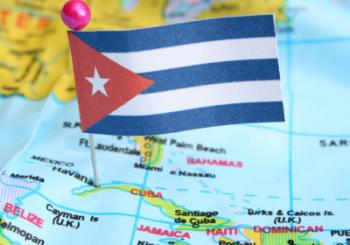
Cuba FlagCuba sera libre!

This has been the “war chant” for many lovers of Cuban heritage, culture and homeland. It’s a reminder that Cuba currently lacks many of the same freedoms so many of its neighbors enjoy. It is a mission of the book Go Lean … Caribbean, to bring change to the Caribbean in general and Cuba in particular, with the implementation of the Caribbean Union Trade Federation (CU). See the relevance in the following news article here:

Title: Cuba Approves New “Law on Foreign Investment”
By: Caribbean Journal Online Magazine

Cuba’s National Assembly has approved a new “Law on Foreign Investment,” the government said Saturday.
In a statement, the government said it would be an “essential instrument in the interest of Cuba to consolidate its economic model and build a prosperous and sustainable socialism.”

The law included a mix of mostly tax incentives, and it could be the latest move in what has been a gradual shift toward liberalizing the country’s economy, although it has come at a decidedly slow pace.

That nominal push kicked off last year, when Raul Castro, announcing plans to retire from politics in 2018, said Cuba needed to update its economic model to achieve a “sustainable and prosperous socialist society, a society less egalitarian, but more fair.”

The vote came at a special meeting convened by Cuba’s state council to discuss regulation; the meeting focused on “the need to attract foreign capital to the sectors of interest to the country,” according to a statement.

Marino Murillo Jorge, vice president of Cuba’s Council of Ministers, said that well-done foreign investment “does not mean giving away the country.”

He said the new model would focus on ensuring not just economic growth but development, with a target growth rate of between five and seven percent.

Retrieved 04/01/2014 from: http://www.caribjournal.com/2014/03/30/cubas-national-assembly-approves-new-law-on-foreign-investment/
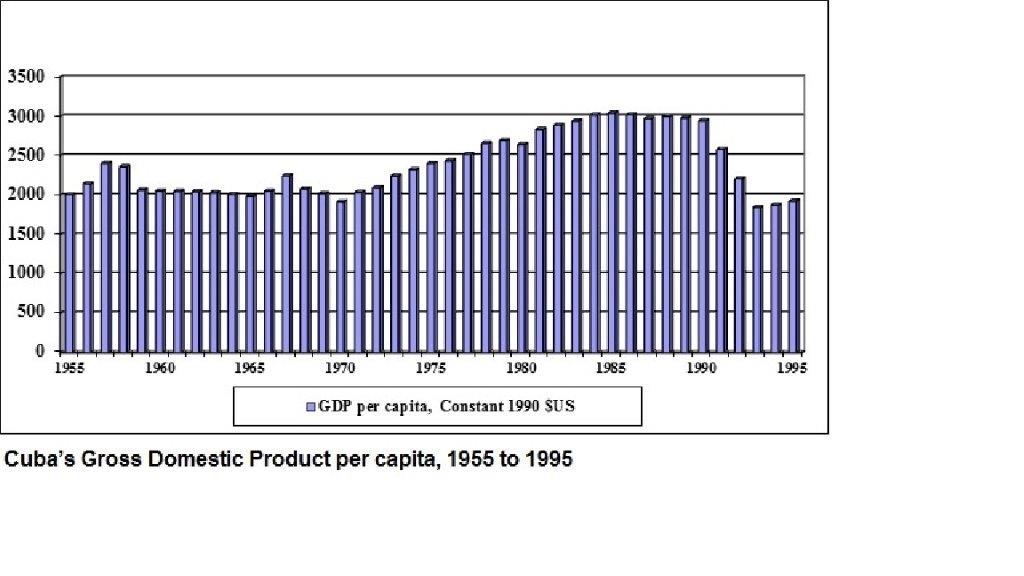
Cuba Blog GDPThe Go Lean roadmap recognizes that Cuba is very significant in the geographic and cultural anatomy of the Caribbean. As of 2010, Cuba possessed 26% of the region’s population (11.2 million out of 42.2 million) and 29% of the gross GDP, with their assumed $111 Billion output. But this is a far cry from where Cuba was 60 years ago, with one study placing Cuba as the #3 economy in Latin America and the Caribbean[a]. Though the “mighty has fallen”, this book posits that the “sleeping giant”, that is the Cuban economy, will awaken. The Go Loan roadmap is the preparation of Cuba’s re-emergence to the world’s economic consciousness. The realities and possibilities of Cuba’s past and future are identified early in the book, embedded in the Declaration of Interdependence, pronouncing a need for reconciliation efforts (Page 11):

xiii. Whereas the legacy of dissensions in many member-states (for example: Haiti and Cuba) will require a concerted effort to integrate the exile community’s repatriation, the Federation must arrange for Reconciliation Commissions to satiate a demand for justice.

The foregoing article confirms that change is on the way! The Cuban Communist regime recognizes that they need foreign investment, a “rightward” shift towards socialism; less egalitarianism and more free market accomplishments. The CU will expedite this process even more for/with Cuba. Where they declare “open arms” for foreign investments, we declare a regional embrace of Caribbean participation (Page 13):

xxiv. Whereas a free market economy can be induced and spurred for continuous progress, the Federation must install the controls to better manage aspects of the economy: jobs, inflation, savings rate, investments and other economic principles. Thereby attracting direct foreign investment because of the stability and vibrancy of our economy.

To the population of Cubans living on the island, we embrace you; “Help” is on the way! We entreat you to lean-in to this plan for confederation with your Caribbean neighbors.

To the Cuban Diaspora living abroad, we embrace you. There is a role for your inclusion in the future of Cuba. We entreat you to also lean-in to this roadmap for change and economic optimization for your beloved Cuba.

To the Cuban legacies, those descendants of Cuba’s past, we encourage you to tune-in and observe how the passions of your heritage will succeed in this new world.

Cuba sera libre!

Download the Book- Go Lean…Caribbean Now!!!

———–

Appendix – Reference:

a. United Nations Development Program, Human Development Report, Various issues, 1990, 1992, New York: Oxford University Press, 1991, 1993.


 

Share this post:
, , , , , ,

Low-cost Dominican surgeries spark warnings by US

Go Lean Commentary

CU Blog - Low-cost Dominican surgeries spark warnings by US - PhotoTo the family of Beverly Brignoni, according to the foregoing news article, the publishers of the book Go Lean … Caribbean, SFE Foundation, extend condolences for the loss of their dearly departed loved one. This article – as follows – shows the down-side of medical tourism, an accidental death from an apparent lax oversight in a cosmetic surgery clinic.

By: Ben Fox and Ezequiel Abiu Lopez
Beverly Brignoni was a young New Yorker seeking a less expensive way to enhance her appearance and she did what many other people are now doing: travel to the Dominican Republic for cosmetic surgery; (see undated “selfie” photo posted to her Instagram account, courtesy of the Brignoni family).

It went horribly wrong. The 28-year-old died Feb. 20 from what the doctor told her family was a massive pulmonary embolism while getting a tummy tuck and liposuction at a clinic in the Dominican capital recommended by friends. Family members want local authorities to investigate.

“We want to know exactly what happened,” said Bernadette Lamboy, Brignoni’s godmother. “We want to know if there was negligence.”

The district attorney’s office for Santo Domingo says it has not yet begun an investigation because it has not received a formal complaint from Brignoni’s relatives. Family members say they plan to make one.

Shortly after Brignoni’s death, the Health Ministry inspected the Vista del Jardin Medical Center where she was treated and ordered the operating room temporarily closed, citing the presence of bacteria and violations of bio-sanitary regulations. The doctor who performed the procedure and the clinic have not responded to requests for comment.

Brignoni’s death is unusual, but it is not isolated. Concerns about the booming cosmetic surgery business in the Dominican Republic are enough of an issue that the State Department has posted a warning on its page for travel to that country, noting that in several cases U.S. citizens have suffered serious complications or died.

The U.S. Centers for Disease Control issued an alert March 7 after health authorities in the United States reported that at least 19 women in five states had developed serious mycobacterial wound infections over the previous 12 months following cosmetic procedures in the Dominican Republic such as liposuction, tummy tucks and breast implants.

There were no reported deaths in those cases, but treatment for these types of infections, which have been caused in the past by contaminated medical equipment, tend to involve long courses of antibiotics and can require new surgery to remove infected tissue and drain fluid, said Dr. Douglas Esposito, a CDC medical officer.

“Some of these patients end up going through one or more surgeries and various travels through the medical system,” Esposito said. “They take a long time typically to get better.”

The Dominican Republic, like countries such as Mexico, Costa Rica and Thailand, has promoted itself as a destination for medical tourism, so-called because people will often tack on a few days at a resort after undergoing surgery. The main allure is much lower costs along with the promise that conditions will be on par with what a patient

would encounter at home.

In 2013, there were more than 1,000 cosmetic procedures performed in the Dominican Republic, 60 percent of them on foreigners, according to the country’s Plastic Surgery Society.

The Internet is flooded with advertisements and testimonials from people who say they have had successful procedures in the Dominican Republic, and an industry of “recovery houses” has sprung up to serve clients, along with promoters who canvass for clients in the United States. The price is often about a third of the cost in the United States.

Dr. Braun Graham, a plastic surgeon in Sarasota, Florida, says he done corrective surgery on people for what he says were inferior procedures abroad. He warns that even if a foreign doctor is talented, nurses and support staff may lack adequate training.

“Clearly, the cost savings is certainly not worth the increased risk of a fatal complication,” said Graham, past president for Florida Society of Plastic Surgeons.

Brignoni was referred to the Vista del Jardin Medical Center by several acquaintances in the New York borough of the Bronx where she lived, said Lamboy and Lenny Ulloa, the father of the 4-year-old daughter she left behind.

“Supposedly, it was a high-end clinic, one of the best in the city,” Ulloa said.

The doctor who performed Brignoni’s procedure, Guillermo Lorenzo, is certified by the Plastic Surgery Society, but there

are at least 300 surgeons performing cosmetic procedures who are not, said Dr. Severo Mercedes, the organization’s director. He said the government knows about the problem but has not taken any action. “We complain but we can’t go after anyone because we’re not law enforcement,” Mercedes said.

The number of people pursuing treatment in the Dominican Republic doesn’t seem to have been affected by negative reports, including a previous CDC warning about a cluster of 12 infections in 2003-04.

In one recent case, the Dominican government in February closed a widely advertised clinic known as “Efecto Brush,” for operating without a license. Prosecutors opened a criminal case after at least six women accused the clinic of fraud and negligence. The director, Franklin Polanco, is free while awaiting trial. He denies wrongdoing.

There was also the case of Dr. Hector Cabral. New York prosecutors accused him of conducting examinations of women in health spas and beauty parlors in that state in 2006-09 without a license, then operating on them in the Dominican Republic, leaving some disfigured. Cabral pleaded guilty to one count of unauthorized practice of medicine in October 2011 and returned to the Dominican Republic, where he still practices.

In 2009, Dominican authorities charged Dr. Johan Tapia Bueno with illegally practicing plastic surgery at his apartment after several women, including a local television personality, accused him of malpractice that left them with infections. Awaiting trial, he has pleaded innocent to charges that include fraud.

Juan Linares, a lawyer hired by Brignoni’s boyfriend, said he is still awaiting an autopsy report.

Because she arrived in the country late at night on a delayed flight and was on the operating table early the next morning, a main concern is whether she received an adequate medical evaluation before the procedure. Graham, the Florida surgeon, said sitting on a plane for several hours can cause blood to stagnate in the legs and increase the risk of an embolism.

Brignoni paid the Dominican clinic $6,300 for a combination of liposuction, tummy tuck and breast surgery. Lamboy said she had decided not to have the work done on her breasts and was expecting a partial refund. The woman, who worked as a property manager, had lost about 80 pounds about a year earlier after gastric bypass surgery.

Brignoni was clearly excited about the procedure. Her final post on Facebook was a photo she took of her hands holding her passport and boarding pass for the flight from New York to Santo Domingo.

“She wanted it so bad,” her godmother said. “It felt like she was going to have a better outlook on life, getting this done.”

Associated Press writer Ben Fox reported this story from Miami and Ezequiel Abiu Lopez reported in Santo Domingo.

Source: Associated Press (AP); retrieved 03/31/2014 from: http://news.yahoo.com/low-cost-dominican-surgeries-spark-warnings-us-042418398.html

This is a very important issue for the planning and execution of the new inter-governmental agency: Caribbean Union Trade Federation (CU). First of all, someone died – life is too precious to skim over this issue with indifference. The Go Lean book serves as a roadmap to introduce and implement the CU, so as to re-boot the region’s economic engines, including avenues of medical tourism.

There are also peripheral issues associated with this news story, many of which are examined, as missions, in great details in the Go Lean book. The issues/missions are:

  • Image: Confidence in the competence of service providers is sometimes based on reputation and branding. This is para-mount in medical fields. While the Caribbean is home to many excellent medical schools, facilities and practitioners, there is no regional “sentinel” role-player. The CU mandate is to zealously protect and promote the image and branding for industrial developments. So now when the media portrays “negative” depiction of Caribbean life, culture and people, there is no formal response mechanism. But with the CU’s implementation, there will be an entity to effectuate an anti-defamation response and better manage the region’s image.
  • Health Administration: The Go Lean roadmap recognizes healthcare as a basic need for the people of the Caribbean. As such, there is the acknowledgement that health delivery systems generate excessive costs and risks for a community. As a planning tool, the roadmap commences with a Declaration of Interdependence, pronouncing regional integration (Page 11) as the strategy for optimized benefits:
      IX.   Whereas the realities of healthcare and an aging population cannot be ignored and cannot be afforded without some advanced mitigation, the Federation must arrange for health plans to consolidate premiums of both healthy and sickly people across the wider base of the entire Caribbean population. The mitigation should extend further to disease management, wellness, obesity and smoking cessation programs. The Federation must proactively anticipate the demand and supply of organ transplantation as developing countries are often exploited by richer neighbors for illicit organ trade.
  • Self-Government Entities: The foregoing news story involves a clinic regulated by a Caribbean member-state, the Dominican Republic. The Go Lean roadmap institutes an arrangement for medical/research campuses as SGE’s (Self-Governing Entities) that are only regulated by the CU federal authorities. Had this tragedy occurred on such a facility, the response would have been immediate and comprehensive, employing best-practices of trauma medicine arts and sciences, thusly requiring a post-mortem lessons-learned process that would be fully transparent and accountable.
  • Lean Government: The Go Lean roadmap also extends optimizations to the member-states governments, requiring a separation-of-powers dictum to transfer oversight and administration of certain state functions to federal authorities. This includes standards, licensing and administration of healthcare facilities. The application of best-practices would most assuredly minimize the risk of medical negligence.
  • US Exceptionalism: The Go Lean roadmap maintains that other countries have their own version of the American Dream. The quest for life, liberty and the pursuit of happiness is not exclusively American. Whereas there are millions of negligent deaths in the US hospitals/clinics every year, one American dying in a Caribbean facility does not constitute an exceptional event; bad things do happen to good people … everywhere, in the US, in the Caribbean and in the Dominican Republic. Having a tourism-based regional economy means we always want to extend hospitality to our American guests, but embarking on medical tourism, also means assuming some degree of risks, for the facilities, the doctors and most importantly the patients.

The foregoing article crystalizes the need for the CU Trade Federation, a super-national administration to regulate, protect, promote and foster quality delivery of the most vital public services. The publishers of the Go Lean roadmap will hereby “sit back”, observe-and-report on the manifestations of this case, hoping for the quest for justice and accountability to be fulfilled. And remembering the unconscionable loss of the beautiful 28-year-old woman, Beverly Brignoni; RIP.

Download the book Go Lean … Caribbean – now!

Share this post:
, , , ,
[Top]

Self-employment on the rise in the Caribbean – World Bank

Go Lean Commentary

Photo - Caribbean Commercial FishermenThere is the desire to make the Caribbean a better place to live, work and play. At the root, any serious attempt at this objective must start with the creation of new jobs. The book Go Lean … Caribbean is one such attempt. It presents the roadmap to implement the Caribbean Union Trade Federation (CU), and with this effort, create 2.2 million new jobs over a 5 year period. That is the summary of the roadmap. But the “devil is in the details”. How to create so many jobs in such a short interval?

In considering the lessons from other societies, it can be seen that one key is entrepreneurship.

The experiences of North America and Europe indicate that small firms are primary sources for new employment. While entrepreneurship is not new for the Caribbean, the CU strategy of focused incubators is new. This requires support services to ignite and spur start-up companies. The exact details of the commission to help entrepreneurship are spelled out on Page 28 of the book. The book relates that successful entrepreneurship requires a new community ethos; the most crucial help coming from government authorities in protecting property rights.

MIAMI, United States – The World Bank says while self-employment is on the rise in the Caribbean, quality jobs remain elusive.

The Washington-based financial institution, which launched a new report here, said almost 70 per cent of employees in the Caribbean work for businesses with five or fewer employees, compared to 60 per cent in Latin America.

But while entrepreneurship is often considered to be a driver of development, the World Bank said the resulting companies grow at a much slower rate than in other middle-income regions.

Furthermore, the high percentage of small businesses reflects a lack of quality jobs in the region’s larger or multinational businesses, the bank said.

Declaring that “this should ring warning bells,” the report notes that, in the Caribbean, almost 70 per cent of business owners have opened a business out of fear of losing their job or because jobs were not available.

The report notes that, in the past 10 years, Latin America and the Caribbean have “benefited significantly from favourable economic tailwinds”.

But it said, as these tailwinds die “growth has to come from within” adding that innovation was “key if the Caribbean is to build upon the social gains of recent years”.

The report notes that Caribbean firms develop new products less frequently than their counterparts in other developing regions.

It said in Jamaica, for example, the rate of product development is less than half than that of Thailand or Macedonia, adding that while Grenada topped the region for new product development, six of the “worst offenders” also hailed from the Caribbean.

The report did not identify these “worst offenders” but cites four possible reasons for the less frequent development of new products in the Caribbean – Human capital, intellectual property, risk taking and logistics.

It said while science, technology and engineering graduates are at a premium, it’s a scarcity that has a direct effect on innovation.

Closely related to the quality of education the report recognises this will be a major challenge for the region.

The report notes that with separate laws govern-ing copyright in every country “the complicated panorama lends less protection to the product creators, deterring much-needed investment for new product research and development”.

It said a “deep cultural shame of failure is hindering innovation by dissuading entrepreneurs from taking risks”.

The report states that this was evident as much in “individual reticence at a business level as in the low levels of investment in research and development, especially from the private sector” and that modernising ports, transport and customs can add a competitive edge to products from the region.

Currently, it said poor public services, communication links and transport infrastructure are hindering efforts to boost production capacity in the region.

The report states younger firms “far outshone” more established ones in terms of job creation.

“The key is identifying and supporting those startups, which have the most potential through start up programmes, subsidies or policy.”

Patricia Ferreira from getAbstract, a company which provides training to those looking to start their own business, told the World Bank that “everyone has identified that innovation is definitely the way to move forward. Now, how to take this concept of innovation, break it down into microlearning moments so they can move this innovation train forward”.

It pointed to a young Barbadian entrepreneur Justin Quinlan, who is the chief executive officer of a successful start-up, “but that wasn’t always the case”.

Encouraged to focus on an existing career path like law or medicine, the World Bank said he “frequently came up against obstacles to his entrepreneurial dream”.

Quinlan said he remembered pitching to one of the bigger lending firms in Barbados, which was geared to finding innovation for youth.

“So I walk into this boardroom, and everyone there is about 50 bordering on 60 plus. When people don’t understand ideas or comprehend ideas, they are afraid.

“Investment is all about leveraging risk, so why would you try and invest in something that you don’t know or understand,” he added.

Source: Caribbean360.com – Caribbean Online Magazine (Retrieved 03/25/2014) –http://www.caribbean360.com/index.php/news/1090246.html#ixzz2x0N1aQii

DMSThe Go Lean roadmap asserts that entrepreneurship needs stimuli to be successful. That in addition to incubators, the book further calls for help to entrepreneurs with venture capital funds, angel investors, small business loans, Self-Governing Entities, cloud computing, and coaching.

Though “necessity is the mother of invention”, the Go Lean roadmap does not limit its job creation functionality to the realm of the small business. There are stimuli and growth strategies for large multi-national corporations and even government civil services. But perhaps the greatest impetus for growth will be in the fostering of intellectual property, as the book describes Internet Communications Technologies (ICT) as the great equalizer between big economy states (US, Japan, Germany, etc.) and small states, like in the Caribbean – See 10 Ways to Promote Intellectual Property (Page 29).

Considering the mathematics for creating 2.2 million new jobs, there needs to be the focus on additions and subtractions. Human flight or brain drains have depleted a lot of the Caribbean workforce in the past. So the effort to grow the number of new jobs must keep an eye on expatriation rates among the Caribbean youth. In this vein, education options would prioritize local institutions and online “e-Learning” as opposed to the previous model of studying abroad – where far too often the students never returned. This directive is embedded in the opening Declaration of Interdependence at the start of the book (Page 13) as:

xxi. Whereas the preparation of our labor force can foster opportunities and dictate economic progress for current and future generations, the Federation must ensure that educational and job training opportunities are fully optimized for all residents of all member-states, with no partiality towards any gender or ethnic group. The Federation must recognize and facilitate excellence in many different fields of endeavor, including sciences, languages, arts, music and sports. This responsibility should be executed without incurring the risks of further human flight, as has been the past history.

All in all, the roadmap Go Lean … Caribbean proposes rebooting the entire economic eco-system of the region. This is the only way to usher in the change the Caribbean desperately needs. The book posits that the problems of the Caribbean homeland are too big for any one state to solve, but rather a regional solution, the Caribbean Union Trade Federation, is the most viable option to fulfill the hope for a vibrant future for the 30 member-states and 42 million people of the region.

Download the Book- Go Lean Caribbean Now!!!

Share this post:
,
[Top]

Jamaica to receive World Bank funds to help in crime fight

Go Lean Commentary

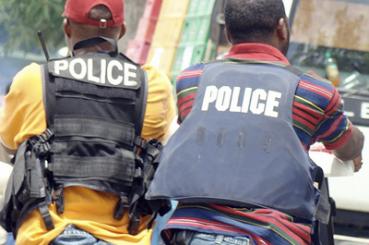
images-Caribbean-jamaica_police_498560223The publisher of the book Go Lean … Caribbean commends the Government of Jamaica and the Washington DC-based World Bank institution for their diligent effort to forge solutions to some of the crucial challenges of Jamaica. Crime has proceeded to cast such a “dark cloud” on Jamaica that the country is near the assessment of a “Failed-State”. The societal problems in Jamaica are so bad that many different advocacies from the Go Lean book can be applied to bring much needed improvements to the island. The book thusly serves as a roadmap for the implementation of the Caribbean Union Trade Federation (CU), a regional entity projected to also forge solutions for the Caribbean region as a whole and Jamaica in particular.

WASHINGTON D.C. – The World Bank says more than 80,000 Jamaican citizens will benefit from improved services, basic infrastructure and targeted crime and violence interventions in 18 vulnerable inner-city communities as a result of a US$42 million project for integrated community development.

The Washington-based financial institution said the new project is a continuation of the partnership between the Jamaica government and the World Bank on upgrading some of the country’s most vulnerable and volatile communities.

It said the project builds on the success of the “Inner City Basic Services for the Poor Project” to address accelerating urban decay and declining citizen security.

“The project aims to foster a more inclusive society in Jamaica by improving the quality of life of marginalized city dwellers,” said Sophie Sirtaine, World Bank country director for the Caribbean.

“It also aims to prevent crime and violence by engaging youth in public safety initiatives and providing them with job skills training,” she added.

As a result of the funding, Sirtaine said more than 50,000 people will benefit from improved solid waste management services, street lighting, paved roads and drainage.

She said residents in the 18 communities would “feel safer” and that 1200 families will have their piped water connection repaired and 4,500 residents receiving educational and skills training.

“As we strive to advance the targets of the Vision 2030, where access to reliable services and adequate infrastructure is the norm, enhancing community safety and security is a priority,” said Scarlette Gillings, managing director of the Jamaica Social Investment Fund.

“And these communities are places of choice to live, work, raise families and do business,” she added.

In the Kingston Metropolitan Area, the World Bank said poverty has doubled in two years from seven per cent in 2008 to more than 14 per cent in 2010.

It also said youth unemployment is on the rise, with more than 50 per cent of young people unemployed, adding that homicides and other violent crimes rates are among “the highest in the Latin America and Caribbean region”.

Source: Caribbean360.com – Caribbean Online Magazine (Retrieved 03/20/2014) http://www.caribbean360.com/index.php/business/1107320.html#ixzz2wvpxCnMA

While the foregoing article identifies these 3 objectives of the announced project: improved services, basic infrastructure and targeted crime & violence interventions, the Go Lean roadmap depicts 144 missions for the CU to engage, and provides the turn-by-turn directions on how to implement and ensure their success. At the outset of the book (Page 12), public safeguards are identified as prime directives in the Declaration of Interdependence:

x. Whereas we are surrounded and allied to nations of larger proportions in land mass, populations, and treasuries, elements in their societies may have ill-intent in their pursuits, at the expense of the safety and security of our citizens. We must therefore appoint “new guards” to ensure our public safety and threats against our society, both domestic and foreign. The Federation must employ the latest advances and best practices of criminology and penology to assuage continuous threats against public safety.

xvi. Whereas security of our homeland is inextricably linked to prosperity of the homeland, the economic and security interest of the region needs to be aligned under the same governance. Since economic crimes … can imperil the functioning of the wheels of commerce for all the citizenry, the antecedence of this Federation must equip the security apparatus with the tools and techniques for predictive and proactive interdiction.

In addition to crime, the roadmap targets delivery of government services, identifying best practices in agile methodologies to guarantee fewer defects and more efficiency; (Pages 109 & 147). In fact, the name Go Lean refers to the commitment to lean project management methodologies in the structure of the CU; this is defined in the book’s Preface (Page 4).

Lastly, the book also details investments and the impact of pipelines in the region, recognizing that this field is an “art and a science”. These investments are identified as strategic, tactical and operational in their Caribbean deliveries (Page 43). This synchronizes with the World Bank and Jamaica’s initiatives to help the municipalities to better provide quality services with their Vision 2030 plan.

The book Go Lean … Caribbean is an economic empowerment plan for the Caribbean first and foremost. This means addressing the underlying issues that mitigate poverty: jobs, education and economic growth; (Page 222). The CU projects the creation of 2.2 million new jobs regionally while growing the economy to $800 Billion. This roadmap, once executed, should help Jamaica (and equally all 30 Caribbean member-states) shed this “Failed-State” eventuality.

Download the book Go Lean … Caribbean – now!

Share this post:
, ,
[Top]

Bahamas Debate: Was Prime Minister Behind On Tax?

Go Lean Commentary

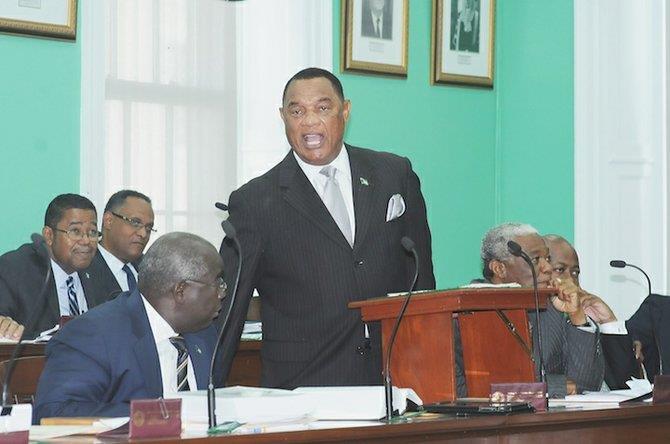
Photo - Perry Christie in ParliamentThe news article below is from The Tribune, a daily newspaper that covers the Bahamas. The story touches on a critical mission and motivation of the Caribbean Union Trade Federation (CU):

To re-boot the revenue systems that the region’s member-state governments depend on.

The book Go Lean … Caribbean, which serves as a roadmap for implementing the Caribbean Union Trade Federation, commences with an opening Declaration of Interdependence. In Verse XIV (Page 12) it pronounces:

Whereas government services cannot be delivered without the appropriate funding mechanisms, “new guards” must be incorporated to assess, accrue, calculate and collect revenues, fees and other income sources for the Federation and member-states. The Federation can spur government revenues directly through cross-border services and indirectly by fostering industries and economic activities not possible without the Union.

The below article crystalizes a debate. The country is mid-stream in implementing a new eco-system for assessing – collecting a Value-Added Tax (VAT). The proponents of the VAT are convinced that this is the panacea for the failure of real property tax collection, where even prominent politicians admit to not complying with the current taxing requirement. The foregoing debate is that maybe even the Prime Minister, Perry G. Christie, is delinquent, or may have been in the past. See the article here:

By: Khrisna Virgil, Tribune Staff Reporter (kvirgil@tribunemedia.net)

FNM (Bahamian Opposition Party) Deputy leader Loretta Butler-Turner is calling on Prime Minister Perry Christie to fully disclose whether he at some point fell behind in paying his real property taxes, and, if so, the years involved.

Branding him as the worst Prime Minister the Bahamas has seen to date, Mrs Butler-Turner criticised Mr Christie following his admission that he was unaware of which PLP parliamentarians, if any, were in arrears with their taxes.

The comments came amid a wave of backlash sparked following VAT advisor Ishmael Lightbourne’s confession that he had not paid real property taxes over the last decade. He owe’s the government more than $7,000.

The Christie administration has been heavily criticised since news of Mr Lightbourne’s delinquent account went public, especially as the government struggles to make its case that VAT is a suitable revenue-generating system.

It was Mrs Butler-Turner’s opinion that Mr Christie was “the most incompetent and irresponsible Prime Minister and Minister of Finance since the advent of Cabinet government in the Bahamas. He is very good at pleading ignorance and very poor at accepting responsibility.

“For the sake of accountability and responsibility might Mr. Christie advise if there were years when he did not pay his real property taxes in a timely manner and how many years this involved?

“If Mr Christie failed to ask (PLP parliamentarians), he is even more incompetent and slacker as Prime Minister than previously thought.

“He now says, ‘I will in fact review that with a view to seeing those of us who are in arrears of the various requirements in terms of taxes and with a view to advising them to meet the payments.’

“Why is he just doing this now, nearly two years after returning to office and on the eve of introducing legislation on VAT, legislation that has been postponed on three occasions by an incompetent government?

“He wants the Bahamian people to pay taxes and wants to raise taxes on law-abiding citizens, including the poor, but doesn’t know who in his own ranks are paying taxes? Is there one standard for the Bahamian people and another standard for PLP parliamentarians?”

Mrs Butler-Turner accused the Christie administration of being one of double standards, made clear, she said, by the actions of some PLPs. She added that seemingly it does not matter if taxes are raised or lowered because there are members of the government who simply do not pay.
Source: The Tribune – Daily newspaper online site (Retrieved 02/26/2014) –http://www.tribune242.com/news/2014/feb/26/fnm-deputy-was-prime-minister-behind-tax/

There are countless anecdotes in the Bahamas, and other countries with similar tax schemes and regimes, where property taxes had not been paid for decades, and only when there is a need for property title transfer (sale or inheritance), does the issue of tax collection become relevant. Does that anecdote also apply to the current Bahamian Prime Minister? This is not known here and now! Nor is it considered in the Go Lean book. The charge in the foregoing article seems to be more of a sensational political volley, rather than a statement of fact.

The CU, on the other hand, takes an apolitical, non-partisan stance. Further the Go Lean book asserts  that even the originator of Christianity, Jesus Christ, advised his followers to “pay Caesar’s things to Caesar”. This is found in a Chapter entitled:

10 Lessons from the Bible (Page 144).

(Note: the Bahamas claims to be a Christian nation).

The CU mission is to implement the complete eco-system for property tax assessment, registration and collections. The roadmap advocates an optimized tactic where the CU operates as a technocratic deputized agency and acquires “Receivables” for a country’s property taxes, in advance, and then subsequently facilitates collections and servicing. Imagine the Bahamas, and other similar member-states, under this new regime, receiving a warrant (securitized payment) of 80% of the amount of tax revenues that should be collected in a “perfect scenario” – 10 Ways to Pay For Change (Page 101). It then becomes the job of the CU’s technocratic professionals to complete the collection cycle – removing any political prejudices from the process – 10 Ways to Improve Credit Ratings (Page 155).

Without a doubt, this approach is far better than the status quo.

Download the book Go Lean … Caribbean – now!


Share this post:
,
[Top]

Fed Releases Transcripts from 2008 Meetings

Go Lean Commentary

Photo - US Federal reserve Bank Building (1)This foregoing article is part of the process of post-mortem analysis, sometimes referred as “Monday Morning Quarterbacking” or “Armchair Quarterbacking”. This can be a helpful process as it allows for lessons-learned of previous episodes and the mitigation of future risk. This is the premise of the book Go Lean … Caribbean. This book, serving as a roadmap for change in the Caribbean region, posits that the effects of the 2008 Great Recession continue to linger. Therefore the book advocates lessons from 2008 and the implementation of reforms, re-boots and turn-arounds to steer the region to a better outcome.

The book is inspired by the words of famed American Economist Paul Romer, who coined the phrase: “A crisis is a terrible thing to waste”. The above article shows that this philosophy was also incorporated in the undertakings of many of the stakeholders battling the challenges of 2008 – they did not waste the crisis. Many things that were blatantly wrong in the macro economy before 2008 were corrected by this crisis. The “easy money” policies and NINJA (No Income No Job or Assets) loans of the 2000’s decade were abated. The financial industries have now moved back to more sound, fundamental lending principles.

By Dunstan Prial:

Transcripts from 2008 Fed meetings divulge publicly, for the first time, details of decisions made by the central bank during the height of the financial crisis. [US Federal Reserve Chairman Ben] Bernanke proposed two options: an emergency term securities lending facility and to expand and extend the currency swap lines with struggling European banks.

By late October, after the collapse of Lehman Brothers and the fire sales of several other large banks on the brink of collapse, the Fed had dropped interest rates to about 1% and introduced a host of other emergency measures. And Fed policy members were apparently quarreling over whether those measures and how they were communicated to the public were helping or harming.

At the Fed’s Oct. 28-29 meetings, Timothy Geithner, then president of the New York Fed, scolded some colleagues for suggesting the Fed’s bold moves were hurting broader confidence in the economy: “Now, a lot of things happened over the last three months and the last year, and a lot of things happened in terms of policy over the last six weeks. There is no doubt that communication about policy by all the arms of the U.S. government and the uncertainty created by the actions by all the arms of the U.S. government contributed in ways to uncertainty about the policy response going forward,” Geithner said.

“There is also no doubt that inevitably in a crisis like this, when policy moves forcefully, it is scary because a lot of people are not yet at the point of assessing or understanding the forces driving our decisions. But I think it’s just unfair to suggest that the actions by the Chairman and this Committee were a substantial contributor to the erosion in confidence and to uncertainty about further policy actions, even though it’s true that when we move with force and drama it has the risk of adding to uncertainty.”

Geithner was a key supporter of the activist measures taken by the Fed before being named Treasury Secretary after Barack Obama was elected in November 2008. The transcripts, which run into the hundreds of pages, reveal that this was the beginning a series of unprecedented measures taken by the Fed in an effort to stave off another Depression.

The 14 transcripts are from eight scheduled meetings and six emergency meetings of the policy setting Federal Open Market Committee, which sets the central bank’s monetary policy, including the level of short-term rates.

The transcripts do not include other meetings at which smaller groups of Fed officials, working with the Treasury Department, arranged the bailouts of bankrupt Bear Stearns, the American International Group (NYSE: AIG), and housing service entities Fannie Mae and Freddie Mac.

Nor do the transcripts include notes from the meetings at which policy makers decided to let investment bank Lehman Brothers fall, which occurred in September 2008 and proved a key event at the outset of the crisis.

Fox Business News Online (Retrieved 02/21/2014) –http://www.foxbusiness.com/economy-policy/2014/02/21/fed-releases-transcripts-from-2008-meetings/

How about the Caribbean? Has the lessons been learned in and for this region? Have the blatantly wrong policies been abated? Has the markets returned to fundamentally sound policies?

Unfortunately, with the ever-expanding brain drain/human flight crisis in the Caribbean, the economic problems persist. Is it fair to conclude that when people move from the Caribbean to the US mainland, Canada or EU member-states, that there is some failure on behalf of Caribbean society? The Go Lean roadmap so declares, identifying “push-and-pull” underlying factors.

What qualifies the writers of this book to make these assessments?

Simple! They have lived the issues depicted in this foregoing news article and the Go Lean roadmap. The book is published by the SFE Foundation, a Community Development Corporation constituted by members of the Caribbean Diaspora. These are people who love their homeland, and would rather live, work and play there, but instead, find themselves toiling as alien residents in foreign lands. Principals of this foundation were also there in 2008, engaged with major stakeholders of the Global Financial crisis: Lehman Brothers, BearStearns. JPMorganChase, CitiGroup, etc. They were on the inside looking out, not the outside looking in. They were movers-and-shakers of the macro economy, not just armchair quarterbacks.


Share this post:
, , ,
[Top]

Dominica raises EC$20 million on regional securities market

Go Lean Commentary

imagesThe forgoing news article synchronizes with the book Go Lean … Caribbean in that it advocates the alternative financing scheme for government debt; that of treasury bonds in the region’s security markets. The news article further describes the success using the existing monetary union for the Eastern Caribbean states. The Go Lean roadmap extrapolates that monetary union for all 30 member-states and the stronger currency of the Caribbean Dollar. This approach exceeds the current regime for many Caribbean states, that of foreign debt, which has to be repaid in foreign currency.

This book therefore promotes independence (Page 120), by being less beholden to foreign powers and foreign banks. Yes, independence by means of interdependence.

Roseau, Dominica – Dominica raised EC$20 million (One EC dollar = US$0.37 cents) on the Regional Government Securities Market (RGSM) on Monday with with Prime Minister Roosevelt Skerrit saying it represents confidence in the policies of his administration.

The money was raised at a record low 1.999 per cent through the first of a series of three 91-day Treasury Bill offerings.

“Many countries in the developed world especially in Europe have had difficulty in raising monies at concessionary rates. The discount rate achieved in Monday’s Treasury bill offering means that government can now raise the financing it needs at a lower cost to the taxpayers of Dominica,” said Skerrit, who is also finance minister.

He said his administration has had to grapple with Dominica’s own challenges “but we have worked actively to build a strong platform for sustained economic growth.

“Our prudent fiscal and economic policies have insulated the country from the more severe effects of the global recession,” Prime Minister Skerrit added.

A government statement said that the rate of 1.999% is 50 basis points below the previous record of 2.49%.

“Investors view the purchase of the 91 day Treasury bill as a low-risk investment opportunity. The low Treasury bill rate demonstrated the ability of the Government of Dominica to raise money at relatively low cost,” the statement said.

It said that as a result, the government will seek to raise an additional EC$65 million on the RGSM through the remaining two, 91 day Treasury bills and one five year, EC$25 million bond.

“This is to finance part of government’s operating budget and refinance existing government debt, the interest rate on which is much higher than the interest rate government obtains on its Treasury bills. Treasury Bills present an avenue to invest outside of the normal banking system,” the statement added.
Source: Caribbean360.com – Caribbean Online Magazine (Retrieved 03/21/2014)http://www.caribbean360.com/index.php/business/1107319.html#ixzz2wcE8gxHl

This book serves as a roadmap for the implementation of the Caribbean Union Trade Federation (CU), and the Caribbean Central Bank (CCB) to issue the regional Caribbean Dollar currency. This CCB institution is projected as an independent, yet technocratic federal agency to administer the region’s monetary affairs. Thus ushering a change in funding options available to the 30 member-state governments. At the outset, the roadmap identified this urgent need, stating this clause in the Declaration of Interdependence (Page 14):

xxix. Whereas all Caribbean democracies depend of the free flow of capital for municipal, public and private financing, the institutions of capital markets can be better organized around a regional monetary union. The Federation must institute the controls to insure transparency, accounting integrity and analysis independence of the securities markets, thereby shifting the primary source of capital away from foreign lenders to domestic investors, comprising institutions and individuals.

The foregoing news article depicts how much cheaper this funding approach is compared to alternatives, as Grenada was able to raise so much short term money at a low rate of 1.999%. This is much cheaper than any bank loan option. But with this alternative financing scheme, come new risks and threats. The Go Lean roadmap anticipates the many consequential impacts on Caribbean society, allowing for best-practice mitigations, such as credit ratings and reporting, investigations and prosecutions at the federal level, monitoring for systemic threats and racketeering crimes that can undermine the entire system.

The book details this oversight in these advocacies and anecdotes, embedding lessons from other jurisdictions like Wall Street in the US:

  • 10 Ways to Impact Wall Street (Page 200)
  • 10 Lessons from 2008 (Page 136)
  • 10 Ways to Improve Credit Reporting (Page 155)
  • 10 Ways to Better Manage Debt (Page 114)
  • 10 Revenue Sources for Caribbean Administration (Page 172)
  • Appendix GC – Credit Ratings Agencies Role in 2008 Financial Crisis (Page 276)

The CU/CCB solutions are designed to make the Caribbean a better place to live, work and play. This roadmap starts with an economic focus, but it also facilitates optimization of the governance processes. To maintain good governance, there must be a steady stream of revenues. The Go Lean roadmap calls for member-state governments availing more benefits from the capital & securities markets; for example, public sales of property tax liens. This strategy will be a “win-win” for all, elevate the social contract between the governments and the governed: more revenues drive more services; more services drive more opportunities to benefit the citizens (and all other stakeholders: investors, visitor, diaspora, etc.) of the Caribbean.

Download the book Go Lean … Caribbean – now!

Share this post:
, , ,
[Top]

Time Value of Money

The time value of money is a fundamental concept in finance – and it influences every financial decision a person makes, whether they realize it or not. Learn the basics here, from this video:

httpwww.investopedia.comvideoplayunderstanding-time-value-of-money

The book Go Lean … Caribbean serves as a roadmap for the introduction and implementation of the Caribbean Union Trade Federation (CU). This CU is proffered to provide economic, security and economic security solutions for the 30 member Caribbean states. This mandate is detailed early on in the book’s Declaration of Interdependence, as follows (Page 13):

xxiv. Whereas a free market economy can be induced and spurred for continuous progress, the Federation must install the controls to better manage aspects of the economy: jobs, inflation, savings rate, investments and other economic principles. Thereby attracting direct foreign investment because of the stability and vibrancy of our economy.

The roadmap posits that retirement is a community issue, and that the mandate for the CU to manage economic security issues must encompass retirement planning as well.

Currently in the region there are no Capital/Security markets that offer the liquidity options of Wall Street. However the book describes an optimization of the existing financial markets that can still take place with the introduction of the Caribbean Dollar – managed by a technocratic Caribbean Central Bank – and elevation of the current 9 Stock Exchanges.

Further the Go Lean roadmap portrays the need for public messaging to encourage savings/investments, describing deferred gratification as a community ethos that is required to forge permanent change in the Caribbean homeland. (Of course, administratively, failed policies like hyper-inflation and currency devaluation can undermine any positive savings habits; and thus the Go Lean roadmap starts first with rebooting the governing engines).

Investopedia Online Magazine (Retrieved 03/06/2014) –
http://www.investopedia.com/video/play/understanding-time-value-of-money/


The following advocacies in the book speak towards this Go Lean mission of optimizing financial/retirement planning:

10 Ways to Impact Retirement- Page 231

10 Ways to Impact the Future- Page 26

10 Ways to Impact Wall Street- Page 200

10 Ways to Control Inflation- Page 153

10 Ways to Better Manage Foreign Exchange- Page 154

10 Reforms for Banking Regulations- Page 199

10 Ways to Better Manage Debt- Page 114

10 Reasons to Repatriate- Page 118

10 Lessons from 2008- Page 136

10 Ways to Improve Elder-Care- Page 225


Share this post:
, , ,
[Top]

How to Create Money from Thin Air

money-magic-rival-logoGo Lean Commentary

“Money does not grow on trees”, according to the old adage.

If it did then the tree would be special, it would be producing a chattel good that is designated as monetary currency. Even still, this scenario would not be “thin air”, it will be trading goods for goods. This can be illustrated with a barter exchange of fruit for some other merchandise, say silver. If the silver is viewed as money, then the process of growing and harvesting the fruit will result in money (silver) being acquired based on the fruit from the tree. So money can grow on trees!

Something more amazing happens in our modern economic system, money is created out of “thin air” – no trees, no fruit, no silver. How is this possible? This is accomplished through the Commercial/Central Banking system.

First of all, banks are financial institutions that take in deposits from people and use their money to give out loans to others. The reason why banks provide this service [to the community] for free is because they earn a profit by letting people deposit their money. Banks charge higher interests rates on the money they lend out compared to the money deposited. All in all, banks are both borrowers and lenders. People trust banks to store their money. The deposits allow banks to lend out money with higher interest rates with the expectancy that the loans will be paid back.

Banks have something called a required reserve ratio, mandated by the Central Bank; (the “Fed” in the US). This is the ratio of reserves to total deposits that banks are supposed to keep as reserves. Banks also have the right to increase the reserve ratio. They lend out the remaining percentage. For example, the bank has a 10% reserve ratio meaning it reserves 10% of its total deposits. It will then lend out the remaining 90%. When a person deposits $100, the bank is able to lend out $90 and keeps $10 for reserves. The $10 does not count as money since it is used as a reserve and may not be used for lending. So far, the bank has $100 and $90 currency loaned out. This is a total of $190 created as opposed to $100 before. Currency held by the public is money.

Of course, the borrower doesn’t simply keep the $90 but he will spend it. For instance, he will spend his money for a pair of soccer cleats at the Nike store. Now the Nike store has $90 but it will then deposit it back into the bank. The cycle then repeats itself. If the bank has more borrowers, it will certainly make a profit. If it lends again, it will lend out $81 and keep $9 on reserves.

The way banks create money is a cycle and over time, the profit compounds on top of each other and the original $100 can be [extended] potentially [to as high as] $1,000.[a]

So the new $900, compared to the original $100, is created from “thin air”.

“To whomever much is given, of him will much be required” – Luke 12:48 (World English Bible)

This scripture is quoted in the book Go Lean … Caribbean, in the advocacy “10 Ways to Improve Leadership” (Page 171) showing the great responsibility and accountability of leaders managing monetary affairs; they can create money out of “thin air”. This power, however, has often been abused by Caribbean officials and has resulted in tragic cases of hyper-inflation, currency devaluation and ultimately: human flight – people’s money lost value overnight due to no fault of their own. The same as money can be created, it can also disappear into “thin air”– Anecdote (Page 149) & Appendices (Pages 315 – 7).

The Go Lean roadmap does not just state the problems but provides solutions as well. Those solutions are proposed in the implementation of the Caribbean Union Trade Federation (CU) and the adjoined technocratic Caribbean Central Bank (CCB), as an independent agency. The mandates in the Go Lean roadmap focus on inflation (Page 153), foreign exchange (Page 154), interest rates/credit ratings (Page 155) & debt management (Page 114). The CCB is to be led by professionals who are well trained to execute the leadership roles for a unified Caribbean currency. They will be “given much”; because the CU is modeled after the European Union and the European Central Bank (ECB) – see (Page 130). The CCB leaders will be schooled in the arts and sciences of monetary affairs by the ECB. In addition, the leaders of the existing Central Banks of each member-state will serve as Governors of the CCB with appointments for 14 years, thus insulating them from political influences and persuasions – see “10 Reforms for Banking Regulations” (Page 199). This is the hallmark of a technocracy!

The book Go Lean … Caribbean serves as a roadmap for Caribbean economic optimization. It posits that the creation of money will be enhanced when all Caribbean member-states integrate their currencies into a single currency, the Caribbean Dollar (C$), and also their economies into a “Single” Market. The economic initiatives will create new services, jobs, investments and opportunities.

Yes, the end result will be money created out of “thin air”, but more so because of a vibrant economy than just the deposit-loan-commercial banking paradigm.

The originating activity, as defined in the roadmap, is the stimulus for economic gains. The roadmap projects an $800 Billion economy (GDP) after the 5-year implementation, up from $278 Billion. These numbers will be manifested with the creation of 2.2 million new jobs, and a better place to live-work-play.

🙂

Download the book Go Lean … Caribbean – now!

——-

Appendix – Reference:

a. Wiki-Answers; retrieved on 03/19/2014 from http://wiki.answers.com/Q/How_are_banks_able_to_create_money.

Share this post:
, ,
[Top]

Book Review: ‘How Numbers Rule the World: The Use & Abuse of Statistics in Politics’

Go Lean Commentary

How Numbers Rule the WorldThe below news article is a Review of the above-cited book; it highlights many of the same approaches being used in the publication Go Lean … Caribbean for the introduction and implementation of the Caribbean Union Trade Federation (CU). This book embraces the concepts of agile or lean methodologies to measure and manage progress in the region. Thus the name Go Lean. The Federation will lean-in to best-practices for capturing, computing, and measuring good economic and consumption data.

The source book by Lorenzo Fioramonti focuses on the use and abuse of statistics in the field of economic measurements, or econometrics. He asserts that the aggregate numbers are so critical that they “rule the world”. Due to this power, there is a basis for abuse, and far too often bad numbers have been used to exploit good intentions. The Go Lean book serves as a roadmap for the 5-year implementation of the CU. This requires exact econometric measurements from the outset, and thusly organizational structures will be embedded with the capabilities to facilitate this mandate. See the review here:

Book: How Numbers Rule the World: The Use and Abuse of Statistics in Global Politics. Lorenzo Fioramonti. Zed Books

Review by: Stuart Astill

GDP drives our economies. Stock market indices flood our media and national debates. Statistical calculations define how we deal with climate change, poverty and sustainability. But what is behind these numbers? In this book, Lorenzo Fioramonti sets out to show how numbers have been used as a means to reinforce the grip of markets on our social and political life, curtailing public participation and rational debate. Stuart Astill finds it to be a well written book, blending together knowledge from different fields into a coherent and readable whole. Of interest to economists, statisticians and especially those studying all aspects of power and politics.

During my time as a government statistician I had literally no idea that I was not, as many people thought, an oxymoron, but rather I was a tautology. I have discovered amongst many other things, thanks to Lorenzo Fioramonti‘s book, that statistics were originally created for the express purpose of governing and reforming the state, hence the ‘stat’ part of the name.

However, the title of the book, “How numbers rule the world”, is much closer to describing the content than is the subtitle, “the use and abuse of statistics in global politics”. Fioramonti’s main concerns are economists and, perhaps even more, the people who ask questions of economists and statisticians. He intelligently explains how he despairs of people who abuse their technical

knowledge or their advantageous position to turn the world to their own ends rather than the common good. This is not surprising: the author holds a Chair in Governance at the University of Pretoria and applies governance thinking through his work on topics around development, alternative economies and social progress measurement.

This book is consequently largely about power, rather than numbers: it illustrates a subset of abuses of power that have numbers at their heart. It is in some ways a psychopath’s guide to bullying the world by numbers – pretending that everything is ‘rational’, ‘independent’ and ‘objective’ and building fortresses of power around these intentional misrepresentations. In a provocative and fascinating first introductory chapter Fioramonti outlines his take on the world of ‘official’ numbers – perhaps best summed up where he says “Experts who use numbers have become the guardians of [this] social trust… citizens, elected representatives and other stakeholders… are held hostage by experts…”

The main chapters are quite specific techno-politico-historical investigations into four areas; ‘New global rulers: the untameable power of credit rating’, ‘Fiddling while the planet burns: the marketization of climate change’,

‘Measuring the unmeasurable: the financialization of nature’ and ‘Numbers for good? The quest for aid effectiveness and social impact’. He concludes with ‘Rethinking numbers, rethinking governance’. The whole is well written, blending together knowledge from different fields into a coherent and readable flow with a good number of ‘light bulb’ moments.

As a slight criticism from a purist, Fioramonti occasionally blurs the undeniable neutrality of mathematics and the more qualitative issues that necessarily sit around it. Economics and, to a slightly lesser extent, applied statistics consist of assumptions first and foremost, plus mathematics. I would have preferred to have seen clearer isolation of elements that are unquestionably objective and true – there is only one way for a statistician to calculate where the 90th percentile lies and only one way for an economist to carry out a simple linear regression. What Fioramonti is discussing is not just mathematics, but numbers in the real political world that sit as the filling in a sandwich. On either side of the pure mathematical filling is the sometimes rotten bread. In statistics we have on one side the definition of the statistics under consideration and the selection of the methodology that will be used – on the other side a slice of presentation and selective highlighting (or subtle downplaying). In economics, even more crucially, the fundamental assumptions that define the model (the most famous of which is the General Equilibrium, or ‘free market’ model) make one slice of the bread, while the presentation and choice of weighting empirical evidence with pure theory form the other.

Mathematics is the neutral servant of the assumptions but the assumptions can and should be stated and debated independently. I have always argued that the crucial step in analysis is to come back to our clearly stated assumptions and test them in view of our results against the real world. We must embrace a qualitative depth even in the most apparently quantitative pursuits. Professor Fioramonti has shown in a passionate and convincing way the global importance of this aspiration. His unarguable clarion call is for clarity, transparency and widespread, gentle and constructive skepticism.

I would add that we must make a great push for wider numeracy and understanding of scientific philosophy. In our world it is possible for a senior public servant to say “I don’t do numbers”, despite ‘analysis and use of evidence’ being one of their core competencies. As long as the public and the politerati do not have the skills to engage with (note, not in) quantitative analysis we cannot escape the traps that are so vividly described by this book.

Another lesson illustrated clearly by Fioramonti in this book is to embrace ambiguity. From a practitioner’s point of view it is crucial to consider how integrity can go hand in hand with progressing the use of numbers in a beneficial way. I was particularly taken by the chapter ‘Numbers for good? The quest for aid effectiveness and social impact’ which illustrates Fioramonti’s theme particularly well, showing how the undeniable power of numbers to reduce the inconceivable reality of the world to manageable proportions can lead to dangers, especially when exercised in the realm of human behaviour. The sharpness of his argument is summed up when he says that “the complexity of social relations is lost through the cracks of mathematical algorithms”.

His dismay at models being ignorantly lifted from the world of business and planted in non-profit development sectors is clear and well evidenced. There is a wonderfully familiar feeling to a quote in the chapter on aid effectiveness where the author is commissioned by his development-sector client to “improve their impact assessment tools”. Fioramonti offers them a coherent and balanced strategy with a methodology that is sensitive to the needs of the client and, hopefully, inclusive and beneficial to those in the developing countries. The CEO of the commissioning organisation listens and then baldly states: “Dr Fioramonti, there must have been a misunderstanding… we want you to develop one number which can tell us if what we do works or doesn’t. As simple as that.”

To have integrity, practitioners must recognise the right of commissioners of work to voice such a demand, whilst to the best of their capability working to a conclusion that, at worst, does no harm. At best the practitioner’s conclusion improves the world, moves forward the client’s understanding and improves the shared body of knowledge. Not easy when there are practitioners out there with less integrity, ready to take money in exchange for work that may do harm.

The author shows us in the historical section of this chapter the devastating scale of the misguidedness (my polite phrase!) that can occur when poorly defined economic growth becomes the key measure of development; natural resources are over-exploited, countries grow, but fail to adequately develop democratically, in human capital terms or in the most basic health, poverty and human rights areas. Even when/if aid makes it to the correct destinations it may well merely be used to prove someone’s (flawed) economic theory. Philanthropic ventures, the author argues, are often backed by the kind of people (technocrats, those from the business world), who like their money to be spent according to simple methodologies with hard numbers that ought to be seen as widely discredited given the events of the last financial crisis.

However deep the numbers can take us they cannot take us to the true problem, which is also the heart of the solution: power. In the end it seems that most of the problems in this book come down to something simple and very human: desperation for certainty combined with a need for simplicity in a confusing world. The challenge then is to move forward constructively and honestly while responding to and understanding that impossible desire.

In the Go Lean book, there is an advocacy “10 Ways to Measure Progress” (Page 147), detailing how the CU will manage the mission to make the Caribbean a better place to live, work, and play. The roadmap posits that this effort is a journey, not just one act. Therefore this effort is to be optimized with advanced process management methodologies to ensure CU goals are being accomplished; the stakeholders must therefore measure the progress. The key to this effort will be the federal structure of a Commerce Department with the primary role of harvesting demographic and econometric data. The roadmap adopts a Trade philosophy branded as SHIELD (Strategic, Harvest, Interdiction, Enforcement, Logistics and Delivery). The CU will install Project Management Offices in every Executive Branch Department to ensure a lean culture of quality delivery and accountability. This mission is highlighted at the outset of the Go Lean book, in a Declaration of Interdependence, with the following statement:

xxiv. Whereas a free market economy can be induced and spurred for continuous progress, the Federation must install the controls to better manage aspects of the economy: jobs, inflation, savings rate, investments and other economic principles. Thereby attracting direct foreign investment because of the stability and vibrancy of our economy.

There are other numbers that are important in the management of the Caribbean regional economy, numbers that measure the capabilities of the economic engines and the quality of Caribbean life. In particular, these are the numbers that are compiled and evaluated by credit reporting agencies and “failed-state” assessors. The Go Lean roadmap details action plans to improve these metrics: “10 Ways to Improve Credit Ratings” (Page 155) and “10 Ways to Improve Failed-State Indices” (Page 134).

Now is the time for the Caribbean region to lean-in for the changes described in the book Go Lean … Caribbean. The benefits of this roadmap are very alluring, that with the measured progress, and appropriate course correction, the Caribbean region can emerge to a $800 Billion economy (up from $278 Billion based on 2010 figures). These are just numbers, yes, but as Lorenzo Fioramonti pointed in in the foregoing reviewed book, these ”… Numbers Rule the World …”

Download the book now Go Lean … Caribbean.

Share this post:
, , , ,
[Top]