Month: April 2014

Temasek firm backs Southeast Asia cab booking app

Go Lean Commentary

CU Blog - Temasek firm backs Southeast Asia cab booking app - Photo - CopySingapore has a public-private initiative to foster innovation, entrepreneurship and jobs. They use public monies to invest in private businesses that can generate future returns. This constitutes a progressive stewardship of a country’s economy; and a fine model for Caribbean empowerment objectives.

The book Go Lean…Caribbean makes similar claims as the news article below, that innovation and economic growth can result from a progressive community ethos. The book defines this “community ethos” as the fundamental character or spirit of a culture; the underlying sentiment that informs the beliefs, customs, or practices of society; dominant assumptions of a people or period.

By Andrew Toh

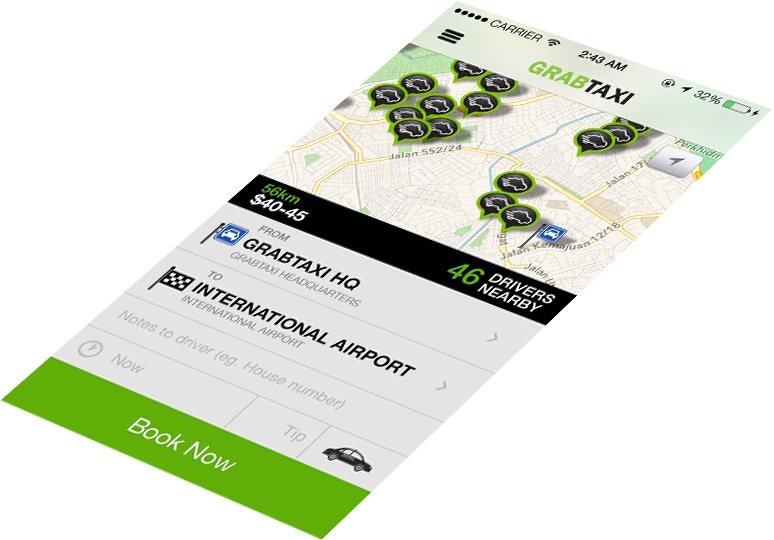
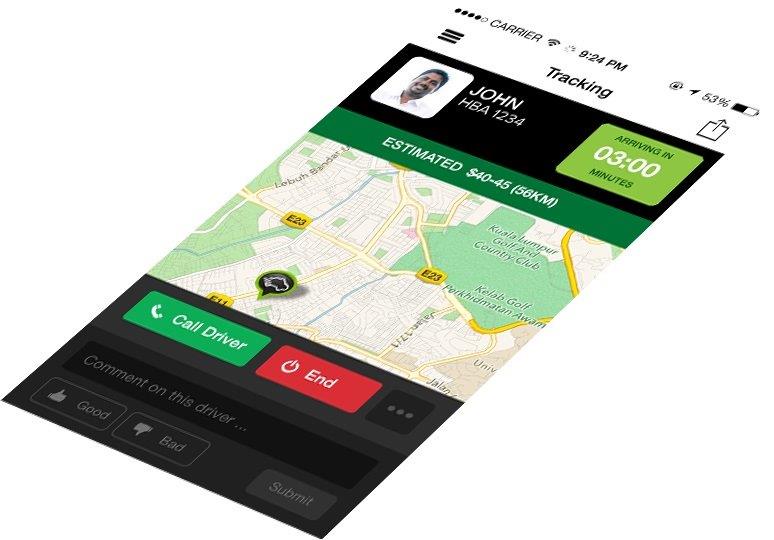
SINGAPORE (Reuters) – A unit of Singapore state investor Temasek Holdings is putting its substantial clout behind an app that eases the pain of booking taxis in Singapore and Malaysia, aiming to expand the service in other busy Southeast Asian cities.

Vertex Venture Holdings, a $1.2 billion venture capital firm that focuses on emerging companies and funds in Asia and the United States, said on Tuesday it was leading a group of mostly Malaysian investors putting an unspecified “eight-figure sum” into smartphone app company GrabTaxi.

The app, developed by two Harvard Business School graduates, was launched in Malaysia in 2012 as MyTeksi, and then expanded to Singapore a year later. It also operates in Thailand, Vietnam and the Philippines.

“We invest in potential champions which have developed new technology platforms or business models,” Vertex Venture CEO Chua Kee Lock told reporters. “We clearly see GrabTaxi as one such champion in the making.”

Booking a taxi is often an arduous task in Singapore, a city state with a population of around 5.4 million and just 28,000 cabs. Many people rely on taxis and public transport, as Singapore is one of the most expensive places in the world to own a private car, but finding a cab during peak hours, and the frequent tropical downpours, is often frustrating.

In other Southeast Asian cities like Manila and Kuala Lumpur, heavy traffic makes finding taxis equally difficult.

GrabTaxi competes in the region with an app from Hong-Kong based company Taxi Hero and Rocket Internet’s Easy Taxi app.

In Singapore, it is up against market leader Comfortdelgro Corp, which has its own booking app. GrabTaxi, however, offers commuters a choice from all the taxis that are closest to their location, regardless of which company operates them.

GrabTaxi founder and Chief Executive Anthony Tan said the app was the second most popular in Singapore after Comfortdelgro, and that it had been downloaded on to more than one million mobile devices in Southeast Asia.

He said the company was keen to expand outside Malaysia, because that is where he believed the biggest growth was happening.

“These markets have much bigger population sizes. They’re chewing up smart phones like no tomorrow,” he said. “I think jumping on this type of wave makes all the difference.”

The Vertex Venture-led investment will go into product innovation and building larger local teams to develop and market the app, Tan said. The app would rely on built-in traffic algorithms and feedback from users, he added.

Reuters News Source (Retrieved 04/08/2014) –http://news.yahoo.com/taxi-temasek-firm-backs-southeast-asia-cab-booking-102723508–sector.html

The foregoing news article, about Temasek & GrabTaxi, provides a number of other “fine models” for the Caribbean ethos:

  • Regional Taxi Administration – The Go Lean roadmap defines that taxis are the frontline of Caribbean hospitality; there is the need to compel the stakeholders to adapt innovative products & services like the mobile apps in this news article (Page 25).
  • Mobile Applications – The Go Lean roadmap defines the mastery of time-&-space as strategic for succeeding in mobile apps development and deployment for the region (Page 35).
CU Blog - Temasek 2nd PicThe book, Go Lean…Caribbean, serves as a roadmap for the introduction and implementation of the Caribbean Union Trade Federation (CU) over a 5 year period. The book stresses that the current community spirit/ethos must change. What can motivate people to change their values and priorities? Compelling external and internal drivers! The roadmap commences with the statement that the Caribbean is in crisis, and that “a crisis is a terrible thing to waste”. The region is devastated from external factors: global economic recession, globalization and rapid technology changes. The book then posits that to adapt, there must be a new internal optimization of the region’s strengths. This is defined in Verse XXVII (Page 14) of the Declaration of Interdependence:

Whereas the region has endured a spectator status during the Industrial Revolution, we cannot stand on the sidelines of this new economy, the Information Revolution. Rather, the Federation must embrace all the tenets of Internet Communications Technology (ICT) to serve as an equalizing element in competition with the rest of the world. The Federation must bridge the digital divide and promote the community ethos that research/development is valuable and must be promoted and incentivized for adoption.

In line with the foregoing article, the Go Lean book details some applicable community ethos, and provides a roadmap to better foster these qualities and their resulting benefits:

• Deferred Gratification (Page 21)

• Governing Principles – Return of Investments (Page 24)

• Help for Entrepreneurship (Page 28)

• Promotion of Intellectual Property (Page 29)

• Impacting Research & Developments (Page 30)

• Bridging the Digital Divide (Page 31)

The roadmap posits that the CU must incubate a Mobile Apps industry, forge entrepreneurial incentives and facilitate the infrastructure upgrades so that innovations can thrive. As related in the foregoing article, these efforts can help a region, in this case the Caribbean, to be a better place to live, work and play. 🙂

Download the free e-Book of Go Lean … Caribbean – now!

Share this post:
, , , , ,

PetroCaribe press ahead with plan to eradicate hunger & poverty

Go Lean Commentary

Venezuela Oil“He who has the gold makes the rules”; this is considered the golden rule. Today, oil is considered Black Gold. This succinctly describes the status of PetroCaribe and its regional campaign.

The foregoing news article speaks of PetroCaribe and ALBA, two economic integration initiatives by Hugo Chavez (1954-2013), the late President of Venezuela. He proved to be impactful, yet polarizing. His advocacy of socialism often brought him at odds with other western democracies, especially the US. But still, Chavez and Venezuela as a whole wield great power in Latin America and the Caribbean due to their abundance of resources and oil reserves.

The publisher of the book Go Lean…Caribbean, SFE Foundation, is a Community Development Foundation, constituted with members of the Caribbean Diaspora. The book’s first chapter defines the character and objective:

The SFE Foundation is not a person; it’s an apolitical, religiously-neutral, economic-focused movement, initiated at the grass-root level to bring change back to the Caribbean homeland – no one Caribbean State is favored over another. The SFE Foundation is not affiliated with the CariCom or any of its agencies or institutions. This movement is not an attempt to re-boot the CariCom, but rather a plan to re-boot the Caribbean

The same as is said about CariCom, in the above text, can be applied to PetroCaribe and ALBA.

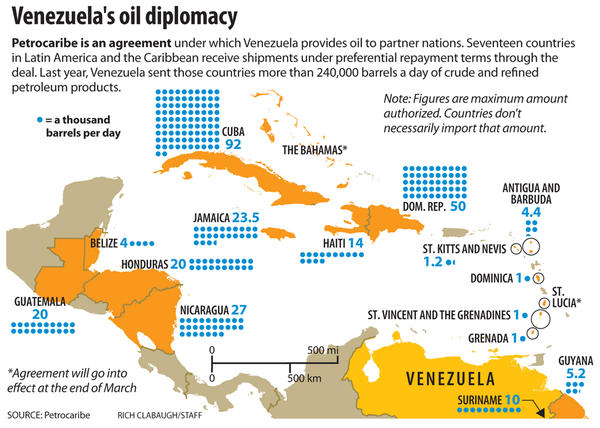
CARACAS, Venezuela — The action plan for the eradication of hunger and poverty in the economic zone of PetroCaribe is showing significant progress. In order to define the specific intervention initiatives for each country, representatives from 17 Caribbean and Central American nations met in Caracas, Venezuela on 3 and 4 April 2014.

The meeting was opened by the vice-president for social areas of Venezuela, Hector Rodriguez, who emphasized on the importance of PetroCaribe for the region, noting that “this is a proposal that seeks equality based on diversity”.

Referring to the results of the action plan for the eradication of hunger and poverty, he stated, “We have the strategic goal of making the Caribbean a hunger free region.”

On this occasion, countries presented their concrete initiatives to eradicate hunger and poverty locally. The Executive Secretariat of PetroCaribe, with technical assistance from Food and Agriculture Organization (FAO) of the United Nations, will evaluate the proposals based on the guidelines set out in the action plan, which were approved by all the countries in the region. Selected projects will receive implementation funding from PetroCaribe.

At the meeting, the president of PDV Caribe and ALBA executive secretary, Bernardo Alvarez, emphasized the efficient implementation of the action plan: “We must congratulate ourselves on the important progress we have made in implementing the action plan for the eradication of hunger and poverty.”

Alvarez highlighted the leadership of FAO director general, José Graziano da Silva, in the creation of this regional initiative to end hunger: “This would not be possible without the inspiration of the director general of FAO, who was the creator of the Zero Hunger program in Brazil during the government of President Lula.”

The FAO regional representative for Latin America and the Caribbean, Raúl Benítez, noted, “The action plan to eradicate hunger and poverty is an example for everyone. This initiative is a concrete response to the 47 million people who still suffer hunger in Latin America and the Caribbean.”

Benitez acknowledged the commitment of the countries of the region, and Venezuela in particular, in the fight against hunger: “Venezuela is not only an example of a country that managed to defeat undernourishment in its territory, but it is an example of solidarity with an entire region.”

Meanwhile, executive secretary of PetroCaribe, Asdrubal Chavez, expressed optimism about the results of the action plan. “We could even reach our goals sooner than planned,” Chavez said.

The action plan is part of the priorities of the Community of Latin American and Caribbean States (CELAC), and the Hunger-Free Latin America and the Caribbean Initiative, a commitment of 33 countries of the region to eradicate malnutrition by 2025. Its aim is to strengthen food and nutrition security of member states of the PetroCaribe and ALBA economic zone through national and regional hunger eradication projects.

The book Go Lean…Caribbean, serves as a roadmap for the introduction and implementation of the Caribbean Union Trade Federation (CU). This will serve as an integrated entity among Caribbean member-states; many of which are also members of PetroCaribe and ALBA; see Appendices below. So the advantageous characteristics of the SFE Foundation and the Caribbean Union as apolitical entities are manifested in this Go Lean effort.

According to the foregoing article, hunger and poverty are still major concerns in the Caribbean. The underlying motivation of the Go Lean book is brotherly love. Therefore who so ever, brings a solution to feed our hungry, poor brothers and sisters should be welcomed and embraced, despite their political affiliation. The roadmap is not “pro” or “con” American, but rather pro solutions; in fact the CU is described as a technocracy with a focus on delivery and merit, rather than ideologue or politics.

The Go Lean roadmap does align with many of the objectives of PetroCaribe as detailed in the foregoing article. The CU’s goal is to integrate the Caribbean member-states for permanent economic empowerment. As a result, many social benefits will flow. For example, the roadmap defines 10 [successful] Battles in the War Against Poverty (Page 222) and 10 Ways to Help the Middle Class (Page 223).

A basic economic principle is that education lifts people out of poverty. So the roadmap prioritizes education along with food, clothing, shelter, healthcare and energy as basic needs. The CU is to foster the eco-system to better deliver these basic needs of life for Caribbean people. In all, to make the Caribbean a better place to live work and play.

Download the book – Go Lean … Caribbean now!!!

———–

Appendix – PetroCaribe
PetroCaribe is an oil alliance with Venezuela which allows the purchase of oil on conditions of preferential payment. The alliance was launched on 29 June 2005 in Puerto La Cruz, Venezuela. In 2013 PetroCaribe agreed to links with the Bolivarian Alliance for the Americas (ALBA), and to go beyond oil and promote economic cooperation. It is now considered an “economic zone”.

The PetroCaribe agreement was initiated with the aim of having solidarity with other countries in accordance with ALBA. The payment system allows for purchase of oil on market value for 5%-50% up front with a grace period of one to two years; the remainder can be paid through a 17-25 year financing agreement with 1% interest if oil prices are above US$40 per barrel. The agreement builds on payment terms from the San Jose Agreement and the Caracas Energy Accord. Energy and Petroleum Minister and President of PDVSA Rafael Ramírez said of the deal that it seeks to cut out the middleman in such transactions: “We’re not talking about discounts…We’re talking about financial facilities, direct deliveries of products, [and] infrastructure.”

There are a total of 17 members, plus Venezuela; 12 of the members are from the 15 member CariCom (excluding, Barbados, Montserrat and Trinidad and Tobago). At the first summit, 14 countries joined the alliance. These were: Antigua and Barbuda, the Bahamas, Belize, Cuba, Dominica, Dominican Republic, Grenada, Guyana, Jamaica, St Lucia, St Kitts and Nevis, Saint Vincent and the Grenadines, Suriname and Venezuela. At the third summit, Haití and Nicaragua joined the union. Guatemala joined in July 2008 but left the organization in November 2013 stating that Venezuela had not provided them with the ultra-low financing rates that they had been promised.

Haiti finally joined the alliance in April 2006. Honduras became the 17th member of the alliance in December 2007, under President Manuel Zelaya. Belize set up the Belize Petroleum Energy Company to coordinate for the project.

Appendix – ALBA
The Bolivarian Alliance for the Americas (Spanish – ALBA: Alianza Bolivariana para los Pueblos de Nuestra América) is an intergovernmental organization based on the idea of the social, political and economic integration of the countries of Latin America and the Caribbean. The name “Bolivarian” refers to the ideology of Simón Bolívar, the 19th-century South American independence leader born in Caracas who wanted the continent to unite as a single “Great Nation.”

ALBA is associated with socialist and social democratic governments wishing to consolidate regional economic integration based on a vision of social welfare, bartering and mutual economic aid. ALBA nations may conduct trade using a virtual regional currency known as the SUCRE. Venezuela and Ecuador made the first bilateral trade deal using the Sucre, instead of the US dollar, on July 6, 2010.

ALBA members include Antigua & Barbuda, Bolivia, Cuba, Dominica, Ecuador, Nicaragua, Saint Vincent & the Grenadines, Venezuela, Saint Lucia, and Suriname.

Appendix – SUCRE
A regional currency to be used in commercial exchanges between members of the regional ALBA trade bloc, which was created as an alternative to the [proposed-but-never-ratified] Free Trade Agreement of the Americas (FTAA). The SUCRE is intended to replace the US dollar as a medium of exchange in order to decrease US control of Latin American economies and to increase stability of regional markets.

The acronym is in Spanish, as: Sistema Único de Compensación Regional. In English, this means: Unified System for Regional Compensation

International trade between member states in SUCRE exceeded $850 million in 2013.

Eventually, the plan is for the SUCRE to become a hard currency.

Appendix – Referenced Sources:

• “PetroCaribe Meets in Venezuela, Links with ALBA”. Retrieved 6 April 2013 from: http://venezuelanalysis.com/news/9087.

• “ALBA Summit Ratifies Regional Currency, Prepares for Trinidad”. Michael Fox, Venezuela Analysis. Retrieved 17 April 2009 from: http://venezuelanalysis.com/news/4373

• Wikipedia treatment for subject PetroCaribe. Retrieved April 7, 2014 from: http://en.wikipedia.org/wiki/Petrocaribe

• Wikipedia treatment for subject ALBA. Retrieved April 7, 2014 from: http://en.wikipedia.org/wiki/ALBA

• Wikipedia treatment for subject SUCRE. Retrieved April 7, 2014 from: http://en.wikipedia.org/wiki/SUCRE

Share this post:
, , , , , ,
[Top]

Grenada PM Urges CARICOM on ICT

Go Lean Commentary

CU Blog - Grenada PM Urges CARICOM on ICT - PhotoIt’s “Better in the Bahamas” – Tagline. But don’t bring your mobile phone!

The publisher of the book Go Lean…Caribbean, SFE Foundation, is a Think Tank/Community Development Foundation, constituted with members of the Caribbean Diaspora. They frequently travel throughout the region. The dilemma cited in the below news article, mobile roaming fees, has personal application for the SFE Foundation, (and all those who live, work and play in the Caribbean).

One director, while visiting the Bahamas, incurred mobile roaming charges in excess of $650 for doing … nothing; no phone calls, no text messages, no internet browsing. The reason was later explained by his US-based mobile carrier that the smart-phone was on! The pinging/synchronizing to the cellular towers generated those charges. So the subscriber got no benefit, but still incurred an exorbitant bill. This experience is not isolated; it has been reported time and again, especially by cruise ship passengers.

How’s that for extending hospitality to our guests and visitors?!

A mobile phone is ubiquitous in North America and Europe, the source of most Caribbean tourists. In addition, many people use their mobile devices for non-connected functions: camera, calendar, address book and even as a watch, to tell time. Imagine the shock and bad “after taste” for visiting the Caribbean and receiving a $600 phone bill for doing … nothing. See article here:

By: The Caribbean Journal Staff
Continuing his push for information and communication technology (ICT) development in the region, Grenada Prime Minister Dr. Keith Mitchell urged CARICOM heads of government to enhance the region’s ability to compete on the “global stage.”

Mitchell, addressing the CARICOM Heads of Government meeting at the Buccament Bay hotel in St Vincent, outlined a five-pronged plan for ICT development.

The Prime Minister’s five priority areas for ICT development included a single CARICOM ICT space; “bringing technology for the people,” cyber security, mobilization of resources and “developing the CARICOM digital agenda 2025.”

Mitchell holds the responsibility for ICT in CARICOM.

“Of course at the lowest denominator this must translate to job creation for a significant larger percentage of our citizens which ultimately will lead to a prosperous society with corresponding consequences of crime reduction and allow our citizens to live meaningful lives,” Mitchell said. “At the member state level, this requirement is well understood and there is sufficient evidence to support that leaders have positioned ICT as a development priority for their country.”

It’s the latest call for technological development in the region. Mitchell made headlines last year for urging the elimination of mobile roaming fees in the region, a call which was soon followed by Digicel’s announcement that it would be abolishing them.

“We observe that there exist intrinsic barriers to ICT infusion and adoption in countries referred to as Small Island Developing States (SIDS),” Mitchell said. “It would be terribly remiss if we do not amplify the ICT barriers as having equal, if not more urgency, than the environmental, economic and social vulnerabilities already identified and articulated for discussion.”
Source: Caribbean Journal – Regional Online News Source; retrieved 03/10/2014 from: http://www.caribjournal.com/2014/03/10/grenada-pm-urges-caricom-on-ict/

Regional coordination and promotion of Internet and Communications Technologies (ICT) is a critical mission and motivation of the Caribbean Union Trade Federation (CU). The book, Go Lean…Caribbean, serves as a roadmap for a methodical implementation of the CU over a 5 year time-span. The roadmap commences with a Declaration of Interdependence. In Verse XXVII (Page 14) it pronounces:

Whereas the region has endured a spectator status during the Industrial Revolution, we cannot stand on the sidelines of this new economy, the Information Revolution. Rather, the Federation must embrace all the tenets of Internet Communications Technology (ICT) to serve as an equalizing element in competition with the rest of the world. The Federation must bridge the digital divide and promote the community ethos that research/development is valuable and must be promoted and incentivized for adoption.

In line with the foregoing article, the Go Lean roadmap details many of the precepts of the Single ICT Space and the vision of the Grenada Prime Minister, the Committee Head for CARICOM Technology matters. The book features direct advocacies to:

• Help Entrepreneurship (Page 28)

• Promote Intellectual Property (Page 29)

• Bridge the Digital Divide (Page 31)

• Impact Social Media (Page 111)

• Foster Technology (Page 197)

• Foster Electronic Commerce (Page 198)

All in all, the roadmap posits that this plan can create 2.2 million new jobs.

How? When? “Go Lean…Caribbean” provides the turn-by-turn directions!

Single ICT Space

The initiative of a single ICT space for CARICOM calls the Caribbean member-states “to figure out how to leverage ICT as a platform for regional development” and that “the key recommendation of the Regional Digital Development Strategy is that we seek to transform ourselves from 15 sovereign states to a Single ICT Space.” – Grenada Prime Minister Dr. Keith Mitchell.

The Single ICT space initiative will aim to complement the flagship regional programme, the CARICOM Single Market and economy (CSME). Suggested characteristics of the Single ICT Space include: consistent rules across the Region, a single mobile numbering plan and consequent removal of roaming charges for intra-regional calls, and CARICOM Copyrights which could foster renewed entrepreneurship and innovation.

Considerable benefits are expected to be realised if a single ICT space can be established. In addition to improved economies of scale and scope, a single ICT space can lead to a more coherent approach in addressing a broad range of ICT-related issues in the region, which is urgently needed. More importantly, if done correctly, increased competitiveness and growth in the individual countries and the region as a whole could also eventuate.

At this 25th Inter-Sessional Meeting of the Conference in St. Vincent & the Grenadines, Dr. Ralph Gonsalves, Prime Minister of St. Vincent said that a Roadmap towards unveiling the Single Information Communication Technology ICT Space as the digital layer of the CARICOM Single Market and Economy (CSME) over the next two years would be developed and presented to the Heads of Government Meeting in July 2015. This roadmap would include elements such as spectrum management, bringing technology to the people and transforming them to digital citizens, diaspora re-engagement, cyber security and public-private partnerships. Developing a Single CARICOM ICT Space to enhance the environment for investment and production was identified as one of the key areas that the Community should undertake in the short-term to become competitive. As envisioned by its framers, the Single ICT Space will encompass the management of Regional information, human resources, legislation and infrastructure in the sector to elicit maximum benefit for the Region’s populace.

The Single ICT space and the Region’s Digital Agenda 2025 will be constructed on the foundation of the Regional Digital Development Strategy (RDDS) which was approved in 2013, and will also have inputs from the Commission on the Economy and the Post-2015 Agenda.

Download the book Go Lean … Caribbean now!

=================

Appendix – References:

• Caribbean Community Secretariat Press Release: http://www.caricom.org/jsp/pressreleases/press_releases_2014/pres49_14.jsp

• Wikipedia treatment for subject CariCom Single ICT space. Retrieved April 7, 2014 from: http://en.wikipedia.org/wiki/Caribbean_Community#Single_ICT_Space

Download the Book- Go Lean…Caribbean Now!!!


Share this post:
, ,
[Top]

Barbados Central Bank records $3.7m loss in 2013

Go Lean Commentary

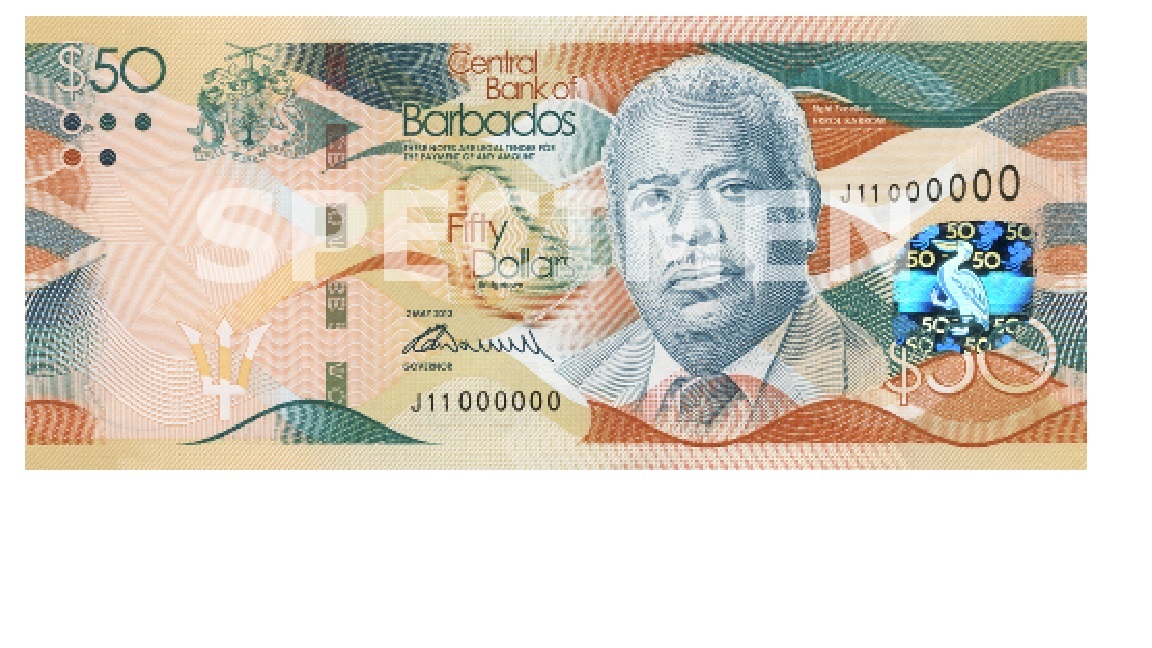
Barbados MoneyHow does a Central Bank lose money? This seems plausibly impossible.

Without detailing the anatomy of the banking system, here are a few facts that make this foregoing news article so inconceivable. A Central Bank compels a reserve requirement from all commercial banks within its jurisdiction. So for every $100 in deposits, a commercial bank would have to leave a secured amount, say $12 on hand at the Central Bank. The commercial bank can thusly only loan the residual $88 in this example. Control (raising/lowering) that reserve requirement percentage rate is how Central Banks control the money supply, interest rates and inflation – the economy.

So with no effort, a Central Bank gets a slice of every deposit in its jurisdiction, a country. This role/responsibility is so important that many view the Chairman of the US Central Bank, the Federal Reserve, as the most powerful man in the country; even more so than the President.

So despite all this power, how can a Central Bank possibly lose money?

A Central Bank also has the ability to create “money from thin air”, by buying and selling treasury bonds on the securities markets. This too is a method for Central Banks to control the money supply. An accounting entry on the ledger creates the liquidity to buy bonds (increase money supply) or sell bonds (contract the money supply).

With this system in place, a Central Bank prints and issues the hard currency for a country. For them to lose money gives the impression that their currency has no/little value.

Imagine, the Governors/Directors of the Central Bank of Barbados are to be considered the stewards of Barbados’s economy…and they posted a loss for fiscal 2013! (The Bible analogy of “the blind leading the blind” comes to mind!)

BRIDGETOWN, Barbados, Thursday April 3, 2014, CMC – The Central Bank of Barbados (CBB) says it recorded a loss of BDS$3.7 million (One BDS dollar = US$0.50 cents) last year as it focused on restoring macroeconomic stability to the domestic economy.

The CBB in its 2013 annual report submitted to the govern-ment on Monday said that while its operating costs were largely unchanged, “the continuing weak investment climate for the low-risk securities that the Bank is permitted to hold continued to depress income.

“The Bank is reviewing options to contain expenditure over the medium term,” it added.

In its report, the CBB said that it focused on restoring macro-economic stability to the domestic economy as a weak performance of the key export sectors together with significantly lower foreign capital inflows constrained economic growth prospects.

“These developments placed pressure on foreign reserves, triggering a major policy adjustment to contain the erosion of the reserves, sustain the exchange rate anchor, reduce the fiscal deficit and slow the growth of Government debt.”

The CBB said the primary tool of policy was fiscal consolidation, reflected in increased taxation and expenditure-reducing measures.

“At the same time, the Bank continued to encourage the revitalisation of economic activity through growth in the tourism, agro-processing, international business and financial services, and alternative energy industries. “

It said that given the challenges facing the economy, the CBB stepped up its engagement with its stakeholders through a number of initiatives including presentations by internationally renowned speakers.

The CBB said in 2013 it introduced a new interest rate policy framework, designed to rationalise the process for adjustment of domestic interest rates.

“The policy permits virtual liberalisation of the minimum deposit rate, apart from ordinary savings accounts of individuals and non-profit organisations. This allows financial institutions to now set other deposit rates, while continuing to set lending rates.

“The policy also provides for intervention of the Bank in the Treasury Bill market, with the Treasury Bill rate now being used as a basis for determining rates for long term securities, along a notional yield curve which the Central Bank publishes.“

The Central Bank of Barbados said that the financial system remained stable during 2013 with banks profitable and well- capitalised.

It said the Financial Services Commission, which oversees the regulation of non- bank financial institutions, signed a memorandum of understanding with the Central Bank aimed at strengthening the monitoring of the financial system.

The CBB said for the first time in its 40-year history it has completely overhauled the design of the Barbados’ bank notes.

“In the past, only minor modifications had been made to the original series. The new series issued on June 4, 2013 replaced old and worn-out notes and there are enhanced security features that will make the new notes difficult to counterfeit and easier for the public to authenticate.”

The foregoing news article aligns with the prime directive of the book Go Lean … Caribbean to re-boot the economic engines of the Caribbean. The book narrates, thru anecdotes and statistical abstracts, the pain and suffering of previous mis-management of Caribbean currencies. The book then asserts that any regional effort to optimize the economy must be partnered with technocratic management of monetary affairs. As such, the book serves as a roadmap for the introduction and implementation of both the Caribbean Union Trade Federation (CU) and the independent, Caribbean Central Bank (CCB).

Before addressing the technical issues, the CU assumes a sentinel position to cautiously protect and promote image and branding of Caribbean people, culture and systems of commerce. The foregoing headline is a “call to arms” for this mission.

Monetary and currency issues are intertwined with any discussion of elevating the Caribbean’s economy. This issue is explored in full details in the book, commencing with the roadmap focus of the Declaration of Interdependence, pronouncing the need for astute management of the money supply with these statements (Page 13 & 14) respectively:

xxi. Whereas the legacy of international democracies had been imperiled due to a global financial crisis, the structure of the Federation must allow for financial stability and assurance of the Federation’s institutions. To mandate the economic vibrancy of the region, monetary & fiscal controls and policies must be incorporated … [to] address threats against the financial integrity of the Federation and member-states.

xxix. Whereas all Caribbean democracies depend of the free flow of capital for municipal, public and private financing, the institutions of capital markets can be better organized around a regional monetary union. The Federation must institute the controls to insure transparency, accounting integrity and analysis independence of the securities markets, thereby shifting the primary source of capital away from foreign lenders to domestic investors, comprising institutions and individuals.

The roadmap is to confederate all the 30 member-states of the Caribbean, despite their language and legacy, into an integrated “single market”, with a unified currency, Caribbean Dollar (C$). This follows the model of the European Union and the European Central Bank with the world’s strongest currency, the Euro.

The book maintains that the security of the Caribbean is inextricably linked to the economy of the Caribbean; as such there is the need for federal oversight, monitoring and mitigations of threats, risks and casualties for the integrated market and the related systems of commerce.

These above comments address the “coulda-woulda-shoulda” aspects of the foregoing news article. The Go Lean roadmap also brings a sense of reality to the focus of economic empowerment in the Caribbean. This means that “it is what it is”. So why did the Central Bank of Barbados post a $3.7 Million loss for 2013?

This requires a sober assessment; the managers for the bank are duly qualified. Dr. DeLisle Worrell was appointed as Governor of the Central Bank on November 1, 2009. He is an acclaimed Economist, author and professor; he is a subject-matter-expert (SME) for small island economics, having authored a book entitled SMALL ISLAND ECONOMIES; he is a technocrat!

The foregoing article alludes that the loss was due to the volatility of foreign exchange (Fx) management. It is these kinds of issues that the Go Lean roadmap targets for mitigation and better management. The book posits that the problems of Caribbean currencies are too big for any one member-state to resolve, that the best solution is to confederate the 30 member-states, and their Central Banks, into a “single market” Central Bank for the unified C$ currency – a cooperative of banks. Since the Barbados dollar alone cannot garner the volumes for respect and participation in the international Fx markets, this SMALL ISLAND ECONOMY must “fend for its life” as best it can, buying and selling US dollars in the open market to control the amount/value of the Barbadian dollar. This process is “hit-and-miss”. For 2013, it was a “miss”!

The strategies, tactics, implementations for the Caribbean Union Trade Federation & Caribbean Central Bank management of the economy are detailed in the Go Lean roadmap. Here are sample selections from the book:

Separation-of-Powers: Central Bank – Currency Printing/Engraving Page 73
Separation-of-Powers: Depository Insurance & Regulatory Authority Page 73
Separation-of-Powers: Securities Exchange Regulatory Agency Page 74
Separation-of-Powers: Emergency Management Page 76
10 Ways to Better Manage Debt Page 114
10 Ways to Promote Independence Page 120
10 Ways to Model the EU Page 129
10 Lessons Learned from 2008 Page 135
10 Ways to Control Inflation Page 153
10 Ways to Better Manage Foreign Exchange Page 154
10 Ways to Mitigate Black Markets Page 165
10 Ways to Foster Cooperatives Page 176
10 Reforms for Banking Regulations Page 199
10 Ways to Impact Wall Street Page 200

Download the Book- Go Lean…Caribbean Now!!!


Share this post:
, , ,
[Top]

CXC and UK publisher hosting CCSLC workshops in Barbados

Go Lean Commentary

images“Fattening frogs for snakes” – Jamaican expression.

As a region the Caribbean have invested much time, talents and treasuries for the education of our youth. Hooray for our efforts! This is an honorable commitment and those laboring in this profession, as depicted in the foregoing news article, should be duly recognized and applauded.

But…

… “do what we’ve always done, and we get what we always got” – Old Adage.

For far too often, the Caribbean has been grooming and preparing their young people to contribute and enhance the society… of other countries. And thus the intersection of the two expressions above, and this imagery: “sacrificing our babies on the altar of global trade”. See a related news story here:

BRIDGETOWN, Barbados — Over 50 secondary school teachers in Barbados stand to benefit from a series of workshops to be hosted by the Caribbean Examinations Council (CXC) and UK-based publisher Nelson Thornes on 7 and 8 April 2014 in Barbados.

The four workshops will be hosted over the two days and will focus on English and mathematics for the Caribbean Certificate of Secondary Level Competence (CCSLC).

The workshops will be facilitated by Novelette McLean-Francis, senior education officer responsible for linguistics in the ministry of education, Jamaica, and a published author; and Grace Smith, a Barbadian educator and one of the authors of the CCSLC mathematics text.

Two workshops will be hosted each day and teachers from the 22 public secondary schools in Barbados are expected to attend.

Registrar Dr. Didacus Jules stated, “These CCSLC workshops are very timely as over the next four weeks CXC is working with the United Kingdom National Academic Recognition Information Centre (UK NARIC) to benchmark CCSLC with similar qualifications internationally.”

“Ensuring that teachers are well equipped to deliver the CCSLC programme effectively will impact positively on students’ performance and on the benchmarking exercise,” Jules noted.

“Nelson Thornes, part of Oxford University Press, is delighted to be running the workshops for teachers across Barbados for the CCSLC qualification,” Sarah Townsend, Caribbean marketing campaign manager with Oxford University Press Education Division said. “Our aim is to provide a full understanding of the syllabus and what is expected in classrooms. Alongside this, teachers will gain valuable knowledge of how the texts came together and the authors’ experience of being involved in the teaching of CCSLC.”

“Working in conjunction with CXC and the ministry of education, we have invited teachers to attend one of the sessions for either mathematics or English, and we hope to be able to fully support them in their on-going quest of teaching CCSLC English and mathematics,” Townsend explained.

The Caribbean Certificate of Secondary Level Competence was introduced to schools in Barbados in September 2013.
Source: Caribbean News Now Online News Site; posted April 3, 2014; retrieved April 4, 2014 from: http://www.caribbeannewsnow.com/barbados.php?news_id=20558&start=0&category_id=26

CU Blog - CXC and UK publisher hosting CCSLC workshops in Barbados - Photo 2This subject matter aligns with the prime directive of the book Go Lean … Caribbean to re-boot the economic engines of the Caribbean to assuage the human flight problem that has afflicted so many Caribbean communities, for more than 50 years. The book, serving as a roadmap for the introduction and implementation of the Caribbean Union Trade Federation (CU) posits that education has been a failure for this region. Almost everywhere else education dynamics elevate a society, raising GDP by 1 percent for every additional (aggregate) year of schooling. But this is not true for the Caribbean; even though the educated population have fostered their abilities there, they have “taken their talents to South Beach”; and South Bronx; and South Toronto; and South London; and the South Paris, etc.

So education and economics must be intertwined. This is explored in full details in the book. This roadmap provides turn-by-turn directions for escalating educational resources (and results) in the region. As a planning tool, the roadmap commences with a Declaration of Interdependence, pronouncing regional integration (Page 12) as the approach to elevate educational opportunities:

xxi. Whereas the preparation of our labor force can foster opportunities and dictate economic progress for current and future generations, the Federation must ensure that educational and job training opportunities are fully optimized for all residents of all member-states, with no partiality towards any gender or ethnic group. The Federation must recognize and facilitate excellence in many different fields of endeavor, including sciences, languages, arts, music and sports. This responsibility should be executed without incurring the risks of further human flight, as has been the past history.

This optimization will apply to all levels of instructions: primary, secondary and tertiary.

The strategy is to confederate all the 30 member-states of the Caribbean, despite their language and legacy, into an integrated “single market”. Tactically, this will allow a separation-of-powers between the member-states governments (including their education proxies) and federal agencies, allowing the type of third party regional oversight as identified in the foregoing article, with entities like the United Kingdom National Academic Recognition Information Centre and Oxford University Press. Notice the leanings of those organizations: British. Instead, the Go Lean roadmap advocates the multi-lingual educational guidance for English, Dutch, French and Spanish all under CU federal administration.

Under this roadmap, the CariCom-backed Caribbean Examinations Council (CXC) would be integrated into a CU Cabinet Department of Education; this is detailed in the book (Page 85). Most importantly the roadmap recognizes that there are the costs dynamics for education, so the funding mechanisms are fully explored in 10 Ways to Pay for Change (Page 101).

Why is the expectation for education success so different in Go Lean…Caribbean compared to the status quo? Why haven’t the strategies and tactics described in this roadmap been employed by the member-states already?

Quite simply, the book posits that the problems for the Caribbean are too big for any one member-state to solve alone; there must be a regional solution! The problem of human flight/brain drain is described as resulting from “push-and-pull” factors. So the required solution is more than just a few bright ideas, taught in a workshop; there is the need for a new eco-system.

Go Lean … Caribbean introduces that eco-system, as a roadmap to make the Caribbean a better place to live, work, learn and play.

No more “fattening frogs for snakes”!

🙂

Download the book Go Lean … Caribbean – now!

Share this post:
, , , ,
[Top]

CARICOM Chairman to deliver address on reparations

Go Lean Commentary

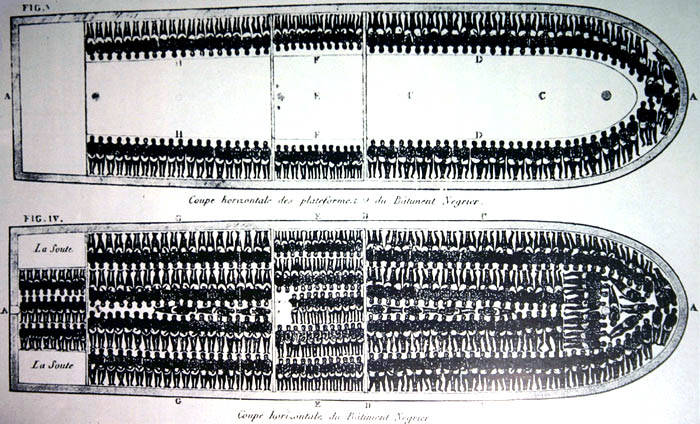
Slave ShipThe book Go Lean … Caribbean aligns with one objective depicted in the below news article: to reconcile the flawed economic policies of the past and lean-in for the optimization of the Caribbean future. Beyond this stance, the book deviates from these advocates calling for reparations from the colonial powers that participated in the slave trade, slavery or colonial suppression of the indigenous people.

Reparations stress at its root, a sense of entitlement to other people’s resources. The book, on the other hand, serves as a roadmap for the regional integration of the 42 million people and 30 member states of the Caribbean with the implementation of the Caribbean Union Trade Federation (CU). This roadmap advocates the reconciliation of the economic and security engines to grow the region’s economy from $378 Billion (2010) to $800 Billion in a 5 year time span.

NEW YORK, United States, Friday March 28, 2014, CMC – Chairman of the Caribbean Community (CARICOM) grouping, Prime Minister Dr. Ralph Gonsalves of St. Vincent and the Grenadines will address an international forum in reparations in the United States next month.

Gonsalves will deliver the feature address at the April 19 forum titled “Revitalizing the Reparations Movement,” organized by the New York-based Institute of the Black World 21st Century (IBW).

IBW described Gonsalves as “one of the leading voices in the Americas demanding that the former European colonial powers pay reparations to Caribbean and South American countries for centuries of African enslavement, native genocide and colonial exploitation”.

The forum will be held in collaboration with the Center for Inner City Studies and the Samuel DeWitt Proctor Conference.

IBW said among the specially invited guests will be Detroit’s congressman John Conyers, Sr., dean of the US Congressional Black Caucus, and sponsor of HR-40, the Reparations Study Bill and Louis Farrakhan, leader of the Nation of Islam.

“A primary goal of the forum is to revitalize the reparations movement in the USA by revisiting the Durban Resolution on the Trans-Atlantic Slave Trade, presenting an update on HR-40 and examining the status of CARICOM’s reparations initiative,” IBW said.

“We are delighted and honored to have Prime Minister Gonsalves keynote this critical forum on reparations, a subject of fundamental historical justice that is near and dear to the hearts of Black people around the world,” said IBW’s president Dr. Ron Daniels.

Director of Chicago’s Inner City Studies, Dr. Conrad Worrill, said “our ancestors will be pleased that the reparations movement is being re-energized from the Caribbean islands”.

“In demanding reparations, CARICOM is vindicating the vestiges of the Trans-Atlantic slave trade,” he added.

CARICOM leaders at their inter-sessional summit in St, Vincent and the Grenadines earlier this month discussed the reparation issue and hope to have a meeting with European leaders in June.

The leaders unanimously adopted a 10-point plan that would seek a formal apology for slavery; debt cancellation from former colonizers, such as Britain,

France, Spain and the Netherlands; and reparation payments to repair the persisting “psychological trauma” from the days of plantation slavery.

The Go Lean roadmap commences with this ideal embedded in the Declaration of Interdependence, pronouncing as follows, (Page 10):

As the colonial history of our region was initiated to create economic expansion opportunities for our previous imperial masters, the structures of government instituted in their wake have not fostered the best systems for prosperity of the indigenous people. Despite this past, we thrust our energies only to the future, in adapting the best practices and successes of the societies of these previous imperial masters and recognizing the positive spirit of their intent and vow to learn from their past accomplishments and mistakes so as to optimize the opportunities for our own citizenry to create a more perfect bond of union.

The subject matter of reparation is polarizing, based on assumptions that the Caribbean is comprised of mostly African or Ameri-Indian peoples. While many CARICOM states do possess a majority Black population, this is not so within the larger Caribbean, of whom the CU confederates. There are also large populations of European (White) ethnicities, Indian, and Chinese descendants that should also unite.

— UPDATE (Sep 30, 2015) – See VIDEO in the Appendix regarding the UK Prime Minister’s recent visit to Jamaica

There is a benefit, however, that can be garnered from compensatory talks with European nations, that of making “Aid” more empowering. The roadmap details an advocacy on the roles and responsibilities of fostering International Aid (Page 115). So while the political leaders of the CARICOM may be exerting energies to “guilt” these Europeans leaders to “pay up”, the CU Trade Federation will instead work to improve trade and re-boot the economic engines of the region.

It is a known fact that most of the resources of the European powers are tied to the strength of their economies, not the reserves gathered up from centuries of exploiting African slaves and their descendants. The country with the largest reserves is the USA; but their gold in Fort Knox is only estimated at $800 Billion, while their economy is $16 Trillion of GDP output … annually. So reparation is not a winning formula; it assumes some abundant stockpile of savings. This is a flawed logic and strategy. On the other hand, the Caribbean needs to create 2.2 million new jobs; this is only possible with the turn-around strategies as detailed in the roadmap of Go Lean … Caribbean.

So as a policy decision for the economic strategies of the region, the Go Lean book and movement recommends:

    Re-boot – Yes!
    Reparations – No!

Download the free e-Book of Go Lean … Caribbean – now!

———

Appendix VIDEO – Slavery Reparations Dominate David Cameron’s Jamaica Visit – https://youtu.be/al453a8rLy8

Published on Sep 30, 2015 – UK Prime Minister David Cameron’s visit to Jamaica was overshadowed by slavery reparation calls, which he rejected. The legacy of slavery is still ever-present for 14 Caribbean countries calling on their former colonial masters to pay billions in reparations.
Share this post:
, ,
[Top]

Cuba Approves New “Law on Foreign Investment”

Go Lean Commentary

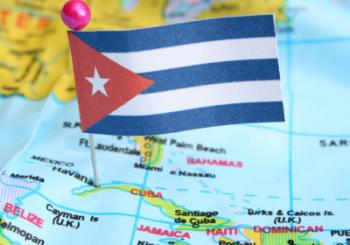
Cuba FlagCuba sera libre!

This has been the “war chant” for many lovers of Cuban heritage, culture and homeland. It’s a reminder that Cuba currently lacks many of the same freedoms so many of its neighbors enjoy. It is a mission of the book Go Lean … Caribbean, to bring change to the Caribbean in general and Cuba in particular, with the implementation of the Caribbean Union Trade Federation (CU). See the relevance in the following news article here:

Title: Cuba Approves New “Law on Foreign Investment”
By: Caribbean Journal Online Magazine

Cuba’s National Assembly has approved a new “Law on Foreign Investment,” the government said Saturday.
In a statement, the government said it would be an “essential instrument in the interest of Cuba to consolidate its economic model and build a prosperous and sustainable socialism.”

The law included a mix of mostly tax incentives, and it could be the latest move in what has been a gradual shift toward liberalizing the country’s economy, although it has come at a decidedly slow pace.

That nominal push kicked off last year, when Raul Castro, announcing plans to retire from politics in 2018, said Cuba needed to update its economic model to achieve a “sustainable and prosperous socialist society, a society less egalitarian, but more fair.”

The vote came at a special meeting convened by Cuba’s state council to discuss regulation; the meeting focused on “the need to attract foreign capital to the sectors of interest to the country,” according to a statement.

Marino Murillo Jorge, vice president of Cuba’s Council of Ministers, said that well-done foreign investment “does not mean giving away the country.”

He said the new model would focus on ensuring not just economic growth but development, with a target growth rate of between five and seven percent.

Retrieved 04/01/2014 from: http://www.caribjournal.com/2014/03/30/cubas-national-assembly-approves-new-law-on-foreign-investment/

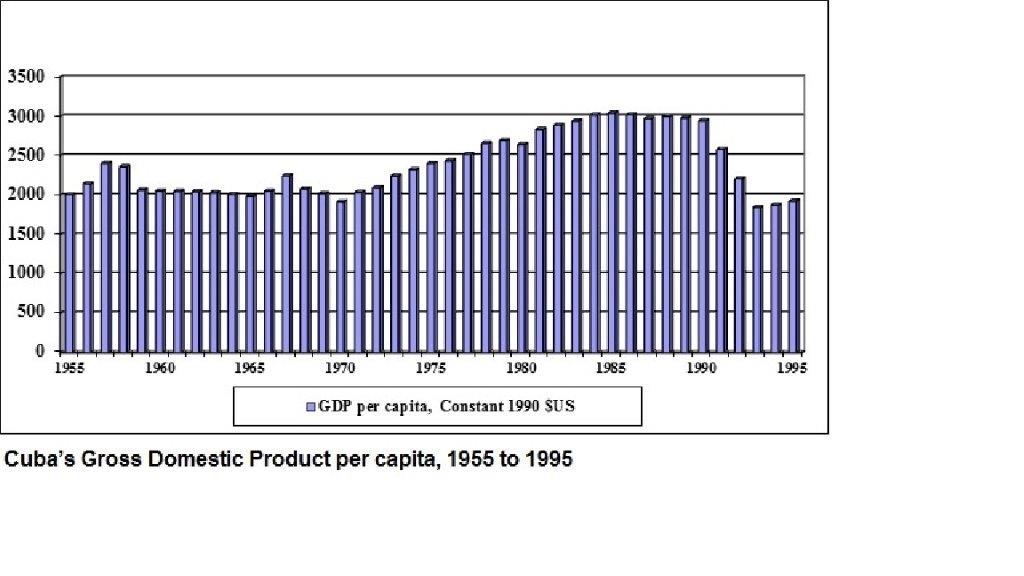
Cuba Blog GDPThe Go Lean roadmap recognizes that Cuba is very significant in the geographic and cultural anatomy of the Caribbean. As of 2010, Cuba possessed 26% of the region’s population (11.2 million out of 42.2 million) and 29% of the gross GDP, with their assumed $111 Billion output. But this is a far cry from where Cuba was 60 years ago, with one study placing Cuba as the #3 economy in Latin America and the Caribbean[a]. Though the “mighty has fallen”, this book posits that the “sleeping giant”, that is the Cuban economy, will awaken. The Go Loan roadmap is the preparation of Cuba’s re-emergence to the world’s economic consciousness. The realities and possibilities of Cuba’s past and future are identified early in the book, embedded in the Declaration of Interdependence, pronouncing a need for reconciliation efforts (Page 11):

xiii. Whereas the legacy of dissensions in many member-states (for example: Haiti and Cuba) will require a concerted effort to integrate the exile community’s repatriation, the Federation must arrange for Reconciliation Commissions to satiate a demand for justice.

The foregoing article confirms that change is on the way! The Cuban Communist regime recognizes that they need foreign investment, a “rightward” shift towards socialism; less egalitarianism and more free market accomplishments. The CU will expedite this process even more for/with Cuba. Where they declare “open arms” for foreign investments, we declare a regional embrace of Caribbean participation (Page 13):

xxiv. Whereas a free market economy can be induced and spurred for continuous progress, the Federation must install the controls to better manage aspects of the economy: jobs, inflation, savings rate, investments and other economic principles. Thereby attracting direct foreign investment because of the stability and vibrancy of our economy.

To the population of Cubans living on the island, we embrace you; “Help” is on the way! We entreat you to lean-in to this plan for confederation with your Caribbean neighbors.

To the Cuban Diaspora living abroad, we embrace you. There is a role for your inclusion in the future of Cuba. We entreat you to also lean-in to this roadmap for change and economic optimization for your beloved Cuba.

To the Cuban legacies, those descendants of Cuba’s past, we encourage you to tune-in and observe how the passions of your heritage will succeed in this new world.

Cuba sera libre!

Download the Book- Go Lean…Caribbean Now!!!

———–

Appendix – Reference:

a. United Nations Development Program, Human Development Report, Various issues, 1990, 1992, New York: Oxford University Press, 1991, 1993.


Share this post:
, , , , , ,
[Top]

Low-cost Dominican surgeries spark warnings by US

Go Lean Commentary

CU Blog - Low-cost Dominican surgeries spark warnings by US - PhotoTo the family of Beverly Brignoni, according to the foregoing news article, the publishers of the book Go Lean … Caribbean, SFE Foundation, extend condolences for the loss of their dearly departed loved one. This article – as follows – shows the down-side of medical tourism, an accidental death from an apparent lax oversight in a cosmetic surgery clinic.

By: Ben Fox and Ezequiel Abiu Lopez
Beverly Brignoni was a young New Yorker seeking a less expensive way to enhance her appearance and she did what many other people are now doing: travel to the Dominican Republic for cosmetic surgery; (see undated “selfie” photo posted to her Instagram account, courtesy of the Brignoni family).

It went horribly wrong. The 28-year-old died Feb. 20 from what the doctor told her family was a massive pulmonary embolism while getting a tummy tuck and liposuction at a clinic in the Dominican capital recommended by friends. Family members want local authorities to investigate.

“We want to know exactly what happened,” said Bernadette Lamboy, Brignoni’s godmother. “We want to know if there was negligence.”

The district attorney’s office for Santo Domingo says it has not yet begun an investigation because it has not received a formal complaint from Brignoni’s relatives. Family members say they plan to make one.

Shortly after Brignoni’s death, the Health Ministry inspected the Vista del Jardin Medical Center where she was treated and ordered the operating room temporarily closed, citing the presence of bacteria and violations of bio-sanitary regulations. The doctor who performed the procedure and the clinic have not responded to requests for comment.

Brignoni’s death is unusual, but it is not isolated. Concerns about the booming cosmetic surgery business in the Dominican Republic are enough of an issue that the State Department has posted a warning on its page for travel to that country, noting that in several cases U.S. citizens have suffered serious complications or died.

The U.S. Centers for Disease Control issued an alert March 7 after health authorities in the United States reported that at least 19 women in five states had developed serious mycobacterial wound infections over the previous 12 months following cosmetic procedures in the Dominican Republic such as liposuction, tummy tucks and breast implants.

There were no reported deaths in those cases, but treatment for these types of infections, which have been caused in the past by contaminated medical equipment, tend to involve long courses of antibiotics and can require new surgery to remove infected tissue and drain fluid, said Dr. Douglas Esposito, a CDC medical officer.

“Some of these patients end up going through one or more surgeries and various travels through the medical system,” Esposito said. “They take a long time typically to get better.”

The Dominican Republic, like countries such as Mexico, Costa Rica and Thailand, has promoted itself as a destination for medical tourism, so-called because people will often tack on a few days at a resort after undergoing surgery. The main allure is much lower costs along with the promise that conditions will be on par with what a patient

would encounter at home.

In 2013, there were more than 1,000 cosmetic procedures performed in the Dominican Republic, 60 percent of them on foreigners, according to the country’s Plastic Surgery Society.

The Internet is flooded with advertisements and testimonials from people who say they have had successful procedures in the Dominican Republic, and an industry of “recovery houses” has sprung up to serve clients, along with promoters who canvass for clients in the United States. The price is often about a third of the cost in the United States.

Dr. Braun Graham, a plastic surgeon in Sarasota, Florida, says he done corrective surgery on people for what he says were inferior procedures abroad. He warns that even if a foreign doctor is talented, nurses and support staff may lack adequate training.

“Clearly, the cost savings is certainly not worth the increased risk of a fatal complication,” said Graham, past president for Florida Society of Plastic Surgeons.

Brignoni was referred to the Vista del Jardin Medical Center by several acquaintances in the New York borough of the Bronx where she lived, said Lamboy and Lenny Ulloa, the father of the 4-year-old daughter she left behind.

“Supposedly, it was a high-end clinic, one of the best in the city,” Ulloa said.

The doctor who performed Brignoni’s procedure, Guillermo Lorenzo, is certified by the Plastic Surgery Society, but there

are at least 300 surgeons performing cosmetic procedures who are not, said Dr. Severo Mercedes, the organization’s director. He said the government knows about the problem but has not taken any action. “We complain but we can’t go after anyone because we’re not law enforcement,” Mercedes said.

The number of people pursuing treatment in the Dominican Republic doesn’t seem to have been affected by negative reports, including a previous CDC warning about a cluster of 12 infections in 2003-04.

In one recent case, the Dominican government in February closed a widely advertised clinic known as “Efecto Brush,” for operating without a license. Prosecutors opened a criminal case after at least six women accused the clinic of fraud and negligence. The director, Franklin Polanco, is free while awaiting trial. He denies wrongdoing.

There was also the case of Dr. Hector Cabral. New York prosecutors accused him of conducting examinations of women in health spas and beauty parlors in that state in 2006-09 without a license, then operating on them in the Dominican Republic, leaving some disfigured. Cabral pleaded guilty to one count of unauthorized practice of medicine in October 2011 and returned to the Dominican Republic, where he still practices.

In 2009, Dominican authorities charged Dr. Johan Tapia Bueno with illegally practicing plastic surgery at his apartment after several women, including a local television personality, accused him of malpractice that left them with infections. Awaiting trial, he has pleaded innocent to charges that include fraud.

Juan Linares, a lawyer hired by Brignoni’s boyfriend, said he is still awaiting an autopsy report.

Because she arrived in the country late at night on a delayed flight and was on the operating table early the next morning, a main concern is whether she received an adequate medical evaluation before the procedure. Graham, the Florida surgeon, said sitting on a plane for several hours can cause blood to stagnate in the legs and increase the risk of an embolism.

Brignoni paid the Dominican clinic $6,300 for a combination of liposuction, tummy tuck and breast surgery. Lamboy said she had decided not to have the work done on her breasts and was expecting a partial refund. The woman, who worked as a property manager, had lost about 80 pounds about a year earlier after gastric bypass surgery.

Brignoni was clearly excited about the procedure. Her final post on Facebook was a photo she took of her hands holding her passport and boarding pass for the flight from New York to Santo Domingo.

“She wanted it so bad,” her godmother said. “It felt like she was going to have a better outlook on life, getting this done.”

Associated Press writer Ben Fox reported this story from Miami and Ezequiel Abiu Lopez reported in Santo Domingo.

Source: Associated Press (AP); retrieved 03/31/2014 from: http://news.yahoo.com/low-cost-dominican-surgeries-spark-warnings-us-042418398.html

This is a very important issue for the planning and execution of the new inter-governmental agency: Caribbean Union Trade Federation (CU). First of all, someone died – life is too precious to skim over this issue with indifference. The Go Lean book serves as a roadmap to introduce and implement the CU, so as to re-boot the region’s economic engines, including avenues of medical tourism.

There are also peripheral issues associated with this news story, many of which are examined, as missions, in great details in the Go Lean book. The issues/missions are:

  • Image: Confidence in the competence of service providers is sometimes based on reputation and branding. This is para-mount in medical fields. While the Caribbean is home to many excellent medical schools, facilities and practitioners, there is no regional “sentinel” role-player. The CU mandate is to zealously protect and promote the image and branding for industrial developments. So now when the media portrays “negative” depiction of Caribbean life, culture and people, there is no formal response mechanism. But with the CU’s implementation, there will be an entity to effectuate an anti-defamation response and better manage the region’s image.
  • Health Administration: The Go Lean roadmap recognizes healthcare as a basic need for the people of the Caribbean. As such, there is the acknowledgement that health delivery systems generate excessive costs and risks for a community. As a planning tool, the roadmap commences with a Declaration of Interdependence, pronouncing regional integration (Page 11) as the strategy for optimized benefits:
      IX.   Whereas the realities of healthcare and an aging population cannot be ignored and cannot be afforded without some advanced mitigation, the Federation must arrange for health plans to consolidate premiums of both healthy and sickly people across the wider base of the entire Caribbean population. The mitigation should extend further to disease management, wellness, obesity and smoking cessation programs. The Federation must proactively anticipate the demand and supply of organ transplantation as developing countries are often exploited by richer neighbors for illicit organ trade.
  • Self-Government Entities: The foregoing news story involves a clinic regulated by a Caribbean member-state, the Dominican Republic. The Go Lean roadmap institutes an arrangement for medical/research campuses as SGE’s (Self-Governing Entities) that are only regulated by the CU federal authorities. Had this tragedy occurred on such a facility, the response would have been immediate and comprehensive, employing best-practices of trauma medicine arts and sciences, thusly requiring a post-mortem lessons-learned process that would be fully transparent and accountable.
  • Lean Government: The Go Lean roadmap also extends optimizations to the member-states governments, requiring a separation-of-powers dictum to transfer oversight and administration of certain state functions to federal authorities. This includes standards, licensing and administration of healthcare facilities. The application of best-practices would most assuredly minimize the risk of medical negligence.
  • US Exceptionalism: The Go Lean roadmap maintains that other countries have their own version of the American Dream. The quest for life, liberty and the pursuit of happiness is not exclusively American. Whereas there are millions of negligent deaths in the US hospitals/clinics every year, one American dying in a Caribbean facility does not constitute an exceptional event; bad things do happen to good people … everywhere, in the US, in the Caribbean and in the Dominican Republic. Having a tourism-based regional economy means we always want to extend hospitality to our American guests, but embarking on medical tourism, also means assuming some degree of risks, for the facilities, the doctors and most importantly the patients.

The foregoing article crystalizes the need for the CU Trade Federation, a super-national administration to regulate, protect, promote and foster quality delivery of the most vital public services. The publishers of the Go Lean roadmap will hereby “sit back”, observe-and-report on the manifestations of this case, hoping for the quest for justice and accountability to be fulfilled. And remembering the unconscionable loss of the beautiful 28-year-old woman, Beverly Brignoni; RIP.

Download the book Go Lean … Caribbean – now!

Share this post:
, , , ,
[Top]