Tag: Health

Transformations: Perfecting Our Core Competence

Go Lean Commentary

What is required for the world to believe that the Caribbean is the greatest address on the planet?

Terrain and Weather Check
Culture and Hospitality Check
Food and Spirits Check
Music and Festivals Check
Economy and Jobs Danger! Fail!

This point aligns with the book Go Lean…Caribbean, which asserts that the societal engines in the Caribbean (economy, security, and governance) are deficient and defective; in some cases we even feature Failed-States (think: Haiti, Cuba, Puerto Rico and others). But alas, we can improve and make our homeland a better place to live, work and play.

How?

The Go Lean book details the quest to make the Caribbean better; it features a how-to guide, a roadmap for elevating the region’s societal engines of economics, security and governance. Despite the 370 pages, it boils down to doing a few things and doing them well!

This is commentary 1 of 4 on the subject of transformations: how to move our region from this status quo to the undisputed title of “greatest address on the planet”. All these commentaries detail these issues, starting with:

  1. Core Competence
  2. Money Matters – “Getting Over” with “free money”
  3. Caribbean Postal Union (CPU) – Delivering the Future
  4. Civil Disobedience – Still Effective

CU Blog - Transformations - Perfecting Our Core Competence - Photo 1

What are the focus activities that we do, as a region, that by improving we would pronounce to the world that we are truly the greatest address on the planet?

The Go Lean book identifies 144 advocacies to improve life in the region. But we cannot “master all trades”; we must do better than anywhere else in the world in a few activities; these ones here are deemed our core competence:

Economic Tourism / Events / Cruises
Specialty Agriculture
Energy
Security Public Safety
Governance Senior Health Care

The assertion is that the Caribbean region must at least do the above activities better than anywhere else in the world. Why?

Because we are competing with the world … and losing.

But if we do better, perfect our core competence – see VIDEO here of Transformations and Core Competence in the corporate setting – then our hard work will be recognized and rewarded by others wanting to share in our passions and profits. Or maybe even just to retain our citizens here at home. A previous blog stated this eloquently by quoting a Chinese proverb: “Make happy those who are near, and those who are far will come”.

VIDEO:An Introduction to Prahalad & Hamel’s Core Competence of the Corporation – A Macat Business Videohttps://youtu.be/KSUbSEvJ1Cs

Published on Nov 16, 2015 – Success in business comes from combining technological ability with organizational skills to gain a competitive edge. It is called “core competence.” Watch Macat’s short video for a great introduction to C. K. Prahalad and Gary Hamel’s “The Core Competence of the Corporation,” one of the most important business articles ever written. 

CU Blog - Transformations - Perfecting Our Core Competence - Photo 2

The book Go Lean … Caribbean sets to optimize the societal engines (economics, security and governance) in the Caribbean. The book serves as a roadmap for the introduction and implementation for the technocratic Caribbean Union Trade Federation (CU). As a federation or federal government representing all 30 member-states, the prime directives of this roadmap is to elevate society by addressing these 3 focus areas:

  • Optimization of the economic engines in order to grow the regional economy to $800 Billion & create 2.2 million new jobs.
  • Establishment of a security apparatus to protect the resultant economic engines.
  • Improve Caribbean governance to support these engines.

The benefits of core competence feature a “snowball” effect. The better we optimize one functional area, the better the rest of the environment becomes. For example, the 2.2 million jobs that the roadmap sets to create. There is no need to actuate the economic processes for each job. No, we focus on our core competence, and the job multiplier effect processes the remaining new jobs. To reach the required transformations, this commentary identifies these core competencies for our economic engines:

Tourism / Events / Cruises

CU Blog - Transformations - Perfecting Our Core Competence - Photo 3This activity is the Number 1 economic driver in the Caribbean region. But each member-state can only do “so much more” so as to generate marginal increases in their output. An old adage states that “one cannot get blood from a stone”; this is so true for the region: there are only so many beaches and coastal areas to explore for touristic opportunities. The Go Lean roadmap (Page 190) therefore takes a different, more elevated, approach to increase tourism: regionalism.

The book – and previous blogs – features empowerments that are not possible for any member-state alone, leveraging the full force of a bigger Single Market of 42 million people, across the 30 member states. The following are some regional highlights:

Specialty Agriculture

There are farming expressions, like “bread basket” of America, or Europe. But, these no not apply to the Caribbean, as we are not known for our agricultural productions … except for cigar and rum. Yes, these specialty agricultural products are deemed the “best in the world”. Following the strategies, tactics and implementations from the Go Lean book (Page 88), we can continue the greatness and exploit the reputation for even more profit; (jobs and entrepreneurial opportunities).

Cuba, the source of much of the heightened reputation for Caribbean cigars, has suffered with a 55-year trade embargo. Efforts are now being made to normalize trade with Cuba and the rest of the western world. There is therefore a lot of upside and growth for improved trade and production for this world-renown product. There will undoubtedly be a return on any investment in this core competence.

Energy

The Caribbean is the best-in-the world in certain pursuits; energy is not one of them, but it needs to be. At this juncture, the region is reported as having one of the highest energy costs on the planet. So we need to apply best-practices – detailed in the Go Lean book (Page 113) – to optimize our energy eco-system to go from the worst to the first – energy needs to become a core competence. Considering the successful models we have to emulate, we have all the resources we need to succeed ourselves:

We simply need better stewardship and administration of the region’s energy policies to optimize the supply-and-demand metrics. The Go Lean book specifically states (Page 46) the mission as follows:

Harness the power of the sun, the winds, and the tides to power our home and the institutions of our industry and government. This embrace of alternative energy can supplement our traditional power sources and usher in energy independence. Independence in general means that we are finally ready to stand-up and be counted worldwide.

Security – Public Safety

To reach the required transformations, this commentary also identifies one core competence for our security engine: Public Safety.

The art and science of Homeland Security covers vast areas, including warfare, community policing, terrorism, domestic violence, penology & criminology, organized crime, trans-national drug and human trafficking and other activities. While progress in all of these areas in the Caribbean would be nice, these are not prerequisites for the societal transformation sought in this commentary – we are not at war. No, we simply need to optimize our Public Safety apparatus. We need to be able to assure safe conditions for our stakeholders:

If we are able to raise the delivery level of protections to these groups, then our society will be recognized world-wide as a great place to live, work and play. This does not mean that we ignore the safety of the general citizenry; no, we simply accept that there will always be crime – bad actors – in every society, everywhere. So our remediation and mitigations for crime – need, greed and honor – must be omnipresent.

The following sample from the Go Lean book details the strategies, tactics, implementation and advocacies of the Go Lean roadmap related to the core competence of Public Safety:

Community Ethos – Economic Principles – Economic Systems Influence Individual Choices Page 21
Community Ethos – Security Principles Page 22
Community Ethos – Governing Principles – Lean Operations Page 24
Community Ethos – Ways to Impact the Greater Good Page 37
Strategy – Mission – Protect our stakeholders with anti-crime and law enforcement measures Page 45
Tactical – Confederating a Permanent Union Page 63
Tactical –  Separation of Powers – Homeland Security Page 75
Tactical –  Separation of Powers – CariPol Page 77
Implementation – Reasons to Repatriate to the Caribbean Page 118
Advocacy – Ways to Better Manage the Social Contract Page 170
Advocacy – Ways to Improve Leadership Page 171
Advocacy – Ways to Impact Justice Page 177
Advocacy – Ways to Remediate and Mitigate Crime Page 178
Advocacy – Ways to Improve Gun Control Page 179
Advocacy – Ways to Improve Homeland Security Page 180
Advocacy – Ways to Mitigate Terrorism Page 181
Advocacy – Ways to Improve Intelligence Gathering & Analysis Page 182
Advocacy – Ways to Improve for Natural Disasters Page 183
Advocacy – Ways to Protect Human Rights Page 220
Advocacy – Ways to Improve Elder-Care Page 225
Advocacy – Ways to Empower Women Page 226
Advocacy – Ways to Impact Youth Page 227
Advocacy – Ways to Impact Persons with Disabilities Page 228

Governance – Senior Healthcare

To reach the required transformations, this commentary lastly identifies one core competence for our regional governance: Senior / Elder Healthcare.

Most Caribbean member-states feature Democratic Socialism as the official form of government; (Cuba practices Communism, and the US Territories feature the American brand of Capitalism, though the majority of the population receive some government assistance). This means that the 30 member-states have a government entitlement program for healthcare, and it is self-evident that senior citizens in every society consume more healthcare services than any other population group.

The Go Lean movement (book and blogs) details how the governing engines in the region can elevate their healthcare deliveries, and how the elderly populations can benefit. The successful executions of the strategies, tactics, implementation and advocacies of the Go Lean roadmap, (see the following sample of these specific details from the book related to the core competence of senior healthcare), would allow the world to see how great a society the Caribbean would be. This lingering affects will reverberate in other aspects of society, like the repatriation of our aging Diaspora, medical tourists and other economic spin-offs – the book details 70,000 direct jobs created in the region as a result of these empowerments.

Community Ethos – Economic Principles – Economic Systems Influence Individual Choices Page 21
Community Ethos – Economic Principles – The Consequences of Choices Lie in the Future Page 21
Community Ethos – Governing Principles – Lean Operations Page 24
Community Ethos – Ways to Help Entrepreneurship – STEM Incubators Page 28
Community Ethos – Ways to Impact Research & Development – Including Medical Research Page 30
Community Ethos – Ways to Impact the Greater Good Page 37
Strategy – Mission – Reform our Health Care industries for the reality of our needs Page 46
Tactical –  Separation of Powers: Department of Health – Self-Governing Entities Page 80
Tactical –  Separation of Powers: Department of Health – MediCare Administration Page 86
Implementation – Reasons to Repatriate to the Caribbean Page 118
Planning – Ways to Make the Caribbean Better – Support/Social Services Page 131
Advocacy – Ways to Improve Healthcare Page 156
Advocacy – Ways to Impact Cancer Page 157
Advocacy – Ways to Impact Entitlements Page 158
Advocacy – Ways to Better Manage the Social Contract Page 170
Advocacy – Ways to Improve Elder-Care Page 225
Advocacy – Ways to Empower Women Page 226
Advocacy – Ways to Impact Persons with Disabilities Page 228
Appendix – Growing 2.2 Million Jobs in 5 years – Medical R&D, Gerontology & Healthcare Page 257

The Caribbean can truly be a great place to live, work, heal and play.

Previously, Go Lean blogs commented on transformations, showing the success of aspirations to be better and do better. Consider this sample:

Being Lean: Asking the Question ‘Why’ 5 Times
Going from ‘Good to Great’
‘A Change Is Gonna Come’
Forging Change: ‘Something to Lose’
Movie Lessons from the movie: ‘Tomorrowland’ – ‘Feed the right wolf’ in Society
Better than America? Yes, We Can!
‘Change the way you see the world; you change the world you see’
Making a Great Place to Work®
Book Review: ‘Citizenville – Take the Town Square Digital and Reinvent Government’

The effort to elevate the Caribbean is defined as heavy-lifting, a lot of strenuous actions that are very complicated. But despite the complexity, a successful completion of some of the basic or core functionality can aid the region – these limited actions are considered “core competencies”. The successful execution of these core competencies would start the “snowball” and transform the Caribbean … to a better homeland.

Any transformation for the Caribbean must be permanent! The Go Lean book declares that for permanent change to take place, there must first be an adoption of new community ethos, the national spirit that drives the character and identity of its people. The roadmap was constructed with the primary community ethos in mind, the Greater Good. This is a big deal; notice it is not a profit motive, nor a nationalistic motive, but rather a commitment to the “greatest good for the greatest number of people”.

Now is the time for all Caribbean stakeholders to lean-in to this regional solution – the Go Lean roadmap – for the Caribbean to transform to a better society, a better place to live, work and play. 🙂

Download the book Go Lean … Caribbean – now!

Share this post:
, , , ,

Cancer: Doing More

Go Lean Commentary:

If you had a lot of money and wanted to do good in the world, what causes would you pursue?

  • World hunger
  • Education of girls
  • Childhood vaccinations
  • Cancer

That last one is BIG. And noble. And maybe, just maybe viable.

CU Blog - Cancer - Doing More - Photo 1This is the hope of philanthropist-billionaire Sean Parker; (founder of Napster and onetime CEO of Facebook). He is investing his time, talent (business & entrepreneurship) and treasuries in this quest to impact the world of cancer research and treatment.

Kudos, Mr. Parker!

The book Go Lean…Caribbean relates (Page 157) the statement that:

“1-in-3 Americans are due to be diagnosed with cancer … at some point. If 1-in-3 Americans are at risk, then surely Caribbean citizens cannot be far behind”.

This book does not assert to be a roadmap for treating cancer, but rather a roadmap for elevating Caribbean society by optimizing the economic, security and governing engines in the region. Yet, within this roadmap is the strategy to incentivize cancer research and facilitate treatment centers and workable solutions. In fact this roadmap invites role models like this philanthropist-billionaire Sean Parker – featured here in the following VIDEO and article:

VIDEO: Napster Co-Founder Sean Parker Pledges $250M to Fight Cancer
http://www.nbcnews.com/nightly-news/video/napster-co-founder-sean-parker-pledges-250m-to-fight-cancer-665463363805

NBC Nightly News – Posted 04-13-2016 – The Silicon Valley billionaire and Napster co-founder is putting his money behind a new cancer institute focusing on the emerging field of cancer immunotherapy.

News Article Title: Sean Parker Donates $250 Million to Launch Cancer Immunotherapy Institute
By: Reuters
Silicon Valley billionaire Sean Parker – see photo here – will donate $250 million to launch a new institute aimed at developing more effective cancer treatments by fostering collaboration among leading researchers in the field.

“Any breakthrough made at one center is immediately available to another center without any kind of IP (intellectual property) entanglements or bureaucracy,” Parker, the co-founder of music-sharing website Napster and the first president of Facebook, told Reuters in an interview.

The new Parker Institute for Cancer Immunotherapy will focus on the emerging field of cancer immunotherapy, which harnesses the body’s immune system to fight cancer cells.

It will include over 40 laboratories and more than 300 researchers from six key cancer centers: New York’s Memorial Sloan Kettering, Stanford Medicine, the University of California, Los Angeles, the University of California, San Francisco, Houston’s University of Texas MD Anderson and the University of Pennsylvania in Philadelphia.

Recently approved drugs have helped some patients sustain remission. But those first-generation therapies do not work for everyone, and scientists are trying to understand how to make them more effective.

“Very little progress has been made over the last several decades,” Parker said, referring to cancer drug research. “Average life expectancy has only increased three to six months with some of these drugs that cost billions to develop.”

Parker said the current system of cancer drug development discouraged the kinds of risk-taking that could lead to a major breakthrough.

The new institute “is paradigm shifting,” said Dr. Jedd Wolchok, chief of the melanoma and immunotherapeutics unit at Memorial Sloan Kettering Cancer Center.

He said it would alleviate the need for scientists to secure grants, which he said took up at least 30 percent of his time, foster collaboration among accomplished scientists and provide access to the newest information processing and data technology.

“I have no doubt this will allow us to make progress, and to make it much more quickly,” Wolchok said.
Source: NBC Nightly News – Retrieved 04-13-2016 from: http://www.nbcnews.com/health/cancer/sean-parker-donates-250-million-launch-cancer-immunotherapy-institute-n555196 

Related: Mark Zuckerberg’s ‘Initiative’ Adds New Wrinkle to Tech Philanthropy

The Go Lean book serves as a roadmap for the implementation and introduction of the technocratic Caribbean Union Trade Federation (CU). The CU‘s prime directives are identified with the following 3 statements:

  • Optimization of the economic engines in order to grow the regional economy to $800 Billion & create 2.2 million new jobs.
  • Establishment of a security apparatus to protect the resultant economic engines.
  • Improve Caribbean governance to support these engines.

The Go Lean book asserts that healthcare covers all the above 3 facets of the prime directives. Healthcare costs can easily bankrupt a family, community or a nation; economic security, public safety and government entitlements are therefore embedded in any discussion about cancer and its community impact.

The book also posits that one person can make a difference and maybe even change the world. The efforts of Sean Parker may very well fit this advocacy. He is therefore a role model for Caribbean philanthropists; he is doing more! We invite this type of impact in the Caribbean.

The Go Lean roadmap calls for more medical R&D initiatives like what Mr. Parker is pursuing. The roadmap strategizes the adoption of Self-Governing Entities (SGE) to employ medical research and treatment campuses. These dedicated, bordered grounds are ideal for immuno-therapy research and treatment. We hereby extend the invitation to all innovators and facilitators who want to do more in cancer research to come to the Caribbean. These ones will find cooperative and supportive governing structures to facilitate their impact on the world. They can do more … against cancer.

The Go Lean book strategizes economic empowerment in the region, clearly relating that healthcare and pharmaceuticals research/developments are important in the quest to make the Caribbean a better place to live, work, heal and play. At the outset of the Go Lean book, in the Declaration of Interdependence (Page 11), these points are pronounced:

viii.  Whereas the population size is too small to foster good negotiations for products and commodities from international vendors, the Federation must allow the unification of the region as one purchasing agent, thereby garnering better terms and discounts.

ix.  Whereas the realities of healthcare and an aging population cannot be ignored and cannot be afforded without some advanced mitigation, the Federation must arrange for health plans to consolidate premiums of both healthy and sickly people across the wider base of the entire Caribbean population. The mitigation should extend further to disease management, wellness, obesity and smoking cessation programs.

xxviii.  Whereas intellectual property can easily traverse national borders, the rights and privileges of intellectual property must be respected at home and abroad. The Federation must install protections to ensure that no abuse of these rights go with impunity, and to ensure that foreign authorities enforce the rights of the intellectual property registered in our region.

Previous blog/commentaries addressed issues of cancer and other medical research and practices, sampled here:

Using Group Purchasing Organizations to lower HealthCare costs
Role Model Shaking Up the World of Cancer
The Cost of Cancer Drugs
Antibiotics Misuse Linked to Obesity in the US
CHOP Research: Climate Change May Bring More Kidney Stones
Welcoming Innovators and Entrepreneurs under an SGE Structure
Big Pharma & Criminalization of American Business
Medical Research Associates Kidney Stones and Climate Change – Innovative!
New Research and New Hope in the Fight against Alzheimer’s Disease
Research in Diabetes Detection – Novartis and Google develop ‘smart’ contact lens
Health-care fraud in America; criminals take $272 billion a year
New Cuban Cancer medication registered in 28 countries
Puerto Rico’s Comprehensive Cancer Center Project Breaks Ground – Model of Medical SGE

Cancer is a crisis! The Go Lean book declares that a “crisis is a terrible thing to waste”. This premise is loud-and-clear from the foregoing VIDEO, that there is money to be made in this industry-space. But most importantly, there are lives to be saved.

The Go Lean roadmap posits that more innovations will emerge in the region as a direct result of the CU prioritization on science, technology, engineering and medical (STEM) activities on Caribbean R&D campuses and educational institutions. This is based on the assumption that intellectual properties (IP) registered in the Caribbean region will be duly respected around the world.

This IP protection mandate is a heavy-lifting task for the Caribbean Union Trade Federation. This is an example of the issues related to economic, security and governance that need to be managed in a technocracy.

The CU has the prime directive of optimizing these economic, security and governing engines of the Caribbean region. The foregoing article and VIDEO depicts that R&D is very important to medical innovations. So the roadmap thusly focuses on the community ethos to promote R&D as valuable for the region. The following list details this and other community ethos, plus the strategies, tactics, implementations and advocacies to optimize the region’s healthcare deliveries and R&D investments:

Community Ethos – Deferred Gratification Page 21
Community Ethos – Economic Systems Influence Individual Choices and Incentives Page 21
Community Ethos – The Consequences of Choices Lie in the Future Page 21
Community Ethos – Governing Principles – Return on Investments Page 24
Community Ethos – Governing Principles – Cooperatives Page 25
Community Ethos – Non-Government Organizations Page 25
Community Ethos – Ways to Impact Research & Development (R&D) Page 30
Community Ethos – 10 Ways to Promote Happiness Page 36
Community Ethos – Ways to Impact the Greater Good Page 37
Strategy – Integrate and unify region in a Single Market Page 45
Strategy – Agents of Change – Globalization Page 57
Tactical – Fostering a Technocracy Page 64
Tactical – Separation of Powers – Health Department Page 86
Tactical – Separation of Powers – Drug Administration Page 87
Implementation – Ways to Pay for Change Page 101
Implementation – Ways to Implement Self-Government Entities – R&D Campuses Page 105
Implementation – Ways to Deliver Page 109
Planning – Big Ideas for the Caribbean Region Page 127
Planning – Ways to Make the Caribbean Better Page 131
Advocacy – Ways to Improve Healthcare Page 156
Advocacy – Ways to Better Manage the Social Contract Page 170
Advocacy – Ways Foster Cooperatives Page 176
Advocacy – Ways to Improve Emergency Management Page 196
Advocacy – Ways to Impact Foundations Page 219
Advocacy – Ways to Impact Persons with Disabilities Page 228
Appendix – Emergency Management – Medical Trauma Centers Page 336

The Go Lean book or movement does not purport to be an authority on cancer research or any medical best practices. No economic-security-governance empowerment plan should ever dictate the course of direction for cancer research and/or treatment. But the war on cancer has been stagnant for far too long; more needs be done. The solutions must be incentivized for private enterprises and private individuals – role models. The SGE structure invites innovations like that of Sean Parker and many others with this same passion … and some degree of genius.

Now is the time for all of the Caribbean, the people and governing institutions, to lean-in for the empowerments in the book Go Lean … Caribbean. This concept of Self-Government Entities (Page 127) is a Big Idea for the region. Change can really take hold, and thrive. We can do more … for cancer.  We can make the Caribbean a better place to live, work, heal and play. 🙂

Download the free e-book of Go Lean … Caribbean – now!

Share this post:
, , , ,
[Top]

Pre-Fab Housing and Elder-Care Conjunction

Go Lean Commentary

Food, clothing and shelter …

CU Blog - Pre-Fab Housing and Elder-Care Conjunction - Photo 1… these are undeniable and undisputable classifications of basic needs. (Some societies add energy as an additional basic need). When economies get warped and twisted, the recommendation is always to return focus back to these basics so as to jump-start an economic reboot by optimizing the commerce engines delivering these basics.

So a consideration of housing solutions, that requires local jobs/fabrication and satisfies Elder-Care is a study in economic kinetics. Every community needs housing … for their seniors. This is just a basic fact of life: old age and illness … befall us all.

Just because an abled-bodied person has a house, it does not make it ideal when the circumstances change to “less than able”, or disabled, or differently-abled. Yet, disabilities are a reality … everyday: Just keep living.

This consideration is very appropriate for the Caribbean. We have some societal defects: consider our abandonment rate, especially among the younger generation, due mainly to a lack of economic opportunities, at home. Assuredly, they emigrate for refuge abroad, and then remit funds back to their Caribbean homelands, often to support their aging parents. These ones have the need for Elder-Care; but Elder-Care consists of more than remittances; many times, it includes nursing.

Providing housing, Elder-Care and nursing can be an economic conjunction, an activity at an intersection. The book Go Lean … Caribbean asserts that “luck” is the intersection of preparation and opportunity; that economic growth can be gained simply by positioning at that intersection and exploiting the opportunities.

Exploit … economics …

That sounds like a formula for “greed”. But alas, in this case, greed is good! In this case, greed is motivated by the ethos of the Greater Good, that is a solution that can provide the most good to the most number of people. This solution of facilitating a housing solution specifically designed for Elder-Care would benefit so many: elders, builders, nurse practitioners/clinicians, local family, Diasporic family, public health deliveries and the overall economy.

Win, win …

See a sample of the relevant solution here, in this article and accompanying VIDEOs:

Title: These Backyard “Granny Pods” Could be the Solution to Nursing Homes
By: David Wolfe (see profile in Appendix)
Since the age of 20, I had known that I would be the one to take care of my aunt when she got older. I love her dearly, but my family enjoys our space. It has always been a stressful notion of what we are going to do once it is time to take care of her, with both of us being so independent, sharing our home was never an option while a nursing home also does not feel right. I had no idea that a solution was already out there.

These “Granny Pods” are specially built with the safety of a senior in mind. They include a small kitchen, bedroom, and bathroom all designed to house safely a senior. The bathrooms are handicap accessible with railing and safety features built in.

The kitchen includes a microwave, small refrigerator, and a pill dispenser. The microwave could be unplugged and used as an electromagnetically-insulated safe container for supplements. A BerryBreeze refrigerator purifier could be put in the small refrigerator. The pill dispenser could be filled with capsules of supplements, superfoods, and superherbs. Everything is conveniently located and safe to reach.

The safety features for these little homes are fantastic. They include webcams for monitoring by family members and a padded floor! Padded floor is great on joints. Also, they protect older relatives from a fall. One can be comfortable having their family member spending time in these homes.

Talk about high tech! These pods utilize small robotic features that can monitor vital signs. In addition, they can filter the air for contaminants while sending alerts reminding when to take supplements, superfoods, and superherbs. Communication is a breeze with high-tech video and text cell technology incorporated. If anything were to go wrong, these pods have alert systems to notify caregivers as well.

With three models thus far to choose from, you are sure to pick the right one for your loved one. Knowing that your family member will have a safe space that is close by is worth everything.

Check them out at their website MedCottages and/or Facebook/MEDCottages

CU Blog - Pre-Fab Housing and Elder-Care Conjunction - Photo 3

CU Blog - Pre-Fab Housing and Elder-Care Conjunction - Photo 4

CU Blog - Pre-Fab Housing and Elder-Care Conjunction - Photo 5

CU Blog - Pre-Fab Housing and Elder-Care Conjunction - Photo 2

———

VIDEO – THESE BACKYARD “GRANNY PODS” COULD BE THE SOLUTION TO NURSING HOMES – https://youtu.be/r08e7eZl-AQ

Published on Feb 25, 2016 – Move Grandma and/or Grandpa into a “Granny Pod”. http://www.davidwolfe.com/backyard-gr
Category: Education
License: Standard YouTube License

———–

VIDEO – The Backyard Nursing Home – https://youtu.be/5RnY5CSwO9E

Uploaded on Jul 18, 2010 – In the future, you may not have to go far to care for aging loved ones. Whit Johnson has a first look at the MedCottage which could be a new option for caring for the elderly in your backyard.
Category: News & Politics
License: Standard YouTube License

Using the foregoing model, the Caribbean can create its own solutions to the impending crisis with Elder-Care housing. This has always been in the plan (roadmap); the book serves as a roadmap for the introduction and implementation of the Caribbean Union Trade Federation (CU), with a charter to elevate Caribbean society, using Pre-Fab housing as one of 144 missions. The book highlights the CU’s prime directives, as described by these statements:

  • Optimization of the economic engines in order to grow the regional economy to $800 Billion & create 2.2 million new jobs.
  • Establishment of a security apparatus to protect the resultant economic engines and mitigate challenges/threats to ensure public safety for the region’s stakeholders (residents, visitors, trading partners, Diaspora, etc.).
  • Improvement of Caribbean governance, including a separation-of-powers with member-states, to support these engines.

The Go Lean roadmap, and the foregoing article, calls for the region to double-down its efforts to ensure a quality delivery for Elder-Care and healthcare. The need for this awareness was identified in early in the Go Lean book, in the opening pronouncement in the Declaration of Interdependence (Page 11), as follows:

ix.  Whereas the realities of healthcare and an aging population cannot be ignored and cannot be afforded without some advanced mitigation, the Federation must arrange for health plans to consolidate premiums of both healthy and sickly people across the wider base of the entire Caribbean population. The mitigation should extend further to disease management, wellness, mental health, obesity … programs.

The Go Lean … Caribbean roadmap constitutes a change for the region, a plan to consolidate 30 member-states into a Trade Federation with the tools/techniques to bring immediate change to the region to benefit one and all member-states. The roadmap calls for coordination of the region’s healthcare needs at a CU federal agency. Though there is a separation-of-powers mandate between the member-states and federal agencies, the CU can still wield influence in this area due to funding accountabilities – strings attached – monitoring and metering responsibility between the CU and the member-states. So there will be some federal compliance and regulatory oversight. This empowerment would also allow for better coordination with non-governmental organizations (NGOs) and international stakeholders.

The book details the community ethos needed to effect change in this area, plus the executions of the following strategies, tactics, implementations and advocacies to impact the region’s Elder-Care, Healthcare and Housing solutions:

Community Ethos – Deferred Gratification Page 21
Community Ethos – Economics Influence Choices Page 21
Community Ethos – People Choose Page 21
Community Ethos – All Choices Involve Costs Page 21
Community Ethos – Lean Operations Page 24
Community Ethos – Cooperatives Page 24
Community Ethos – Non-Government Organizations Page 25
Community Ethos – Impact the Greater Good Page 37
Strategy – Vision – Confederate 30 Member-States Page 45
Strategy – Mission – Reform our Health Care Response Page 47
Strategy – Agents of Change – Aging Diaspora Page 57
Tactical – Fostering a Technocracy Page 64
Separation of Powers – Department of Health Page 86
Implementation – Ways to Deliver Page 109
Planning – Ways to Make the Caribbean Better – Improve First Responder Solutions Page 131
Advocacy – Ways to Create Jobs Page 152
Advocacy – Ways to Improve Healthcare Page 156
Advocacy – Ways to Better Manage the Social Contract Page 170
Advocacy – Ways to Foster Cooperatives Page 176
Advocacy – Ways to Improve Intelligence Gathering & Analysis – First Responders Page 182
Advocacy – Ways to Improve Emergency Management – First Responders Page 196
Advocacy – Ways to Foster Technology Page 197
Advocacy – Ways to Develop a Pre-Fab Housing Industry Page 207
Advocacy – Ways to Improve Elder-Care – Including Oversight of First Responders Page 225
Appendix – New Jobs: 10,000 Gerontology related jobs Page 257
Appendix – Sample Pre-fab Homes, with Photos Page 289
Appendix – Disease Management – Healthways Model Page 300

This Go Lean book asserts that there is a direct correlation of healthcare (physical, mental, preventative, wellness, pharmaceuticals, etc.) and the economy. This viewpoint has been previously detailed in Go Lean blog/commentaries, as sampled here:

Blink Health: The Cure for High Drug Prices
Zika – A 4-Letter Word
Capitalism of Drug Patents
Socio-Economic Change: The Demographic Theory of Elderly Suicide
Book Review: ‘The Protest Psychosis’
Public Health Economics – The Cost of Cancer Drugs
Antibiotics Misuse Associated With Obesity Risk
Recessions and Public Health in the Caribbean Region
New Hope in the Fight Against Alzheimer’s Disease
Business Opportunities from Comprehensive Cancer/Medical Centers

The Go Lean roadmap encourages the inclusion of more senior citizens, not less. In addition to retaining our seniors, we also want to encourage the repatriation of our Diaspora and invite other seniors to enjoy our hospitality. Granted, caring for older people is not easy, but no effort to reform and transform the Caribbean is going to be easy. The Go Lean book, describes it as heavy-lifting. But do it we must! For the love … of our senior citizens, and the accompanying jobs and economic growth.

All of this is for the Greater Good and for our own good. A measurement of a great society is how well we care for our senior citizens. This concept is from the Bible:

The form of worship that is clean and undefiled from the standpoint of our God and Father is this: to look after orphans and widows in their tribulation …- James 1:27 – New World Translation

Pre-fab housing solutions are conceivable, believable and achievable. Considering the foregoing article, photos and VIDEO‘s, the Caribbean can and must foster our own solutions. But we have the constant threats of hurricanes, so our pre-fab structures must feature mitigations for storm resistance. The plausible options are depicted in great details in the Go Lean book (Page 207).

Everyone in Caribbean – people, institutions, governments – are hereby urged to lean-in to the Go Lean roadmap for regional, societal empowerment.  🙂

Download the book Go Lean … Caribbean – now!

———

Appendix – About David Wolfe

David “Avocado” Wolfe is the rock star and Indiana Jones of the super-foods and longevity universe. The world’s top CEOs, ambassadors, celebrities, athletes, artists, and the real superheroes of this planet—Moms—all look to David for expert advice in health, beauty, herbal-ism, nutrition, and chocolate!

David is the celebrity spokesperson for America’s #1 selling kitchen appliance: the NUTRiBULLET™ and for www.LongevityWarehouse.com. He is the co-founder of TheBestDayEver.com online health magazine and is the visionary founder and president of the non-profit The Fruit Tree Planting Foundation charity (www.ftpf.org) with a mission to plant 18 billion fruit, nut, and medicinal trees on planet Earth.

With over 22 years of dedicated experience and having hosted over 2750 live events, David has led the environmental charge for radiant health via a positive mental attitude, eco-community building, living spring water, and the best-ever quality organic foods and herbs.

David champions the ideals of spending time in nature, growing one’s own food, and making today the best day ever. He teaches that inspiration is found in love, travel, natural beauty, vibrant health, and peak-performance.

David has circumnavigated the Earth for decades seeking out the world’s purest foods and waters and leading adventure retreats (please see www.davidwolfeadventures.com).
Source: http://www.davidwolfe.com/about/

Share this post:
, , , , ,
[Top]

Blink Health: The Cure for High Drug Prices

Go Lean Commentary

There are needs and there are wants; medicine and medical services are a hybrid of the two. We all need these services, but we can choose to defer or bypass them; (unless we get sick or injured). The field of medicine and medical services are different than most industries in this regards, it is NOT a basic need (food, clothing or shelter) but it could mean life or death.

This is duplicitous!

This is why different societies have different levels of healthcare deliveries. In some Third World countries, the Public Health mandate of immunization against communicable diseases (Measles, Mumps, Polio, etc.) may be the only standard. While more advanced democracies provide (or require) full medical coverage for basic, specialty and advanced medical care, even up to treatment for chronic conditions (cancer, diabetes, hypertension, etc.). Health care is important; but not a right everywhere; many times, its a privilege.

Consider dental care …

… it is good to get semi-annual teeth cleaning. But many people do not; and yet their health may not be considered deficient. Many people in Third World countries only go to the dentist for tooth extraction.

CU Blog - Blink Health - The Cure for High Drug Prices - Photo 4So the delivery of health care (medical and dental) is not evenly distributed around the world, around the region, around the nation or even around the community. There are uneven supply factors everywhere.

Even prescription medicine prices are unevenly applied in communities. Depending on the State, health insurance carrier, deductible plan or government benefits status, prices can be scattered all over the dollar scale. The one strategy that seems to work more effectively is the single payer scheme for the government health plan for senior citizens (MediCare in the US).

What can we learn from this experience and how can consumers get a benefit for lower prescription prices?

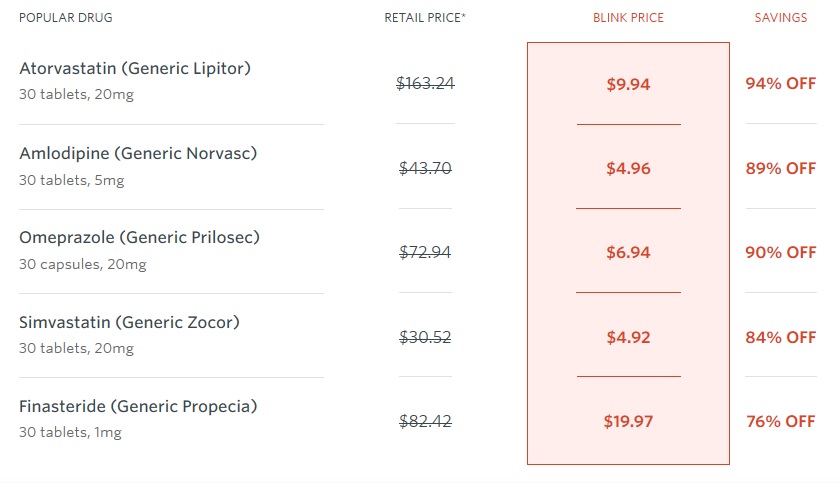
There is now a new option. From the confusions and duplicities of healthcare and prescription pricing in the US, a new company emerged: Blink Health. They unwittingly seem to be following the mandates of noted Economist Paul Romer in his declaration that “a crisis is a terrible thing to waste”. This enterprise serves as a Group Purchasing Organization (GPO) that contracts pricing directly from the pharmaceutical manufacturer, yet still utilizes the distribution supply of local retailers. This model demonstrates the advantages of GPO’s. Consider their business model in this corporate website review here and accompanying VIDEO:

Company Profile: Blink Health

>>>   01   <<<

The Same Low Price, Everywhere
Blink is the first company that allows you to pay for your prescriptions online and pick them up at your pharmacy.
Accepted at over 60,000 pharmacies nationwide
Blink offers the same low price at every major pharmacy and most independent pharmacies including Walmart, Walgreens, CVS, Rite Aid, Target and many more.

>>>   02   <<<

How To Use Blink
No membership fees. Purchases are refundable.
Only pay for the medications you pick up. You can cancel your purchases at any time.

CU Blog - Blink Health - The Cure for High Drug Prices - Photo 2

>>>   03   <<<

The Blink Difference
Blink offers the lowest prices on over 15,000 medications and is accepted at more than 60,000 pharmacies nationwide.

CU Blog - Blink Health - The Cure for High Drug Prices - Photo 3

—————–

>>>   Our Mission   <<<

Blink is the cure for a disease with immeasurable human cost.

That disease is the high cost of prescription drugs.
A cost that takes its toll on human lives in many ways, not just in money but in health itself.
Our mission is to cure this disease, and to make prescription medications available at lower prices to millions of people across America.

Blink Health is committed to ensuring that no one goes without the drugs they need to live a healthy, happy life.

Whether you have good insurance, bad insurance, or no insurance at all, Blink can save you money at over 60,000 pharmacies nationwide.
We’re the first company to develop a proprietary technology to group millions of patients together, creating the strength to negotiate the lowest drug prices possible.
We’re also the first company to allow patients to purchase their medications online and pick them up at their local pharmacy.

Blink Health believes that lower drug prices are healthier for everyone.

Lower drug prices can put an end to skipping doses or stopping medication altogether.
Lower drug prices put an end to sticker shock at the pharmacy counter.
Lower drug prices mean Americans can take the drugs they’re prescribed without worrying about the cost.

Blink Health believes that no one should have to stress about taking their medications.

Many of the drugs that people need every day have unacceptably high prices.  And yet, in spite of the general outrage at the problem, no one seems to know how much a drug actually costs — or how much it should cost.
At Blink Health, we do.  And we offer this transparency to everyone.  Our product is available to all.  With one low price for everyone, everywhere.
The Blink price is the real price.  And the only one you’ll ever have to pay.
We’re proud to be able to fill this long-overdue prescription for American health, and to finally give Americans the drug prices they deserve.

Blink Health. The cure for high drug prices.

Source: https://www.blinkhealth.com/

VIDEO: NBC News profiles “Blink Health”: The Cure for High Drug Prices

Published on Feb 17, 2016 – Blink Health is the first company to allow patients to purchase their medications online and pick them up at their local pharmacy. Blink uses technology to get you affordable prices on your prescription medications.
Category: People & Blogs
License: Standard YouTube License

CU Blog - Blink Health - The Cure for High Drug Prices - Photo 1The book Go Lean … Caribbean also quotes that “a crisis is a terrible thing to waste” (Page 8); and that there are exigent circumstances throughout the Caribbean region, in so many  fields of endeavor, that constitute crises. The book therefore strategizes the use of GPO’s for many regional acquisitions including medical supplies and prescription drugs. This strategy maximizing the dynamics of “supply-and-demand”. At its very heart, Economics is all about supply-and-demand. The more advanced the exercise in Economics, the more complex the dimensions of the supply-side and the demand-side of a commodity; in the case of Blink Health, prescription drugs. There is BIG money in healthcare and assuredly too, BIG complications in the economic formulas. Yet still, there is more that the Caribbean community can do to optimize our demand, supply and price factors.

The Go Lean book serves as a roadmap for the introduction and implementation of the technocratic Caribbean Union Trade Federation (CU). This is a call for confederating, collaborating and convening the 30 member-states of the region into a Single Market; and for one federal governmental entity to optimize the economic, security and governing endeavors. The Go Lean/CU roadmap calls for multiple GPO’s and cooperatives. This is part-and-parcel of the prime directives (3) of the CU/Go Lean roadmap:

  • Optimization of the economic engines – accepting that energy is as basic a need as food, clothing and shelter – in order to grow the regional economy to $800 Billion & create 2.2 million new jobs.
  • Establishment of a security apparatus – including public safety and public health concerns – to protect the resultant economic engines.
  • Improve Caribbean governance to support these engines.

The CU seeks to facilitate better mastery of the advanced fields of economics by coordinating pricing, supply and delivery options for the region’s pharmaceutical needs. Public Health stewards will be able to enter into commodities contracts to buy their vaccines, prescriptions and over-the-counter medications days, weeks, months and years in advance. This is the power of the “collective”, or purchasing cooperative, and/or Group Purchasing Organizations.

This commentary asserts that healthcare needs are undeniable to promote a better society. Options abound when the total Caribbean market is leveraged. This is the underlying strategy of the Caribbean Single Market. This point was pronounced from the outset of the Go Lean book in the opening Declaration of Interdependence (Pages 11 & 14), with these statements:

viii. Whereas the population size is too small to foster good negotiations for products and commodities from international vendors, the Federation must allow the unification of the region as one purchasing agent, thereby garnering better terms and discounts.

ix. Whereas the realities of healthcare and an aging population cannot be ignored and cannot be afforded without some advanced mitigation, the Federation must arrange for health plans to consolidate premiums of both healthy and sickly people across the wider base of the entire Caribbean population. The mitigation should extend further to disease management, wellness, mental health, obesity and smoking cessation programs.

xxx. Whereas the effects of globalization can be felt in every aspect of Caribbean life, from the acquisition of food and clothing, to the ubiquity of ICT, the region cannot only consume, it is imperative that our lands also produce and add to the international community, even if doing so requires some sacrifice and subsidy.

The Go Lean/CU roadmap describes the execution of this GPO strategy as heavy-lifting, but worth the effort. The empowerments from GPO’s will surely impact the macro economy; and will surely impact the micro-economy: healthcare costs will reduce and more jobs will emerge!

The Go Lean roadmap identifies 4,000 new jobs tied to cooperatives, and at least 2,000 new jobs tied to the GPO practice (as a subset of new Health and Trade jobs). These empowerment will impact every aspect of Caribbean life. The Caribbean homeland will then be better to compete globally and present more favorable options for our youth to stay home in the region. We fail miserably at youth options now!

The Go Lean book details a series of community ethos, strategies, tactics, implementations and advocacies to foster progress with health and GPO deliveries. The following list applies:

Community Ethos – Lean Operations – Group Purchasing Organizations (GPO) Page 24
Community Ethos – Return on Investments Page 24
Community Ethos – Cooperatives Page 25
Community Ethos – Non-Government Organizations Page 25
Community Ethos – Ways to Impact the Future Page 26
Community Ethos – Ways to Improve Negotiations Page 32
Community Ethos – Ways to Impact the Greater Good Page 32
Strategy – Vision – Confederate to form a Single Market Page 45
Strategy – Mission –  Reform our Health Care – With Cost-savings GPO Schemes Page 46
Tactical – Fostering a Technocracy Page 64
Tactical – Separation of Powers – Department of Health – MediCare Administration Page 86
Tactical – Separation of Powers – Department of Health – Disease Control & Management Page 86
Anecdote – “Lean” in Government Page 93
Implementation – Ways to Pay for Change – GPO’s Page 101
Implementation – Ways to Foster International Aid Page 115
Advocacy – 10 Big Ideas – Single Market Leverage Page 127
Advocacy – Ways to Improve Interstate Commerce Page 129
Advocacy – Ways to Improve Healthcare Page 156
Advocacy – Ways to Impact Entitlements Page 158
Advocacy – Ways to Better Manage the Social Contract Page 170
Advocacy – Ways to Foster Cooperatives Page 176
Advocacy – Ways to Improve Emergency Management Page 196
Advocacy – Ways to Impact Main Street Page 201
Advocacy – Ways to Improve Elder-Care Page 225
Appendix – Disease Management Model – Healthways Page 300
Appendix – Trauma Center Definitions Page 336

This commentary asserts that healthcare needs are undeniable, but options abound when the rise of the total Caribbean market is leveraged. This is the underlying strategy of the Caribbean Single Market. The Go Lean/CU roadmap describes the execution of this roadmap as heavy-lifting, but this “heavy-lifting” is the charter for the lean, agile CU technocracy.

Many of these heavy-lifting issues have been previously identified and addressed in prior Go Lean blog-commentaries. See here, this list, related to direct and peripheral issues of cooperative strategies for healthcare supply-and-demand and for other industries:

https://goleancaribbean.com/blog/?p=7384 Oil Refineries – Strategy for Advanced Economics
https://goleancaribbean.com/blog/?p=6867 How to address high consumer prices – Healthcare a BIG issue
https://goleancaribbean.com/blog/?p=6580 Capitalism of Drug Patents
https://goleancaribbean.com/blog/?p=6016 Hotter than July – The Need for Cooperative Refrigeration
https://goleancaribbean.com/blog/?p=5287 Book Review – ‘Thimerosal: Let The Science Speak’
https://goleancaribbean.com/blog/?p=4720 A Lesson in History – SARS in Hong Kong
https://goleancaribbean.com/blog/?p=4111 Detroit-area Judge to Decide if Kids Need Vaccines
https://goleancaribbean.com/blog/?p=2522 The Cost of Cancer Drugs

The message to the people of the Caribbean region is that there are solutions to these complex solutions like prescription pricing. Whereas the Caribbean may have been a parasite before, now we can function in the role of a protégé. Change is afoot! Plus, as the foregoing Profile and VIDEO reveals, the American eco-system is defective. We must do better!

Now is the time for all Caribbean stakeholders, to lean-in for the optimizations and empowerments described in the book Go Lean … Caribbean. Yes, we can make the region a better homeland to live, work, play and heal.  🙂

Download the free e-Book of Go Lean … Caribbean – now!

Share this post:
, ,
[Top]

Brazilian Shrunken Head Babies: Zika or Tdap?

Go Lean Commentary:

CU Blog - Brazilian Shrunken Head Babies - Zika or Tdap - Photo 1“Call a spade a spade…”

… all of a sudden in 2014, Brazil signs a contract with Big Pharma to inoculate pregnant women with a TDAP booster and boom: a Microcephaly pandemic emerges.

Now “they” are banning pregnant women and all hoping to someday get pregnant from traveling to Latin America and the Caribbean…

… and this prohibition is in the middle of the Peak Winter tourist season.

Imagine the economic consequences. Imagine the public health and security consequences. Imagine the governmental complications.

This commentary urges the Caribbean to “call a spade a spade”, rather than blaming “it” all on mosquitoes. See the actual editorial article here:

Editorial Title: Brazilian Shrunken Head Babies: Zika or Tdap?

CU Blog - Zika - A 4-Letter Word - Photo 1In late 2014, the Ministry of Health of Brazil announced the introduction of the Tdap (Tetanus, diphtheria, and acellular pertussis) vaccine for all pregnant women in that country as part of its routine vaccination program. The move was aimed at trying to contain the resurgence of pertussis in Brazil.

In December 2015, the Brazilian government declared an emergency after 2,400 Brazilian babies were found to be born with shrunken heads (microcephaly) and damaged brains since October.

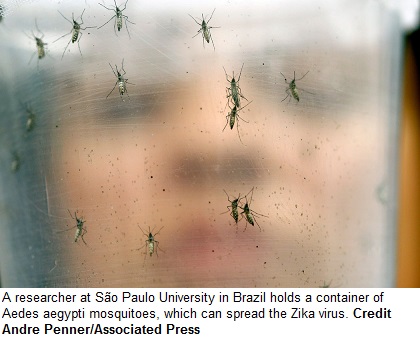
Brazilian public health officials don’t know what is causing the increase in microcephaly cases in babies born in Brazil, but they are theorizing that it may be caused by a virus known as “Zika,” which is spread by mosquitoes (Aedes aegypti)—in the same way as is the West Nile virus.

The theory is largely based on the fact that they found the Zika virus in a baby with microcephaly following an autopsy of the dead child. The virus was also found in the amniotic fluid of two mothers whose babies had the condition.

Note that Zika is not a new virus; it has been around for decades. No explanation has been given as to why suddenly it could be causing all these cases of microcephaly. No one is seriously asking the question, “What has changed?”

There is no theorizing about the possibility that the cases of microcephaly could be linked to the mandating of the Tdap vaccine for all pregnant women in Brazil about 10 months earlier. The government has “assumed” the cause is a virus.

FACT—Drug companies did not test the safety and effectiveness of giving Tdap vaccine to pregnant women before the vaccines were licensed in the U.S. and there is almost no data on inflammatory or other biological responses to this vaccine that could affect pregnancy and birth outcomes.

FACT—According to the U.S. Food and Drug Administration (FDA) adequate testing has not been done in humans to demonstrate safety for pregnant women and it is not known whether the vaccines can cause fetal harm or affect reproduction capacity. The manufacturers of the Tdap vaccine state that human toxicity and fertility studies are inadequate and warn that Tdap should “be given to a pregnant woman only if clearly needed.”

FACT—There are ingredients pertussis containing Tdap vaccine that have not been fully evaluated for potential genotoxic or other adverse effects on the human fetus developing in the womb that may negatively affect health after birth, including aluminum adjuvants, mercury containing (Thimerosal) preservatives and many more bioactive and potentially toxic ingredients.

FACT—There are serious problems with outdated testing procedures for determining the potency and toxicity of pertussis vaccines and some scientists are calling for limits to be established for specific toxin content of pertussis-containing vaccines.

FACT—There are no published biological mechanism studies that assess pre-vaccination health status and measure changes in brain and immune function and chromosomal integrity after vaccination of pregnant women or their babies developing in the womb.

FACT—Since licensure of Tdap vaccine in the U.S., there have been no well designed prospective case controlled studies comparing the health outcomes of large groups of women who get pertussis containing Tdap vaccine during pregnancy either separately or simultaneously compared to those who do not get the vaccines, and no similar health outcome comparisons of their newborns at birth or in the first year of life have been conducted. Safety and effectiveness evaluations that have been conducted are either small, retrospective, compare vaccinated women to vaccinated women or have been performed by drug company or government health officials using unpublished data.

FACTFACT—The FDA has licensed Tdap vaccines to be given once as a single dose pertussis booster shot to individuals over 10 or 11 years old. The CDC’s recommendation that doctors give every pregnant woman a Tdap vaccination during every pregnancy—regardless of whether a woman has already received one dose of Tdap—is an off-label use of the vaccine.

FACT—Injuries and deaths from pertussis-containing vaccines are the most compensated claims in the federal Vaccine Injury Compensation Program (VICP) and influenza vaccine injuries and deaths are the second most compensated claim.

FACT—A 2013 published study evaluating reports of acute disseminated encephalomyelitis (ADEM) following vaccination in the U. S. Vaccine Adverse Events Reporting System (VAERS) and in a European vaccine reaction reporting system found that pertussis containing DTaP was among the vaccines most frequently associated with brain inflammation in children between birth and age five.

Tdap is manufactured by two pharmaceutical companies: Sanofi Pasteur of France and GlaxoSmithKline (GSK) of the United Kingdom.

The Sanofi Pasteur product contains aluminum phosphate, residual formaldehyde, residual glutaraldehyde, and 2-phenoxyethanola, along with the following growth mediums and process ingredients: Stainer-Scholte medium, casamino acids, dimethyl-beta-cyclodextrin, glutaraldehyde, formaldehyde, aluminum phosphate, modified Mueller-Miller casamino acid medium without beef heart infusion, ammonium sulfate, 2-phenoxyethanol, water for injection.

The GSK product contains aluminum hydroxide, sodium chloride, residual formaldehyde, polysorbate 80 (Tween 80), along with the following growth mediums and process ingredients: modified Latham medium derived from bovine casein, Fenton medium containing bovine extract, formaldehyde, Stainer-Scholte liquid medium, glutaraldehyde, aluminum hydroxide.

Unsurprisingly, the Brazilian government announced on January 15, 2016 it will direct funds to a biomedical research center (Sao Paulo-based Butantan Institute) to help develop a vaccine against Zika. Development of the vaccine is expected to take 3-5 years. Again, no consideration to the irony that you may be developing a vaccine to address a problem that may have been CAUSED by a vaccine, and that that new vaccine may COMPOUND the problem No consideration to the possibility that the answer to the problem may not be to do MORE, but rather to do LESS (simply STOP giving Tdcap to pregnant women).

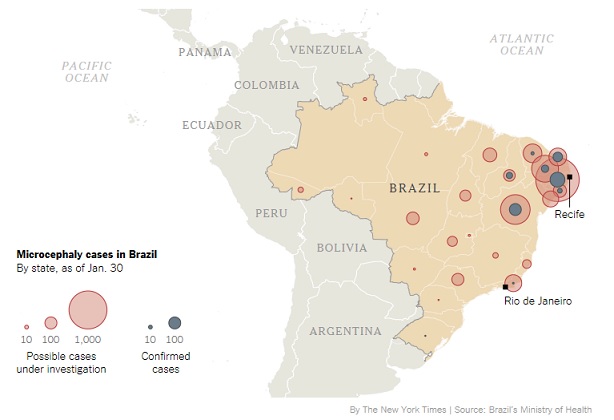
The number of cases of microcephaly in Brazil has grown to 3,530 babies, as of mid-January 2016. Fewer than 150 such cases were seen in all of 2014.

Most of the microcephaly cases have been concentrated in Brazil’s poor northeast, though cases in Rio de Janeiro and other big cities have also been on the rise, prompting people to stock up on mosquito repellent. Health officials are warning Brazilians—especially pregnant women—to stay inside when possible and wear plenty of bug spray if they have to go out.

Wanna look up the ingredients in mosquito spray? Oh, and what deadly insecticide do you reckon they’ll mass fumigate with? DDT perhaps?

(Note. Contains information pieced together—often copy and pasted—from newspaper articles and information from the NationalVaccineInformationCenter.)
Source: Anonymous Blog Entry – WordPress.com – Posted 02-04-2016; retrieved 02-08-2016 from: https://brazilianshrunkenheadbabies.wordpress.com/about/


Other Zika-related thinking to consider:

This commentary parallels with the book Go Lean … Caribbean in its quest to elevate societal life in the Caribbean. The book identifies that “bad actors” will always emerge to exploit the economic engines in the community. For the Zika virus, the “bad actor” was assumed to be mosquitoes; now it appears something more insidious is at work: This constitutes an accusation against Big Pharma. But that’s OK, this is not our first accusation and probably will not be the last. See here for previous blog/commentaries indicting Big Pharma’s cronyism:

Book Review – ‘Thimerosal: Let The Science Speak’
Judge to decide on Vaccination Amidst Autism Fears
Big Pharma & Criminalization of American Business
Climate Change May Bring More Kidney Stones
New Research and New Hope in the Fight against Alzheimer’s Disease
Health-care fraud in America; Criminals take $272 billion

These Go Lean commentaries are accusing Big Pharma of being willing to …

…Sacrifice children on the altar of corporate profits.

Yes, that is the accusation. In the case of Brazil’s Zika virus pandemic, the “bad actor” appears to be the Pharmaceutical companies and their consorts in the government’s public health agencies.

This all sounds familiar, as in the controversy with child immunizations and the public fear of a connection with Autism. Once these types of accusations are publicized, Big Pharma responds … by attacking and discrediting the accusers. So just wait: soon come the denials, defense and discrediting attacks for this allegation … any moment now.

This strategy is also consistent in the “play book” of climate change deniers and other Crony-Capitalistic enterprises (i.e. Big Tobacco).

This point is where this commentary relates to the overall plan to elevate Caribbean society: the book Go Lean…Caribbean. This book declares (Page 157) that Big Pharma may be more of an obstacle than a aid for effecting community health. They care more about profits than they do the well-being of the public, or the Greater Good. The Caribbean must therefore assume the leadership for its own destiny, and not be dependent on other parties. We must be protégés and not parasites.

Big Pharma is not the only stakeholders involved in this drama, as the directing organization is the World Health Organization. The WHO has altruistic motives in protecting the public health of the entire world, but at times their motives and executions can be flawed, biased and influenced by capitalistic forces. How much of these dynamics are at play now? Just consider the BIG economic issues attendant to this Zika viral outbreak:

  • Peak Winter Tourism Season in the Caribbean
  • Spring Break 2016 – Mexican and Caribbean locales are “hotspots”.
  • 2016 Olympics in Brazil
  • Future Public Health mandate to “force” TDAP immunization on pregnant women.

This champion for the Zika virus, the WHO, is not the WTO nor the World Bank; though they are all multilateral/UN agencies but with different specialties, scopes and charters. Here is the WHO’s declaration:

The World Health Organization has declared the Zika virus an international public health emergency, prompted by growing concern that it could cause birth defects. As many as four million people could be infected by the end of the year. Officials at the Centers for Disease Control and Prevention have urged pregnant women against travel to about two dozen countries, mostly in the Caribbean and Latin America, where the outbreak is growing. (Source: http://www.nytimes.com/interactive/2016/health/what-is-zika-virus.html retrieved 02-08-2016).

See VIDEO here!

VIDEO – Understanding Zika – http://www.nytimes.com/interactive/2016/health/what-is-zika-virus.html?_r=0

There it is … this declaration appears to be legitimately concerned about public health. But alas, the Zika virus has been around since 1947 and never related to microcephaly. Now all of sudden, there is this correlation. Something seems awry; mosquitoes have not evolved that much, that fast. This foregoing editorial article, therefore may not be so far-fetched.

The Caribbean needs to take its own lead for its own causes. The Go Lean book strategizes a roadmap for economic empowerment in the region, clearly relating that healthcare, and pharmaceutical acquisitions are important in the quest to make the Caribbean a better place to live, work, heal and play. At the outset of the Go Lean book, in the Declaration of Interdependence (Page 11), these points are pronounced:

viii. Whereas the population size is too small to foster good negotiations for products and commodities from international vendors, the Federation must allow the unification of the region as one purchasing agent, thereby garnering better terms and discounts.

ix. Whereas the realities of healthcare and an aging population cannot be ignored and cannot be afforded without some advanced mitigation, the Federation must arrange for health plans to consolidate premiums of both healthy and sickly people across the wider base of the entire Caribbean population. The mitigation should extend further to disease management

The Go Lean book serves as a roadmap for the implementation and introduction of the technocratic Caribbean Union Trade Federation (CU). The CU‘s prime directives are identified with the following 3 statements:

  • Optimization of the economic engines in order to grow the regional economy and create new jobs.
  • Establishment of a security apparatus to protect the resultant economic engines.
  • Improvement of Caribbean governance to support these engines.

The CU Trade Federation has the prime directive of optimizing the economic, security and governing engines of the Caribbean region. The foregoing editorial depicts that abuses have entered the quest for best practices in health management for the Brazilian public; and maybe other countries. We must learn from this cautionary tale and do better in the Caribbean.

The foregoing editorial presents perplexing questions about the legitimacy of the cause of the current crisis: Is the mosquito really to blame?

The Go Lean roadmap posits that more innovations need to emerge in the region, so as to take our own lead for our own needs. The CU needs a prioritization on science, technology, engineering and medical (STEM) activities so as to enable such leadership.

This is the manifestation and benefits of Research & Development (R&D) ethos in the Go Lean/CU roadmap. The roadmap describes the elevation on society from such a priority. The following list details additional ethos, strategies, tactics, implementations and advocacies to optimize the region’s health deliveries and R&D investments:

Community   Ethos – Deferred Gratification Page 21
Community   Ethos – Economic Systems Influence Individual Choices and Incentives Page 21
Community   Ethos – The Consequences of Choices Lie in the Future Page 21
Community   Ethos – Governing Principles – Return on Investments Page 24
Community   Ethos – Governing Principles – Cooperatives Page 25
Community   Ethos – Non-Government Organizations Page 25
Community   Ethos – Ways to Impact Research & Development (R&D) Page 30
Community   Ethos – 10 Ways to Promote Happiness Page 36
Community   Ethos – Ways to Impact the Greater Good Page 37
Strategy – Integrate and unify region in a Single Market Page 45
Strategy – Agents of Change – Globalization Page 57
Tactical – Fostering a Technocracy Page 64
Tactical – Separation of Powers – Health Department Page 86
Tactical – Separation of Powers – Drug Administration Page 87
Implementation – Ways to Pay for Change Page 101
Implementation – Ways to Implement   Self-Government Entities – R&D Campuses Page 105
Implementation – Ways to Deliver Page 109
Planning – Ways to Improve Trade Page 128
Planning – Ways to Make the Caribbean Better Page 131
Planning – Ways to Better Manage Image Page 133
Advocacy – Ways to Improve Healthcare Page 156
Advocacy – Ways to Better Manage the Social Contract Page 170
Advocacy – Ways Foster Cooperatives Page 176
Advocacy – Ways to Improve Emergency Management Page 196
Advocacy – Ways to Impact Foundations Page 219
Advocacy – Ways to Impact Persons with Disabilities Page 228
Appendix – Emergency Management – Medical Trauma Centers Page 336

The promoters of the Go Lean roadmap does not purport to be an authority on medical or Public Health best practices. But we are logical, like everyone else in society and we can see rubbish when presented:

You can fool all of the people some of the time.
… some of the people all of the time.
But you  cannot fool all of the people all of the time.

The Go Lean economic-security-governance empowerment roadmap advocates for medical professionals making medical decisions, not accountants and business marketers. This imagery is the manifestation of Crony-Capitalism. There are so many examples in the US, and other countries. Consider the case of how one pharmaceutical company has been assailed over the cancer drug, Gleevec. This case study clearly depicts how the industry prioritizes profit over people.

Crony-Capitalism on the one hand, the Greater Good. on the other hand. These choices dictate public policies for economic, security and governing engines. Good, bad and ugly examples abound. The Caribbean is urged to choose its course wisely.

This is the calling for the CU Trade Federation, to set our community ethos to impact the Greater Good. Only then will we make the Caribbean a better place to live, work, heal and play. 🙂

Download the book Go Lean … Caribbean – now!

Share this post:
, , , ,
[Top]

Zika – A 4-Letter Word

Go Lean Commentary

If it isn’t one thing – pandemic wise – it’s another. Since the recent days of promoting the book Go Lean … Caribbean, and the accompanying blog-commentaries, there has been the issue of the Chikungunya virus and the Ebola virus. Now comes the Zika virus.

This virus is proving to be a “4-Letter” word. See VIDEO here:

VIDEO – U.S. doctors prepare as Zika virus spreads – http://www.cbsnews.com/videos/u-s-doctors-prepare-as-zika-virus-spreads/

January 27, 2016, 6:47pm – The Zika virus is continuing to spread and U.S. doctors are bracing for its arrival. Airlines are giving refunds to passengers who booked flights to infected countries where travel warning have now been issued. CBS Chief Medical Correspondent Dr. Jon LaPook breaks down the dangers — and precautions that can be taken. (VIDEO plays best in Internet Explorer).

The below article in the New York Times is demonstrating that the Zika virus is becoming a threat for all of the Americas. But some people are in a worst disposition than others:

Welcome to the Caribbean!

The Go Lean movement seeks to reform and transform the Caribbean societal engines:

  • Economics
  • Security
  • Governance

CU Blog - Zika - A 4-Letter Word - Photo 1

All of these engines come under attack with this virus:

  • Economics – Visitors who may be pregnant or considering pregnancy are advised to stay away from the affected states: including 11 Caribbean member-states. For tourism, our primary economic driver, expect a “hit”, as honeymooners and newly-weds will be dissuaded to vacation in our region.
  • Security – Viruses and other epidemiological episodes are among the “bad actors” that can endanger a community. Any proactive or re-active security apparatus is required to be “on guard” against these threats.
  • Governance – The governance in the affected countries are now urging citizens to delay pregnancies. This disruption in the natural cycle of human procreation is a violation of the assumed Social Contract between governments (the State) and the citizens. The citizens are expecting the State to protect them … and stay out of their bedrooms (family-planning decisions).

This Zika issue is a major issue that has now come under the attention of major “alphabet” stakeholders, like the WHO (World Health Organization) and the CDC (America’s Center for Disease Control). See the heightened threat as conveyed by the New York Times in this news article here and in the Appendix-VIDEO below:

Title: Zika Virus ‘Spreading Explosively’ in Americas, W.H.O. Says
By: Sabrina Tavernise, NY Times

Officials from the World Health Organization said on Thursday that the Zika virus was “spreading explosively” in the Americas and announced that they would convene an emergency meeting on Monday to decide whether to declare a public health emergency.

“The level of alarm is extremely high,” said Dr. Margaret Chan, the director general of the W.H.O., in a speech in Geneva.

As many as three to four million people in the Americas could be exposed to the virus in the next 12 months, said Dr. Sylvain Aldighieri, a unit chief for the Pan American Health Organization.

“As I told you, we have big gaps in terms of confirmation of the real situation,” he said. “These are estimates. These are mathematical estimations.”

Of particular concern, Dr. Chan said, are the cases of microcephaly, a rare condition in which infants are born with abnormally small heads that has been rising dramatically in Brazil as Zika spreads. Experts say it is too early to tell whether Zika is the cause of the condition, but there are some indications that the two are linked.

The health authorities in Brazil said on Wednesday that reported cases of microcephaly had climbed to 4,180 since October, a 7 percent increase from the previous tally last week. Before the epidemic, Brazil recorded only about 150 cases of microcephaly a year.

That has caused widespread alarm because researchers say the virus arrived in Brazil only recently, with the huge jump in microcephaly cases reported by doctors, hospitals and other medical officials following closely in its wake.

But proving that Zika is the cause has been elusive.

“It’s really important to understand the difference between associations and causations,” said Dr. Bruce Aylward, a W.H.O. assistant director general, noting that there are still many questions about whether the Zika virus and microcephaly are linked.

The Brazilian health ministry said Wednesday that it had examined more than 700 reported cases of microcephaly and found Zika in only six of the infants — though what that means exactly is unclear. Infectious disease specialists caution that Brazil’s testing methods are outdated and may miss many Zika cases. They also say that in some cases, the mother may have had Zika, causing microcephaly in her baby, even if the virus is never detected in the infant.

The virus has spread to more than 20 countries and territories in the region. Dr. Chan said she was “deeply concerned about this rapidly evolving situation.” She also raised an alarm about the potential for further international spread of the virus, given how ubiquitous the mosquitoes that carry it are and how few people have developed immunity to it. The virus, which first surfaced in Uganda in the 1940s, had rarely been seen in the Americas.

“The level of concern is high, as is the level of uncertainty,” she said. “Questions abound. We need to get some answers quickly.”

Dr. Chan struck a tone of deep concern, but Dr. Aylward appeared to play down some of the most dire predictions about the disease.

“‘Concerned’ is certainly the right language to be used,” he said. “ ‘Alarmed’ would definitely not be the right language.”

Asked whether the W.H.O. would advise people not to travel to Brazil for the Olympics, he replied, “I would think that would be very, very unlikely when you look at areas affected and the scope of this.”

Some experts had criticized Dr. Chan for not immediately convening a committee to advise on whether to declare Zika a public health emergency. On Wednesday in the journal JAMA, two experts called for an immediate meeting, saying the hesitation on the part of the W.H.O. echoed the agency’s slow reaction at the outset of the Ebola epidemic in 2014.

“The very process of convening the committee would catalyze international attention, funding and research,” they wrote.

On Thursday morning, one of the authors, Dr. Daniel Lucey, an expert on global viral outbreaks at Georgetown University School of Medicine, said of the announcement, “I’m very, very happy.”

Dr. Chan said she would be asking the committee for advice on the “the appropriate level of international concern” and for what measures the W.H.O. should advise affected countries to take. She said she would also ask the committee to identify research priorities

One worry, Dr. Chan noted, is that there is no vaccine against the virus or a rapid diagnostic test to determine whether someone has been infected. Dr. Anthony S. Fauci, director of the National Institute of Allergy and Infectious Diseases, said in an interview this week that scientists at the National Institutes of Health were working on both.

“We are already on our way on the first steps to developing a vaccine,” he said. “And we have started to work on a diagnostic to tell if someone’s been infected.”

Other related articles:

Short Answers to Hard Questions About Zika Virus

Reports of Zika-linked Birth Defect Rise in Brazil

Zika Testing Is Urged for Some Newborns

CU Blog - Zika - A 4-Letter Word - Photo 2

What countries should pregnant women avoid?

About two dozen destinations mostly in the Caribbean, Central America and South America.

The Pan American Health Organization believes that the virus will spread locally in every country in the Americas except Canada and Chile. Here is the C.D.C.’s current list of countries and territories in which Zika virus is circulating. (Caribbean countries in RED italics)

The Caribbean
United States Virgin Islands
Barbados
Dominican Republic
Guadeloupe
Haiti
Martinique
Saint Martin

South America
Bolivia
Brazil
Colombia
Ecuador
French Guiana
Guyana

Paraguay
Suriname
Venezuela

Find the latest Travel Advisory updates here.
Source: http://www.nytimes.com/interactive/2016/health/what-is-zika-virus.html

Is there a responsible party who would champion this issue for the Caribbean region?

No.

But there is the need to fill this void in the region; there is the need for Caribbean leadership to address the needs of the whole Caribbean economic, security and governing eco-system. While there is no current solution, other than the WHO’s address and that of individual member-states, there is now a plan – better still, a roadmap to address the deficiencies.

The book Go Lean…Caribbean serves as that roadmap; it posits that the Caribbean region must promote its own interest and protect its own citizens. We should not look to the WHO to micro-manage our day-to-day details; they have no concern for our touristic industry implications. It is not within their charter. Further, we should not count on the US to pursue the Greater Good for our Caribbean local, as their (CDC) travel advisory already endangers our economies, with no consultation with our tourism planners. (This is also not in the CDC’s charter). Assuredly, we must have our own preparation and response vehicle.

This is the charter of the Go Lean…Caribbean book.

The book urges the introduction and implementation of the Caribbean Union Trade Federation (CU), as a regional sentinel in the Caribbean, for the Caribbean. The complete prime directives of the CU is as follows:

  • Optimize the economic engines of the Caribbean to elevate the regional economy.
  • Establish a security apparatus for public safety assurances and to protect the economic engines.
  • Improve Caribbean governance to support these engines.

With issues like this, ugly elements of society always emerge: nationalistic self-interest, finger-pointing and bad politics. Talking-heads start to talk.

But this is a time for action, not talk. The biggest and best remediation is also a simple one: kill the affected mosquitoes.

This Go Lean/CU roadmap declares that “Crap happens” (Page 23). This immediately calls for the establishment of a Homeland Security Department, with an agency to practice the arts and sciences of Emergency Management. The emergencies include more than natural disasters (hurricanes, earthquakes, tsunamis, volcanoes, flooding, forest fires, and droughts), they include the man-made variety (industrial accidents, oil spills, factory accidents, chemical spills, explosions, terroristic attacks, prison riots) and epidemic threats. Of course, this type of emergency, the Zika virus, described in the foregoing VIDEO/article, requires professional expertise, a medical discipline. Stopping Zika therefore would require a hybrid response of the Emergency Management agency and the CU’s Department of Health Disease Control & Management agency. This agency of Medical experts would help contend with systemic threats of epidemic illness and infectious diseases.

These stakeholders would be expected to kill mosquitoes. (A coordinated Rapid Response Team, seeking out mosquitoes breading grounds – still waters – and deploying appropriate pesticides).

The Go Lean roadmap immediately calls for the coordination of security monitoring and mitigation in the Caribbean; this point is declared early in the Go Lean book with a pronouncement in the Declaration of Interdependence (Page 12), as follows:

xvi. Whereas security of our homeland is inextricably linked to prosperity of the homeland, the economic and security interest of the region needs to be aligned under the same governance. …[to ensure] the functioning of the wheels of commerce for all the citizenry, the accedence of this Federation must equip the security apparatus with the tools and techniques for predictive and proactive interdictions.

The Go Lean roadmap calls for the integration of the viral sentinel responsibility of the 30 Caribbean member-states, despite the 4 different languages and 5 colonial legacies (American, British, Dutch, French, Spanish) – notice the foregoing list of countries – into the CU Trade Federation with the tools/techniques to bring immediate change to the region to benefit one and all member-states. This includes the monitoring and epidemiology defense of common and emerging viruses. This empowered CU agency will liaison with foreign entities with the same scope, like the WHO, and the CDC.

Most importantly, the CU would coordinate the Caribbean brand and image promotion. The rest of the world need to know that we can kill mosquitoes, and cajoled our communities into action to mitigate all known threats; (i.e there is no travel advisory for Florida).

Since the CU roadmap leads with economic reforms, the primary economic driver of the region (tourism) would be a constant concern. The realization, or even the unsubstantiated rumor, of viral outbreaks can imperil the tourism product. We must therefore take proactive steps to protect our economic engines. So there are heavy responsibilities for the stewardship of the Caribbean economy, security and governing engines. The goal is to impact the Greater Good of the entire Caribbean region. The CU invites this role and promote it as a community ethos.

There should be no need for a travel advisory, or to ban pregnant women, or honeymooners or general vacationers.

We’ve got this!

The Go Lean book details the community ethos, plus the executions of the following strategies, tactics, implementations and advocacies to impact the region’s public health security in protection of the economy:

Community Ethos – Privacy versus Public Protection Page 23
Community Ethos – “Crap” Happens Page 23
Community Ethos – Lean Operations Page 24
Community Ethos – Cooperatives Page 24
Community Ethos – Non-Government Organizations Page 25
Community Ethos – Ways to Improve Sharing Page 35
Community Ethos – Impact the Greater Good Page 37
Strategy – Vision – Non-Sovereign “Unified” Proxy Entity Page 45
Strategy – Customers – Residents & Visitors Page 47
Strategy – Agents of Change – Globalization Page 57
Tactical – Confederating a Permanent Union Page 63
Tactical – Fostering a Technocracy Page 64
Separation of Powers – Emergency Management Page 76
Separation of Powers – Disease Control & Management Page 86
Implementation – Ways to Pay for Change Page 101
Implementation – Security Initiatives at Start-up Page 103
Implementation – Ways to Deliver Page 109
Implementation – Ways to Foster International Aid Page 115
Implementation – Ways to Benefit from Globalization Page 119
Planning – Ways to Better Manage Image Page 133
Planning – Ways to Improve Failed-State Indices Page 134
Advocacy – Ways to Grow the Economy Page 151
Advocacy – Ways to Improve Healthcare Page 156
Advocacy – Ways to Improve Governance Page 168
Advocacy – Ways to Better Manage the Social Contract Page 170
Advocacy – Ways to Foster Cooperatives Page 176
Advocacy – Ways to Improve for Natural Disasters Page 184
Advocacy – Ways to Improve Emergency Management Page 196

Previous Go Lean blog-commentaries have detailed the reality of viral management around the world, at different times in different locales. There is much for us to learn in the Caribbean. (As reported in the foregoing VIDEO, there are many similarities of Dengue, Yellow Fever and West Nile to this new Zika virus). See sample list here of previous blogs:

https://goleancaribbean.com/blog/?p=4720 A Lesson in History – SARS in Hong  Kong
https://goleancaribbean.com/blog/?p=4111 Detroit-area Judge to Decide if Kids Need Vaccines
https://goleancaribbean.com/blog/?p=2397 Stopping Ebola
https://goleancaribbean.com/blog/?p=1003 Painful and rapid spread of new virus – Chikungunya – in Caribbean

There have also been previous Go Lean blog-commentaries that have addressed the economic and governance deficiencies in the Caribbean region, as related to this Zika issue. See here for a sample list of these types of blogs:

https://goleancaribbean.com/blog/?p=6531 A Lesson in History – Book Review on ‘Exigent Circumstances’
https://goleancaribbean.com/blog/?p=6341 Tourism Stewardship — What’s Next?
https://goleancaribbean.com/blog/?p=5287 Book Review on Vaccines – ‘Thimerosal: Let The Science Speak’
https://goleancaribbean.com/blog/?p=5002 Managing a ‘Clear and Present Danger’
https://goleancaribbean.com/blog/?p=4360 Dreading the ‘Caribbean  Basin Security   Initiative’
https://goleancaribbean.com/blog/?p=2105 Recessions and Public Health

An underlying goal of the Go Lean movement is to make the Caribbean homeland, a better place to live, work and play. While this roadmap includes a heavy focus on economics, the other areas for societal harmony –  security and governance – must get due attention. Accepting the premise of “bad actors” inevitability means preparing counter-measures in earnest. We need a technocratic security apparatus for public safety and epidemiological crises. This is necessary to elevate our Caribbean homeland.

The entire region is hereby urged to lean-in to this Go Lean roadmap – the countries included on the above Travel Advisory list and the rest of the Caribbean – to fulfill the vision of securing our homeland. We can, and must do better.

We are bigger than mosquitoes, literally and figuratively.  🙂

Download the book Go Lean … Caribbean Now!

———-

Appendix – What is the Zika virus?

A tropical infection new to the Western Hemisphere.

The Zika virus is a mosquito-transmitted infection related to Dengue, Yellow Fever and West Nile virus. Although it was discovered in the Zika forest in Uganda in 1947 and is common in Africa and Asia, it did not begin spreading widely in the Western Hemisphere until last May, when an outbreak occurred in Brazil.

Until now, almost no one on this side of the world had been infected. Few of us have immune defenses against the virus, so it is spreading rapidly. Millions of people in tropical regions of the Americas may have had it.

———–

Appendix VIDEO – W.H.O. Speaks Out and Calls for A Conference – http://graphics8.nytimes.com/video/players/offsite/index.html?videoId=100000004173752

 Published January 28, 2016 – Officials from the World Health Organization warned that the Zika virus was spreading “explosively” and called for an emergency meeting to address it. – REUTERS.

Share this post:
, , , ,
[Top]

Role Model – #FatGirlsCan

Go Lean Commentary

So let’s test your political correctness (PC):

Is it proper to refer to individuals as “disabled people”?

… or as “persons with disabilities”?

Get it!?!? The PC is to recognize the whole person and then acknowledge the physical challenge.

But even now this is outdated … it’s so 2014. Now, the proper labeling is “differently-abled”.

Being PC is hard-work! This is the America of 2015. But consider the alternative, the America of yesteryear, where it was the greatest country in the world … if you were: White, Anglo-Saxon, Rich, Male, Straight, and “Right-sized”.

Anything/anyone else and … it was “God help you”.

This commentary aligns with the book Go Lean…Caribbean, which campaigns for a reasonable accommodation so that persons in the Caribbean that are differently-abled can live a full and engaging life … and help to elevate their communities and make their homelands better places to live, work and play.

This difference also includes “fat”.

This is a sober issue because many persons that are overweight, fat or obese are faced with serious challenges (scorn, discrimination, glares, prejudice, body-shaming and outright animosity) in society. And many times their challenge starts “in the mirror”. There is a lot that can be done and a lot that needs to be done for overweight, fat or obese persons, but it must start with self-advocacy and then, the whole society can be urged to change.

This is the cause of one advocate Jes Baker; she is a mastermind, author, blogger, champion and Militant Baker. Those of us that are looking, listening, learning, lending-a-hand and leading can greatly benefit by considering her as a Role Model.

Consider this account (Book Review, article and VIDEO) of her story:

Book Review:  Things No One Will Tell Fat Girls: A Handbook for Unapologetic Living  … By Jes Baker

CU Blog - Book Review - #FatGirlsCan - Photo 3“Things No One Will Tell Fat Girls” is a manifesto and call to arms for people of all sizes and ages. With her trademark wit, veteran blogger and advocate Jes Baker calls people everywhere to embrace a body-positive worldview, changing perceptions about weight, and making mental health a priority.

Alongside notable guest essayists, Jes shares personal experiences paired with in-depth research in a way that is approachable, digestible, and empowering. “Things No One Will Tell Fat Girls” is an invitation to reject fat prejudice, fight body-shaming at the hands of the media, and join this life-changing movement with one step: change the world by loving your body.

Among the many “Things No One Will Tell Fat Girls” that you don’t want to miss:

1. It’s Possible to Love Your Body (Today. Now.)
2. You Can Train Your Brain to Play Nice
3. Your Weight Is Not a Reflection Of Your Worth
4. Changing Your Tumblr Feed Will Change Your Life
5. Salad Will Not Get You to Heaven
6. Cheesecake Will Not Send You to Hell

If you’re a person with a body, this book is for you.

Source: http://www.amazon.com/Things-One-Will-Tell-Girls/dp/1580055826/ retrieved October 28, 2015

———-

First Person Anecdote: #FatGirlsCan blogger urges ‘girls of all sizes’ to love their bodies
By: Jes Baker

(Source: http://www.today.com/health/fatgirlscan-blogger-urges-girls-all-sizes-love-their-bodies-t52581)

CU Blog - Book Review - #FatGirlsCan - Photo 1A little more than two years, I was struggling after a horrible breakup and feeling quite low. I believed that I would never find a partner who loved me and loved my body.

I thought that someone would simply put up with how I looked. I also felt like only certain people could love a fat girl; there were just some people I could never date. I channeled those feelings into a blog post and began feeling more empowered.

Over the years as I continued blogging and speaking all over the country about body image, I realized the flaws behind my thinking—and I realized that societal norms inspired many of these thoughts. That idea that fat girls remain unlovable is just a lie.

Everyone deserves to be love and accepted.

And, fat girls can have authentic, sexy, enduring love.

The idea behind that blog eventually became part of an idea for my book, Things No One Will Tell Fat Girls. It’s full of things I wish I had learned a lot earlier in life and info I hope will help other women.

While it is a book about fat girls from a fat girl’s perspective I believe the message remains basic — and it’s one I hope that resonates with everyone.

We need to accept ourselves in our bodies.

CU Blog - Book Review - #FatGirlsCan - Photo 2There are so many bodies and so many people struggling with how they look in those bodies. I want fat girls to accept that fat is just an unbiased word to describe how a person looks. But I also want skinny girls to feel good about how they look, too, no matter how many times someone sneers at them to eat a hamburger.

As part of the social media campaign associated with the book, we developed a hashtag #FatGirlsCan and a trailer to accompany it. The hashtag encourages women to show visually what fat girls can do. There are fat girls whitewater rafting, rock climbing, practicing yoga, running marathons, wearing horizontal stripes, and so many other things. This was really incredible. I was never expecting to feel so inspired by seeing women doing things some of which I’m afraid to do. I know I can swim, dance, and ride a bike, but I don’t trust my body enough to rock climb or whitewater rafting.

Loads and loads of women have sent in pictures of themselves in love — all types of partners and all types of love. That feels like really powerful imagery.

Loving our bodies can really change the world.

When we liberate ourselves from our physical oppression then we are free to live our incredible lives. We become kinder to ourselves and to others. This book is for fat girls because that is who I am.

But it’s also for girls of all sizes told that they cannot do something because of how they look. Acceptance remains incredibly important and with that we can do so much more.

We can change society.

Related Article: ‘Just go for it’: 4 tips about self-acceptance from ‘Big Gal Yoga’
Tips:

    1. Don’t put your life on hold until you have the ‘perfect’ body
    2. Really look at your body
    3. Don’t let negative comments get to you
    4. Try New Things

———-

VIDEO– NBC Today Show – Chew the “Fat” – http://on.today.com/1HaBzDq

Published on October 28, 2015 – Jes Baker is blogger and mastermind behind the Militant Baker. She is a body image advocate, a fat model, and author of the new book, “Things No One Will Tell Fat Girls.” Jes shares her inspiration for why we all need to accept ourselves in our bodies.

That last sentence from the foregoing article is paramount: “We can change society”.

Yes, we can! All of us …

The Go Lean book posits that one person, despite their field of endeavor/advocacy, can make a difference in the Caribbean, and its impact on the world; that there are many opportunities where one champion can elevate society. In this light, the book features 144 different advocacies, one specifically for Persons with Disabilities (Page 228). We need advocates, vanguards and sentinels to ensure equal opportunities for all these relevant stakeholders. We even welcome those champions that may be overweight! #FatGirlsCan … and we welcome “Fat Men” too.

Make no mistake, obesity is unhealthy. But the individual must still be valued. They have human rights!

The Go Lean book serves as a roadmap for the introduction and implementation of the technocratic Caribbean Union Trade Federation (CU). The CU is designed to elevate the region’s economic, security and governing societal engines. This includes healthcare. We recognize the societal threats of obesity; we are not condoning bad eating habits nor bad diets. Just the opposite, this Go Lean/CU movement and underlying book, addresses the ailments tied to obesity and seeks to assuage it, including the psychological dimensions. But the roadmap starts first with this “frank and earnest” assessment of reality:

It is what it is.

There are “fat” people in the Caribbean and we need them too, to be involved in the empowerment plan to elevate our society. We need them to work to lower their perceived health risk and improve their wellness. We cannot impact their lives without their motivation and participation. They are different, yes, but differently-abled!

The CU/Go Lean roadmap has a singular directive, a prime directive: to make the Caribbean a better place to live, work and play for all stakeholders, including persons with physical disabilities and those differently-abled. The declarative statements of this prime directive are as follows:

  • Optimization of the economic engines in order to grow the regional economy to $800 Billion GDP and create 2.2 million new jobs.
  • Establishment of a security apparatus to prepare and protect stakeholders for natural, man-made and incidental emergencies.
  • Improvement of Caribbean governance to support these engines.

The Go Lean book relates a common crisis; that the whole region must integrate to streamline delivery systems for improved healthcare and wellness. There is the need to encourage healthy eating, assuage obesity, optimize the food supply and promote better self-esteem. But many of these mitigations are too big for any one member-state alone. From the outset, the book reported this requirement as a pronouncement in the opening Declaration of Interdependence (Page 11):

ix. Whereas the realities of healthcare and an aging population cannot be ignored and cannot be afforded without some advanced mitigation, the Federation must arrange for health plans to consolidate premiums of both healthy and sickly people across the wider base of the entire Caribbean population. The mitigation should extend further to disease management, wellness, mental health, obesity and smoking cessation programs. The Federation must proactively anticipate the demand and supply of organ transplantation as developing countries are often exploited by richer neighbors for illicit organ trade.

The pressing need to optimize facilitations for all population groups – abled and challenged – was also pronounced in the Declaration of Interdependence (Pages 13), with this statement:

xviii. Whereas all citizens in the Federation member-states may not have the same physical abilities, reasonable accommodations must be made so that individuals with physical and mental disabilities can still access public and governmental services so as to foster a satisfactory pursuit of life’s liberties and opportunities for happiness.

The Go Lean roadmap specifically encourages the region, to lean-in to elevate society for all stakeholders – abled and challenged – with these specific community ethos, strategies, tactics, implementations and advocacies:

Community Ethos – Economic Principles – Economic Systems Influence Individual Choices Page 21
Community Ethos – Governing Principles – Minority Equalization Page 24
Community Ethos – Governing Principles – Lean Operations Page 24
Community Ethos – Governing Principles – Return on Investments Page 24
Community Ethos – Ways to Promote Happiness – Minority Rights Page 36
Community Ethos – Ways to Impact the Greater Good Page 37
Strategy – Vision – Confederate all 30 Member-states Page 45
Strategy – Mission – Repatriate the Diaspora, young and old …even those disabled Page 46
Anatomy of Advocacies – Examples of Individuals Who Made Impact Page 122
Planning – 10 Big Ideas – Homeland Security Pact Page 127
Planning – Ways to Improve Failed-State Indices – Minority and Human Rights Page 134
Planning – Lessons from US Constitution – Equal Protection for all Minorities Page 139
Advocacy – Ways to Improve Governance – For All Citizens Page 168
Advocacy – Ways to Better Manage the Social Contract – Medical / Heath Endeavors Page 170
Advocacy – Ways to Impact Justice – Ensure Rights for   the Disabled Classes Page 177
Advocacy – Ways to Remediate and Mitigate Crime – Protect Minority Classes Page 178
Advocacy – Ways to Impact Homeland Security – Emergency Management Page 180
Advocacy – Ways to Foster Technology – e-Government Interfaces & Services Page 197
Advocacy – Ways to Protect Human Rights – Caribbean [Persons] with Disabilities Page 220
Advocacy – Ways to Improve Elder-Care – Caribbean [Persons] with Disabilities Page 225
Advocacy – Ways to Empower Women Page 226
Advocacy – Ways to Impact Youth Page 227
Advocacy – Ways to Impact Persons with Disabilities – Americans with Disabilities Act Model Page 228

The Caribbean region wants a more optimized society … for all citizens. We want to mitigate human rights and civil rights abuses, and empower all for a better life, liberty and the pursuit of happiness. This quest, for differently-abled persons, is not easy, it requires strenuous effort, heavy-lifting. These persons may not be able to contribute as much to Caribbean society as they draw from public resources. But they can engage more fully, and contribute more with the proper support systems. The mission to “help them help us” is only reasonable; it can generate a Return on Investment (ROI); as conveyed in the foregoing book review/article/VIDEO. Plus everyone needs the encouragement and confidence portrayed by that Role Model and Advocate Jes Baker.

Go Girl!

Many related subjects have been blogged in previous Go Lean…Caribbean commentaries; they are sampled here:

https://goleancaribbean.com/blog/?p=6819 The … Downside of the ‘Western’ Diet
https://goleancaribbean.com/blog/?p=5720 Role Model and Disability Advocate: Reasonable Accommodations
https://goleancaribbean.com/blog/?p=5098 Forging Change – ‘Food’ for Thought
https://goleancaribbean.com/blog/?p=2105 Recessions and Physical/Mental Public Health
https://goleancaribbean.com/blog/?p=278 Regional Health-care Concerns: The need for a “larger pool” of partakers

The CU/Go Lean roadmap is designed to empower and enhance the economic engines for the full participation and benefit of all Caribbean people, including the differently-abled ones. The CU’s vision is that this population group represents a critical talent pool that is underserved and underutilized. There is therefore a call for a Caribbean [Persons] with Disabilities (CDA) provision to be embedded in the CU confederation treaties; modeled after the Americans with Disabilities Act (ADA).

This roadmap is a fully comprehensive plan with consideration to all aspects of Caribbean life for all stakeholders: citizens, businesses, and institutions. All are hereby urged to lean-in to this roadmap. Yes, with all “hands on deck”, including the differently-abled, the Caribbean can truly become a better place to live, work and play.  🙂

Download the free e-book of Go Lean … Caribbean – now!

Share this post:
, , , , ,
[Top]

The Academic Downside of ‘Western’ Diets

Go Lean Commentary

“You are what you eat”. – Old Adage

Western Diet 1This rule appears to be true not just for the individual, but for the community as well. According to this subsequent news article, communities suffer in their academic performance where a larger percentage of adolescents are obese or eat poorly. So this is not just a micro problem, but a macro one as well.

This is an important consideration, not just for health care or wellness, but for educational concerns and community competitiveness as well.

The publishers of the book Go Lean…Caribbean seeks to elevate Caribbean communities by optimizing the societal engines for economics, security and governance – these are identified as our prime directives. It has long been accepted that education reform – as a subset of economics – would be inclusive of this effort, but now it looks like optimizing the Caribbean diet must also be part-and-parcel of this quest.

It goes without saying that academic competitiveness would affect a community’s economic dispositions. But it may be judged as “a stretch” to liken food choices as an important economic concern, but if the above adage is to be considered factual, then yes, we are what we eat. According to the following story, the Western Diet – inclusive of the Caribbean – has a serious academic downside. See the full story here:

Title: The Academic Downside Of ‘Western’ Diets
By: Sam P.K. Collins

Proponents of healthier school lunches have one more reason to frame the issue as a public health matter. A new study suggests that the “Western” diet — defined as selections of red meat, sugary desserts, high-calorie food, and refined grains — may be detrimental to a child’s cognitive development, ultimately hampering their academic performance.

Researchers polled more than 2,800 adolescents about their dietary choices and examined their standardized test scores. Once they controlled for variations in body mass index readings and physical activity levels, they found that students who ate mostly vegetables and whole grains scored an average of 7 percent higher in mathematics, writing, and reading compared to their counterparts who ate a “Western” diet.

“Adolescence is a sensitive period for brain development and a vulnerable time of life with respect to nutrition. Therefore, public health policies and health promotion programs should rigorously target the issue of food intake during this stage of individual development,” the study read. “To date, this is one of the few studies to report on the associations between dietary patterns and academic performance; therefore, more prospective studies are required to support our findings.”

The study, published in a recent issue of Nutrients journal, followed a separate experiment in which the same research group gave an older group of youth computerized cognitive exams. Teens who had a “Western” diet more than likely skipped breakfast frequently. Researchers said that doing so delayed development of reasoning and learning skills. Studies conducted in Canada, Sweden, and Iceland at the turn of the decade also linked fruits, vegetables, and milk to higher academic achievement among teens.

MapThese findings come amid exploding rates of childhood obesity and increased scrutiny of the fast food industry. While the Centers for Disease Control and Prevention say that eating fast food sporadically doesn’t result in nutrition deficiency, the government agency warns the high-sugar, high-salt meals found at popular fast food franchises can cause memory loss and slow brain development in children. Those meals lack calcium, iron, Vitamin C, and zinc — nutrients that experts say help stimulate cognitive development.

Research has shown that a healthy morning meal in tandem with physical activity can increase a child’s brain activity and improve their disposition toward school. Such thinking has compelled efforts to revamp nutritional standards and expand access to healthy school meals.

The Healthy, Hunger-Free Kids Act, up for reauthorization this year, sets policy for the United States Department of Agriculture’s food programs. Since the law’s passage, more than $385 million in locally grown produce has entered the nation’s cafeterias. More than one million students across the country have benefited — eating not only healthy breakfasts and lunches, but also nutritious dinners, as part of an after-school snack component of the program.

Decades prior, the status quo disadvantaged children of color and those living in low-income areas with subpar education systems. Without nearby sources of healthy food, youngsters living in food deserts — urban enclaves where it’s difficult to purchase affordable or high-quality food — often depend on fast food and corner store offerings for sustenance. The fast food industry’s aggressive marketing tactics in those areas, as outlined in a recent Arizona State University study, don’t make it easier to encourage healthy food choices.

While opponents of Healthy, Hunger-Free Kids Act argue that students aren’t responding positively to menu changes, data compiled in the recent years paints a different picture. A 2014 Harvard survey, for example, found that students are eating 16 percent more vegetables and 23 percent more fruit with their lunch. The University of Connecticut’s Rudd Center for Food Policy & Obesity also found that students discarded their lunches less often under the new nutrition standards.

“We encourage Congress to reauthorize the Healthy, Hunger-Free Kids Act, which, since its implementation, has changed how school districts prepare foods ensuring that district funding for federal school meal and child nutrition programs meet more nutritious meal guidelines and restricts the serving of fatty and non-nutritious foods and beverages, including vending machines,” The Monitor’s editorial staff wrote on Tuesday.

“This measure, we believe, has dramatically altered the conversation about foods in American schools for the better. And we want to see this discussion continue in the right direction and not allow children to revert back to bad eating habits,” the editorial continued.

The controversy around the “Western” diet isn’t limited only to students’ academic performance. Earlier this year, scientists attributed those food choices to the development of colon cancer in a study where a group of African Americans and South Africans switched diets for 10 days. The experiment, in part, opened conversations about the potentially dire health effects of a high-fat, high sugar diet.
Source: Think Progress Digital Magazine – (Posted 09/29/2015; retrieved 10/27/2015) – http://thinkprogress.org/health/2015/09/29/3706900/western-diet-low-cognition/

There are some strong points being made in this article:

Adolescence is a sensitive period for brain development and a vulnerable time of life with respect to nutrition.

… and …

We want to see this discussion continue in the right direction and not allow children to revert back to bad eating habits.

These points helps us to appreciate the gravity of this issue. This constitutes the heavy-lifting that the Go Lean book posits that is necessary to elevate Caribbean society.

Why so hard?

The Go Lean roadmap seeks to have the Caribbean do even better than the American model reported here. We do not want to follow the American food standards (Standard American Diet = SAD); we want to exceed it.

We recognize that it is a heavy-lifting task. There are so many societal defects in the region and we need effective strategies, tactics and implementation just to effect a turn-around. But now, to try and do even better than the American eco-system, when it comes to food seems like such a “tall order”.

It is not!

As previously discussed, the American eco-system is plagued with societal defects; one in particular: Crony-Capitalism. The Greater Good for so many aspects of American life has been hijacked for the private gains of special interest groups. In this case, the indictment is on Big Agra or more specifically, the agribusiness concerns as they fight common sense food labeling efforts, induce so much steroids in meat production and exacerbate greenhouse gases. These ones prove to be “bad actors” despite any promotion of up-building community values. They even bully family farmers to crowd out the wholesale markets for larger and larger shares, see VIDEO in the Appendix below. Lastly, they engage in abusive labor practices with large portions of their labor force – migrant workers.

The book Go Lean…Caribbean serves as a roadmap for the introduction and implementation of the Caribbean Union Trade Federation (CU), a confederation of all 30 member-states in the region. This effort is an initiative to bring change and empowerment to the Caribbean region, to make the region a better place to live, work, learn, heal and play even better than our American neighbors enjoy. The book recognized the significance of our culture. This is why a discussion on food choices and diet is such a significant topic. “We are what we eat” and food defines our culture. From the outset, the book reported this pronouncement in the opening Declaration of Interdependence (Page 14):

xxxii.    Whereas the cultural arts … of the region are germane to the quality of Caribbean life, and the international appreciation of Caribbean life, the Federation must implement the support systems to teach, encourage, incentivize, monetize and promote the related industries … These endeavors will make the Caribbean a better place to live, work and play.

The book asserts that Crony-Capitalism is not the only option. We can enjoy the foods of our dynamic cultures and build up our economy at the same time. This is not a binary issue. We can have great food, healthy options and still support jobs and other economic activities. This fact was also pronounced in that opening Declaration of Interdependence (Page 14):

xxvi.    Whereas the Caribbean region must have new jobs to empower the engines of the economy and create the income sources for prosperity, and encourage the next generation to forge their dreams right at home, the Federation must therefore foster the development of new industries, like that of … frozen foods … impacting the region with more jobs.

xxx.    Whereas the effects of globalization can be felt in every aspect of Caribbean life, from the acquisition of food and clothing, to the ubiquity of ICT, the region cannot only consume, it is imperative that our lands also produce and add to the international community, even if doing so requires some sacrifice and subsidy.

The Go Lean movement, in presenting an empowerment roadmap for the region hereby examines the reality and consequences of food and diet in the day-to-day affairs of Caribbean people. While we do not want to endanger personal freedoms, there must be a set of community values that are promoted. These are defined in the underlying Go Lean book as “community ethos” or the fundamental character or spirit of a culture; the underlying sentiment that informs the beliefs, customs, or practices; dominant assumptions of a people.

This is the quest of the Go Lean roadmap; to impact the Caribbean region in a comprehensive manner, starting with the values, or what’s in our heart, and then to elevate society with the execution of our prime directives, defined with these 3 statements:

  • Optimization of the economic engines in order to grow the regional economy to $800 Billion GDP and create 2.2 million new jobs.
  • Establishment of a security apparatus to protect the resultant economic engines.
  • Improvement of Caribbean governance, including a separation-of-powers with the member-states, to support these engines.

The book describe the CU as a hallmark of a technocracy, a commitment to efficiency and effectiveness. Yet still there is the commitment to fun, happiness, beauty, art and self-actualization of our culture. The Go Lean roadmap was constructed with the community ethos in mind to forge change, plus the execution of related strategies, tactics, implementations and advocacies to make the change permanent. The following is a sample of these specific details from the book:

Community Ethos – Deferred Gratification Page 21
Community Ethos – Economic Principles – People Choose Page 21
Community Ethos – Economic Principles – People Respond to Incentives in Predictable Ways Page 21
Community Ethos – Economic Principles – The Consequences of Choices Lie in the Future Page 21
Community Ethos – Governing Principles – Lean Operations Page 24
Community Ethos – Ways to Impact the Future Page 26
Community Ethos – Ways to Impact Research & Development – Nouvelle Caribbean Cuisine Page 30
Community Ethos – Ways to Impact Turn-Around Page 33
Community Ethos – Ways to Promote Happiness – Promotion of Domestic Cultural Institutions Page 36
Community Ethos – Ways to Impact the Greater Good Page 37
Strategy – Mission – Build and foster local economic engines to satiate food needs Page 45
Strategy – Mission – Celebrate the Culture and Cuisine of the Caribbean Page 46
Strategy – Customers – Outreach to Caribbean Diaspora Page 47
Strategy – Agents of Change – Globalization Page 57
Tactical –   Confederating a Permanent Union Page 63
Tactical – Fostering a Technocracy Page 64
Tactical – Creating   $800 Billion Economy – New High Multiplier Industries – Frozen Foods Page 70
Tactical – Separation of Powers – Department of State – Culture Administration Page 81
Tactical – Separation of Powers – Department of Education – Regional Directives Page 85
Tactical – Separation of Powers – Food / Nutritional Administrations Page 87
Tactical – Separation of Powers – Agriculture & Fisheries Licensing – Inspections Page 88
Tactical – Separation of Powers – Farm & Marine Credit – Economic Influence Page 88
Implementation – Ways to Pay for Change Page 101
Implementation – Ways to Deliver Page 109
Implementation – Ways to Benefit from Globalization – Dynamics of Food Supply Page 119
Implementation – Ways to Promote Independence – Food Interdependence Page 119
Planning – 10 Big Ideas for the Caribbean Region – 4 Languages & Culture in Unison Page 127
Planning – Ways to Improve Trade – Diaspora Marketing Page 128
Planning – Ways to Make the Caribbean Better Page 136
Advocacy – Ways to Grow the Economy Page 151
Advocacy – Ways to Create Jobs Page 152
Advocacy – Ways to Impact Cancer – Promote Wellness – Better Diets Page 157
Advocacy – Ways to Better Manage Food Consumption Page 162
Advocacy – Ways to Improve Communications – Public Broadcasting of “Sound-bites” Page 186
Advocacy – Ways to Impact Events – Food Festivals Page 191
Advocacy – Ways to Develop Frozen Foods Page 208
Advocacy – Ways to Improve Fisheries Page 210
Advocacy – Ways to Preserve Caribbean Heritage – Promote Culture Page 218
Advocacy – Ways to Improve the Arts Page 230
Advocacy – Ways to Impact Urban Living – Promotion of Farmers Markets Page 234
Advocacy – Ways to Impact Rural Living – Agricultural Co-existence Mandate Page 235

This roadmap wants to change the Caribbean diet plan, branded Nouvelle Caribbean Cuisine: more fiber, less fats; more green vegetables, less processed food; no more “SAD”. We must start this in the schools so as to effect the habits of our youth.

The hope is that when they grow-up they will not depart from those new values. This is a basic premise in Judeo-Christian religious doctrine; as stated here in the Bible:

Train up a child in the way he should go, And even when he is old he will not depart from it. – Proverbs 22:6 (ASV)

We have so many reasons to lean-in to the ethos, values and principles of this Go Lean roadmap. But according to the foregoing news article, we should also have academic motivations. Our children will not advance (academically) as well as they should, or as other regions do around the world.

Education is presented as a priority for every government in the Caribbean member-states; it is our only hope of competing on the world stage. (Globalization is presented in the Go Lean book as an agent-of-change, so we cannot opt-out of the competition). It is time to “put our money where our mouth is”; or better stated, “to put in our mouths where we hope to get our money”.

Education policy has been a prominent topic for the Go Lean movement. We have detailed education policies, strategies and tactics in many previous Go Lean blog/commentaries. See sample here:

https://goleancaribbean.com/blog/?p=6269 Education & Economics: US President Efforts to Reform
https://goleancaribbean.com/blog/?p=5482 For-Profit Education: Plenty of Profit; Little Education
https://goleancaribbean.com/blog/?p=5423 Extracurricular Music Programs Boost Students
https://goleancaribbean.com/blog/?p=4913 Ann Arbor: Model for ‘Start-up’ Cities
https://goleancaribbean.com/blog/?p=4572 Role Model: Innovative Educator Ron Clark
https://goleancaribbean.com/blog/?p=4487 FAMU is No. 3 for Facilitating Economic Opportunity
https://goleancaribbean.com/blog/?p=1256 Is a Traditional 4-year Degree a Terrible Investment?

As depicted by the S.A.D. references, the Go Lean expectation is not to allow the American eco-system to lead the Caribbean’s reform efforts. The plan is for more of the Caribbean food supply to originate locally and to institute some new standards: Nouvelle Caribbean Cuisine. The Caribbean succeeded before in forging great culinary traditions based on the best-practices of the time in the past, (think the abundance of seafood recipes), we can do this again with a focus on the future.

While this plan is conceivable, believable and achievable, it can also be delicious. 🙂

Everyone is urged to lean-in for the empowerments in the Go Lean roadmap.

Download the book Go Lean … Caribbean  – now!

———

Appendix VIDEO – John Oliver Commentary on Chicken Production – https://youtu.be/X9wHzt6gBgI

Published on May 17, 2015 – John Oliver explains how chicken farming can be unfair, punishing, and inhumane. And not just for the chickens! Pardon the coarse language.


Share this post:
, , , , ,
[Top]

Capitalism of Drug Patents

Go Lean Commentary:

While “Greed maybe good” for incentivizing innovation, it “sucks” to apply massive increases to existing products because … well just because.

This appears to be the scenario in the following news article and VIDEO; a former Hedge Fund Manager buys the rights (patents) to an older drug and then increases the price … 5500 percent. See the story here:

Title: Ex-hedge funder buys rights to AIDS drug and raises price from $13.50 to $750 per pill
By: Tom Boggioni

A former hedge fund manager turned pharmaceutical businessman has purchased the rights to a 62-year-old drug used for treating life-threatening parasitic infections and raised the price overnight from $13.50 per tablet to $750.

CU Blog - Capitalism of Drug Patents - Photo 1According to the New York Times, Martin Shkreli, 32, the founder and chief executive of Turing Pharmaceuticals, purchased the rights to Daraprim for $55 million on the same day that Turing announced it had raised $90 million from Shkreli and other investors in its first round of financing.

Daraprim is used for treating toxoplasmosis — an opportunistic parasitic infection that can cause serious or even life-threatening problems in babies and for people with compromised immune systems like AIDS patients and certain cancer patients — that sold for slightly over $1 a tablet several years ago.  Prices have increased as the rights to the drug have been passed from one pharmaceutical company to the next, but nothing like the almost 5,500 percent increase since Shkreli acquired it.

Worrying that the cost of treatment could devastate some patients, Dr. Judith Aberg, the chief of the division of infectious diseases at the Icahn School of Medicine at Mount Sinai asked, “What is it that they are doing differently that has led to this dramatic increase?”

According to Shkreli, Turing will use the money it earns to develop better treatments for toxoplasmosis, with fewer side effects.

“This isn’t the greedy drug company trying to gouge patients, it is us trying to stay in business,” Shkreli explained, saying that many patients use the drug for far less than a year and that the new price is similar to other drugs used for rare diseases.

Shrkeli also defended his small pharmaceutical company saying, “It really doesn’t make sense to get any criticism for this.”

This is not the first time the fledgling pharmaceutical executive has come under scrutiny.

He started the hedge fund MSMB Capital while in his 20’s and was accused of urging the FDA to not approve certain drugs made by companies whose stock he was shorting.

In 2011, Shkreli helped form Retrophin, which also acquired old drugs and immediately raised their prices. Retrophin’s board fired Shkreli a year ago and has filed a complaint in Federal District Court, accusing him of using Retrophin as a personal fund to pay back angry investors in his hedge fund.

As for Shrkeli’s claim that he will put the excess profits back into research, doctors say that isn’t needed in this case.

“I certainly don’t think this is one of those diseases where we have been clamoring for better therapies,” said Dr. Wendy Armstrong, professor of infectious diseases at EmoryUniversity in Atlanta.

——-

VIDEO Title: Ex-hedge funder who hiked AIDS pill cost by 5,500 percent says drug ‘still underpriced’ https://youtu.be/bCIMUn_WNz0

UPDATE: ‘Pharma Bro’ backs down: Martin Shkreli will roll back outrageous Daraprim price gouge

According to the Person of Interest in the foregoing article and VIDEO, 32 year-old ex-Hedge Fund Manager Martin Shkreli, “Drugs need a profit motive to sponsor innovation”. He posits that the process of research and development for new drugs require the appeal of capitalism, where people invest hoping to get a BIG return later.

To argue with this business logic is to argue with the tenets of capitalism.

So be it! Let the argument begin!

“This is what happens when you turn over healthcare to the capitalist” – says one patient and sufferer of Multiple Sclerosis, Dionne Sarden, of Greater Detroit.

Drugs and healthcare should pursue the motives of the Greater Good, not the “greater profit”. If you do not agree with this statement, just re-visit the Hippocratic Oath, here,  that every doctor is required to vow at the start of their medical career:

I swear to fulfill, to the best of my ability and judgment, this covenant:

I will respect the hard-won scientific gains of those physicians in whose steps I walk, and gladly share such knowledge as is mine with those who are to follow.

I will apply, for the benefit of the sick, all measures which are required, avoiding those twin traps of overtreatment and therapeutic nihilism.

I will remember that there is art to medicine as well as science, and that warmth, sympathy, and understanding may outweigh the surgeon’s knife or the chemist’s drug.

I will not be ashamed to say “I know not,” nor will I fail to call in my colleagues when the skills of another are needed for a patient’s recovery.

I will respect the privacy of my patients, for their problems are not disclosed to me that the world may know. Most especially must I tread with care in matters of life and death. If it is given me to save a life, all thanks. But it may also be within my power to take a life; this awesome responsibility must be faced with great humbleness and awareness of my own frailty. Above all, I must not play at God.

I will remember that I do not treat a fever chart, a cancerous growth, but a sick human being, whose illness may affect the person’s family and economic stability. My responsibility includes these related problems, if I am to care adequately for the sick.

I will prevent disease whenever I can, for prevention is preferable to cure.

I will remember that I remain a member of society, with special obligations to all my fellow human beings, those sound of mind and body as well as the infirm.

If I do not violate this oath, may I enjoy life and art, respected while I live and remembered with affection thereafter. May I always act so as to preserve the finest traditions of my calling and may I long experience the joy of healing those who seek my help.

Written in 1964 by Louis Lasagna, Academic Dean of the School of Medicine at Tufts University, and used in many medical schools today. Source: https://en.wikipedia.org/wiki/Hippocratic_Oath retrieved September 23, 2015.

Alas, the Person of Interest in this consideration is not a medical doctor, he is a Hedge Fund Manager. Some would consider his actions to be just “par for the course” … for a Crony-Capitalist. (Consider this sample of his “immature” Twitter messages).

This consideration is in conjunction with the book Go Lean…Caribbean which asserts that Crony-Capitalism is the scorn of American life that reaches into every fabric of society; in this case the life-and-death decisions for healthcare. The book urges the Caribbean region not to follow the American example in this regard. (Previously Go Lean blogs have cited the good non-profit-motive example of Cuba. While Cuba is a Failed-State in so many other areas, in this one case, drug-pricing, they get it right; “even a broken clock is right twice a day”).

The Go Lean book is focused on economics primarily, but also considers the realities of security and governance. For the background on economics, the book relates the historicity of the father of modern macro-economics Adam Smith.

Adam Smith, the 18th century Scottish political economics pioneer, is best known for his classic work: “An Inquiry into the Nature and Causes of the Wealth of Nations (1776)“. Through reflection over the economics at the beginning of the Industrial Revolution the book touches upon broad topics as the division of labor, productivity, free markets and the division of incomes into profit, wage, and rent [4]. While Smith attacked most forms of government interference in the economic process, he advocated that government should remain active in certain sectors of society not suited for profit-seekers. These sectors included public education, mitigations for poor adults, the judiciary, a standing army, and healthcare. He posited that these institutional systems may/should never be directly profitable for private industries.

Hedge Funds and Crony-Capitalist obviously hold a dissenting view.

Beyond Adam Smith, the field of Economics features public choice theory – the application of economic thinking to political issues. This field asserts that “rent-seeking” is the more appropriate labeling for certain activities. This “rent” refers to seeking to increase one’s share of existing wealth without creating new wealth. The demonstrated  effects of these efforts are reduced economic efficiency [in the community] through poor allocation of resources, reduced actual wealth creation, lost government revenue, and increased income inequality,[1] and, potentially, national decline. (The word “rent” does not refer here to payment on a lease but refers to gaining control of land or other natural resources).

So why is the cost of drugs so high in the US? Based on these experiences, it is not just the motivation for profit, but for rent!

This theory was detailed further in a recent Go Lean blog that related that Big Pharma, the Pharmaceutical industry, dictates standards of care in the field of medicine, more so than may be a best-practice. The blog painted a picture of a familiar scene where Pharmaceutical Sales “Reps” slip in the backdoor to visit doctors to showcase their latest product lines; but relates that there are commission kick-backs, rebates and “spiffs” in these arrangements, to incentivize the doctors to order these drugs for their patients. The Go Lean book posits that the Caribbean must take its own lead in the battle for health, wellness and pharmaceuticals because this US eco-system is motivated by such a bad ethos: profit and even worst, rent.

The Go Lean book strategizes a roadmap for economic empowerment in the Caribbean region, even including the indisputable need for healthcare and pharmaceutical drugs. Clearly any quest to elevate the region must detail a comprehensive plan for healthcare. The Go Lean book proves this; it goes beyond a plan and provides a roadmap … to make the Caribbean a better place to live, work, heal and play. At the outset of the Go Lean book, in the Declaration of Interdependence (Page 11), these points are pronounced:

viii. Whereas the population size is too small to foster good negotiations for products and commodities from international vendors, the Federation must allow the unification of the region as one purchasing agent, thereby garnering better terms and discounts.

ix.  Whereas the realities of healthcare and an aging population cannot be ignored and cannot be afforded without some advanced mitigation, the Federation must arrange for health plans to consolidate premiums of both healthy and sickly people across the wider base of the entire Caribbean population. The mitigation should extend further to disease management, wellness, mental health, obesity and smoking cessation programs.

The Go Lean serves as a roadmap for the implementation and introduction of the technocratic Caribbean Union Trade Federation (CU). The CU‘s prime directives are identified with the following 3 statements:

  • Optimization of the economic engines in order to grow the regional economy to $800 Billion & create 2.2 million new jobs.
  • Establishment of a security apparatus to protect the resultant economic engines.
  • Improve Caribbean governance to support these engines.

Previous blog/commentaries addressed issues of capitalistic conflicts in American medical practices, compared to other countries, and the Caribbean. The following sample applies:

Book Review – ‘Thimerosal: Let The Science Speak’
Detroit-area Judge to Decide if Kids Need Vaccines
Good American Model – Shaking Up the World of Cancer With a Good ROI
Bad American Model – The Cost of Cancer Drugs
Racism in Medicine? Look at Ebola’s Historicity
Antibiotics Misuse Linked to Obesity in the US
CHOP Research: Climate Change May Bring More Kidney Stones
Big Pharma & Criminalization of American Business
New Research and New Hope in the Fight against Alzheimer’s Disease
Health-care fraud in America; criminals take $272 billion a year
New Cuban Cancer medication registered in 28 countries

The foregoing news article and VIDEO provides an inside glimpse of American Crony-Capitalism as it touches on vital areas like healthcare. Obviously, the innovators and developers of drugs have the right to glean the economic returns of their research. The Go Lean roadmap posits that there is a better way, a scheme in which more innovations can emerge and investors can get their Return on Investment (ROI).

The Caribbean Union Trade Federation has the prime directive of optimizing the economic, security and governing engines of the region. The foregoing VIDEO depicts that research is very important to identify and qualify best practices in health management for the public. This is the manifestation and benefits of Research & Development (R&D). The roadmap describes this focus as a community ethos to promote R&D in the areas of science, technology, engineering and medicine (STEM).

The following list details additional ethos, strategies, tactics, implementations and advocacies to optimize the region’s health deliveries and R&D investments, especially on Caribbean campuses and educational institutions:

Community Ethos – Deferred Gratification Page 21
Community Ethos – Economic Systems Influence Individual Choices and Incentives Page 21
Community Ethos – The Consequences of Choices Lie in the Future Page 21
Community Ethos – Governing Principles – Lean Operations – GPO’s; Ideal for Healthcare Page 24
Community Ethos – Governing Principles – Return on Investments (ROI) Page 24
Community Ethos – Governing Principles – Cooperatives Page 25
Community Ethos – Non-Government Organizations Page 25
Community Ethos – Ways to Impact Research & Development (R&D) Page 30
Community Ethos – 10 Ways to Promote Happiness Page 36
Community Ethos – Ways to Impact the Greater Good Page 37
Strategy – Integrate and unify region in a Single Market Page 45
Strategy – Agents of Change – Globalization Page 57
Tactical – Fostering a Technocracy Page 64
Tactical – Growing to a $800 Billion Economy – Case Study of Adam Smith Page 67
Tactical – Separation of Powers – Health Department Page 86
Tactical – Separation of Powers – Drug Administration Page 87
Implementation – Ways to Pay for Change Page 101
Implementation – Ways to Implement Self-Government Entities – R&D Campuses Page 105
Implementation – Ways to Deliver Page 109
Planning –  Ways to Improve Trade Page 128
Planning –  Ways to Make the Caribbean Better Page 131
Advocacy – Ways to Improve Healthcare Page 156
Advocacy – Ways to Better Manage the Social Contract Page 170
Advocacy – Ways Foster Cooperatives Page 176
Advocacy – Ways to Improve Emergency Management Page 196
Advocacy – Ways to Impact Foundations Page 219
Advocacy – Ways to Impact Persons with Disabilities Page 228
Appendix – Emergency Management – Medical Trauma Centers Page 336

The Go Lean roadmap does not purport to be an authority on medical or pharmaceutical research best practices. This economic-security-governance empowerment plan should not direct the course of direction for medical research and/or treatment. But something is wrong here, as portrayed in the foregoing article and VIDEO. The pharmaceutical industry cannot claim any adherence to any “better nature” in their practices.

This is not economics, which extols principles like the “law of diminishing returns”, or “competition breathes lower prices and higher quality”. No, the American pharmaceutical industry, at this juncture, is just a pure evil version of Crony Capitalism. Just … rent!

This is not the role model we want to build Caribbean society on.

Capitalism versus Socialism …
Many people feel this type of discussion in this commentary is really a clear indictment of the premise of the American Healthcare system, based on capitalism (right-leaning). Opponents of this status quo advocate for a more socialistic approach (left-leaning). Socialized medicine is the premise for Canada, the UK, and all the 27 EU countries. So the alternative to the American system is not so radical. Alas, even America’s capitalized healthcare schemes are not as far-right as in times past; with the implementation MediCare (in the 1960’s), VA hospitals, and Affordable Care Act (ObamaCare) Health Insurance mandates; these are now reflections of socialism in the US system.

CU Blog - Capitalism of Drug Patents - Photo 2How do we measure the effectiveness of success of left-leaning versus right-leaning healthcare schemes? While most “Well-being” measurements are obviously subjective, there is one exception: life expectancy. Life expectancy calculation is all binary, 1 versus 0, On versus Off, Life versus Death. The Organization of Economic Cooperation and Development maintains a Better Life Index that measures “Well-being” in the 34 OECD Countries. The following details apply:

There is more to life than the cold numbers of GDP and economic statistics – This Index allows you to compare well-being across countries, based on 11 topics the OECD has identified as essential, in the areas of material living conditions and quality of life.

One of the 11 topics measure “Health”, with considerations to the binary Life Expectancy and the subjective Self-Reported Health. On this chart related to Life Expectancy (based on when the average age for non-trauma deaths), the US appears on the list in position 27. See chart here.

The Go Lean movement asserts that the US should not be our model for healthcare. We can do better in the Caribbean; we have done better (Cuba), and must do better throughout the region. We can impact the Greater Good and still preserve economic realities. This means life-or-death. 🙂

Download the book Go Lean … Caribbean – now!

———-

Related: When blacks get equal medical care, they don’t just live longer — they live longer than whites

Share this post:
, , , ,
[Top]

Lesson from Japan: Aging Populations

Go Lean Commentary

The Bible says “to honor your father and mother so that your days may be long” – Exodus 20:12. This is presented in one of the 10 Commandments as a law and a promise. This is best explained at Ephesians 6: 1-3 (New International Version or NIV):

1 Children, obey your parents in the Lord, for this is right. 2 HONOR YOUR FATHER AND MOTHER (which is the first commandment with a promise), 3 SO THAT IT MAY BE WELL WITH YOU, AND THAT YOU MAY LIVE LONG ON THE EARTH …

So caring for aging parents brings honor to them and to us.  Some places do a better job of this than others. One such example is Japan.

There are around 55,000 centenarians in Japan

This purpose of this commentary is to highlight the currency of this serious issue. The book Go Lean … Caribbean calls for the elevation of the economic, security and governing engines in the Caribbean region. The end-result is not just on societal engines, but also on people; in this case, the elderly. This Go Lean book is not a public health guide for gerontology, to enjoy optimum treatment towards our seniors, but rather a roadmap for impacting change in our community. This news article on the experiences in Japan is presented here; also consider a related story in the AUDIO podcast below:

Title: Japan is home to the world’s oldest population — and the world’s oldest man
By: Daniel Gross, Audrey Adam

Koide receives the Guinness World Records certificate as he is formally recognized as the world's oldest man, at a nursing home in NagoyaThe world’s oldest man lives in the country with the world’s oldest population. Yasutaro Koide is 112 years old and was just recognized by Guiness World Records as oldest man on Earth.

Japan’s remarkable longevity is cause for celebration. But it’s also creating challenges for a government dealing with a population that keeps getting older.

According to Naoko Muramatsu, a scientist who studies Japan’s aging population at the University of Illinois, Chicago, one-quarter of the country’s residents are already above 65.

There are many costs associated with an aging population, starting with the familiar challenges of social security and health care. But there’s also the cost of an odd Japanese tradition: giving a silver sake dish to centenarians, or people who reach 100 years of age.

Thanks to a new decision by the Japanese government, that practice — which is currently government-funded — may end soon. They say the total cost of the dishes, which are about $60 each, is simply too high. There are around 55,000 centenarians in Japan, according to 2013 statistics.

Muramatsu says there are several reasons that help explain the age of Japan’s population. “Life expectancy in Japan is the highest in the world,” she points out. “People try to eat well, try to do exercise well.”

Another reason is that ever since a brief postwar baby boom, Japan’s birth rate has remained extremely low. A aging baby from that baby boom will turn 65 soon, and many haven’t had very many children, or any at all — leaving more seniors living alone or in nursing homes.

Japan has started to respond to the challenge. In 2000, Japan started long-term care insurance. “You start paying into the system at the age of 40,” says Muramatsu. “And at the age of 65, you’re entitled to receive long-term care, homecare or nursing home care.”

Muramatsu has a personal connection to the study of aging. She remembers that during her childhood, her mother looked after both the older and younger generations. But the tradition of caregiving has been transformed by Japan’s new demographics.

When Muramatsu’s father died a few years ago, she saw first-hand some of the challenges of growing old in Japan. “In Japan, cremation is the custom,” she explains. But cremation has become difficult in cities whose populations spiked in the postwar years. Many elderly people haven’t left urban areas, which means the death rate has risen. “I couldn’t reserve a cremation facility for my father, in the city that we live in.”

Those sorts of challenges may take decades to overcome. But with them come the fact that in Japan, women can expect to live almost 90 years. And Men live well past 80, on average.

And if they’re like Yasutaro Koide, they might even live to 112.

Source: “The World” by Public Radio International; posted August 21, 2015; retrieved 08-23-2015 from: http://kosu.org/post/japan-home-worlds-oldest-population-and-worlds-oldest-man#stream/0

———

AUDIO – “The Challenges Posed by an Aging Global Population” – http://n.pr/1IqdCHV

Uploaded on June 22, 2015 – One-fifth of the U.S. population will be 65 or older in 15 years. NPR’s Ina Jaffe talks with NPR’s Scott Simon about the aging of the population worldwide and the challenges it presents.

The book and previous blog/commentaries posit that socio- economic factors must be accounted for in the roadmap to optimize and improve this society. In fact, the book lists 144 missions for the imminent Caribbean Union Trade Federation (CU); one of them is an advocacy for improved Elder-Care. This is identified on Page 225 under the title:

10 Ways to Improve Elder-Care … in the Caribbean Region

The Go Lean book posits that there is a deficiency in the regional institutions for caring, supporting and planning for the elderly. How do we go about improving on the Social Contract for the senior citizens in our community? What happens if/when we are successful for elevating life for our seniors?

The Go Lean book answers the “how”; it serves as a roadmap for introducing and implementing the CU. In its scope, it features the curative measures for the exact societal deficiencies, highlighted by the CU’s prime directives, as follows:

  • Optimization of the economic engines in order to grow the regional economy to $800 Billion & create 2.2 million new jobs.
  • Establishment of a security apparatus to protect the resultant economic engines and mitigate challenges/threats to ensure public safety for the region’s stakeholders, including the elderly.
  • Improvement of Caribbean governance, including a separation-of-powers with member-states, to support these economic/security engines.

Where as the book addresses the “how”, this commentary features the “when” for succeeding in the improvement of the lives and longevity of the elderly population of the Caribbean. When people live longer, there is a dramatic effect on the socio-economics of a community. This is the lesson from Japan.
CU Blog - Lesson from Japan - Aging Populations - Photo 2

In Japan, the improvements in the societal engines (economics, security and governance) have resulted in improved livelihood and longevity for their people. This has resulted in demographic shifts: there are more senior citizens, more centenarians, compared to the rest of the population.

The problem:

Seniors do not work; nor contribute to the public “pools”; they only draw from it. Too many “takers”, compared to the “givers” is bad economics. So while we love our elderly, we must also prepare for the reality of their longevity.

From the Caribbean perspective there is another reality: societal abandonment of the younger generations – this Go Lean movement has fully defined the excessive abandonment rates in the 70% to 90% range for the college-educated populations in the region. This has the same negative effects on the public “pools”: the numbers of the “givers” shrink, while the proportion of the “takers” remains static, or worse, increase.

It is what it is!

This is a matter of heavy-lifting. Serious solutions must be sought to mitigate the risks of communities getting this challenge wrong. In a previous commentary, the socio-economic issues associated with the rising number of seniors in society were fully explored; the dread of elderly suicides was detailed.

The Go Lean roadmap does not ignore the needs of the elderly, nor the actuarial realities being contended in the region. Rather, the roadmap calls for mitigations to dissuade further emigration and also the inducements for the Caribbean Diaspora to return – back to the homeland – and bring their hard-earned entitlements with them. The CU organization structure features the establishment of regional sentinels and advocacy groups to intervene on behalf of local seniors to optimize their benefits from any foreign programs they may have previously participated in. These SME’s will work for the CU’s Special Liaison Group at the CU’s Headquarters or in Trade Mission Offices.

CU Blog - Lesson from Japan - Aging Populations - Photo 3This Win-Win scenario is a prominent feature in the US, with lawyers advocating for Social Security benefits for their clients, for a fee; see this sample Advertisement from a Detroit-area law firm. For stakeholders of the CU, there is no need to pay this fee – normally extracted from future benefits – as the CU Subject Matter Experts (SME) will advocate for the Aging Diaspora returning to the Caribbean. (The Go Lean roadmap calls for funding law degrees for students but binding their services for a few years to impact their communities, as in working for this advocacy).

This is a classic example of the field of socio-economics. The goal of any socio-economic study is generally to bring about socio-economic development, usually by improvements in metrics such as GDP, life expectancy, literacy, levels of employment, etc.  In many cases, socio-economists focus on the social impact of some sort of economic change. But this is about more than just numbers, this is about people.

The Go Lean … Caribbean roadmap constitutes a change for the region, a plan to consolidate 30 member-states into a Trade Federation with the tools/techniques to bring immediate change to the region to benefit many stakeholders. The book details the community ethos that must be adopted plus the executions of the following strategies, tactics, implementations and advocacies to prepare for an aging society … in the Caribbean; see a sample list here:

Community Ethos – Deferred Gratification Page 21
Community Ethos – Ways to Impact the Future Page 26
Community Ethos – Ways to Impact Turn-Arounds Page 33
Community Ethos – Ways to Promote Happiness Page 36
Community Ethos – Ways to Impact the Greater Good Page 37
Strategy – Repatriating Caribbean Diaspora & Entitlements Page 47
Strategy – Non-Government Organizations Page 48
Strategy – Agents of Change – Aging Diaspora Page 57
Tactical – Confederating a Permanent Union Page 63
Tactical – Fostering a Technocracy Page 64
Tactical – Growing the Economy – Lessons from Japan Page 69
Tactical – Separation of Powers – Department of State – Special Liaison Groups Page 80
Tactical – Separation of Powers – Department of   Health Page 86
Implementation – Assemble all Member-States Page 96
Implementation – Ways to Pay for Change Page 101
Implementation – Trade Mission Office Objectives Page 117
Implementation – Reasons to Repatriate Page 118
Planning – Lessons Learned from 2008 Page 136
Planning – Ways to Make the Caribbean Better Page 133
Advocacy – Ways to Grow the Economy Page 151
Advocacy – Ways to Create Jobs Page 152
Advocacy – Ways to Improve Healthcare Page 156
Advocacy – Ways to Impact Entitlements Page 158
Advocacy – Ways to Improve Education – Brain Drain Case Page 159
Advocacy – Ways to Improve Student Loans – Forgive-able Page 160
Advocacy – Better Manage the Social Contract Page 170
Advocacy – Ways to Foster Cooperatives Page 176
Advocacy – Impact the Diaspora Page 217
Advocacy – Ways to Preserve Caribbean Heritage Page 218
Advocacy – Ways to Impact Retirement Page 221
Advocacy – Ways to Help the Middle Class Page 223
Advocacy – Ways to Improve Elder-Care Page 225
Appendix – Disease Management – Healthways Model Page 300

This Go Lean book asserts that there is a direct correlation of population growth/contraction with the economy. This viewpoint has been previously detailed in Go Lean blog/commentaries, as sampled here:

Bad Model: Pressed by Debt Crisis, Doctors Leave Greece in Droves
Demographic Trend: Immigrants account for 1 in 11 Blacks in USA
Businesses Try to Stave-off Brain Drain as Boomers Retire
Retirement Planning – Getting Rich Slowly … in the Caribbean
Book Review: ‘Chasing Youth Culture and Getting It Right’
Having Less Babies is Bad for the Economy
10 Things We Don’t Want from the US: # 8 Senior Abandonment

As this commentary opened with a Biblical quotation, it is even more fitting to conclude with one, a Proverb, as follows:

The glory of young men is their strength, [but] gray hair [is] the splendor of the old. – Proverbs 20:29 NIV.

Without a doubt, there is value to keeping senior citizens around in our communities; their “grey hair” – poetic for wisdom – is greatly valued … and needed. As a society, we have made too many mistakes, that with some far-sighted wisdom and best-practice adherence, we could have done better and been better.

We must turn-around, reboot and prepare!

We must listen to the wisdom of the experienced/wise ones. They can help us to make our homelands better places to live, work, and play – for all: young and old.  🙂

Download the book Go Lean…Caribbean now!

Share this post:
, , , , , , ,
[Top]